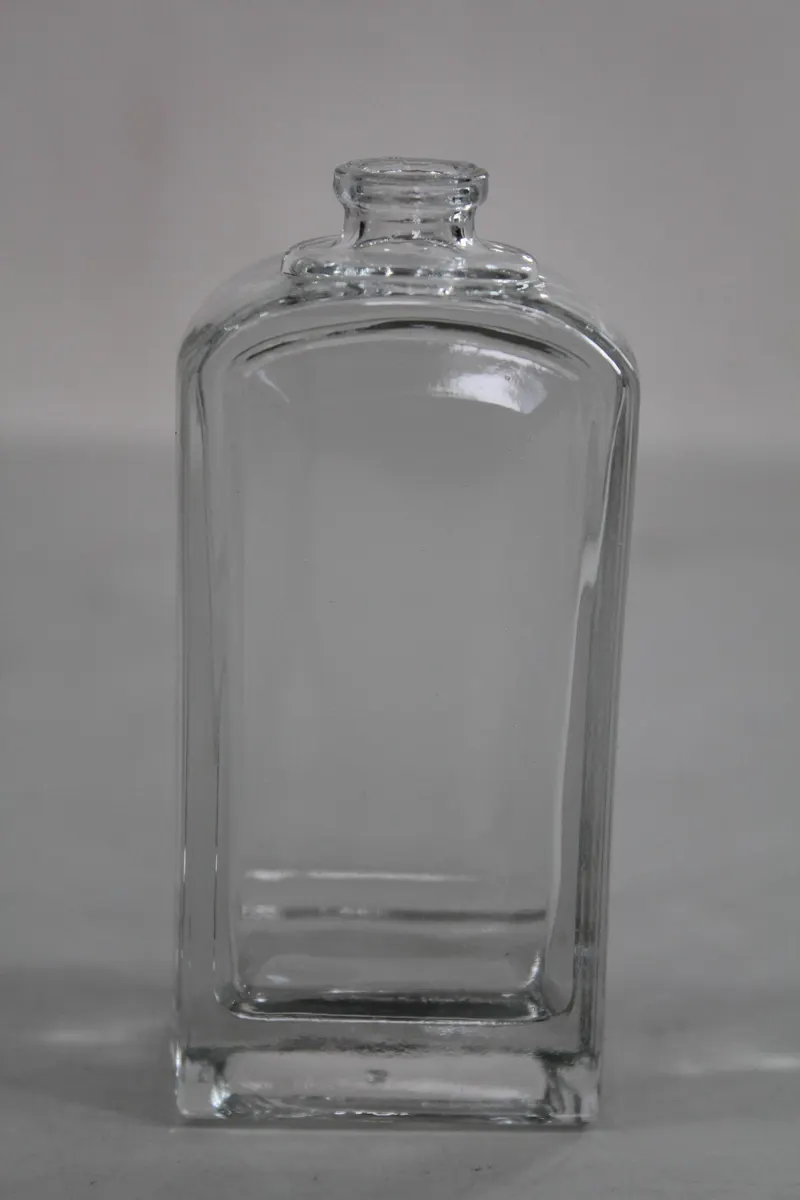
A closer look at one step of our custom bottle molds service; the full route, from drawing to approved sample, is set out there.
Glass Bottle Mold Development: From Concept Drawing to Production Tooling
A custom bottle mold is the point where a brand stops renting shelf presence and starts owning it. It is also the point where procurement discipline matters most: tooling money is spent before a single sellable bottle exists, and the decisions locked into the drawing — capacity, weight, finish, proportions — cannot be unmade after the steel is cut. This guide walks the full development path as we run it: concept to engineering drawing, drawing to machined mold set, trial production to approved samples, and the economics that decide when custom tooling beats modified stock. For broader custom program options, see our custom glass bottle manufacturing and custom glass bottle manufacturers pages, plus the custom packaging development hub.
All figures below are planning references from real programs, confirmed per project quotation and drawings.
Step 1: Concept to Engineering Drawing
Every custom project starts from one of three inputs: a sketch or brand brief, a physical reference bottle, or an existing drawing. Our engineers convert any of them into a full 2D technical drawing — and this is where custom projects are actually won or lost. The drawing fixes nominal and brimful capacity with ISO 8106 tolerance, target glass weight and its distribution (base thickness, wall profile, push-up depth), the neck finish to an established standard (never invent a finish — the closure ecosystem will not follow), demold angles, and emboss/engraving zones. We simultaneously run a manufacturability review: wall-thickness ratios the IS process can hold, facet radii that release from the mold, and proportions that survive annealing per ASTM C148. You approve the drawing with a signature; tooling begins only after it.
Step 2: Mold Machining
The approved drawing goes to the mold shop. A production set — blank mold, blow mold, neck ring, guide plates, bottom plate — is CNC-machined from cast iron alloy, with engraving work for emboss details cut by EDM where needed. Engraved ownership marks identify buyer-owned tooling. Mold service life runs 500,000–1,000,000 pieces with intermediate refurbishing — polishing parting lines, re-cutting worn engraving — which we schedule between campaigns at transparent cost.
Step 3: Trial Production and Sampling
The finished set mounts on a production IS machine for a trial run. First bottles are measured against the drawing’s full tolerance set: brimful capacity, weight, height, diameter, finish gauges, plus annealing verification and visual grading. Trial samples ship to you by courier. Evaluation on your side should include the things a drawing cannot show: hand feel, shelf presence next to competitors, label fit, closure fit on your actual components, and — for filled products — a fill-line trial.
The Complete Timeline
| Phase | Your Action | Deliverable |
|---|---|---|
| Concept to drawing | Provide brief, reference, or sketch | 2D engineering drawing |
| Drawing approval | Review, sign | Signed drawing (tooling release) |
| Mold machining | — | Production mold set |
| Trial run and samples | Evaluate physical samples | Measured trial bottles |
| Modification round (if needed) | Approve corrected samples | Approved master sample |
| First production campaign | Confirm order | Volume production + QC file |
The single biggest schedule variable is buyer approval speed — programs where drawings and samples are approved within 24–48 hours consistently ship a week earlier.
Custom vs. Modified Stock vs. Stock: The Economics
| Route | Best Stage |
|---|---|
| Stock mold | Launch, market validation |
| Modified stock (emboss plate) | Brand mark on proven glass |
| Full custom mold | Icon silhouettes, multi-year SKUs |
Custom tooling is cheap at the right volume and ruinous below it; the volume threshold, not the mold price, is the decision.
Frequently Asked Questions
How much does a custom glass bottle mold cost?
Pricing is quoted per project — it moves with the mould, decoration, quantity and freight terms.
How long does custom mold development take from drawing to production?
Lead times are quoted per project, once the mould, decoration and line schedule are confirmed.
What do I need to provide to start a custom mold project?
Any of three starting points works. A sketch, render, or brand brief — we translate it into an engineering drawing. A physical reference bottle — we measure and produce a drawing, modifying whatever you want changed (a taller neck, a deeper punt, your emboss). An existing technical drawing — we review for manufacturability: wall thickness distribution, demold angles, finish standardization, and IS-machine compatibility. In all cases also provide target capacity with brimful tolerance per ISO 8106, target weight, neck finish choice, and annual volume. The drawing approval step is free; tooling starts only after your signed drawing.
Can I own the mold, and what happens if I change suppliers?
Yes — custom molds paid by the buyer remain the buyer’s property, documented in the tooling agreement. In practice, molds are machined to a specific factory’s IS machine configuration (section size, plunger geometry, cooling), so moving a mold set to another plant usually requires adaptation work or produces inferior forming. The more portable asset is the certified drawing: with it, any competent glassworks can machine an equivalent set.
How many sample rounds does a custom bottle usually need?
One to two, when the drawing stage is done properly. Projects that need three or more rounds almost always skipped rigorous drawing approval — the buyer approved a render, not an engineering drawing, and discovered on physical samples that proportions read differently in the hand. Our discipline: no tooling begins until the signed 2D drawing carries dimensions, tolerances, finish code, and capacity targets. That one habit is why most of our custom programs approve on the first or second sample.
When does a custom mold beat modified stock glass?
The graveyard of custom glass is brands that tooled an icon before the market voted. Our development path runs stock first, emboss plate second, custom mold third, each stage funded by the previous one’s sell-through.
Start a Custom Mold Project
To scope your development, send us:
- Concept material: sketch, render, or reference bottle photos
- Target capacity, weight, and neck finish
- Expected annual volume and launch timeline
- Emboss/engraving requirements and artwork
- Destination market and compliance requirements