







Specify the family, not the bottle
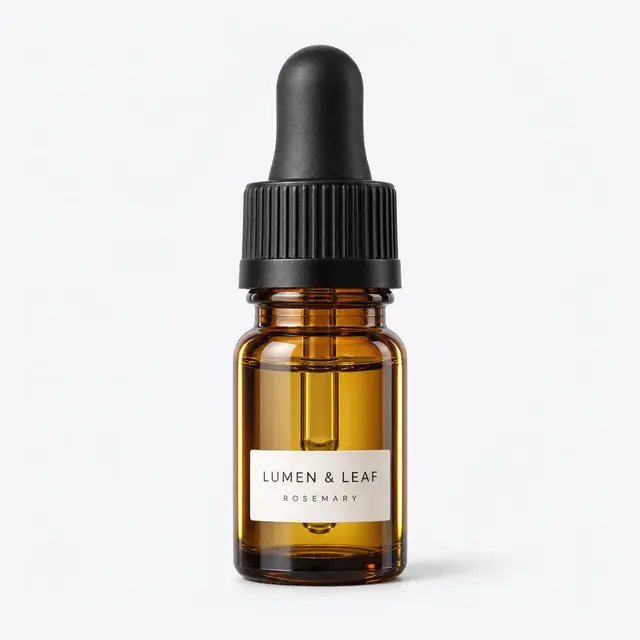
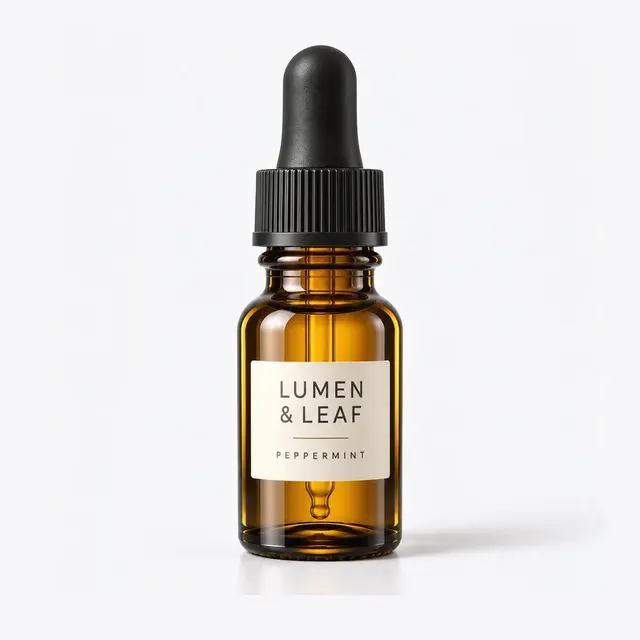
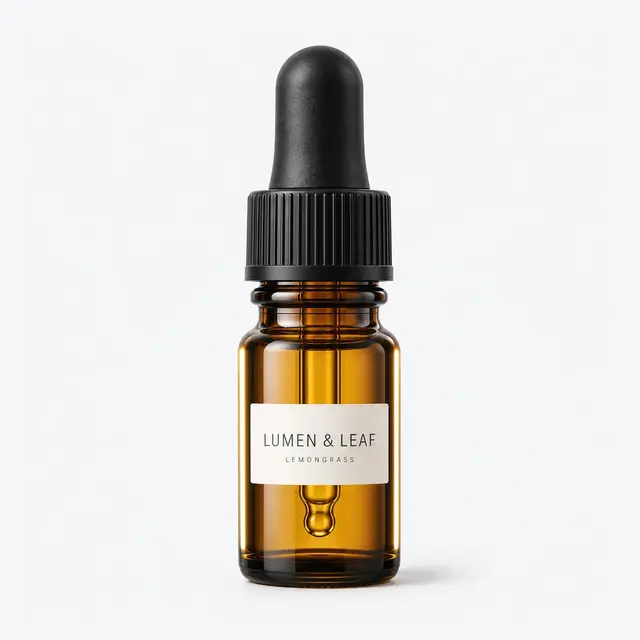
The most common and most expensive mistake in this category is sourcing sizes one at a time. Two amber 15ml bottles from different moulds will differ in shoulder profile and in amber depth, and on a shelf standing next to each other the mismatch is obvious. Worse, they may take different neck finishes, which means two dropper assemblies, two purchase orders and two sets of minimums.
Ordering a matched ladder from one mould family solves all of that at once: one closure specification, one colour standard, one artwork system that scales across sizes. Several of the ranges here are explicitly built as ladders — a single series running across seven sizes — for exactly this reason.
If you are only launching one size now but expect to add more, say so at brief stage. Choosing a mould that has siblings costs nothing today and saves a re-source in a year.
The formats in this range
Three things distinguish the bottles here: body profile, glass colour and whether the neck is built for a dropper assembly or a plain cap.
Boston rounds
The workhorse profile — a rounded shoulder over a straight cylindrical body. Stable, efficient to pack, and the most widely supported shape for off-the-shelf dropper assemblies. Available here as complete size ladders.
Slim and apothecary cylinders
Taller, narrower bodies with a pronounced neck ring. A more clinical, pharmacy-adjacent read that suits actives-led skincare and tincture brands.
Miniature vials
5ml and 10ml formats for sampling programmes, discovery sets and single-use retail. The sizes that drive trial, and the ones most often forgotten in the initial spec.
Coloured glass beyond amber
Green, cobalt blue and flint in matched families, for brands whose palette does not allow amber. Worth reading the amber glass page before choosing on colour alone if the fill is light-sensitive.
The neck finish is the whole compatibility question
A dropper bottle is only half a package. The glass has to mate with a dropper assembly — bulb or pump, glass or plastic pipette, with or without a tamper-evident band — and that assembly is usually sourced separately. The neck finish is what makes them fit, and it is where most sourcing failures in this category happen.
Two rules avoid almost all of it. Settle the closure supplier before the glass is confirmed, and get physical samples of both in the same room before committing to a production quantity. A continuous-thread neck that measures correctly on a drawing can still be a poor fit with a specific bulb assembly once the liner is in place.
Pipette length is the other detail worth checking early. A dropper sized for a 30ml bottle in a family will not reach the bottom of the 100ml, and a customer who cannot get the last of an expensive oil out of the bottle notices.
Decoration on small bottles
Small bottles are hard to decorate well. The usable label area on a 10ml cylinder is narrow, and anything wrapping around a tight radius distorts. Screen printing directly onto the glass usually outperforms applied labels at these sizes — fewer edges to lift, no wrinkling on the curve, and a cleaner look at a scale where a label edge is a large proportion of the visual.
Amber and coloured glass also constrain ink choice: dark inks disappear into dark glass. White, metallic and opaque inks are the usual answer, and they should be trialled on the actual glass colour rather than approved on a white proof.
From brief to container
Send the fill, the sizes you need now and the sizes you expect to add, the dropper assembly you plan to use (or ask us to propose one), and the destination market. We come back with a technical drawing confirming capacity and neck finish, plus samples to check against your closure before anything goes to production.
These are small containers, so they are not subject to the internal pressure testing that applies to carbonated fills. Annealing is verified per ASTM C148 and dimensional checks run against the approved drawing. Minimum quantities and lead times are quoted per project.
Common questions
Do you supply the dropper assemblies as well as the glass?
We coordinate them alongside the glass rather than leaving you to match two separate purchases. If you already have a closure supplier, send their specification at brief stage and we will confirm fit against the mould before you order.
Which sizes should a new oil range launch with?
Most ranges settle on a 5ml or 10ml trial size, a 15ml or 30ml core size and a larger value or refill format. The specific ladder depends on your price architecture, but the argument for specifying the whole family from one mould series at the start is the same regardless of which sizes you pick.
Can I mix glass colours within one family?
Usually yes, subject to the factory running those colours on the line that holds the mould. Colour campaigns are scheduled rather than continuous, so a multi-colour family can have different availability windows per colour. Raise it early if the launch date is fixed.
Are these the same as essential oil bottles?
Much of the glass is shared, but the purchase is different. Essential oil ranges often mix droppers with orifice reducers and plain caps, and the buyers compare them on other things. The essential oil bottles guide covers that side; this page is about the dropper format itself.
Do you have roller (roll-on) bottles?
Not in this range. A roller ball needs its own neck finish and fitment, so it is a different mould family rather than a dropper bottle with a different cap. If roll-on is part of the line, say so at brief stage and we will come back with what can be documented.
Is amber necessary, or will clear glass do?
It depends on the fill and on how the product will be stored. Terpenes in essential oils oxidise under light and the aroma change is the product failing, so amber is the category default. For a fill that is not light-sensitive, or one that ships in a carton, clear glass is a legitimate choice and shows the product. The amber glass page goes through the trade-off properly.