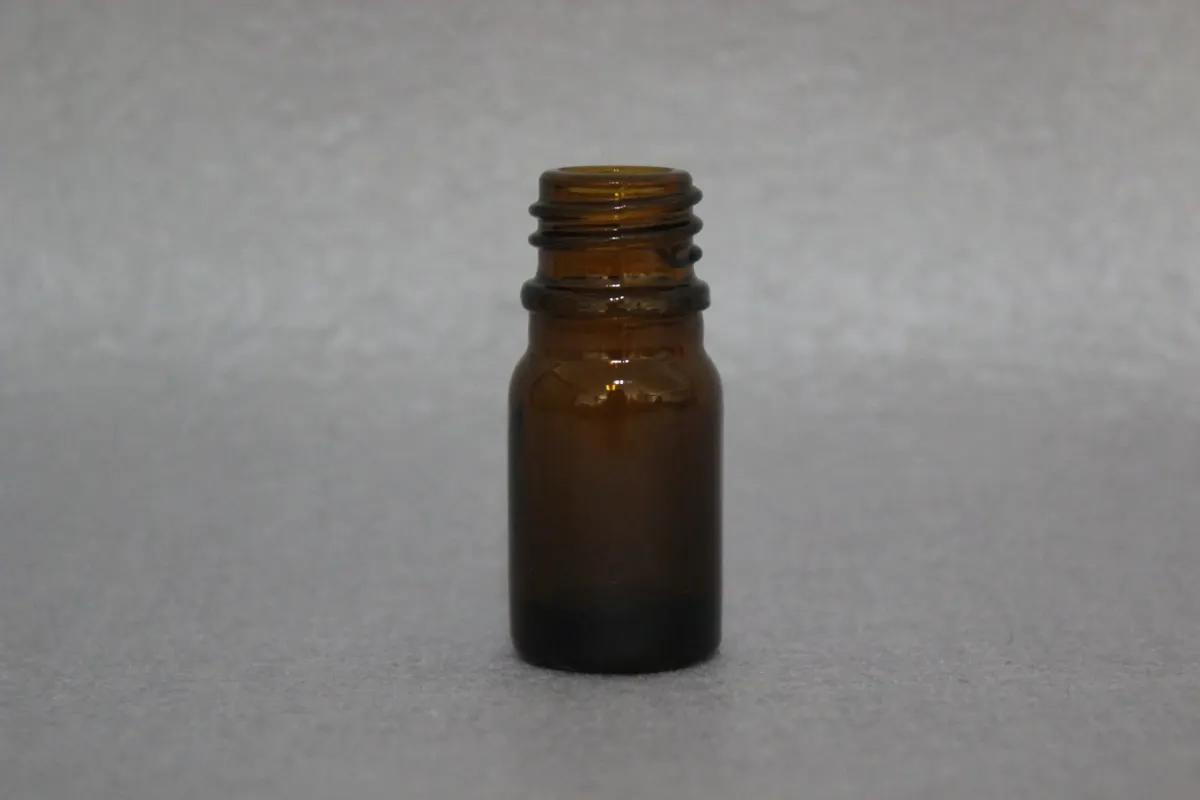
Filed under glass dropper bottles; the moulds we quote for this are pictured at the foot of the page.
A 1 oz (30 ml) dropper bottle is a stock item at almost every glass plant, so shape is rarely what separates one offer from another. What separates them is whether the glass colour stays the same across reorders, whether the pipette is cut to the real depth of the bottle, which bulb material is fitted, and how the cartons are packed. Specify those four points, ask for the bottle and dropper to be quoted as one complete unit, and treat pricing and minimums as project quotes, because both depend on the mould, decoration, quantity and freight terms.
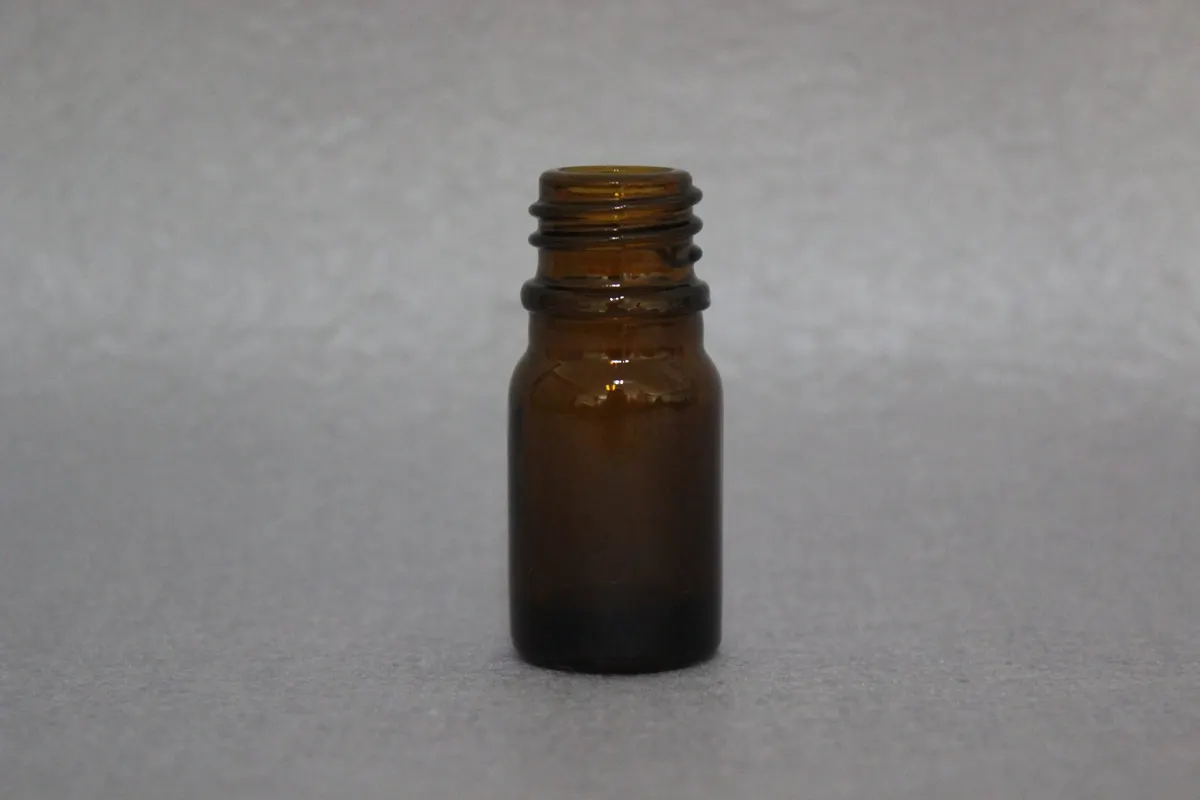
This article stays on 30 ml. Other capacities are on the dropper glass bottle range page, and buyers filling herbal extracts will find more in the tincture bottle guide.
Why 30 ml is the stock size
The size fits how the product is used and sold. A serum applied one dropper twice daily lasts 30 to 45 days, which lines up with a subscription repurchase cycle. A tincture dosed at 1 ml gives 30 servings, a month on the label. Retail shelf plans are built around the 33 to 35 mm footprint, and co-packers keep their filling lines set up for it.
For a buyer, the consequence is that more stock moulds exist at 30 ml than at any other dropper capacity. Availability is quick, tooling risk is low, and many plants compete for the same order. A higher price for a "proprietary" 30 ml round usually describes a stock mould, so spend your negotiating effort on quality details and on getting a complete, matched system.
Glass colour and the tolerances to write into the order
Choose the colour from the formula first and the brand second.
| Glass | Light protection | Suits |
|---|---|---|
| Amber | Filters UV below 450 nm | Light-sensitive actives: retinols, vitamin C, CBD and hemp extracts, most essential oils |
| Cobalt blue | Less UV filtering than amber | Brand-led products with moderate light sensitivity |
| Green | Between amber and cobalt | Products that need some protection and a different shelf look |
| Flint (clear) | None stated | Stable formulas, or bottles with full-coverage decoration |
Clear glass holding an amber-coloured oil on a sunlit shelf is a stability risk, so reserve flint for products that can take the exposure.
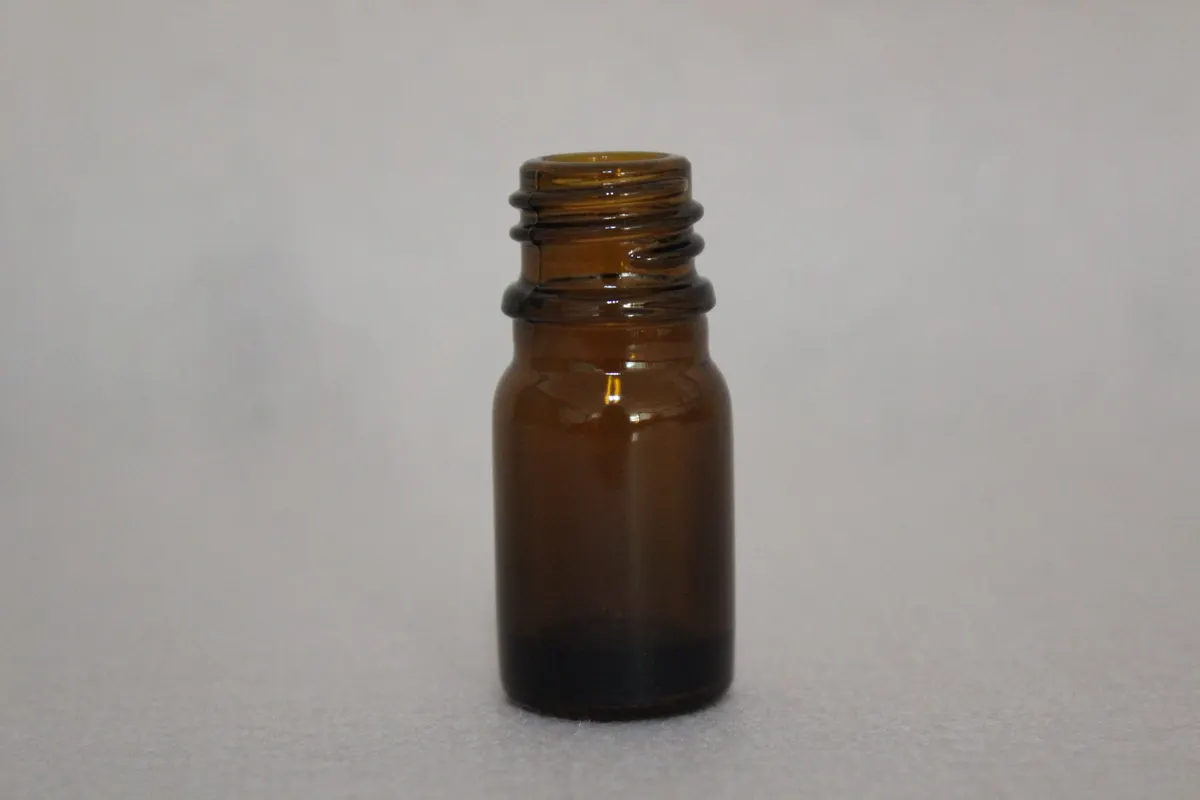
Colour consistency tends to surface on the second delivery. Amber shade follows how much colourant goes into the furnace on a given day, so a programme of 200,000 bottles split over four shipments can show bottle-to-bottle differences on shelf unless Delta E colour variation is kept under 3. We write that tolerance into the purchase order and have the plant check production against a master colour plaque. A supplier unwilling to accept a colour tolerance may not control where its glass comes from.
Weight belongs in the same clause. A standard 30 ml Boston round weighs 48 to 58 g, and a tolerance of plus or minus 4 percent keeps both your checkweigher settings and your freight estimate reliable.
Bulb, pipette and cap
The dropper assembly has three parts, and it accounts for about half the cost of the unit and most of the complaints.
Bulb material
| Bulb | Position | Chemical resistance |
|---|---|---|
| Rubber | Economy standard | Swells and breaks down within months in contact with aggressive oils |
| Nitrile | Mid-tier | Resists most essential oils |
| Silicone | Top tier | Holds up against citrus oils and alcohol tinctures |
Pipette length and dose
Pipettes come in glass or PP, with a straight or bent tip. Length is the specification that matters most. A 30 ml bottle is roughly 68 mm deep inside, and the tip should stop 2 to 3 mm above the base without touching it; too short and the last of the product cannot be drawn up.
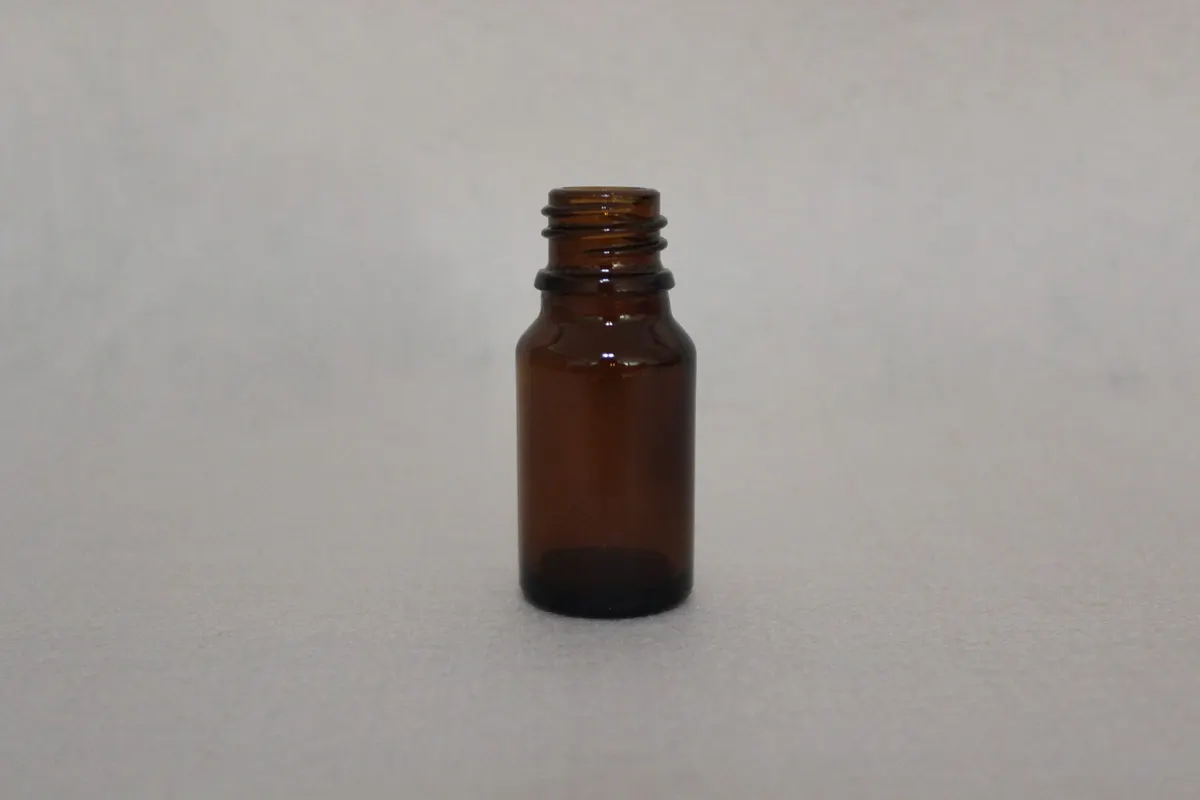
We ask for pipettes to be cut to the depth measured on bottles from the production lot instead of the figure on the catalogue drawing. Where the label promises a 1 ml dose, the assembly has to deliver it every time, so draw volume on calibrated droppers is verified to plus or minus 0.05 ml.
Neck finish
Two cap finishes are used at this capacity, 20-400 and 18-415. Brands that also sell 15 ml and 60 ml bottles gain from putting 20-400 on all of them alongside the 30 ml, because a single dropper stock then covers the range.
Carton, pallet and container quantities
Small bottles pack densely, so a container carries a very large count. Standard export packing looks like this:
- Bottles: 180 to 216 per partitioned carton.
- Droppers: bulk-packed apart from the glass, 500 to 1,000 per poly-lined carton.
- Pallet: 40 to 48 cartons of bottles, or 7,500 to 10,000 units.
- 40-foot high-cube container: 180,000 to 220,000 bottles together with their assemblies.
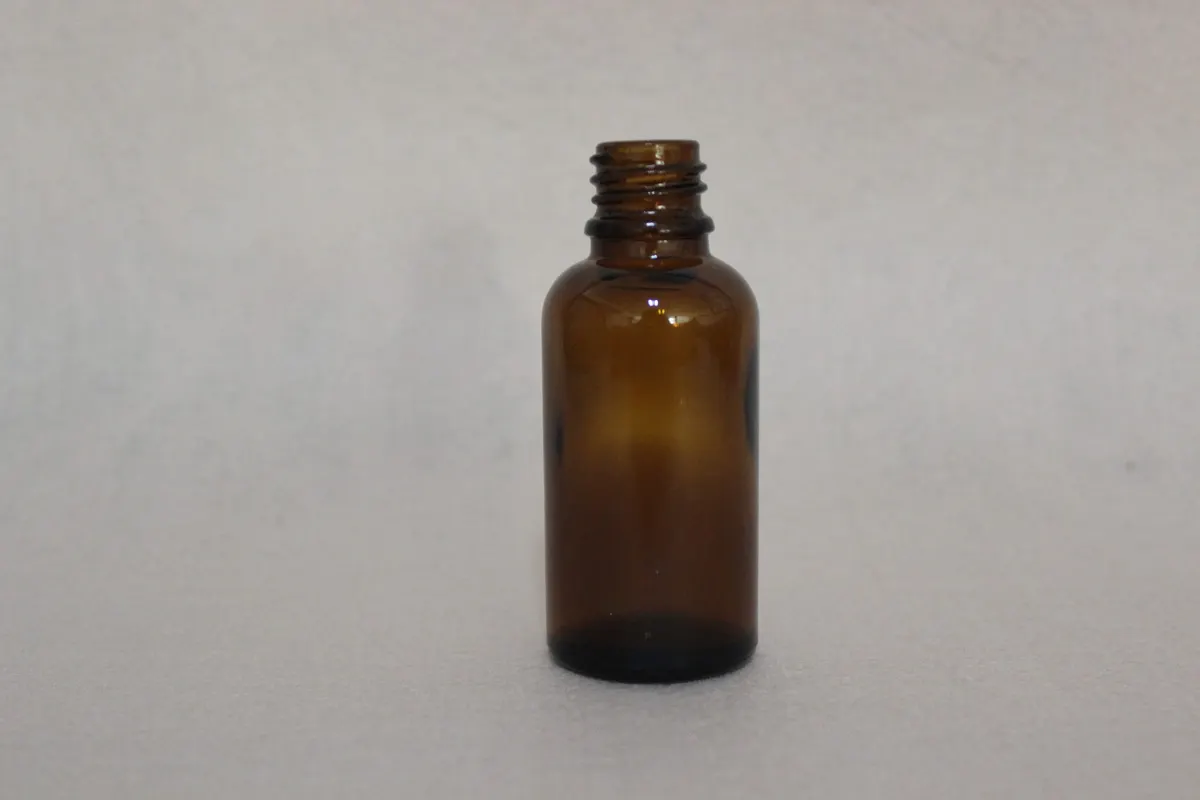
Freight hurts most on small, frequent orders. Below 100,000 units a year, combine the volume into one or two shipments. Above that, a blanket purchase order with quarterly container releases works better. Amber, cobalt and green bottles with different pipette specifications can share a container and be priced on the combined quantity.
If the same shipment needs to carry other capacities, see the serum glass bottle catalogue for larger serum formats, the 2-oz glass bottle page for the next step up, and the travel-size toiletry bottle guide for hotel amenity sizes.
Incoming inspection for a 30 ml dropper order
A bottle this small shows faults that a larger one would hide. Run these checks on receipt:
| Check | Method | Limit |
|---|---|---|
| Neck bore (20-400) | Pin-gauge 20 bottles per lot | Plus or minus 0.08 mm; outside it, cap torque becomes inconsistent |
| Verticality | Rotating gauge | 0.8 degrees; at 1 degree the lean is visible on shelf |
| Pipette length | Measure 20 assemblies against the bottle depth specification | Plus or minus 1.5 mm; more suggests cutting to the drawing, not the glass |
| Bulb draw | Actuate 20 assemblies in water | Draw volume within specification; on calibrated units the 1 ml mark gives 0.95 to 1.05 ml |
The inversion leak test is the one that best predicts customer returns. Fill 24 complete units with product of your real viscosity, cap them at production torque, weigh them, then hold them inverted at 40 degrees Celsius for 72 hours and weigh again. If any unit loses more than 0.5 percent, the cap liner, the bore tolerance or the torque window needs correcting before the stock goes on sale.
How to brief and quote a 30 ml programme
Ask for one figure per complete unit, with the pipette length written in millimetres. Quotes that list bottle and dropper on separate lines can make the glass look cheap and then deliver a pipette that does not match the bottle depth.
Negotiate on annual volume. A brand buying 300,000 units a year in amber and cobalt should be quoted as one 300,000-unit programme with quarterly releases, not as a string of separate orders each priced alone. Fix the amber colour tolerance once and apply it to every reorder, and have pipettes re-cut to each lot's measured depth.
A useful brief states the container, closure, decoration, quantity and destination, even if some of it is still provisional. Oil brands can compare closure systems on the essential oil glass bottle page before sending it.
FAQs about 1 oz dropper bottles wholesale
What is the minimum order for 1 oz dropper bottles?
There is no single figure. The minimum is set for each project by the mould chosen and the line that runs it.
What does a complete 1 oz dropper unit cost at volume?
Cost is quoted per project. It changes with the mould, the decoration, the quantity and the freight terms.
Which bulb should I choose for citrus oils or high-alcohol tinctures?
Silicone. Rubber is the low-cost default but degrades against aggressive oils, and nitrile covers most essential oils.
Is cobalt glass enough protection for a light-sensitive formula?
Not for the most sensitive ones. Cobalt filters less UV than amber, so retinol, vitamin C, CBD and most essential oils belong in amber.