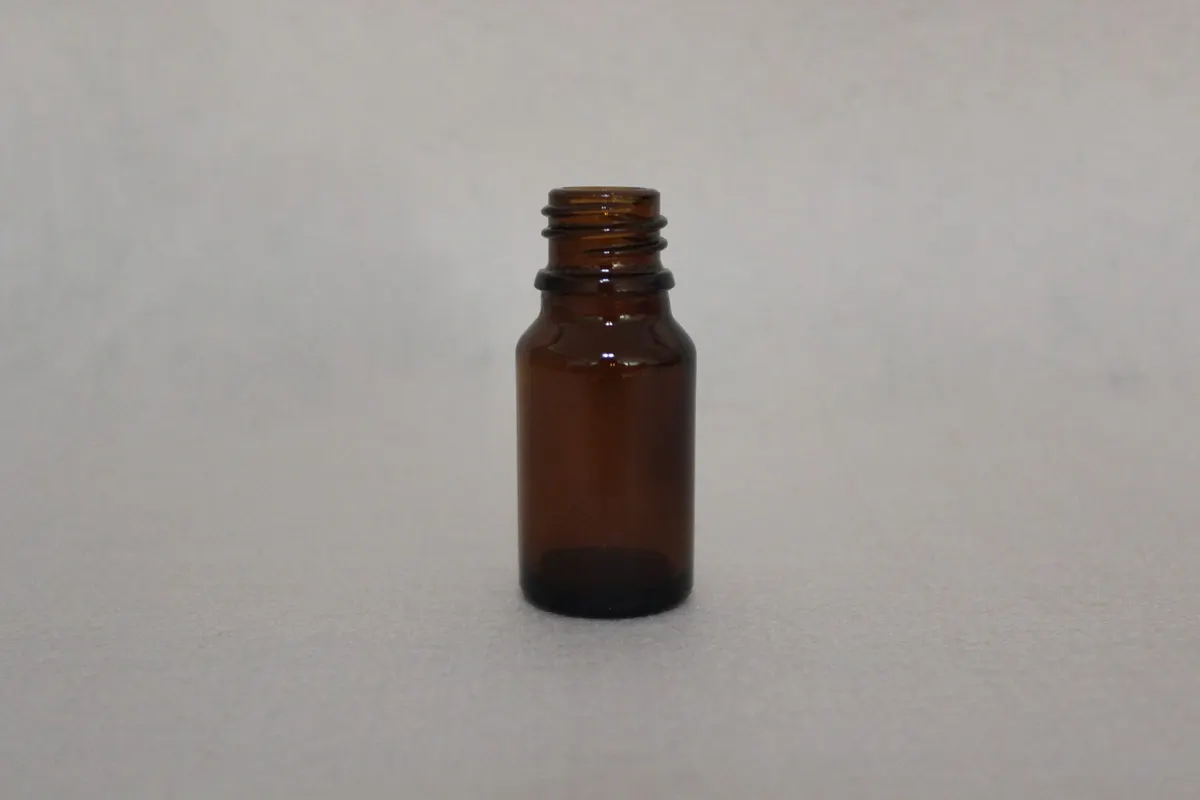
Filed under dropper bottles wholesale; the moulds we quote for this are pictured at the foot of the page.
Tincture bottles are a vertical of their own, and buyers who treat them as generic dropper bottles learn that the hard way. A herbal supplement brand, a CBD company, and a homeopathic line all fill the same 30 ml amber bottle, but they face different light-protection requirements, different dosing hardware, different child-resistance rules, and wildly different label-compliance demands. This page is the procurement guide for tincture bottles wholesale, written for brands and co-packers buying 10,000 to 500,000 units a year. It complements our broader dropper glass bottles wholesale catalog, which covers cosmetic and aromatherapy formats, while this page stays focused on ingestible tincture programs and the compliance details that come with them.
The Size Ladder: 15, 30, and 60 ml
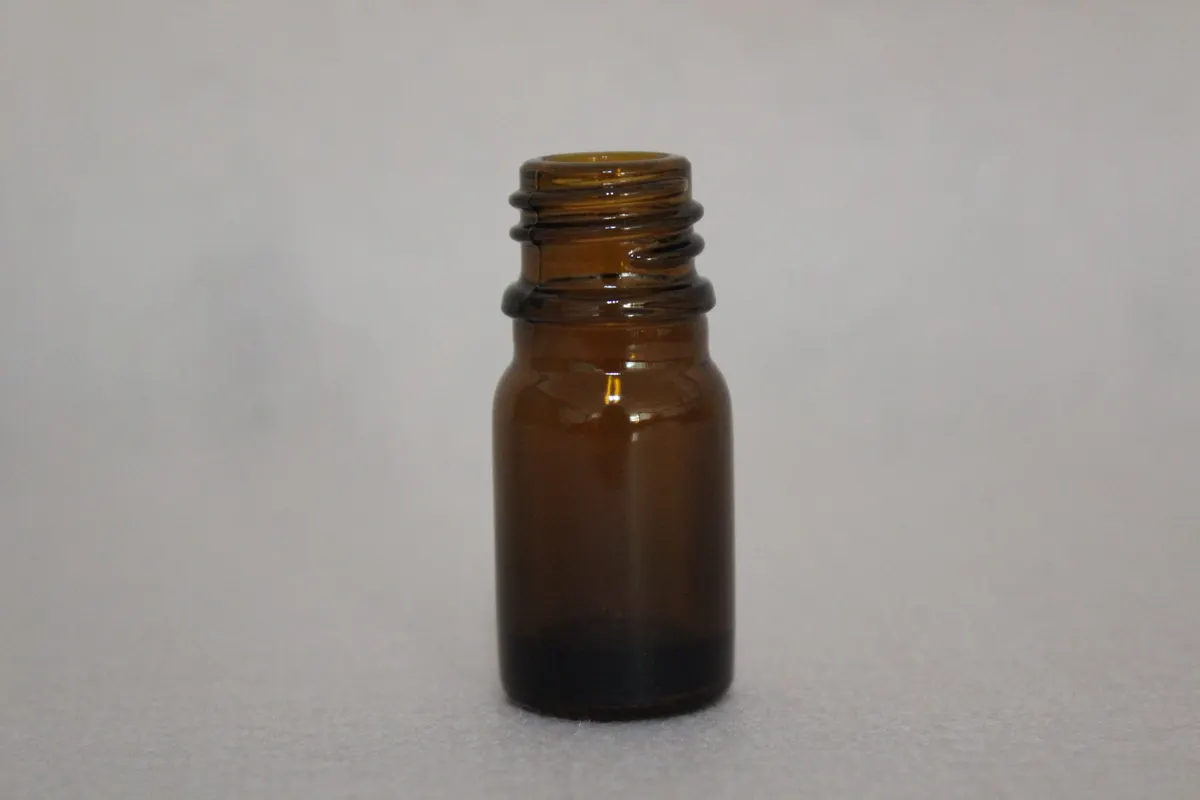
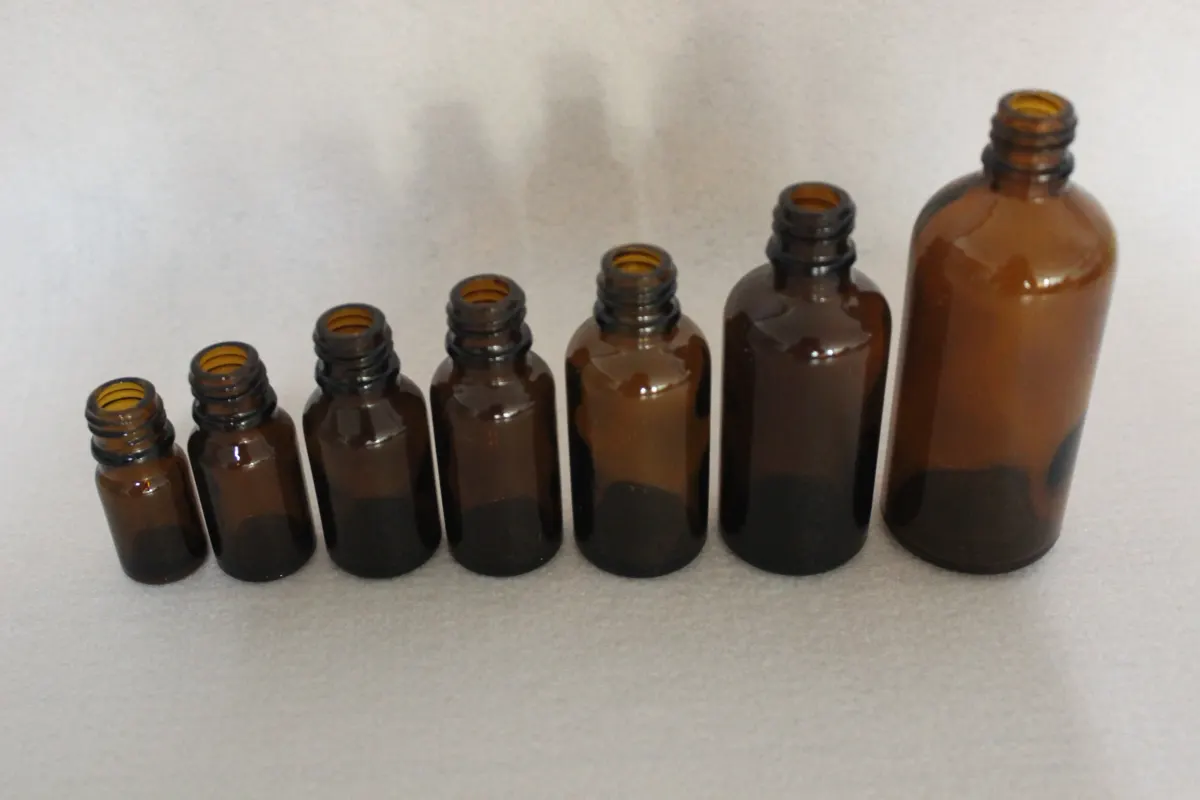
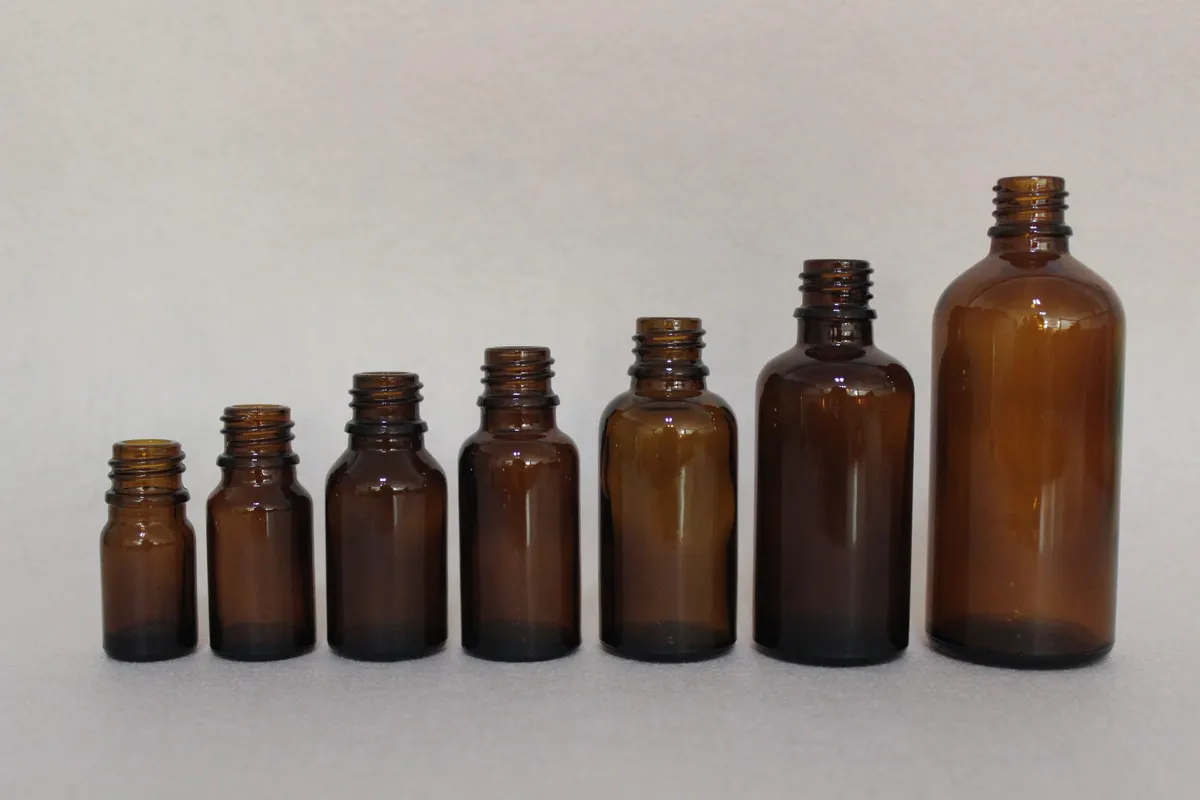
Three sizes own the tincture market. The 15 ml half-ounce is the trial and travel format, standard in sampler bundles and subscription-box first months, and increasingly the format for high-potency concentrates where a full ounce would overdose the price point. The 30 ml one-ounce is the industry default: roughly 600 drops of a standard alcohol tincture, a 30-day supply at a dropper-full daily, and the size every retail shelf planogram in the supplement aisle is built around. Expect 70 to 80 percent of your volume to land here. The 60 ml two-ounce serves value sizes, practitioner channels, and pet tinctures where dosing runs heavier.
A spec detail that trips new brands: nominal versus brimful capacity. A 30 ml tincture bottle runs 34 to 36 ml brimful, which is correct headspace for a dropper assembly that displaces volume when inserted. If your filler is set to a strict 30.0 ml fill and your contract lab verifies label claims against it, confirm the bottle’s overflow capacity in writing, because a bottle that cannot take the labeled fill plus the dropper displacement creates a misbranding problem, not just a mess. For adjacent small formats, the wholesale glass bottles with droppers page covers 5 ml to 100 ml options beyond the tincture core sizes.
Light Protection: Amber, Cobalt, and Opaque Coatings
Cannabinoids, alkaloids, and most herbal actives photodegrade, and the degradation is not subtle: CBD in a clear bottle under retail lighting can lose measurable potency in 60 to 90 days. Amber glass is the default answer because it blocks essentially all UV below 450 nm and costs the same as flint at volume. Cobalt blue blocks less UV but outperforms clear significantly and owns the premium-aromatherapy aesthetic; some herbal brands pay the 10 to 15 percent cobalt premium purely for shelf differentiation. Green sits between the two and reads as traditional-apothecary.
One myth to kill: amber glass does not protect against heat. A tincture in a hot warehouse degrades regardless of color, so light protection buying should ride alongside a distribution-temperature conversation with your co-packer. The full color comparison across bottle families is on our amber glass bottles wholesale page.
Droppers: Calibration, Bulb Material, and Child Resistance
The dropper assembly is half the product, and it deserves more scrutiny than the bottle. A calibrated dropper has graduation marks, typically at 0.25, 0.5, 0.75, and 1.0 ml, printed or etched on the pipette, and it matters because supplement-facts panels declare doses in milliliters. Specify pipette length against bottle height: a 30 ml Boston round takes a pipette of roughly 76 to 80 mm, and a pipette 5 mm short leaves a half-milliliter of product unreachable at the bottom, which customers notice and complain about. Draw volume per full squeeze on a standard assembly runs 0.9 to 1.1 ml; verify it, because label claims built on a one-milliliter assumption fail when the hardware draws 0.7.
Bulb material is a formulation question. Natural rubber bulbs are cheapest and fine for water-glycerin tinctures, but high-alcohol tinctures at 40 percent ABV and above extract plasticizers and turn the bulb gummy within months.
Compliance Label Real Estate
Tincture labels are the most regulated small-bottle labels in the US market, and the bottle you choose determines whether compliance is easy or impossible. A 30 ml Boston round offers roughly 4.5 by 1.75 inches of wrap label area, into which a supplement brand must fit the supplement facts panel, ingredient list, net contents, manufacturer address, and any required warnings.
The buying implication: do not let a marketing team fall in love with a heavily tapered or faceted bottle for a regulated tincture. Every curve steals label area and every facet breaks scannability of the QR code state regulators expect to work. The boring cylindrical Boston round dominates this vertical precisely because it is a compliance-friendly labeling surface. Plan the label die line before the bottle PO, not after, and if your program spans herbal and CBD SKUs, standardize on one bottle geometry so one label template family covers the line.
Quality Specs That Matter for Ingestibles
Tincture bottles hold products people swallow, so the glass spec should read like a food-contact document, not a candle-jar quote. Specify Type III soda-lime glass minimum with a hydrolytic resistance test on the lot certificate; alcohol-water mixtures are mildly extractive, and a poorly formulated glass can leach alkali that shifts the pH of a low-buffer tincture over shelf life. Specify heavy-metal limits, lead and cadmium below 100 ppm total, with a food-contact compliance statement. And specify the annealing standard: residual stress below 50 nm per centimeter, verified by polariscope sampling per AQL 1.5, because tincture bottles ship liquid-filled and a stressed bottle that cracks in a case is a contaminated product recall, not a cosmetic defect.
Dropper assemblies need their own document set: FDA food-contact compliance for the pipette, bulb, and cap liner, and a fit-test report confirming the assembly torque-strips at a controlled range so consumers can actually open the child-resistant cap they just bought. We cover the full inspection protocol on the glass dropper bottle manufacturers page, and cosmetic-adjacent buyers using the same hardware should see serum and dropper bottles for the skincare-grade variant of these specs.
Pricing, MOQs, and Freight Reality
Pricing is quoted per project — it moves with the mould, decoration, quantity and freight terms.
The 15 ml runs about 20 percent under the 30 ml and the 60 ml about 25 percent above it, so the 30 ml anchors the value curve. One operational warning: droppers and bottles often ship from different lines or even different factories, so confirm both land in the same window before your fill date, because a co-packer line sitting idle waiting for pipettes bills by the hour. Buyers formulating with essential-oil carriers can cross-reference the essential oil glass bottles wholesale range for compatible small formats.
FAQs About Tincture Bottles Wholesale
What size tincture bottle should my brand lead with?
The 30 ml one-ounce Boston round. It holds roughly 600 drops, matches a 30-day supply at one dropper-full daily, and fits the supplement-aisle planogram. Expect 70 to 80 percent of volume in 30 ml, with 15 ml for trials and 60 ml for value and pet SKUs.
Is amber glass enough light protection for CBD tinctures?
Amber blocks essentially all UV below 450 nm and is adequate for normal retail cycles. Clear glass can show measurable cannabinoid potency loss in 60 to 90 days under retail lighting.
Do I need child-resistant caps on tincture bottles?
Effectively yes for CBD products and strongly advised for supplements in states with poison-prevention packaging rules.
What is a calibrated dropper and why does it matter?
A dropper with graduation marks at 0.25 to 1.0 ml on the pipette. Supplement facts panels declare doses in milliliters, so dosing hardware must match label claims. Also verify pipette length against bottle height so the pipette reaches the bottom of the bottle.
What does a 30 ml amber tincture bottle with dropper cost at volume?
Pricing is quoted per project — it moves with the mould, decoration, quantity and freight terms.
Can I use rubber bulb droppers with alcohol-based tinctures?
Not above roughly 40 percent ABV. High-alcohol formulas extract plasticizers from natural rubber and turn bulbs gummy within months.