

Ten Bordeaux moulds, and why they are not interchangeable
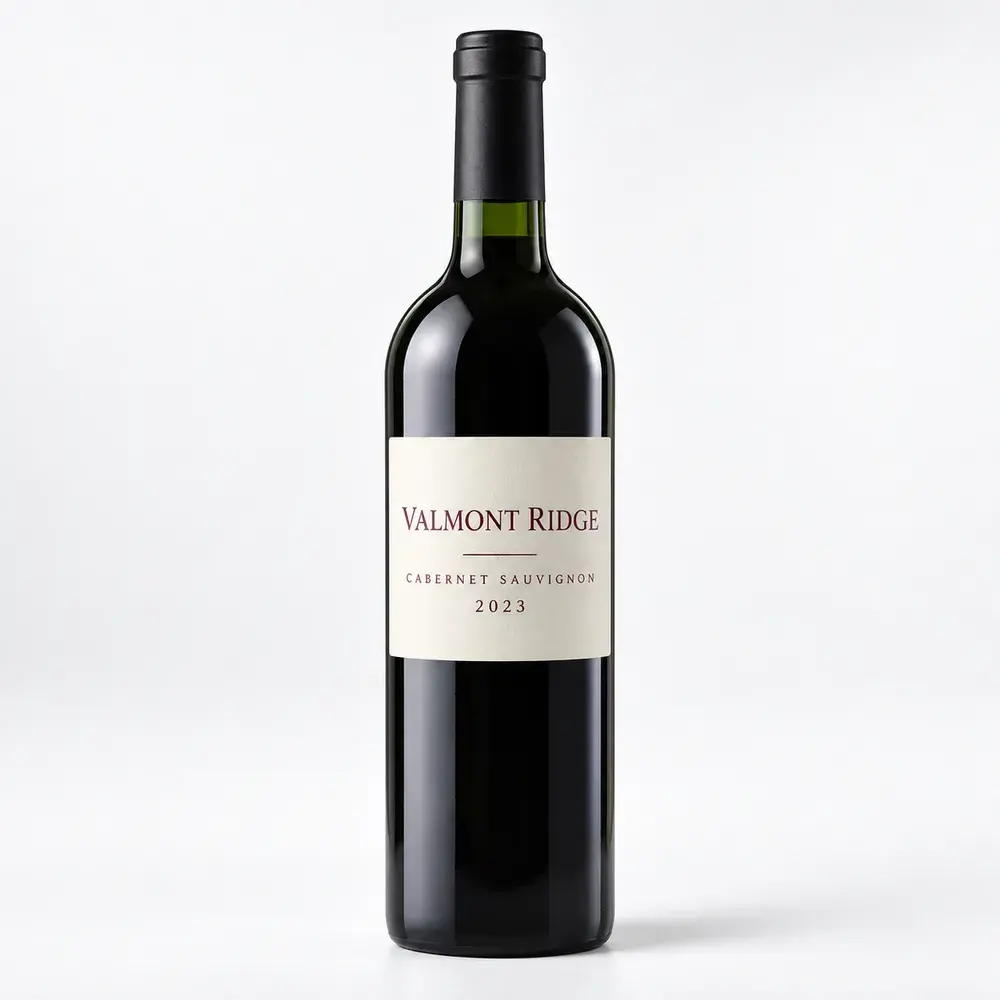
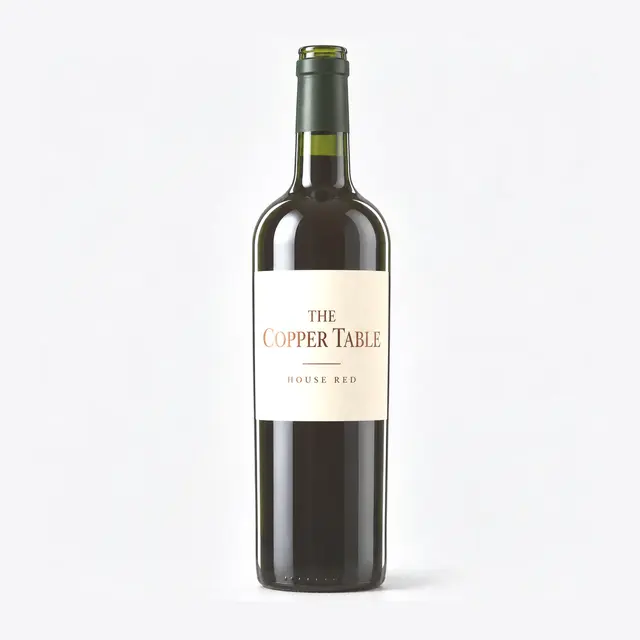
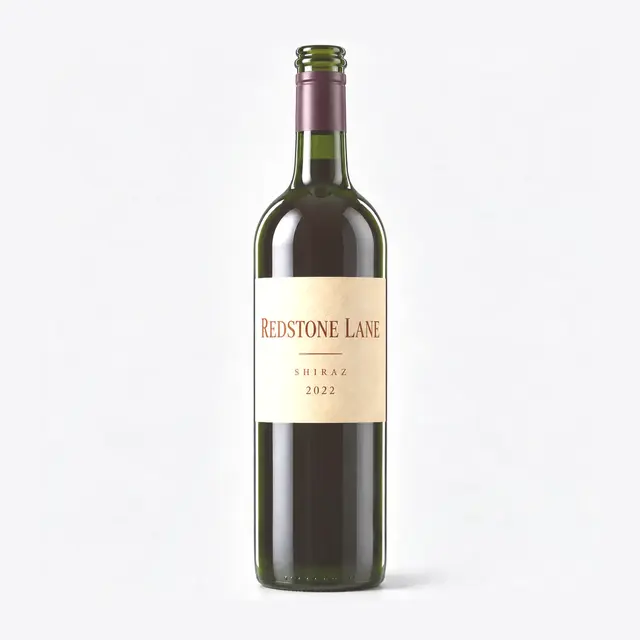
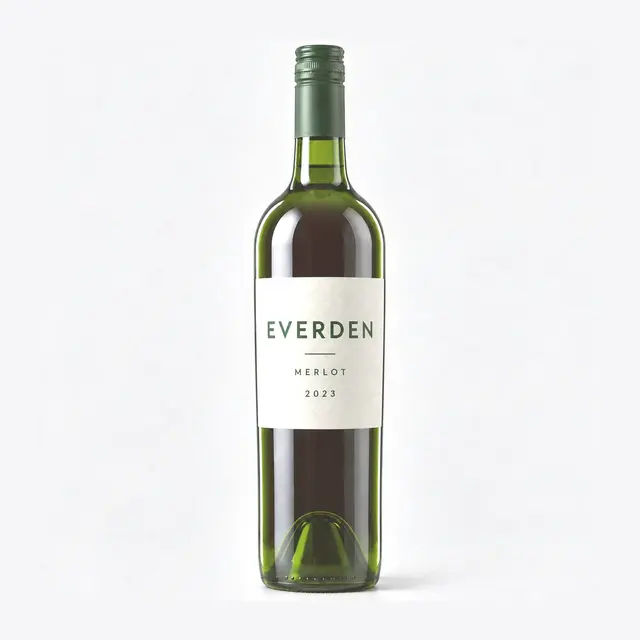
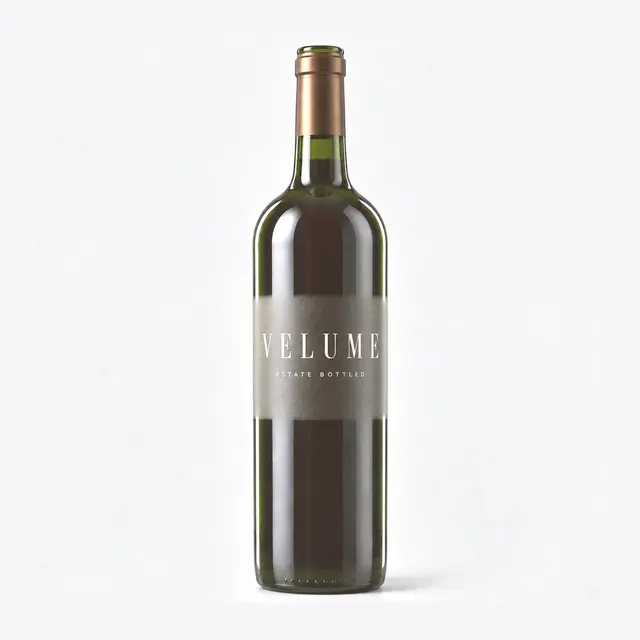
Every bottle in this family is a 750ml Bordeaux — the high-shouldered claret shape that signals Cabernet, Merlot, Shiraz and the Bordeaux blends to any shopper who has ever bought red wine. Running ten moulds in what looks like one shape is not redundancy. Shoulder height, body diameter, punt depth and glass weight vary across them, and each combination suits a different tier and a different filling line.
A tall, high-shouldered mould with a deep punt reads reserve. A slimmer body with a shallower punt runs faster on a line and loads more efficiently into a case. A broad claret with substantial glass reads expensive in the hand and costs more to freight. None of these is better; they are answers to different briefs.
The practical way to choose is to state the tier and the channel first — house wine for restaurants, a supermarket value blend, a new-world varietal at mid tier, a reserve bottling — and let that narrow the set to two or three before looking at drawings.
Cork or screw cap: decide before the mould
The neck finish is different for each, so this is a tooling decision rather than a packaging decision. A natural cork finish and a BVS screw finish are not interchangeable on the same bottle, and changing your mind after the mould is confirmed means starting the selection again.
Cork still carries ceremony and remains expected at premium tiers and in traditional markets. It also brings variability, requires a corking line, and needs bottles stored on their side. BVS screw finishes are standard across Australia and New Zealand, common in the UK, and increasingly accepted elsewhere; they eliminate cork taint, seal consistently and run faster.
Where a portfolio spans both — cork for the reserve tier, screw for the volume blends — it is worth choosing two moulds from this family that share a visual character, so the range still reads as one brand on a shelf despite the different finishes.
The punt, the colour and the weight
The punt — the indent in the base — is the detail buyers ask about most and understand least. Its historical justifications are largely obsolete: modern glass does not need it for strength, and it does not affect the wine. What it does is add perceived quality, give a pourer somewhere to put a thumb, and consume glass and internal volume. Deep punts are a tier signal, and they are priced like one.
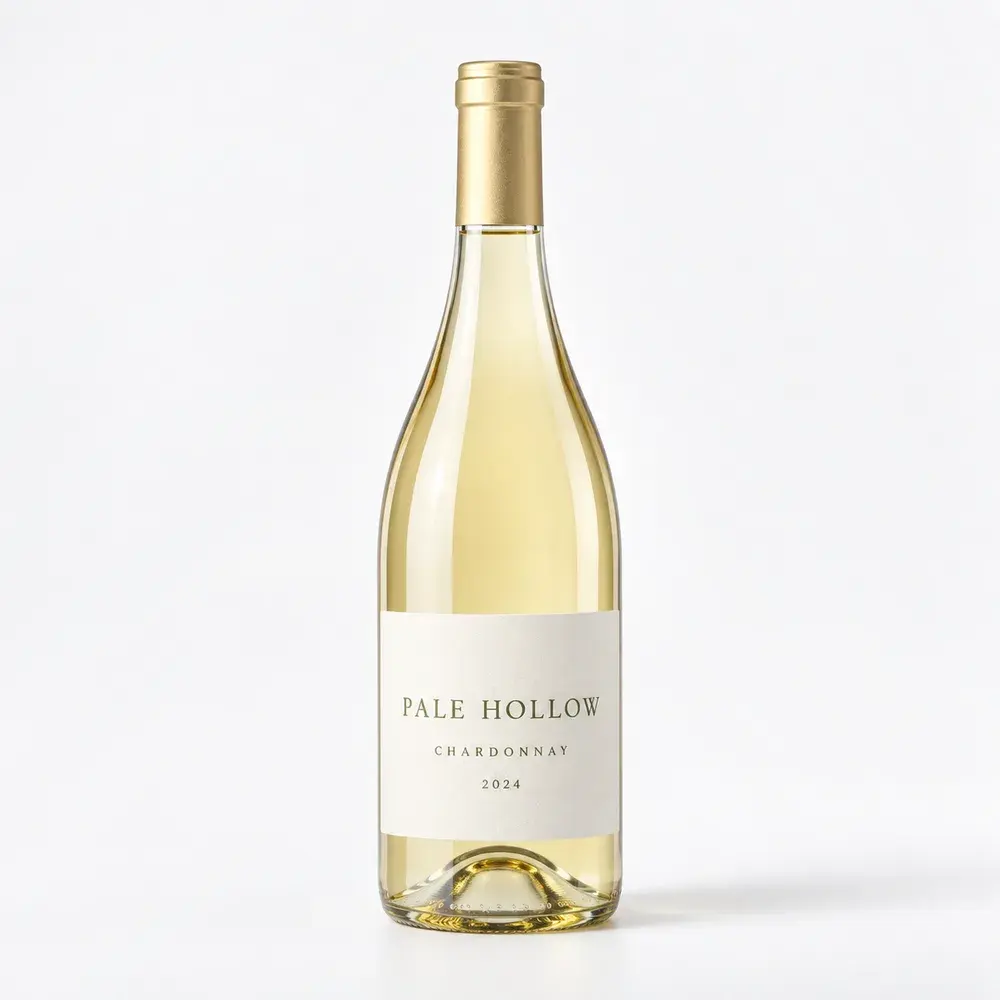
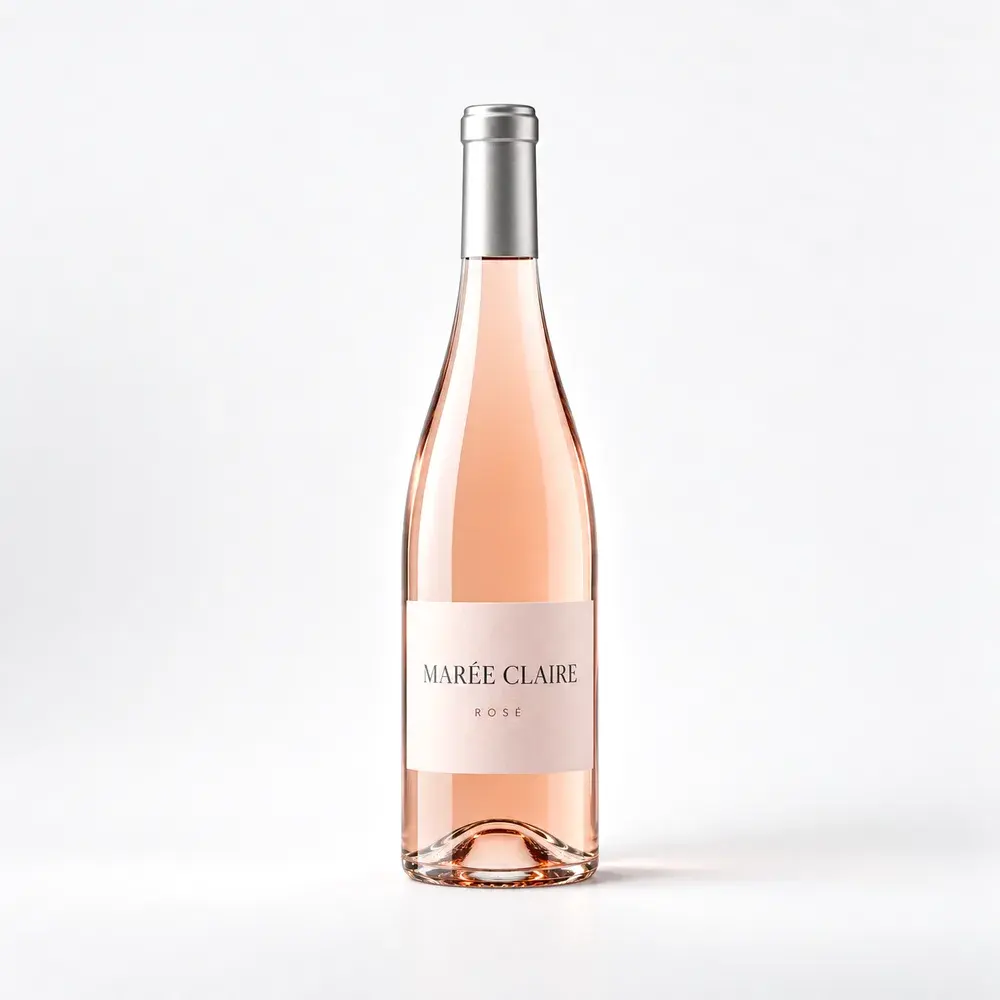
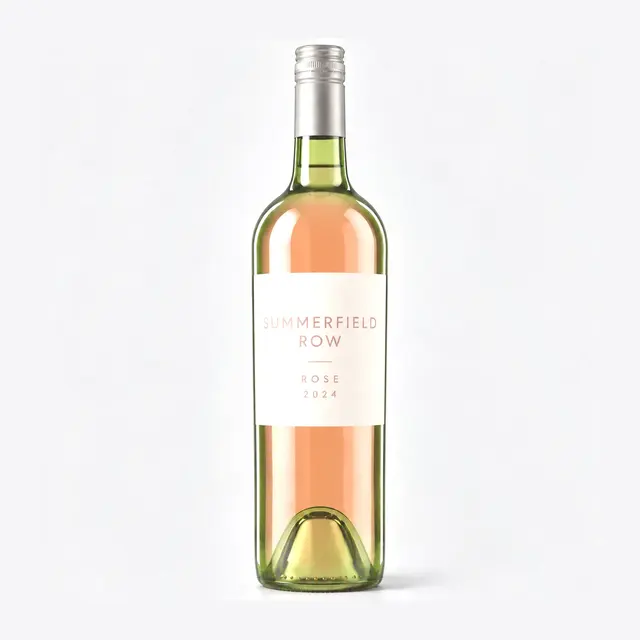
Green glass is the category default for red wine because it slows light-driven degradation, and antique green, dead-leaf green and bright green each carry slightly different associations. Clear (flint) glass is used for rosé and many whites, where seeing the colour is part of the sell — at the cost of less protection.
Glass weight has become a live commercial issue rather than purely an aesthetic one. Several major retailers and importers now set maximum bottle weights as part of their carbon reporting, and a heavy reserve bottle can be rejected by a buyer on that basis alone. If you are selling into European retail, ask your customer for their weight policy before you specify.
Labels, capsules and the bits that are not glass
A wine bottle is rarely just a bottle. The capsule — tin, polylaminate or PVC — has to fit the neck profile and the closure beneath it, and a capsule sized for a cork finish will not sit correctly over a screw cap. Front and back labels have to work on the specific body curvature, which differs between the moulds in this family even though they are all Bordeaux.
The recurring mistake is ordering labels and capsules from the die-lines of a previous bottle. It looks like a safe reuse and it produces labels that wrinkle on the shoulder or capsules that will not shrink down evenly. Get the technical drawing of the mould you have actually chosen to your label printer and your capsule supplier before either goes to plate.
We coordinate capsules and closures alongside the glass rather than treating them as someone else’s problem, because the three only work as a set. If you have existing suppliers for either, send their specifications at brief stage and we will check them against the mould.
Sparkling is a different bottle entirely
It is worth saying plainly, because the request comes up and the answer is not "use a heavier still-wine bottle". Sparkling wine holds several atmospheres of pressure at cellar temperature and more in a warm warehouse. A champagne bottle is a pressure vessel: much thicker walls, a deep punt that is structural rather than decorative, and a specific finish designed to retain a wired cork or a crown cap during secondary fermentation.
None of the moulds in this family will do that job, and using one for a carbonated product is not a cost saving — it is a safety problem. If sparkling or pét-nat is in your plan, say so and we will source against the correct specification rather than adapt a still-wine mould.
The same caution applies at the margins: lightly spritzy wines, wines bottled with residual fermentation, and anything that might referment in bottle. Give us the expected pressure at the highest temperature the bottle will see, and the internal pressure requirement per ISO 7458 becomes a number the factory can quote against.
Working with a wine co-packer
Wine lines run fast and are unforgiving about dimensional variation. Bottle height and diameter tolerances affect conveyor handling, the filling head and the labeller, and a bottle that is within its own specification can still be outside what a particular line expects. The technical drawing is the document that resolves this, and it should go to the co-packer before the order, not with the delivery.
Sample bottles for a line trial are the other half of it. We supply them as a matter of course, because a trial that catches a labelling issue costs a morning and a production run that catches it costs a pallet.
Common questions
Do you have Burgundy or Hock shapes as well as Bordeaux?
The documented moulds in this family are all Bordeaux. Burgundy, Hock and sparkling shapes are sourceable — they are standard formats across the industry — but they are not currently in the catalogue with confirmed drawings. Ask and we will come back with what is available rather than listing shapes we cannot yet document. The guides to Bordeaux wine bottles and Burgundy wine bottles cover how the two shapes differ.
Do you have half bottles, splits or magnums?
Not with confirmed drawings. Every mould documented here is 750ml. The 375ml half bottle, the 187ml split and the 1.5-litre magnum are standard formats and can be sourced, but we would rather confirm what is available for your shape and colour than list sizes we cannot yet back with a drawing.
Can I get a lighter bottle to meet a retailer weight cap?
Tell us the cap in grams that your customer has set and we will confirm which moulds in the family can meet it. Weight is a property of the specific mould, so this is answerable precisely from the drawings rather than in general terms.
Is green glass necessary for white wine?
It gives more light protection, which matters for wines that will sit under retail lighting. Flint shows the colour, which matters more for rosé and for whites sold on appearance. If the wine ships in a closed case and sells through quickly, the protection argument weakens considerably.
What documentation comes with a wine bottle order?
A technical drawing before you commit, and with the lot: annealing verified per ASTM C148, internal pressure per ISO 7458, thermal shock per ISO 7459, and dimensional checks against the approved drawing. Your co-packer will want the drawing in advance.