






Beer glass has to survive two things wine glass does not
Pressure and light. Both are functional requirements rather than preferences, and both are settled by the mould rather than by decoration, which is why beer briefs need to be more technical earlier than most.
Carbonated beer holds internal pressure that rises with temperature — in a warm warehouse, in a container crossing the tropics, in a delivery van in summer. Internal pressure resistance is tested per ISO 7458 and it is the single most important number in the specification. If the beer is pasteurised in the bottle, thermal shock resistance per ISO 7459 matters just as much, because the bottle is taken through a temperature cycle while under pressure.
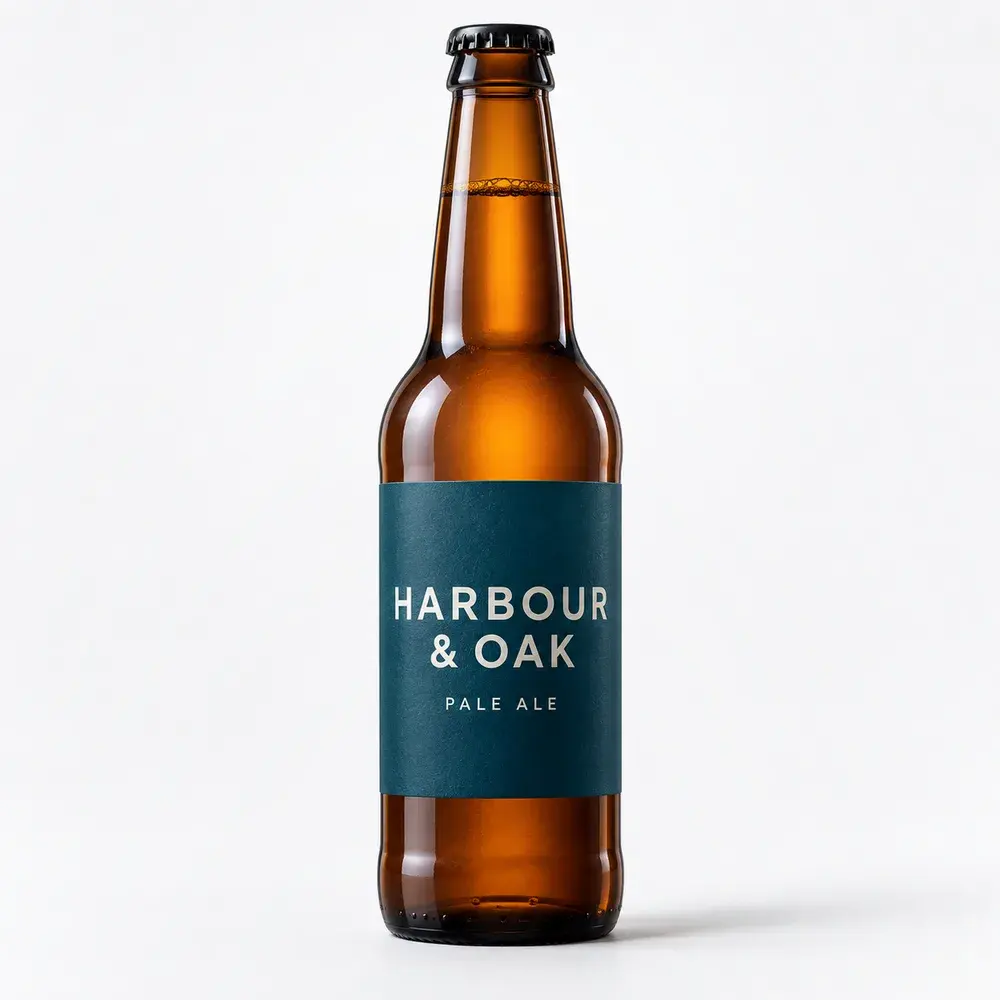
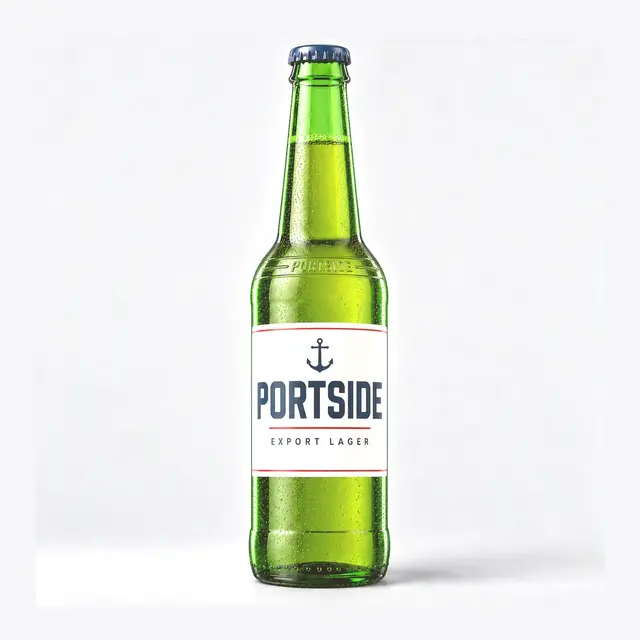
Light is the other one. Hop-derived compounds react photochemically to produce the "skunked" character, and the reaction is fast — minutes of direct sunlight is enough. Amber glass gives the most protection, green materially less, flint least of all. A brand choosing flint or green for shelf reasons is making a real trade, and should at least make it knowingly.
The formats in this family
Eleven moulds across three body types and three glass colours, all built around crown-cap and twist-off finishes.
Longnecks
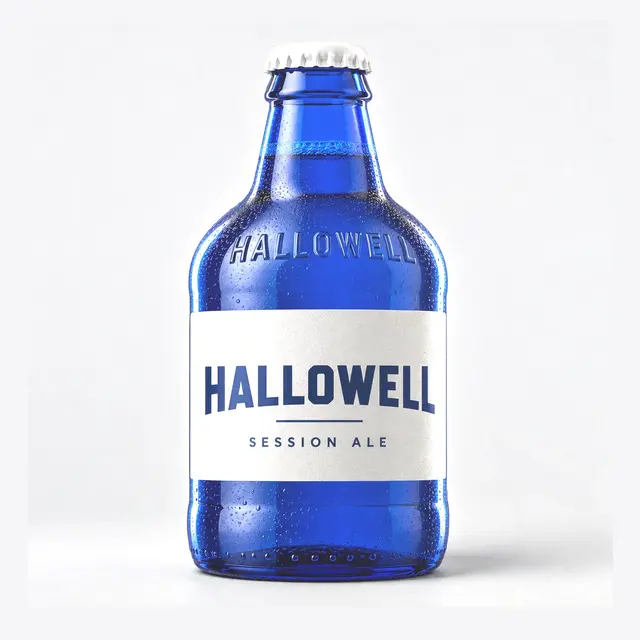
The dominant international format. A long tapered neck over a straight body, efficient on high-speed lines, familiar to every distributor and bar. Available here in green, amber and cobalt blue.
Steinies, stubbies and short necks
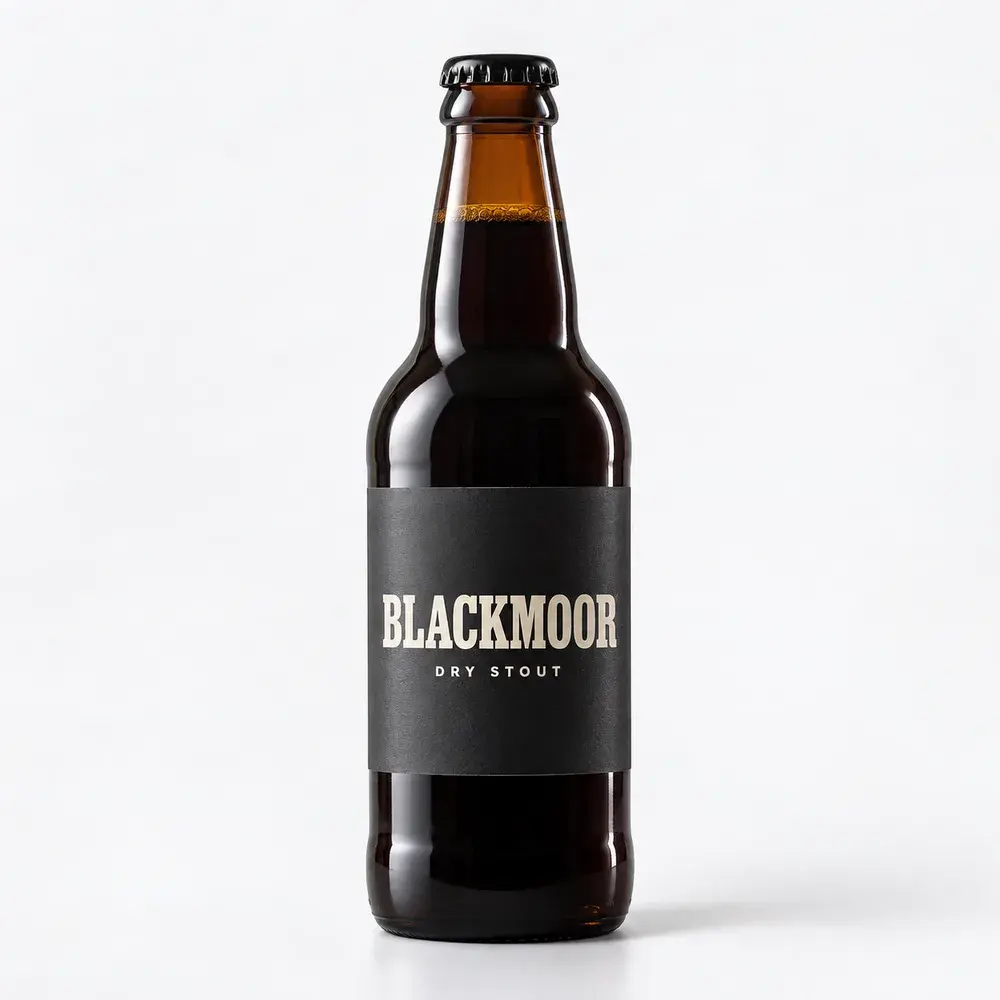
Squat bodies with a short neck. A craft and heritage read, better hand-feel, and a shorter case height that can improve pallet efficiency. Amber steinies with twist-off finishes are the common configuration.
Cobalt blue
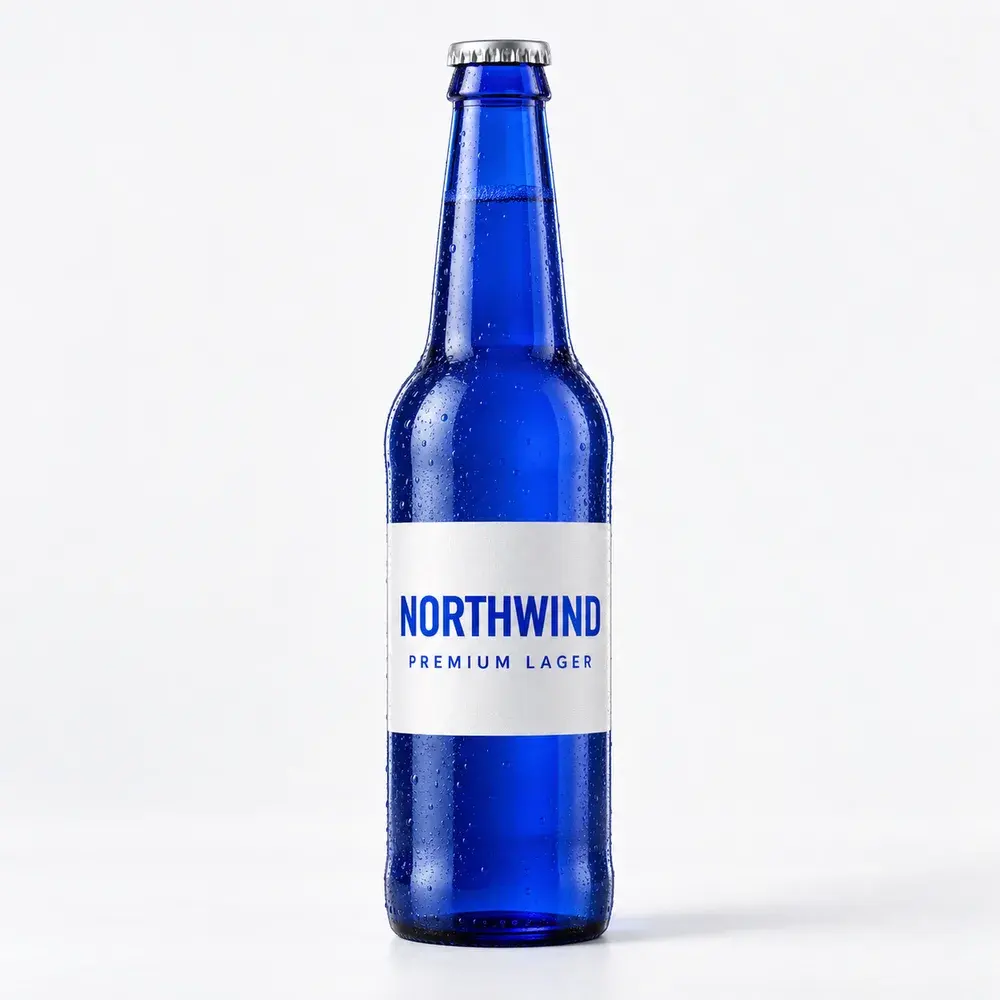
A strong shelf differentiator with genuine niche demand, particularly in wheat beers and in some export markets. Worth being clear-eyed that blue gives less light protection than amber — it is a visual decision.
Embossed moulds
Shoulder lettering, bee motifs, moulded marks. Permanent brand identity that survives when the label gets wet in an ice bucket, and the one decoration route a competitor cannot replicate with a print run.
Crown cap or twist-off
Crown caps need an opener, seal reliably, hold pressure well and are the default for craft and for export. Twist-off finishes are more convenient for the drinker and standard in some markets, but they require a different finish geometry and a slightly different filling and capping setup.
The decision is a mould decision: a crown finish and a twist-off finish are not the same neck. Confirm which one your co-packer or brewery is equipped for before selecting, because the answer is usually already fixed by the equipment they own.
Case, pallet and the cost of getting glass across an ocean
Beer is the category where freight economics bite hardest, because the glass is a large fraction of the shipped weight and the product is sold at volume on thin margins. Two levers move the number, and neither is the glass price per bottle.
The first is bottle height. A shorter bottle at the same capacity — a steinie rather than a longneck — means a shorter case, and shorter cases mean more layers per pallet within the same container height. Over a full container that compounds into a meaningful difference in cost per bottle landed.
The second is glass weight. Lightweighting is standard practice across the industry and is not a compromise when it is done properly: strength comes from wall thickness distribution and a correct annealing profile rather than from total mass. What it does require is that the lighter bottle still passes its ISO 7458 internal pressure test at your carbonation level, which is a question for the specific mould rather than a general claim.
Ask for the loading plan alongside the quotation. It is specific to your bottle, your case design and your container type, and it is the number that actually decides whether a programme works.
What happens to the glass on a filling line
Beer lines run bottles shoulder to shoulder at speed, and the glass spends the whole journey in contact with other glass and with stainless steel. Without a surface treatment that produces visible scuffing — a whitish ring around the contact point — within one pass, and scuffed bottles look old on shelf even when the beer is fresh.
Factories address this with hot-end and cold-end coatings applied during forming: a thin layer that hardens the surface and one that lubricates it so bottles slide past each other instead of abrading. These are standard on beverage glass and not something you normally have to ask for, but they are worth confirming on the specification, particularly if the bottles will be run more than once or held in a returnable pool.
The related question is line lubrication at your co-packer. Conveyor lubricant chemistry interacts with the cold-end coating, and a mismatch shows up as bottles gripping or toppling rather than sliding. It is a five-minute conversation before the first run and a lost morning after it.
Returnable and refillable programmes
Refillable bottle systems are standard in parts of Europe and Latin America and are growing elsewhere on the back of packaging regulation. A refillable bottle is a different specification: heavier glass, a scuff-resistant surface treatment, and a design that survives repeated washing and handling. It is not a standard one-way bottle used more than once.
If a refillable pool is part of your plan — or might be, under your market’s packaging rules — say so at brief stage. It changes which moulds are appropriate and it changes the cost model entirely, since the glass is amortised over many trips rather than one.
Common questions
Which glass colour should a new craft brand choose?
Amber if the beer is hop-forward, sold in clear packaging, or likely to sit under retail lighting. Green or flint if the visual is central to the brand and the route to market is short and mostly in closed cases. Being deliberate about it is what matters; the default of choosing on aesthetics alone is how brands end up with a light-struck complaint they cannot explain.
Can I emboss my logo into the bottle?
Yes, and it is one of the better investments in this category — embossing survives wet labels and ice buckets and cannot be copied with a print run. It works into the mould, so it has to be agreed before tooling and it carries a mould modification cost. Send the artwork early.
What pressure rating do I need?
It depends on your carbonation level and on the temperatures the bottle will see in distribution, so it is a question for your brewer and your co-packer rather than a catalogue figure. Bring their requirement to us and we will confirm it against the mould’s ISO 7458 test record rather than assert a number.
Do you have 330ml, 500ml or 12 oz bottles?
Capacity is confirmed per mould on the technical drawing rather than listed here, because the brim-full figure belongs to the specific tooling. Tell us the fill you are planning — 330ml and 500ml are the usual European and Asian sizes, 12 oz (355ml) the North American one — and we will confirm which moulds carry it. Swing-top bottles and growlers need different finishes and are not documented in this family; say so if they are in your plan.
Do you supply crowns and cases as well?
Yes, coordinated with the glass. Crown dimensions and the finish have to match, and case and divider design should be specified for the actual bottle rather than carried over — beer bottles under pressure fail differently from still-liquid bottles when a case is dropped.