

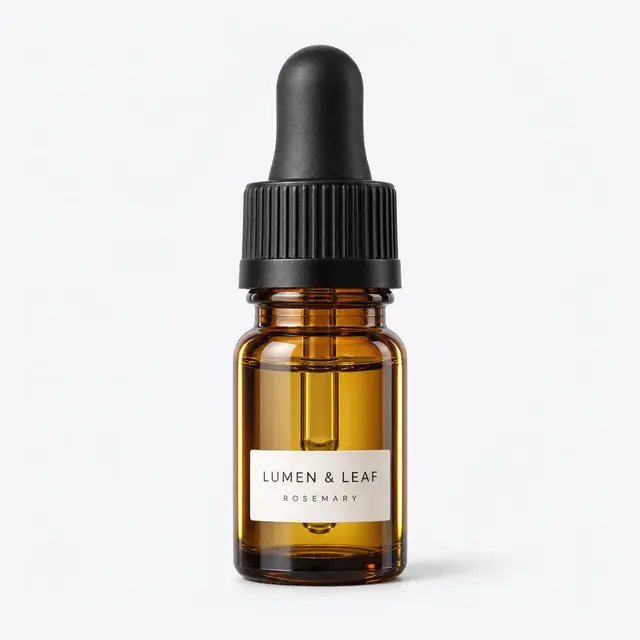


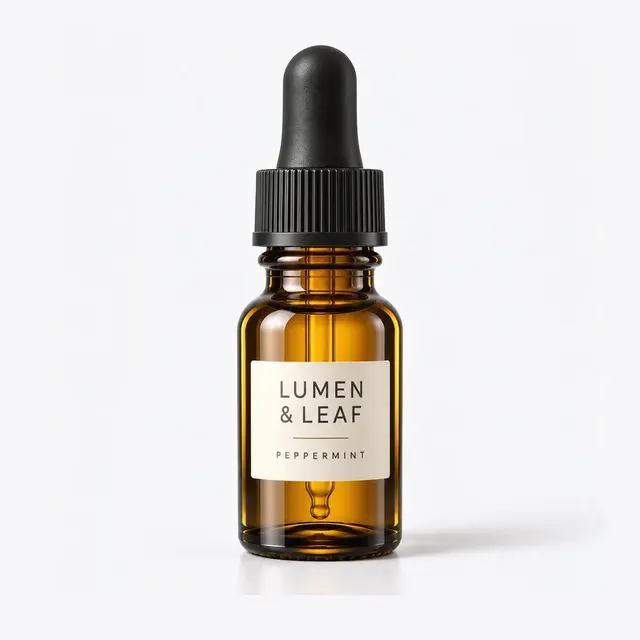


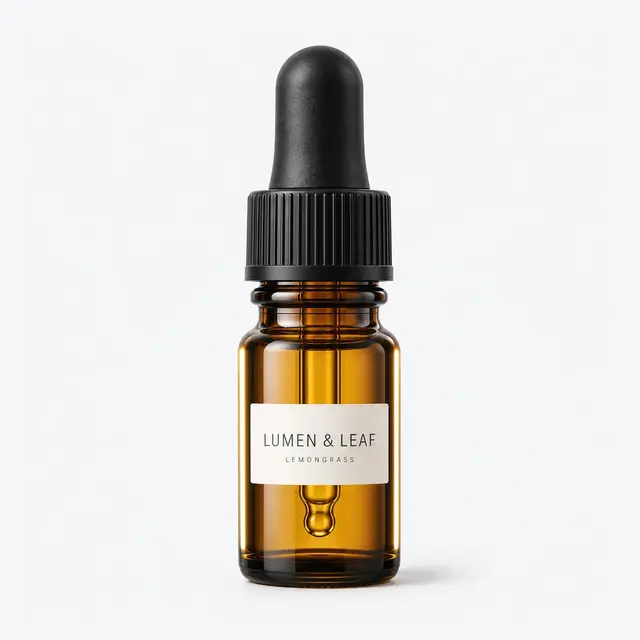


Small containers, different rules
Almost everything in this family holds 100ml or less, and that changes the engineering. These containers are not pressurised, so internal pressure testing does not apply to them the way it does to beer and spirits. What does apply is dimensional precision at the neck, because the bottle is only half a package — the other half is a dropper, a pump or a spray, and the two have to mate exactly.
That is the single biggest source of sourcing failure in cosmetics: glass and closure bought separately, each correct against its own drawing, that do not seal or do not sit flush. The fix is unglamorous and reliable — settle the closure supplier before the glass is confirmed, and get physical samples of both in one room before committing to a production quantity.
The second difference is that cosmetic buyers almost never want one bottle. They want a family: matched sizes, one closure specification, one glass colour, one label system. Specifying that family upfront costs nothing and prevents the visible mismatch that comes from adding a size from a different mould a year later.
Which dispensing system, and what it demands
The dispensing choice usually comes from the formulation, and it constrains the glass more than buyers expect.
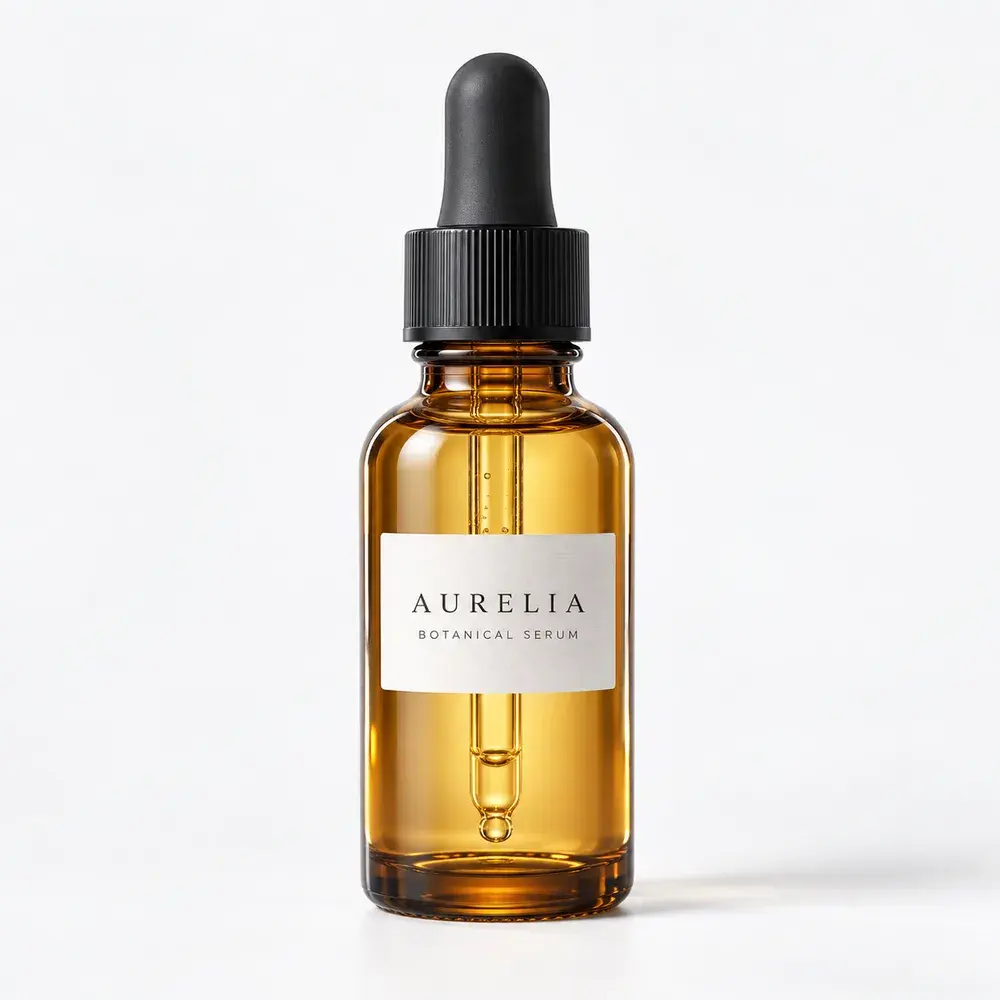
Droppers
For oils, serums and tinctures where dose control matters. Needs a continuous-thread neck matched to the bulb assembly, and a pipette long enough to reach the bottom of the largest size in the family. See the dropper bottles page for the full selection logic, and the essential oil bottles guide if the fill is an essential oil.
Pumps and treatment pumps
For lotion bottles and other emulsions. Heavier closures that need a stable base and a neck that can take the torque of a crimped or screwed fitment. Dip-tube length has to match the bottle height.
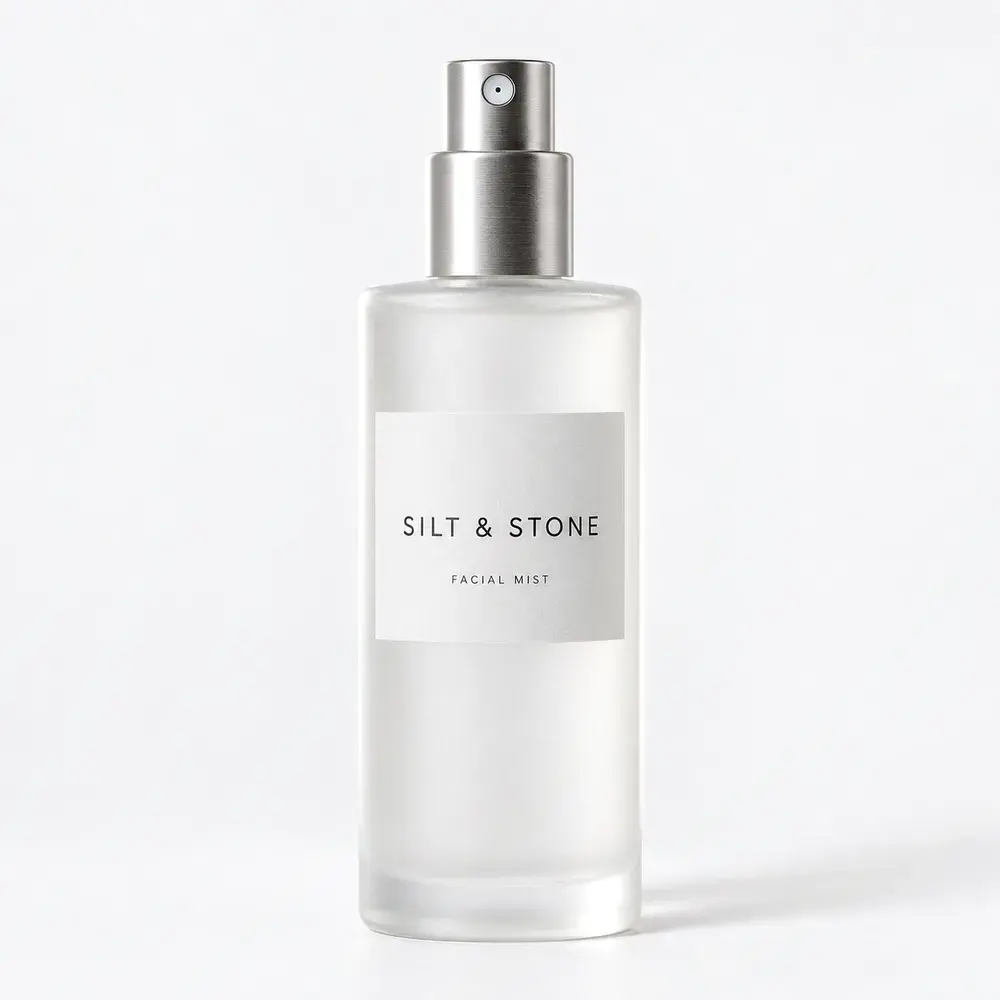
Fine-mist sprays and atomisers
For toners, facial mists and perfume. The spray mechanism and the neck are a matched pair, and the output pattern is a property of the pump rather than the glass — test it with the actual formulation, since viscosity changes the spray.
Plain screw caps
For refills, samples and anything decanted rather than dispensed. The cheapest route and the most flexible in cap materials and finishes.
Glass colour is a formulation decision
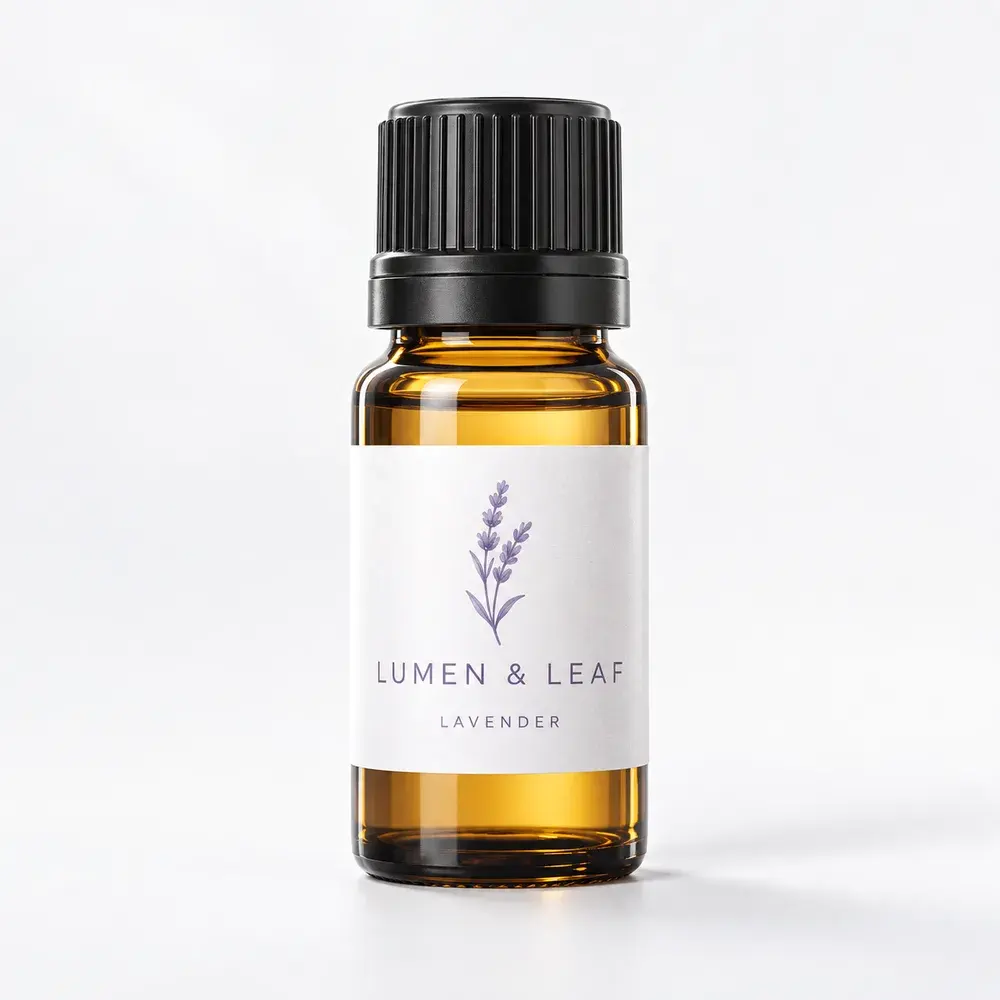
Amber is the category default for anything with essential oils, retinoids, vitamin C or other light-sensitive actives, because photo-degradation changes both the efficacy and the aroma. Cobalt blue and green are chosen mainly as brand cues and give materially less protection than amber. Flint shows the product, which suits a coloured serum or a visibly layered formulation and offers the least protection of all.
The trade-off is worth making explicitly with whoever formulated the product rather than in the design review. Where a brand wants flint for visual reasons and the formulation needs protection, secondary packaging — a carton — resolves it completely and is cheaper than either compromise.
Decorating containers this small
Label area on a 10ml cylinder is narrow, and anything wrapping a tight radius distorts. Screen printing directly onto the glass usually outperforms applied labels at these sizes: no edges to lift, no wrinkling on the curve, and a cleaner look at a scale where a label edge is a large proportion of what the customer sees.
Ink choice is constrained by the glass colour. Dark inks disappear into amber and cobalt; white, metallic and opaque inks are the working palette. Approve the artwork on the actual glass colour rather than on a white proof — this is the most common reprint in the category.
Frosting and spray coating are both available here and both photograph well for e-commerce. Coating is the route when a specific brand colour is required, since etch produces a translucent white in the glass’s own tint rather than taking colour.
Glass weight, breakage and the shipping problem nobody costs
Cosmetic glass is small, which makes it feel low-risk, and then the first direct-to-consumer shipment arrives broken. Small bottles are not inherently fragile, but they travel differently from a case of wine: single units in light mailers, handled by parcel networks rather than pallet freight, dropped from waist height onto concrete rather than nudged on a conveyor.
Two things reduce it. The first is base geometry — a thick, slightly recessed base absorbs a vertical drop far better than a thin flat one, and it is a property of the mould rather than of the packing. The second is the secondary pack, which for direct-to-consumer has to be designed for a drop test rather than for shelf appeal. If e-commerce is your main channel, say so at brief stage: it changes which moulds are sensible.
The weight question cuts the other way from spirits. Here heavier glass is usually a deliberate premium cue — a weighted base on a 30ml serum bottle is doing the same work as a heavy base on an XO bottle — but it also multiplies parcel shipping cost across thousands of individual orders rather than across one container. Worth modelling on your actual channel mix before defaulting to the heavier option.
Documentation for cosmetic markets
Cosmetic packaging sold into the EU falls under Regulation (EC) No 1223/2009, and importers are routinely asked to evidence the suitability of primary packaging as part of the product information file. Requirements differ by destination market and change, so rather than publish a claim here, we confirm per project what documentation the factory can supply for the market you are shipping to.
On the glass itself, annealing is verified per ASTM C148 and dimensional checks run against the approved drawing. Ask for both with the quotation.
Common questions
Do you supply droppers, pumps and sprays?
Yes, coordinated with the glass rather than left as a separate purchase. If you already have a closure supplier, send their specification at brief stage and we will confirm fit against the mould before you order.
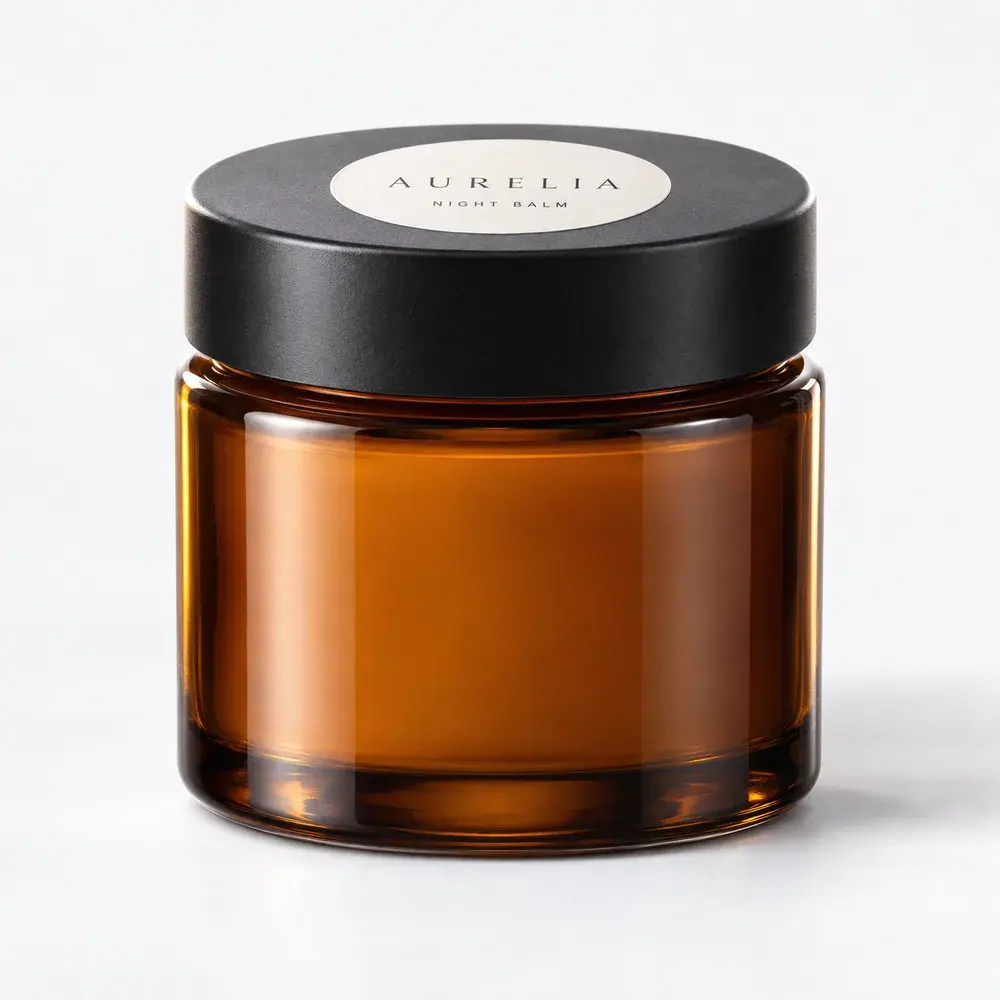
Do you have cream jars or cosmetic jars?
Not in this family yet. The documented moulds are bottles and vials; jars for creams and balms are a different mould family with their own closure and liner questions. If jars are in your range plan, say so at brief stage and we will come back with what can be documented rather than list shapes we cannot yet back with a drawing.
Can I mix glass colours across one product family?
Usually, subject to the factory running those colours on the line holding the mould. Colour campaigns are scheduled rather than continuous, so different colours in one family can have different availability windows. Raise it early if your launch date is fixed.
Is glass worth it over plastic for a small container?
For oil-based and actives-led formulations, usually yes — glass is inert, does not interact with essential oils the way some plastics do, and carries the quality cue the category expects. For travel formats, shower products and anything where breakage is a real risk, plastic is the honest answer and we will say so.
What sizes should a new skincare range launch with?
Most ranges settle on a small trial or sample size, a core retail size and sometimes a larger value format. The specific ladder depends on your price architecture; the argument for specifying the whole family from one mould series at the start holds regardless of which sizes you pick.