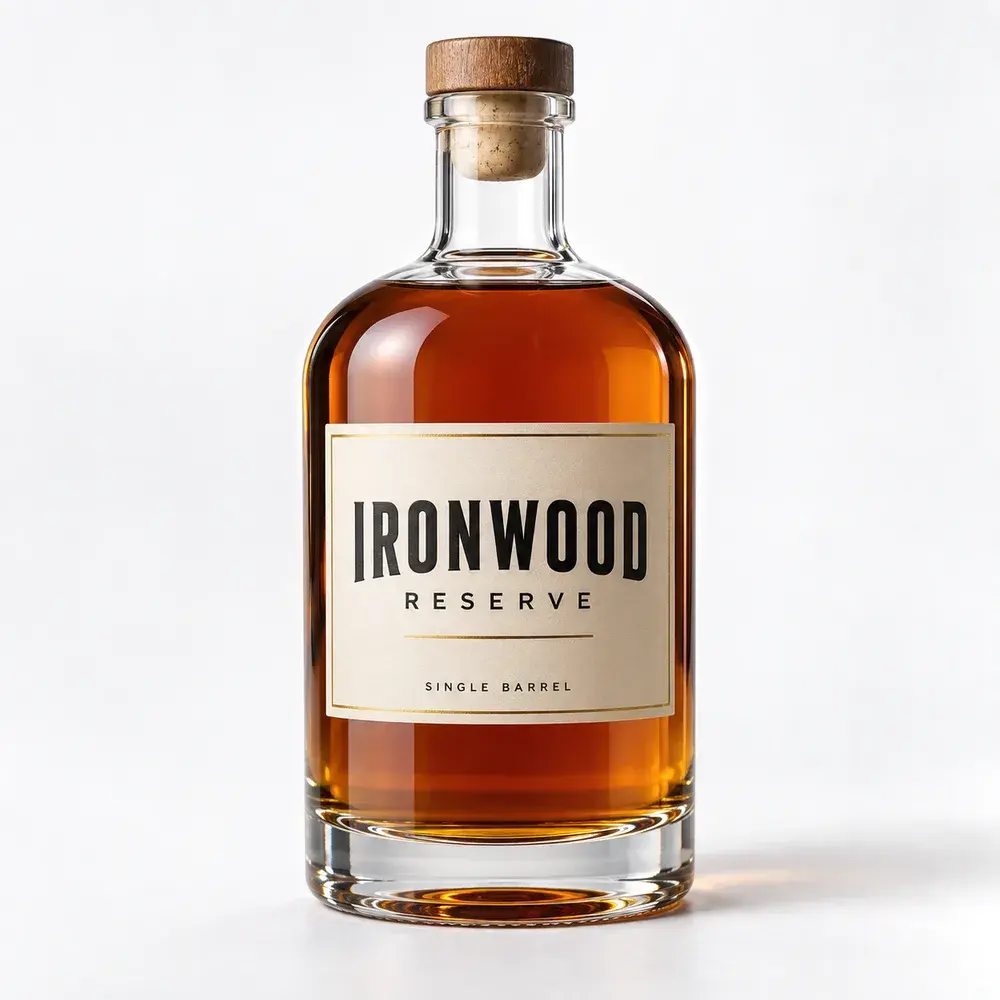
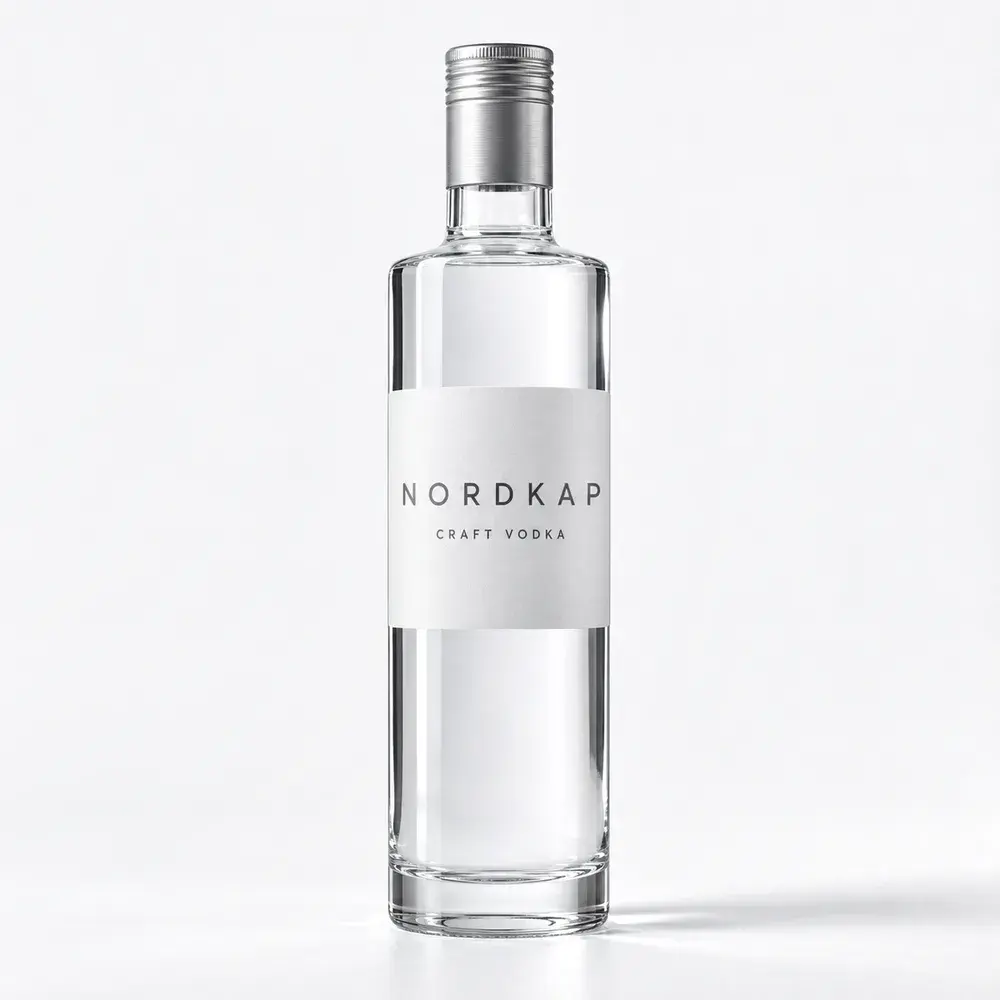
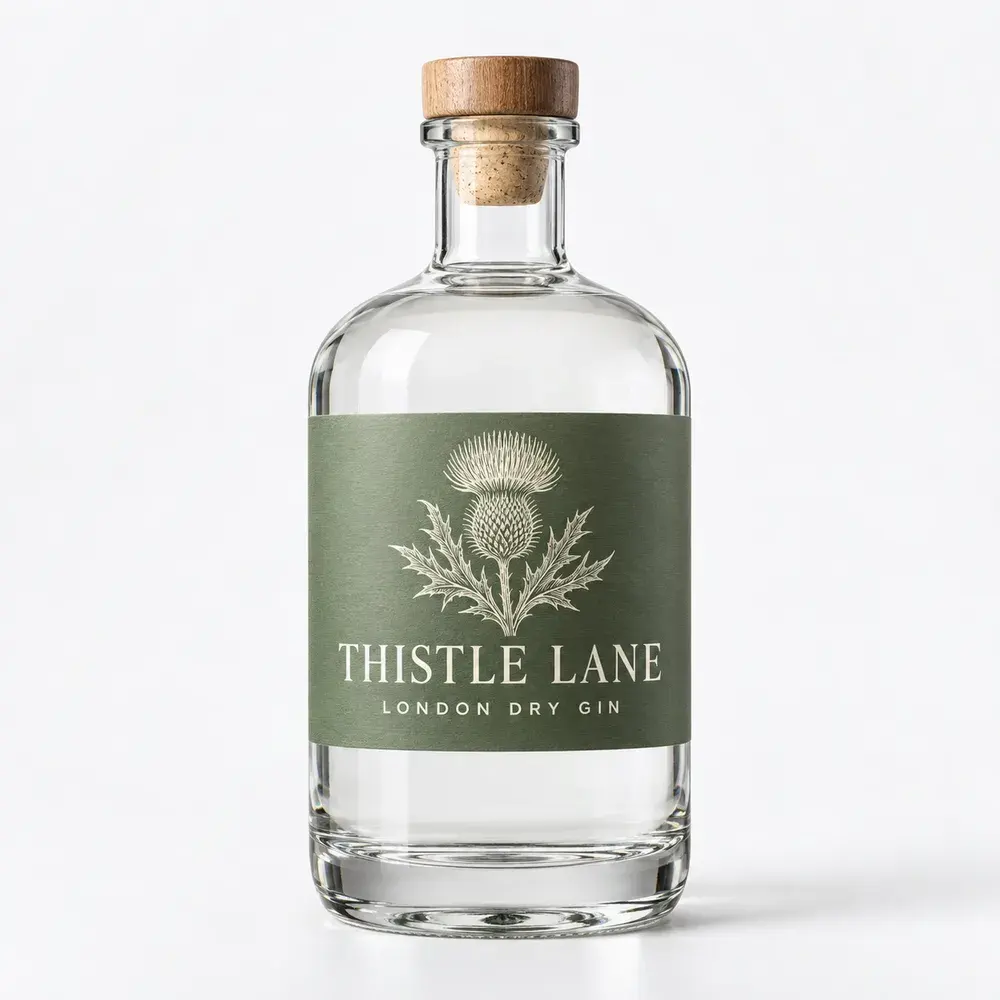
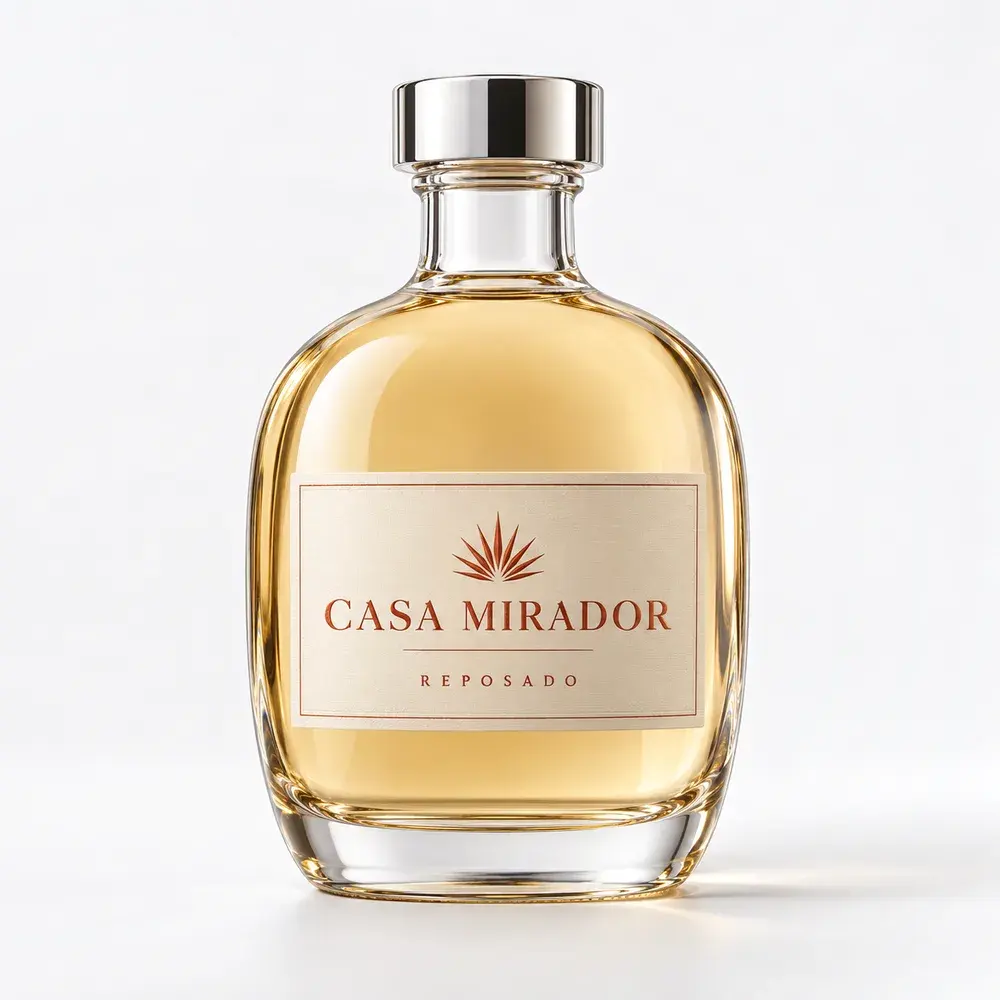




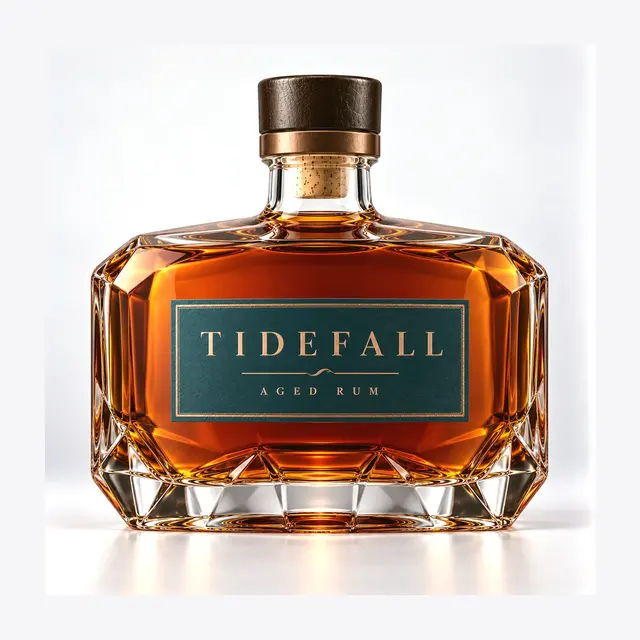


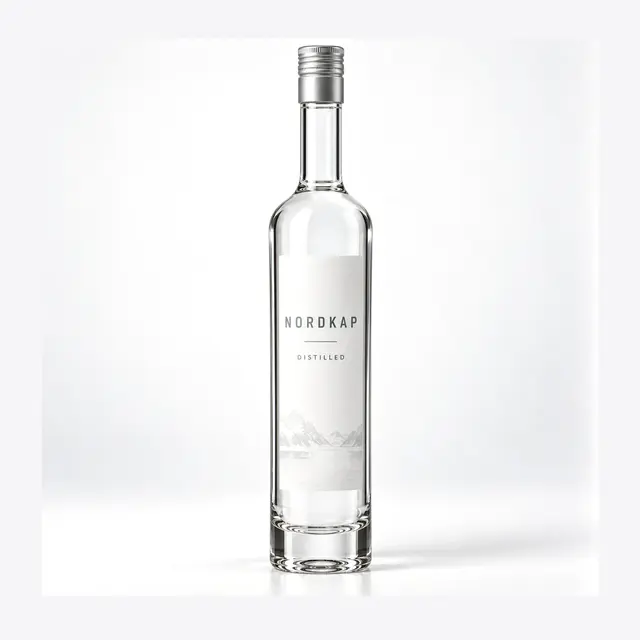


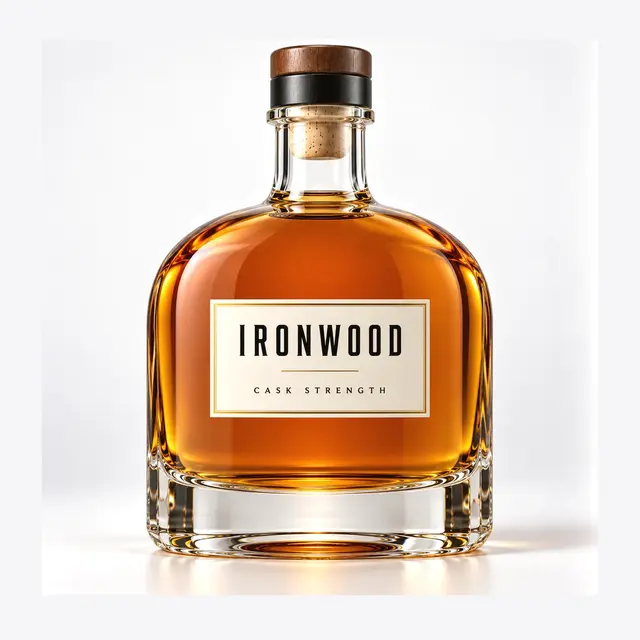
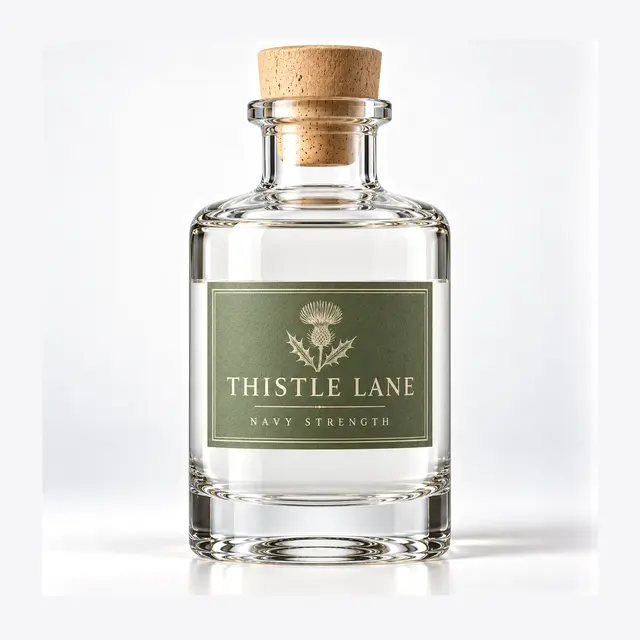






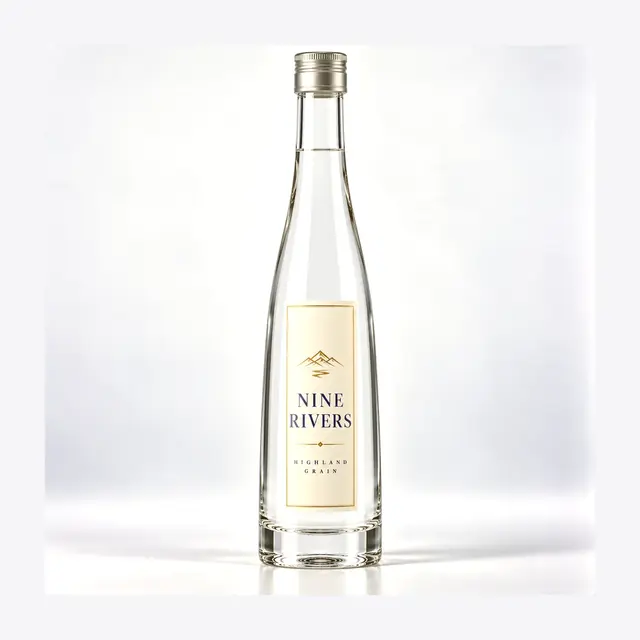

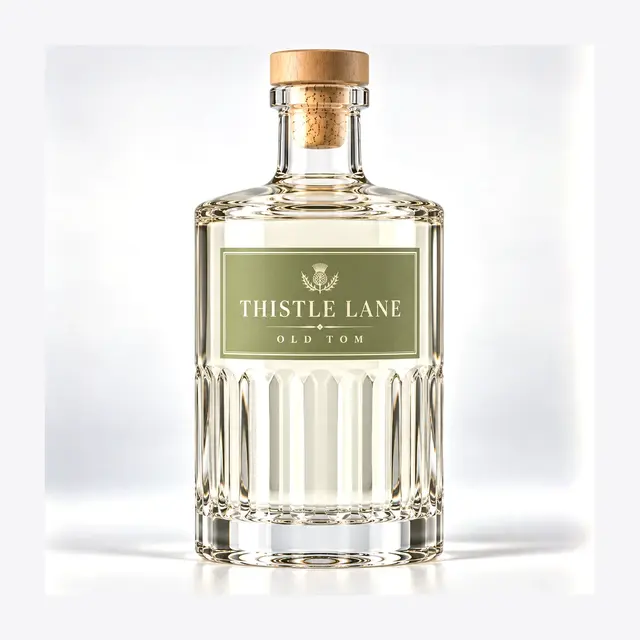

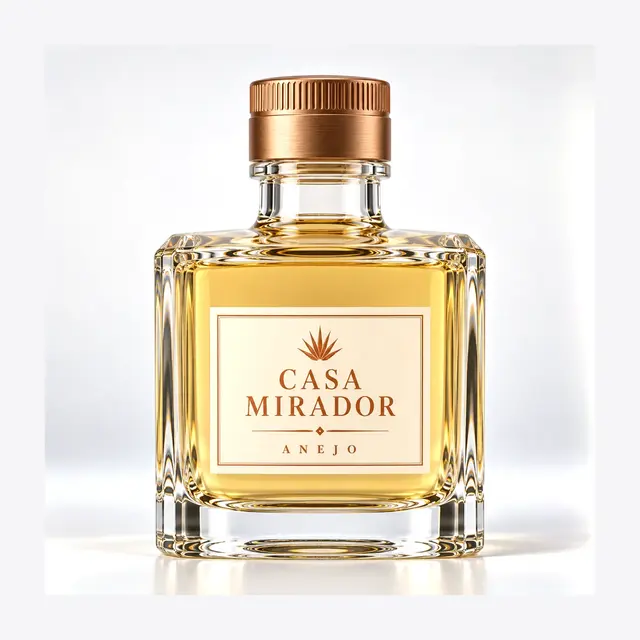




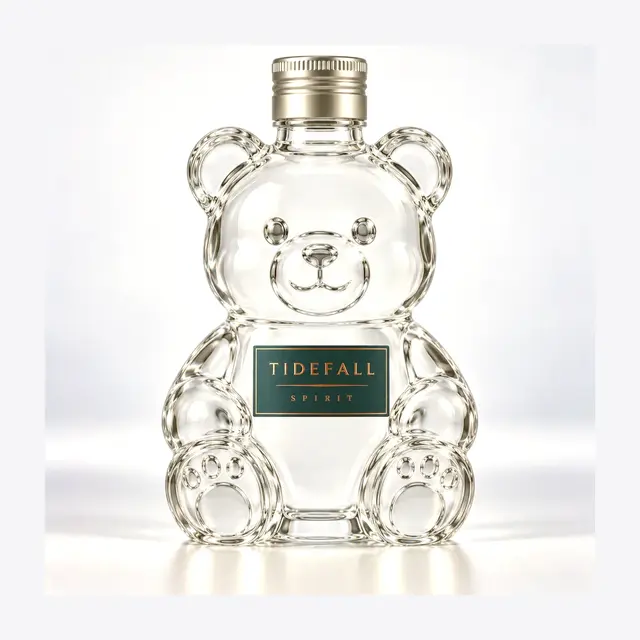
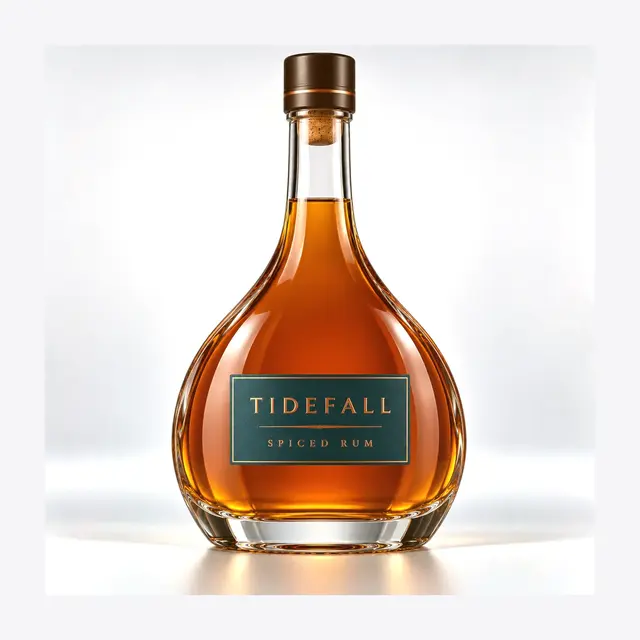
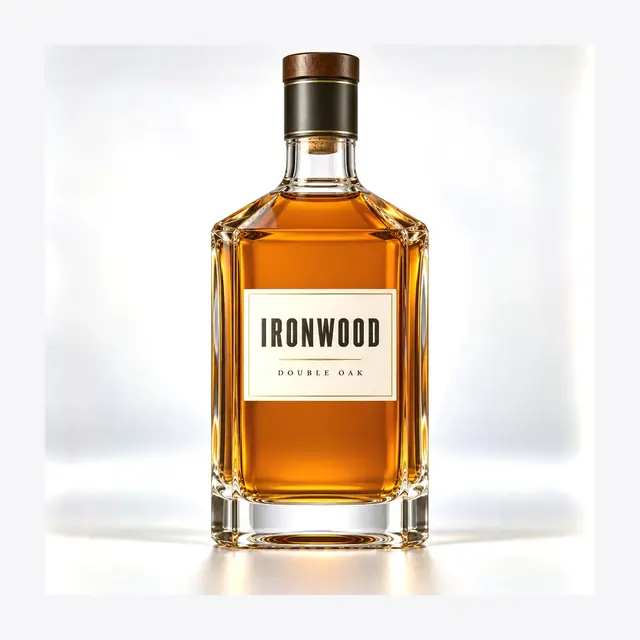
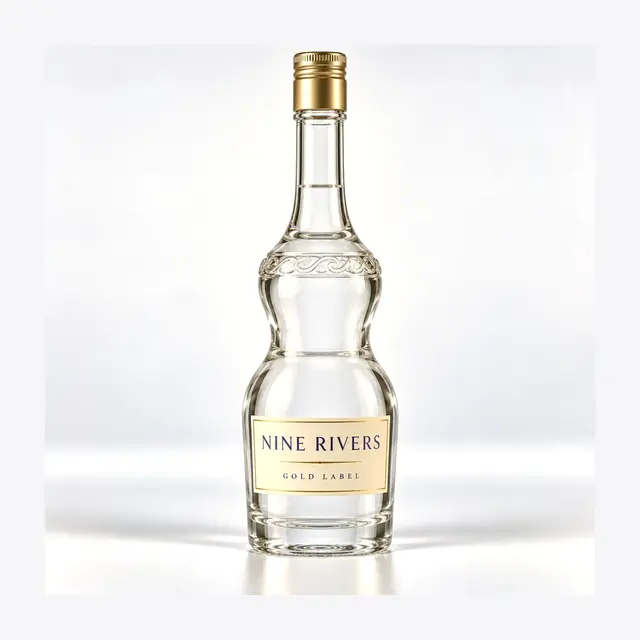
How to narrow 75 moulds down to three
This is the largest family in the catalogue, and browsing it end to end is the slowest way to use it. Four questions cut it down faster than scrolling does: what is the spirit, what price tier is it selling into, what closure has the filling line already committed to, and is the bottle going into a gift box.
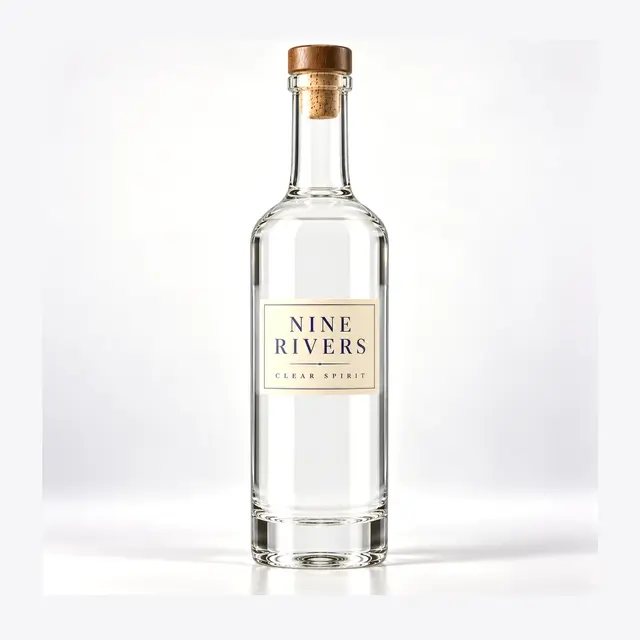
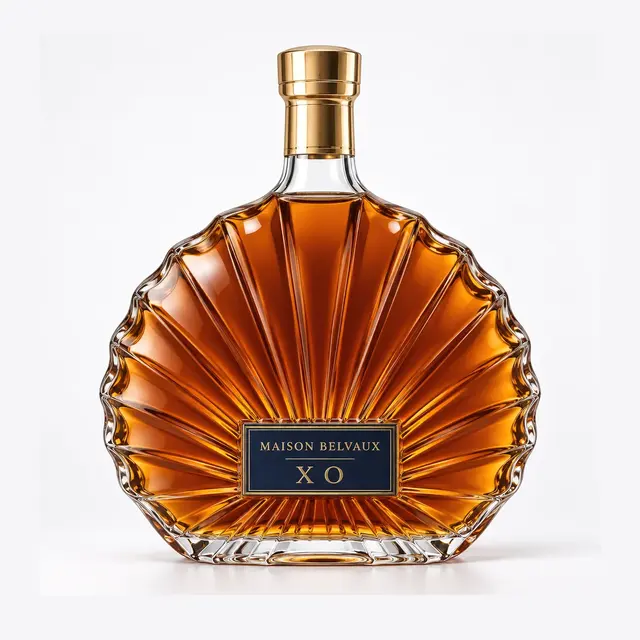
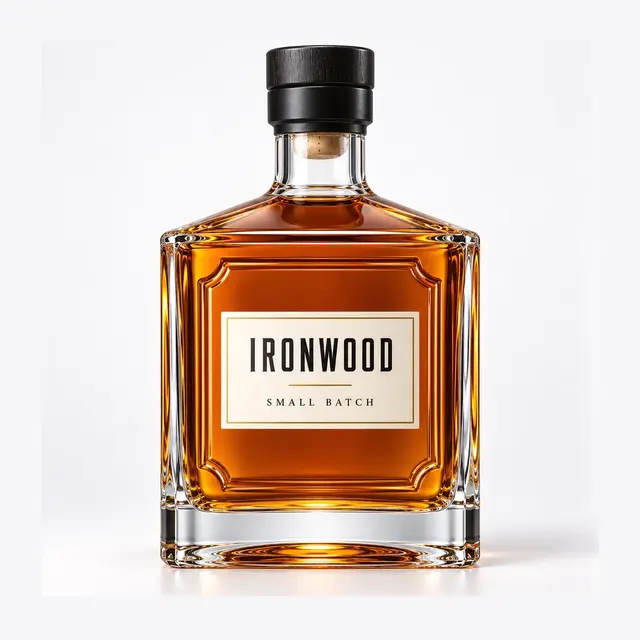
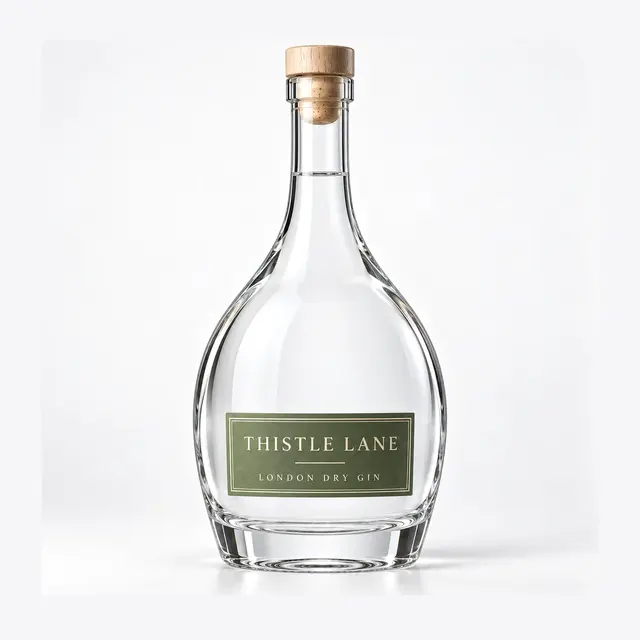
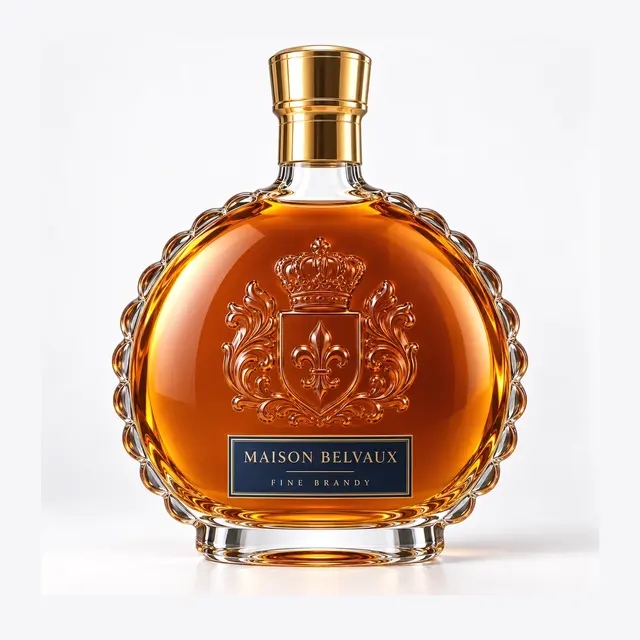
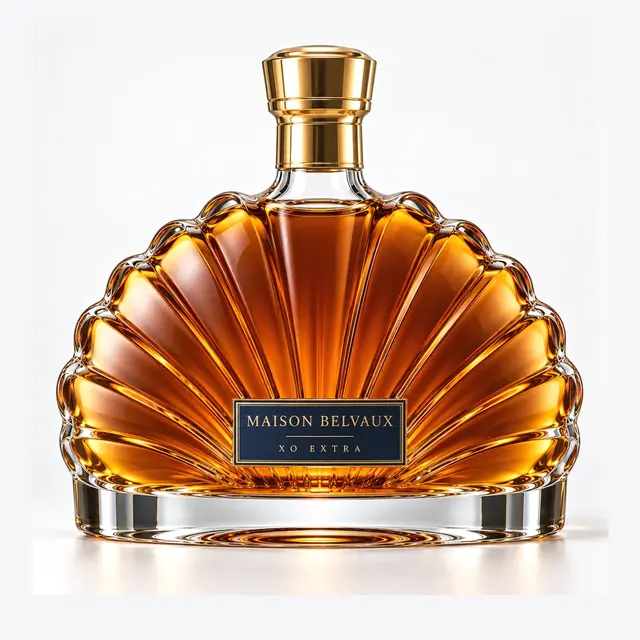
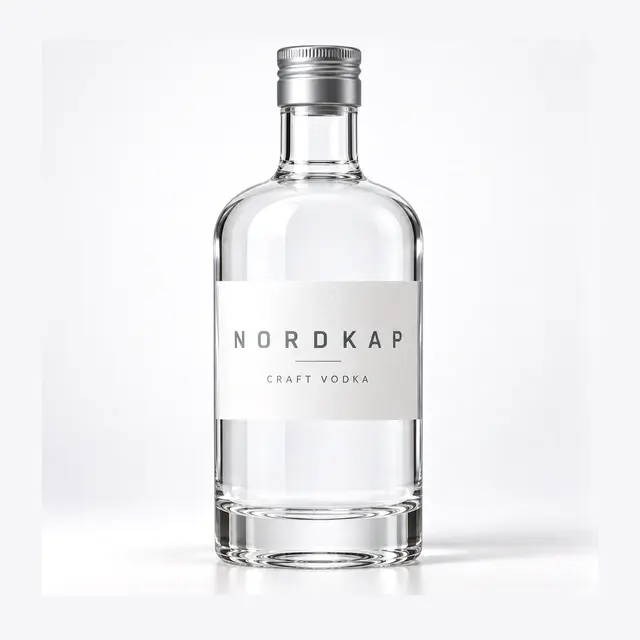
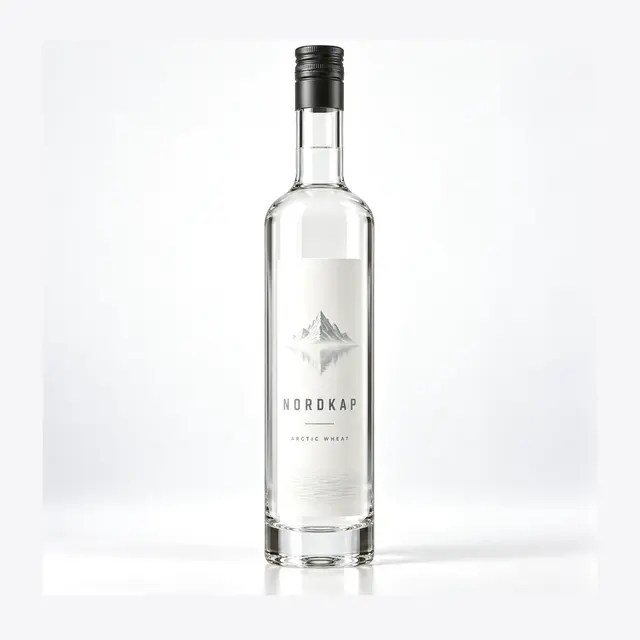
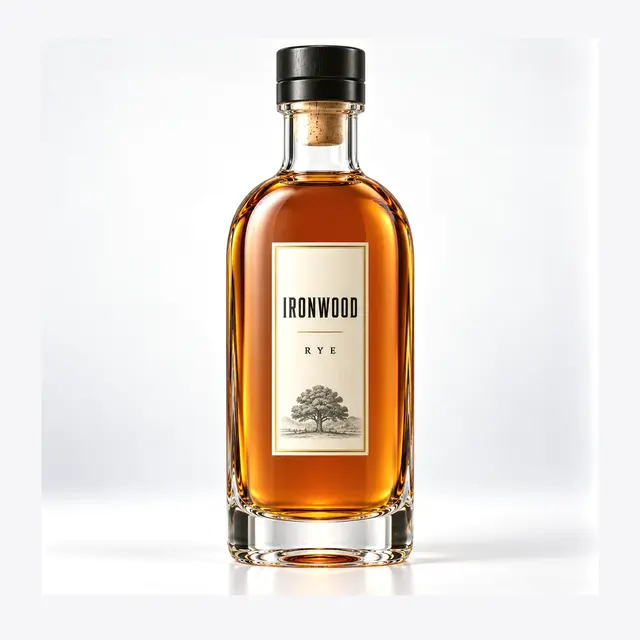
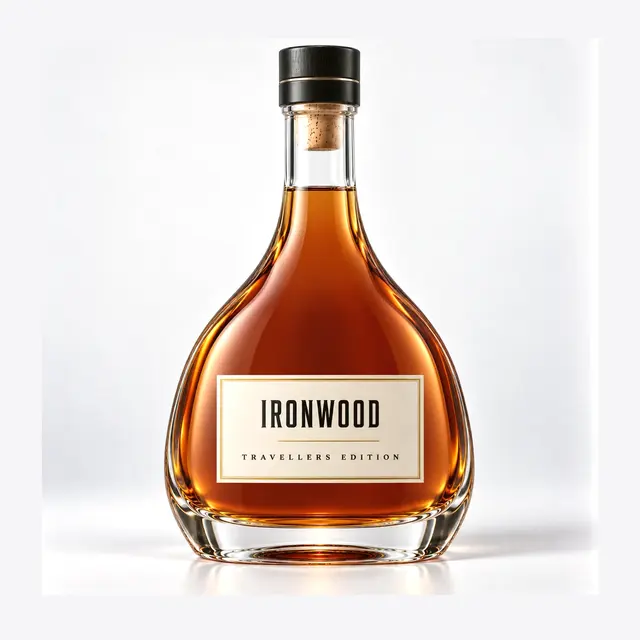
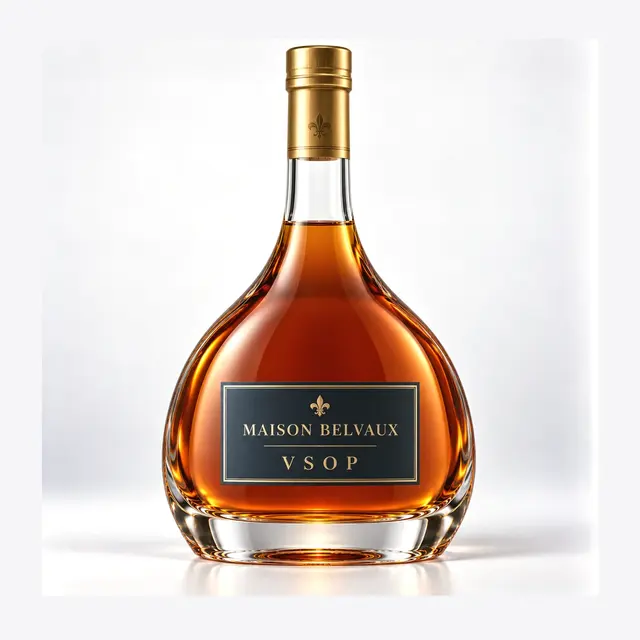
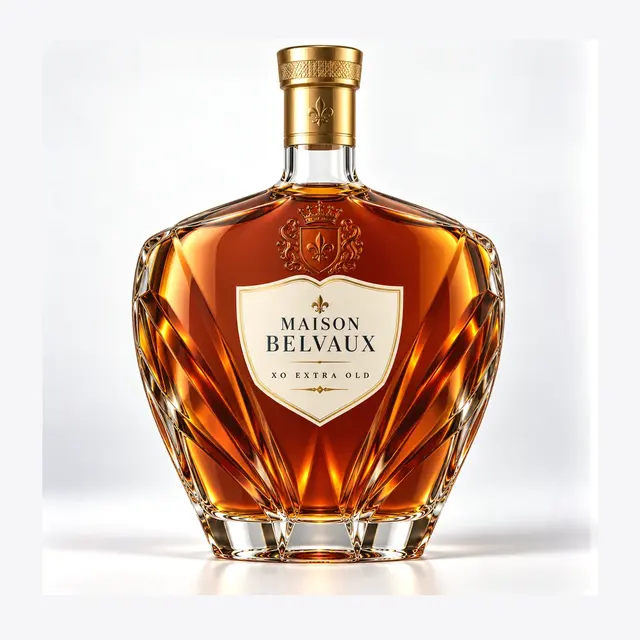
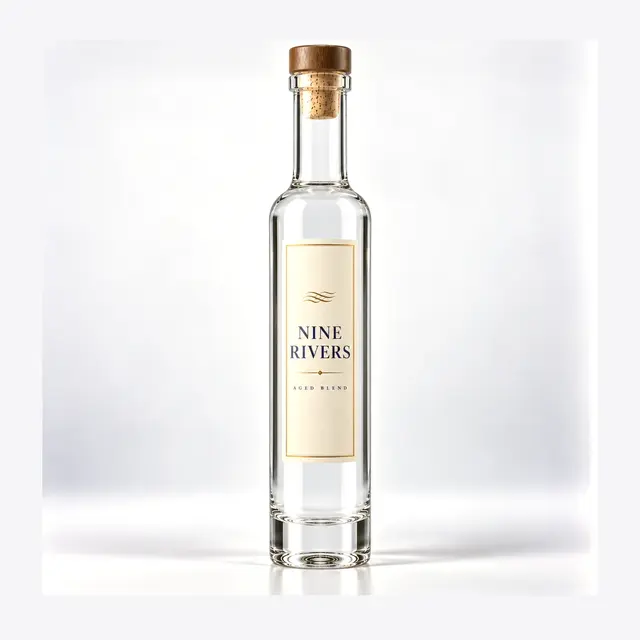
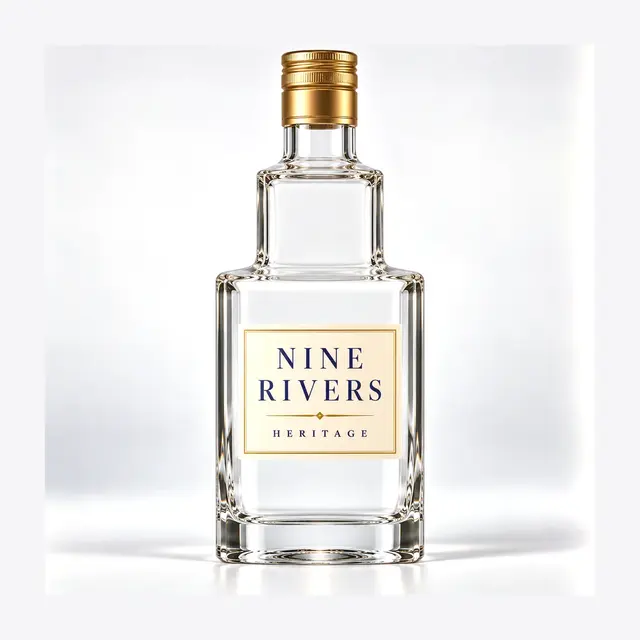
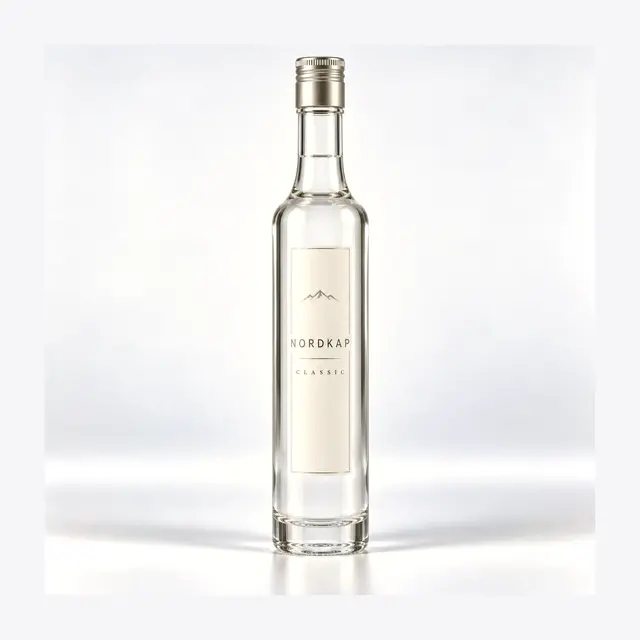
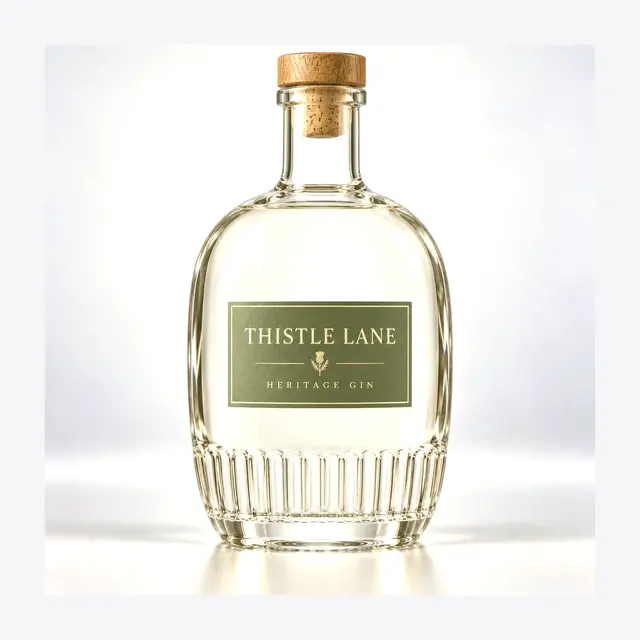
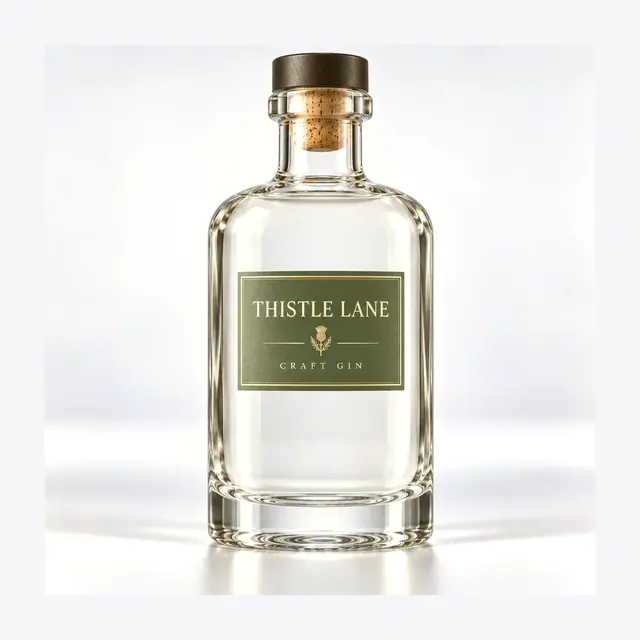
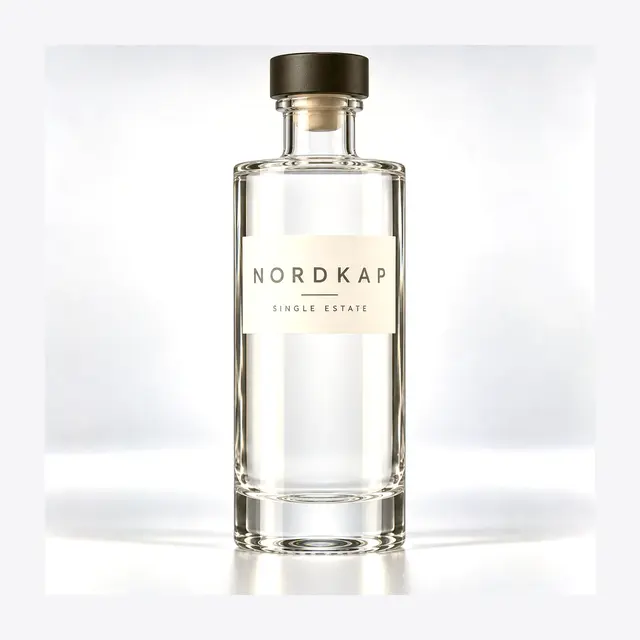
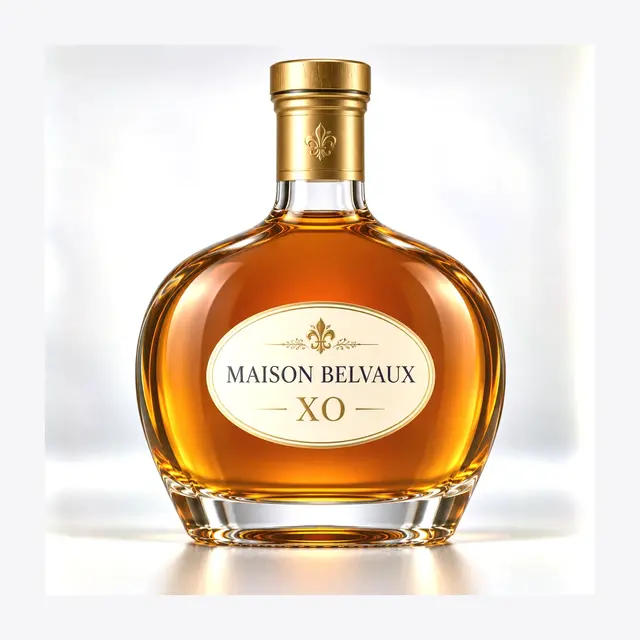
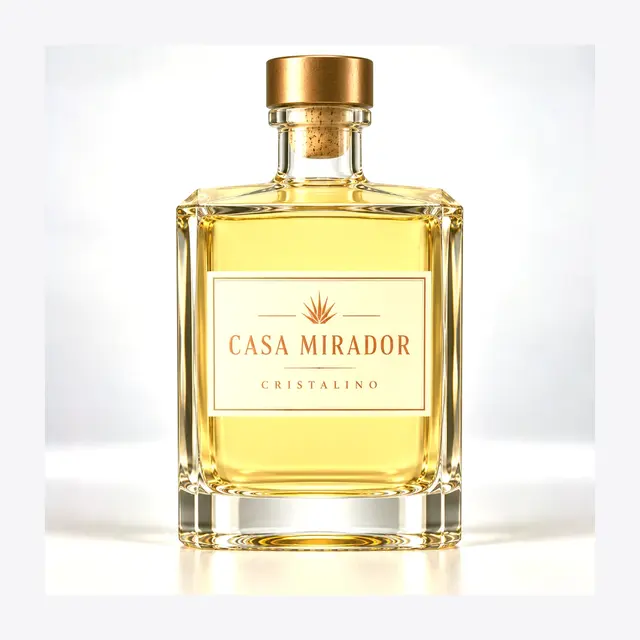
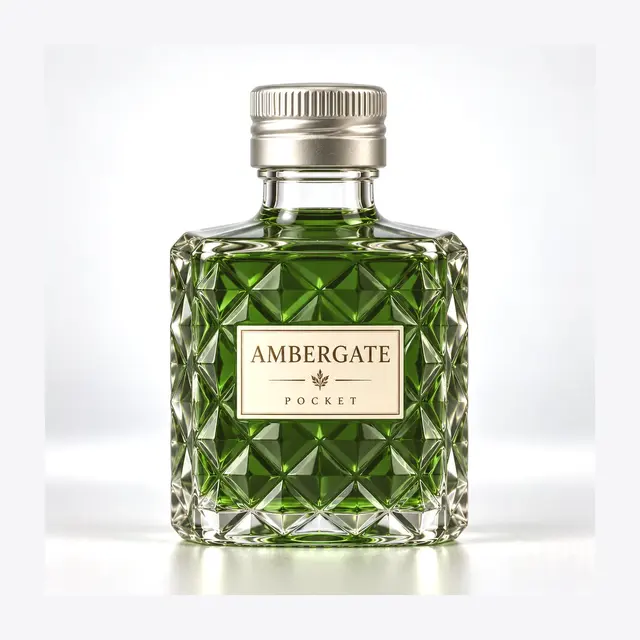
The spirit narrows the silhouette. Whiskey and bourbon cluster around heavy-base rectangles and flat flasks; vodka and gin around tall squares and clean cylinders; brandy and XO around relief moulding and decanter profiles. The application pages below are the same catalogue sliced along exactly those lines, with the selection logic for each written out.
The price tier sets the glass weight, and glass weight is the single largest cost lever in the whole specification — larger than decoration for most programmes, because it drives both the glass price and the freight. It is worth deciding honestly rather than defaulting to the heaviest option the budget tolerates.
Whiskey & bourbon
Heavy-base rectangles, flat flasks and screw-finish rounds, with the weight-versus-freight trade-off written out in full.
Vodka & gin
Flint clarity as a specification rather than a preference, plus the tall squares, cylinders and bar-top rounds the white-spirits category has settled on.
Brandy, cognac & XO
Relief moulding, decanter silhouettes and the coffret economics that decide most presentation-tier briefs.
Flat & flask formats
Where the shallow profile pays for itself in box depth and pallet positions, and what it asks of your co-packer’s line.
Frosted finishes
Acid etch versus sprayed matte — two different things that both get called frosted, with different costs and different failure modes.
Rum, tequila and miniatures
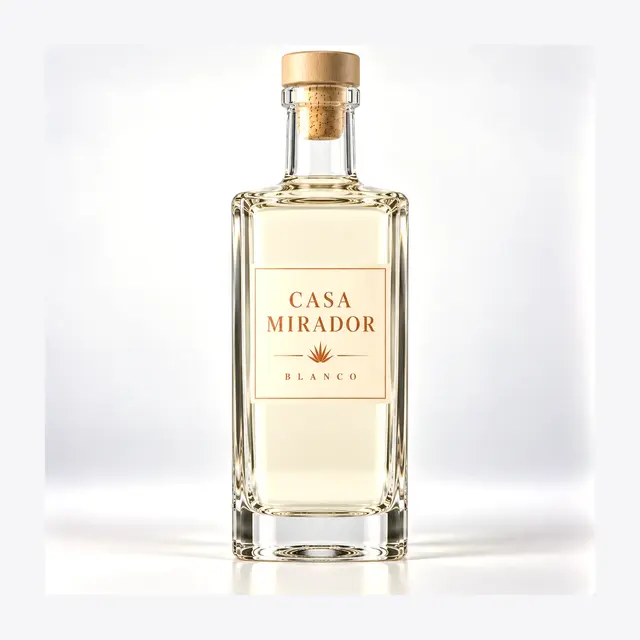
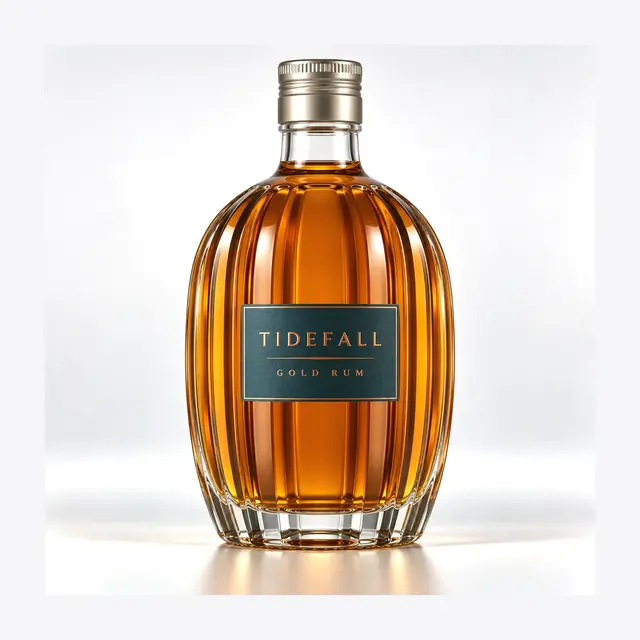
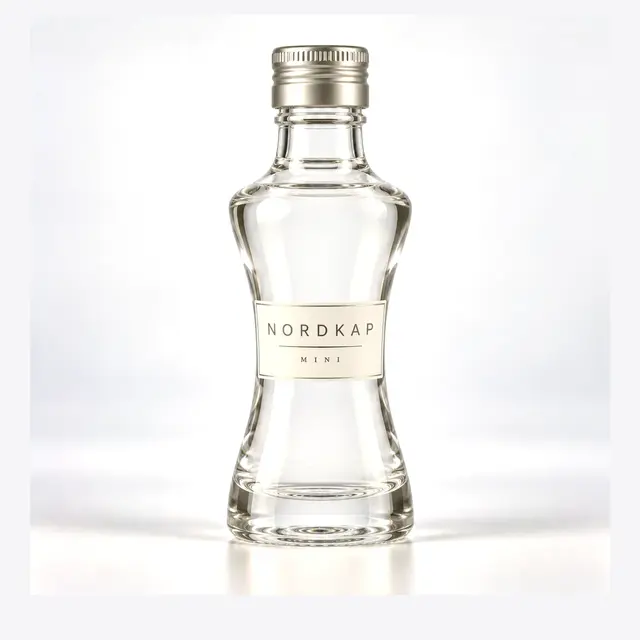
Smaller groups without a page of their own. Tequila and mezcal lean on sharp-shouldered squares (see tequila bottles); rum sits comfortably in the fluted and faceted flasks; and the 50ml and 250ml formats cover sampling, minibar and travel retail (see mini liquor bottles).
Shared moulds and what exclusivity actually costs
Almost everything in this family is a shared mould: the tooling already exists, it runs on a scheduled campaign, and several brands use the same silhouette with different decoration. That is what makes the minimums reachable for a launch or a private-label programme.
A bespoke mould buys you a silhouette nobody else can have. It also buys a tooling cost, a longer development cycle and a higher minimum, and it commits you to that shape for the life of the tool. It is the right call when the bottle itself is the brand asset — when you expect people to recognise the shape across a dark bar. It is the wrong call when what you actually need is a distinctive label on a good bottle.
The middle path is where most programmes land: a shared mould plus embossing, screen printing, coating and a distinctive closure. Together those make a bottle that is unmistakably one brand’s without bespoke tooling. If exclusivity within a market or a channel matters, say so at brief stage — it is sometimes arrangeable on a shared mould, and it is never arrangeable retroactively.
Compliance and the fill size question
Spirits fill sizes are regulated, and the regulations differ by destination. 750ml is the US standard; 700ml is standard across the EU and UK. Several moulds in this range run both, which is worth knowing before you build a launch plan around a single figure.
Smaller formats have their own rules and their own commercial logic — 50ml and 250ml drive trial, travel retail and event sampling. If a small format is anywhere in your roadmap, specify it alongside the flagship so the glass colour, the decoration and the closure match across the family. Sourcing it separately a year later is how portfolios end up visibly mismatched.
We do not publish capacity compliance tables, because they go out of date and because the authoritative answer depends on your importer of record. What we do is confirm the brim-full capacity of the specific mould on the technical drawing, so you and your importer are working from a real number rather than a catalogue approximation.
What actually goes wrong when importing spirits glass
Most problems on a first container are not glass problems. They are timing, documentation and fit problems, and all three are avoidable if they are raised at brief stage rather than discovered at the port.
Timing is the commonest. Buyers plan backwards from a launch date and leave out sample approval, which is the step with the most iterations in it. A drawing is approved quickly; a physical sample that has to be shipped, reviewed, trialled on a filling line and possibly revised is a longer loop. Build the launch plan around sample approval rather than around production.
Fit is the second. A bottle, a closure and a carton each bought correctly from three suppliers that do not work together is the classic failure, and it is almost always discovered after everything has been paid for. Coordinating them through one point of contact is not a convenience — it is what makes the three specifications get checked against each other.
Documentation is the third, and it is specific to spirits. Glass itself is straightforward to import, but your customs broker and your bottler will want the inspection records, and some destination markets ask for food-contact declarations for the primary container. Tell us the destination at brief stage and the paperwork is assembled with the shipment rather than chased after it.
What ships with a quotation
A technical drawing confirming capacity, neck finish, weight and critical dimensions. Sample bottles for a line trial before production is committed. And on delivery, the inspection documentation for the lot: annealing verified per ASTM C148, internal pressure resistance per ISO 7458, thermal shock resistance per ISO 7459, plus dimensional checks against the approved drawing.
Minimum quantities and lead times move with the mould, the decoration route and current line scheduling, so they are quoted per project rather than published. Any supplier who gives you a single MOQ figure for a catalogue this size is quoting a number they have not checked.
Common questions
Can you supply closures and secondary packaging too?
Yes, coordinated alongside the glass. The common failure in spirits sourcing is a bottle, a closure and a gift box each bought correctly from three suppliers that do not fit together. Tell us at brief stage what is in scope.
How do I compare two moulds that look the same online?
Request the technical drawings and mock your label die-line onto both. Two bottles at the same capacity can differ enough in shoulder height and panel width that one fits your artwork and the other fights it — a difference that is invisible in a catalogue photograph and obvious on a drawing.
Do you work with brands that have not sourced from China before?
Most of our enquiries are from first-time importers. The parts people underestimate are incoterms, the documentation their customs broker will ask for, and the lead time between sample approval and a container on the water. We plan around those explicitly rather than leaving them to be discovered.
What happens if a production lot does not match the approved sample?
That is what the drawing and the inspection record are for — they make the comparison objective rather than a matter of opinion. Raise it with us with the lot number and the inspection documentation, and it is handled with the factory as a specification deviation.