Filed under empty liquor bottles; the moulds we quote for this are pictured at the foot of the page.
Buying tequila bottles wholesale means reconciling two demands: the category expects the most custom-looking glass in spirits, and NOM-006-SCFI requires a set of declarations to be legible on the package. The standard certifies the liquid and the producer, not the bottle, but it dictates how much flat label area you need and where embossing may go. Most brands meet both demands by starting on a stock or modified-stock mould with layered decoration, and by fixing the label panel and the bottle size for the destination market, 750 ml for the US and 700 ml under EU rules, before any artwork is drawn.
What NOM-006 requires of the bottle design
NOM-006-SCFI is the official Mexican standard that defines what may be sold as tequila. The package has to show, legibly:
- the NOM number of the certified distillery;
- the identity of the CRT-authorized producer;
- category, either 100% agave or mixto;
- class: blanco, reposado, añejo or extra añejo;
- net content and ABV.
For the glass, that translates into three decisions at the drawing stage. Reserve a label panel that is flat or only gently curved and big enough for the mandatory text at a readable size. Keep embossing and decoration out of the zones that text occupies. Confirm the fill size for the market: 750 ml in the US under TTB standards of fill, 700 ml where EU rules apply. Adding compliance artwork later to a curved, embossed bottle is painful.
Brands that bottle in Mexico under CRT oversight should confirm their bottling registration early. CRT rules are restrictive about exporting tequila in bulk to be bottled abroad, and exporters on that route face additional requirements.
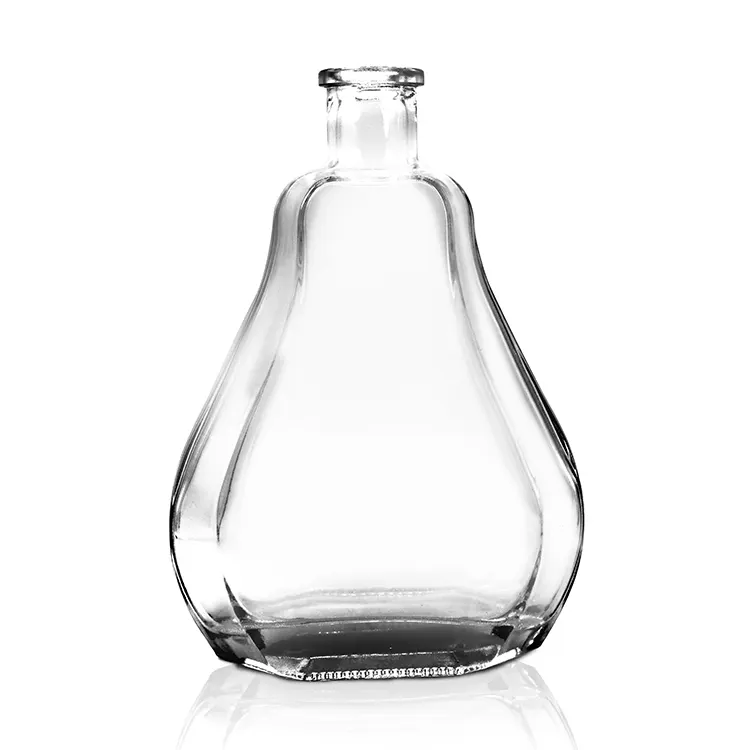
Glass weight by tier
| Build | Typical use |
|---|---|
| Standard flint, 550–700 g | Blanco, mixto, value tiers |
| Heavy-base premium, 800–950 g | Reposado, añejo, premium blanco |
| Custom silhouette with a decoration stack | Extra añejo, limited editions |
These weights are planning references; the actual figure is confirmed on the project drawing. Heavy bases, made by redistributing glass into a thick lower wall, together with tall necks and bar-top closures have become the visual language of premium tequila, because the category's price ladder is steeper than almost any other spirit's.
The skill lies in drawing that language efficiently. A well-proportioned 780 g bottle can feel like a 900 g one in the hand and still load 20% more units into a container. Glass weight and the number of decoration layers are the two places where tequila programs tend to overspend without noticing, and they are where a buyer has the most leverage.
Decoration that reads as handmade
Matte pottery, hand-painted florals and wax-dipped necks can all be produced by industrial processes. Ceramic-effect spray coating reproduces a matte pottery surface on runs of 20,000–30,000 pieces. Fired decals carry painterly, multi-color artwork with photographic fidelity. The wax-dipped neck is a controlled dipping step on the decoration line.
Genuinely hand-painted bottles do exist for limited editions, but the method stops making sense beyond a few thousand pieces. A common premium combination is a ceramic-effect spray base, decal artwork and a hot-stamped seal. The result depends on how the textures are layered, not on literal handwork.
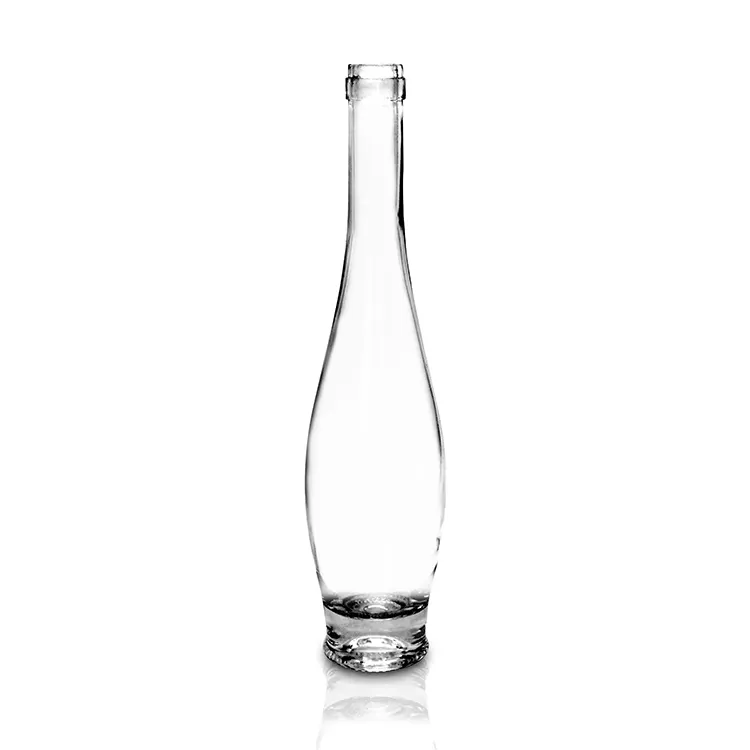
Stock, modified-stock and custom mould routes
| Route | Stage it suits |
|---|---|
| Stock mould | Blanco launch, market validation |
| Modified stock with embossing, spray or decals | Setting a premium tier apart |
| Full custom mould | Icon añejo silhouettes |
Tequila volumes seldom justify full custom tooling on day one, which is why the middle route carries so many programs. When a proprietary shape is warranted, development begins with a custom glass bottle project. Bar-top bores, stopper shanks and fitting tolerances are dealt with separately in the guide to closures for tequila bottles, and the same wholesale reasoning applied to clear spirits is on the vodka and gin bottles page.
Container loading and freight
Weight, not space, limits a load of spirits bottles. A palletized 40HQ carries 22,000–30,000 bottles of 750 ml at 550–700 g each before it reaches the 26–27 tonne payload limit. Heavy premium builds of 850–950 g reduce that to 17,000–22,000.
Many tequila shipments run into Mexico's bottling regions, or from them to the US, and craft volumes on those lanes often move as 20GP or even LCL. There, taking 100 g out of a bottle saves a disproportionate amount of freight. Floor-loading raises the piece count by 20–30%, but it calls for engineered cartons, since a heavy-base bottle concentrates the load on its base rim during transit.
Frequently asked questions
What do wholesale tequila bottles cost, and what is the minimum order?
Both are quoted per project. Pricing follows the mould, the decoration, the quantity and the freight terms; minimums depend on the mould and the line it runs on.
Is the bottle itself certified under NOM?
No. Certification applies to the tequila and its producer. The bottle's part is to provide compliant label space and legibility for the declarations listed above.
What should a quotation request include?
When you ask for a tiered quotation, include:
- class and silhouette for each expression (blanco, reposado, añejo);
- target glass weight and premium cues such as base, medallion or coating;
- first-order quantity and annual volume;
- the label plan with NOM declaration zones marked;
- destination port and preferred Incoterm.