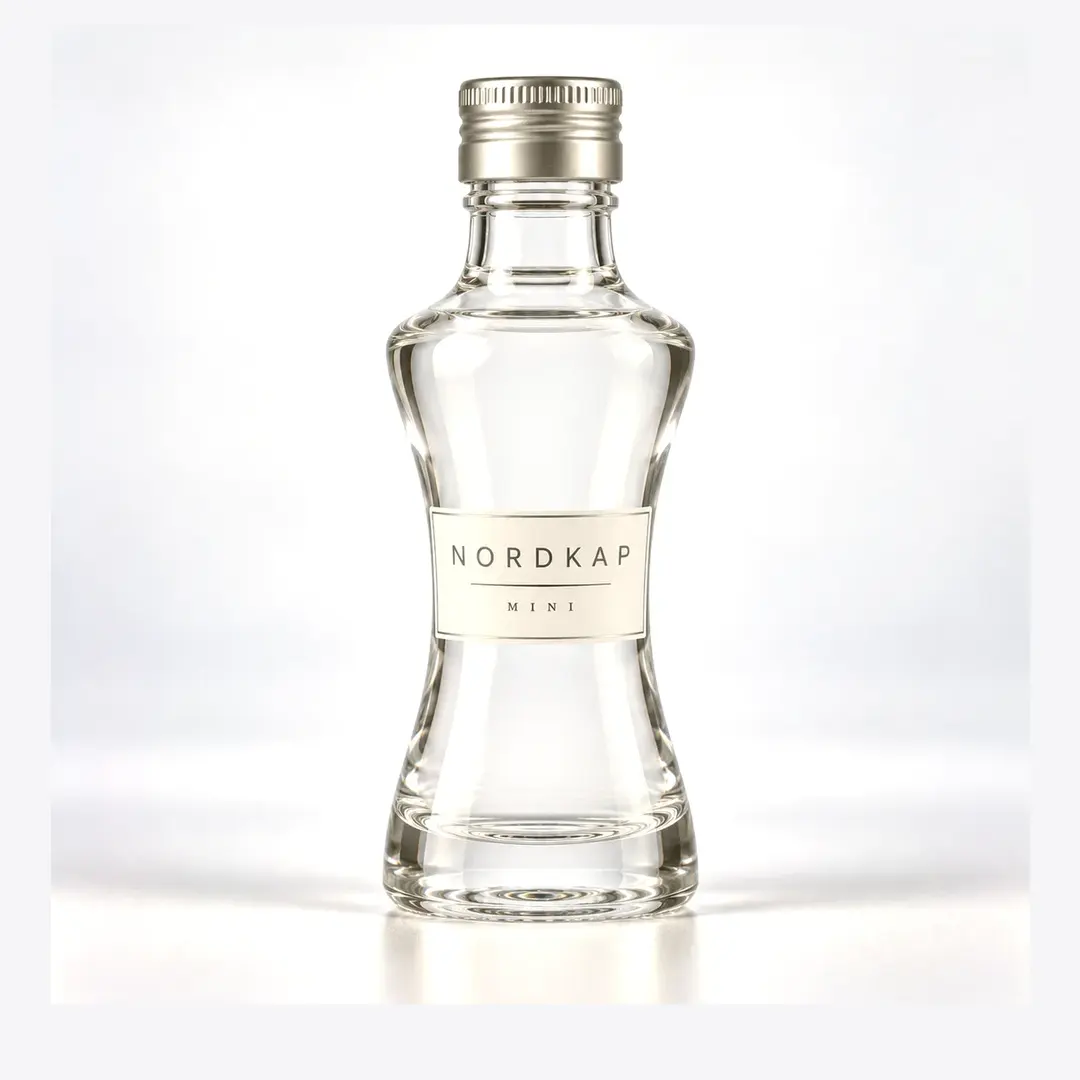
50ml Crystal Glass Miniature Bottle for Airline and Tasting-Flight Programs
The smallest bottle in your range may be the most traveled ambassador your brand will ever have. The 50ml crystal glass miniature shown here is built for the channels where first impressions happen at thirty thousand feet and in thirty-millilitre pours: airline service, duty-free sampler packs, distillery tasting flights and premium promotional programs. This page is written for brand managers and travel-retail buyers who understand that in miniature, the material is the message.
Glass Versus Plastic: The Miniature’s Defining Choice
Every miniature program faces the same fork in the road: plastic or glass. Plastic wins on weight and unit cost; glass wins on everything the customer can perceive. In channels where the miniature’s job is to recruit a future full-bottle buyer, perception is the entire brief:
- Taste integrity. Glass is chemically inert and impermeable. A premium spirit held in glass for eighteen months tastes exactly as the blender intended; plastic introduces permeation and interaction risks no premium brand wants near its liquid.
- Hand feel. The weight and cool touch of glass reads as “real bottle, smaller” — plastic reads as “sample”. That distinction decides whether the recipient saves the bottle or bins it.
- Brand consistency. A crystal-glass miniature is a scaled-down promise of the full-size product. When the recruit converts, nothing about the experience changes except the size.
- Premium channel acceptance. Airlines’ premium cabins, luxury hotels and high-end duty-free operators increasingly specify glass for their top-shelf pours.
Where 50ml Glass Miniatures Work
The 50ml format anchors several distinct commercial programs, each with its own packaging logic. In airline service, miniatures must survive galley handling, trolley packing and cabin pressure cycles while pouring cleanly at altitude — a demanding brief that well-made glass answers with decades of precedent. In duty-free, sampler sets of glass miniatures let travelers carry a tasting home within liquid restrictions, converting curiosity into suitcase sales. At the distillery door, tasting flights in uniform 50ml glass give visitors a take-home version of the experience they just paid for. And in promotional programs, a branded glass miniature survives on a desk or shelf for years — an advertising asset that keeps working long after the campaign ends.
The Regulatory Frame, Handled Honestly
Miniature sizes sit inside defined regulatory frameworks, and buyers should treat capacity compliance as a per-market exercise. In the United States, 50ml is a long-established standard of fill under federal rules, the familiar “airplane bottle” size. European rules on spirit drink sizes have their own permitted list, and individual markets layer on their own retail and travel-retail conventions. We do not publish compliance rulings on this page: confirm the permitted sizes for each of your destination markets with your regulatory advisor or distributor, and tell the factory your market list at RFQ stage so capacity and documentation are aligned from the start.
Equally, we do not publish fixed millimeter dimensions or gram weights for this model — those values are confirmed per production run on the technical drawing issued with your quotation. For airline programs, share that drawing with your catering or galley-packing partner early so tray and trolley configurations are designed around confirmed glass.
Decoration at Miniature Scale
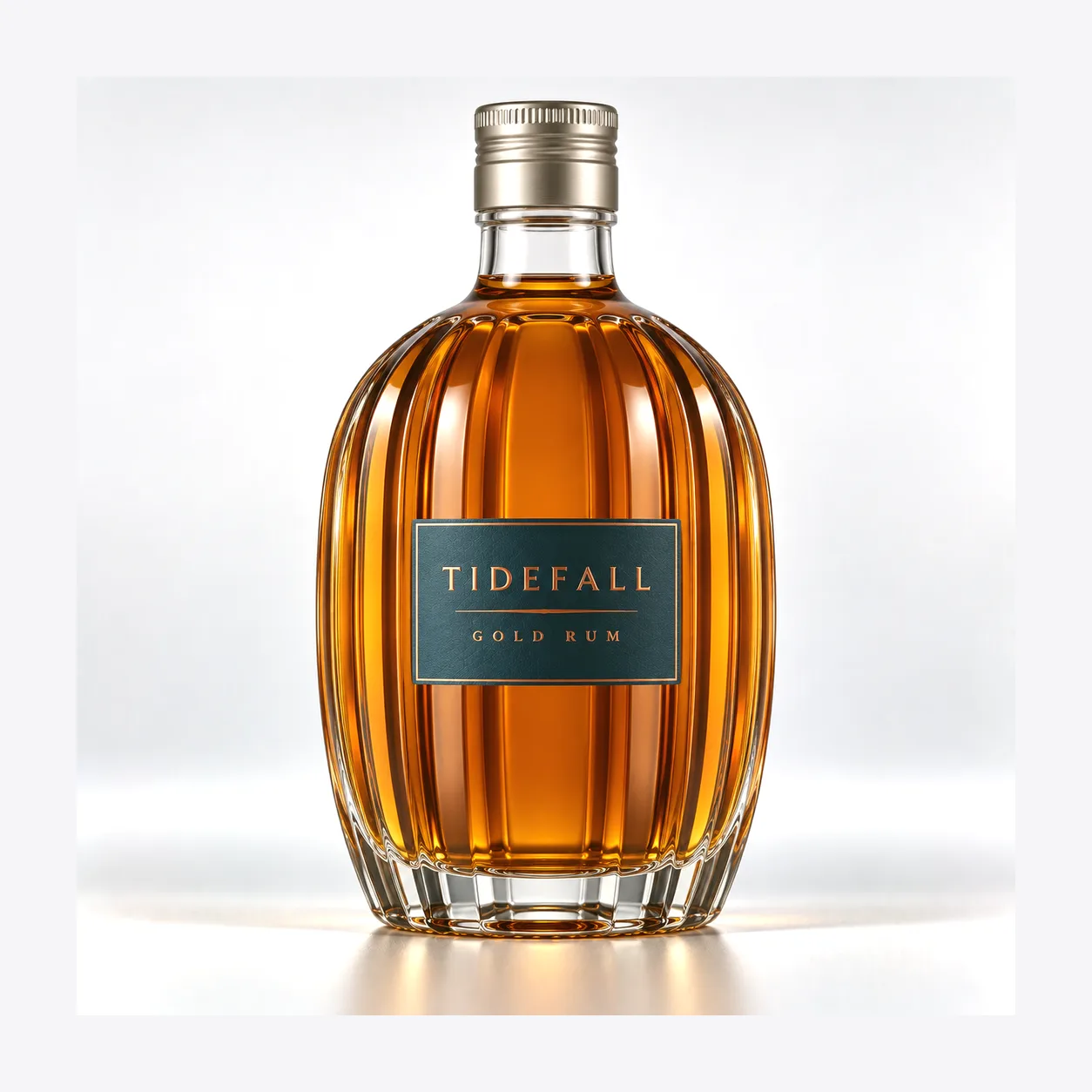
Decorating a 50ml bottle is an exercise in discipline: the brand mark must read at a glance on a surface measured in centimetres. The factory’s finishing routes are adapted accordingly — precision screen printing for crisp small-format marks, spray coating for full-body color that carries a brand’s signature tone, frosting for premium contrast, and miniature labeling where channels require it. Closures at this scale are a specialized category: standard miniature caps can be matched to the neck finish on the approved drawing — please confirm the finish specification with the factory before sourcing closures, and if your program requires tamper-evident features for travel channels, raise that requirement at technical review.
Quality Standards, Miniature Scale, Full-Size Discipline
Small bottles are produced and inspected with the same rigor as their full-size siblings. Production of this model is controlled under the factory’s documented container-glass QC regime: annealing verified with reference to ASTM C148, internal pressure resistance per ISO 7458, and thermal shock endurance per ISO 7459. Crystal-glass clarity adds a visual inspection dimension — brilliance and freedom from seeds and distortion are what your customer actually perceives as quality. Batch records can be reviewed during technical approval, and third-party pre-shipment inspection can be arranged on request.
Logistics at Miniature Scale
Miniatures pack and ship differently from full-size bottles, and the differences reward early planning. Unit counts per carton are high, which keeps freight cost per bottle low but makes divider quality and carton discipline decisive — thousands of small bottles in motion will find any weakness in packing. For airline and cruise programs, delivery often means shipping to catering consolidators with strict receiving windows and documentation requirements; flag those consignee rules at order stage so labeling, palletizing and paperwork match the receiver’s system. Samples, incidentally, are the fastest way to align everyone: one carton of real miniatures answers questions from the bottler, the box supplier and the caterer in a single afternoon.
Ordering, MOQ and Next Steps
MOQ for this model depends on mold use and decoration route — the mechanics are explained in our glass bottle MOQ guide. Miniature programs often begin with a sampler evaluation: samples from the existing mold can be arranged so your team can assess clarity, closure fit and pour behavior with real glass. Buyers new to the sourcing workflow can review our guide to importing glass bottles from China.
Send your channel mix — airline, duty-free, distillery or promotional — together with volumes and target dates through the contact and RFQ page, and the factory will reply with the technical drawing, confirmed specifications and a quotation for your miniature program.
Frequently Asked Questions
Why choose glass over plastic for 50ml miniatures?
Glass is inert and impermeable, protecting taste over long storage, and its weight and feel present as a real bottle rather than a disposable sample. For premium recruitment programs — airlines, duty-free, tasting flights — that perception is the entire point. Plastic remains cheaper per unit; glass recruits better.
Is 50ml a legal spirits size in my markets?
50ml is a long-established standard of fill in the United States, and miniature sizes are defined within permitted lists in Europe and other regions. Rules differ by market and channel, so confirm permitted sizes with your regulatory advisor or distributor and share your market list with the factory at RFQ stage.
Can the miniature be decorated with our brand colors and logo?
Yes. Precision screen printing, full-body spray coating, frosting and miniature labeling are all supported at this scale. Artwork must be prepared for small-format reproduction — confirm printable area and color count with the factory when submitting designs.
What closures are available for a 50ml bottle?
Standard miniature caps can be matched to the neck finish on the approved drawing. If your travel-retail program requires tamper-evident features, raise that at technical review. Confirm the finish specification with the factory before sourcing closures.
What is the MOQ for the 50ml crystal miniature?
MOQ depends on use of the existing mold and decoration route. Samples from the existing mold can usually be arranged first so you can evaluate clarity, closure fit and pour behavior. Share your channel mix and volumes in the RFQ for an exact figure.
How is quality verified on crystal glass?
Production follows documented QC: annealing per ASTM C148, internal pressure per ISO 7458 and thermal shock per ISO 7459, plus visual inspection for brilliance and freedom from seeds or distortion. Batch records and third-party pre-shipment inspection can be arranged on request.


