


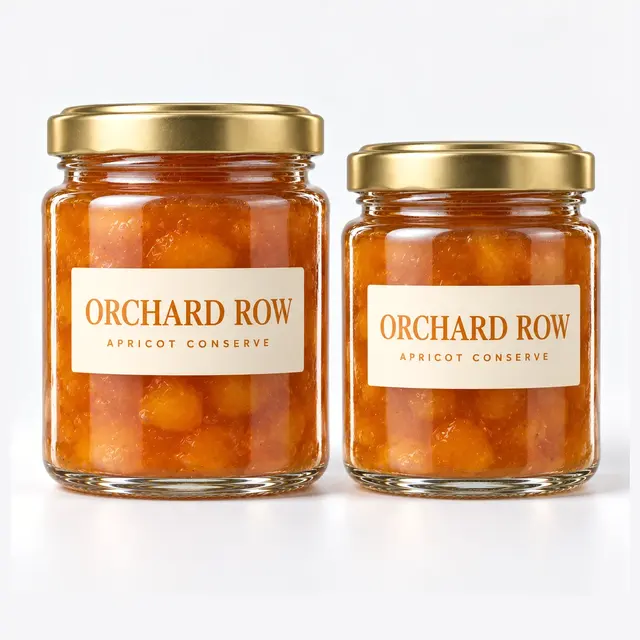
Mouth diameter is the specification that matters
Buyers coming from bottle sourcing tend to lead with capacity. In jars, the mouth is the more consequential dimension. A 250ml jar with a narrow finish and a pronounced shoulder is a worse honey jar than a 250ml straight-sided jar with a mouth nearly as wide as the body — even though the spec sheets show the same volume.
Honey makes the point most sharply. It crystallises, and a customer with a crystallised jar needs to get a spoon to the bottom corners. A straight-sided or wide-lug jar makes that possible; a shouldered jar means product left behind and a complaint. The same logic applies to thick preserves, nut butters and chunky sauces.
The counter-consideration is filling. A wide mouth fills faster and splashes less, but it also means a larger, more expensive closure and more headspace to control. Where the product is thin enough to pour — a syrup, a thin sauce — a narrower finish is cheaper and perfectly adequate.
Lug versus continuous thread
This is the closure decision specific to jars, and it is not interchangeable with the bottle world. Lug finishes take a metal twist-off cap that engages on a few short lugs and seals with a compound liner under vacuum — the standard for hot-filled and pasteurised products, because the vacuum formed as the contents cool is what holds the seal and gives the reassuring pop.
Continuous-thread finishes take a conventional screw cap. Simpler, cheaper, available in more materials and finishes, and the right answer for dry goods, ambient products and anything refilled or reused. They do not produce a vacuum seal, so they are not a substitute for lug on a hot-fill line.
Choose based on the process, not the look. If your co-packer hot-fills and pasteurises, you need lug and you need the cap supplier involved before the mould is confirmed. If the product is ambient dry storage, continuous thread gives you more options and a lower closure cost.
The formats in this range
The jars here run from roughly 100ml up to 1600ml, across four body types.
Straight-sided jars
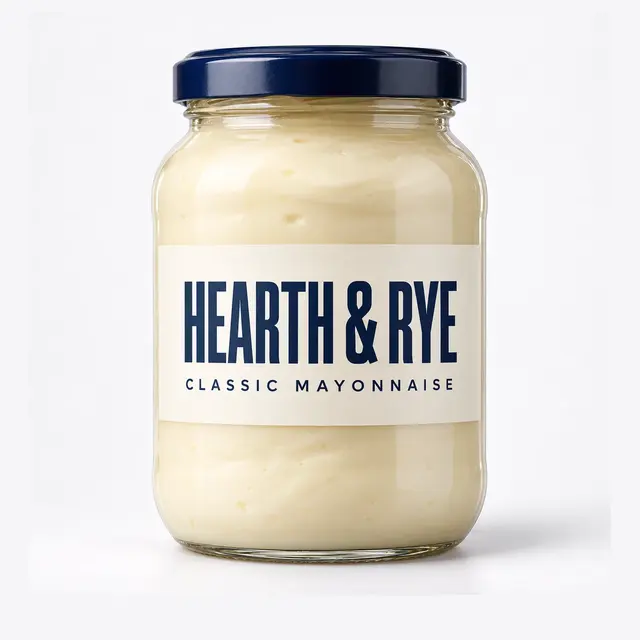
Body and mouth close to the same diameter. The easiest to empty, the easiest to label with a clean rectangular wrap, and the most versatile across jam, sauce, spice and dry storage.
Round-belly and globe jars
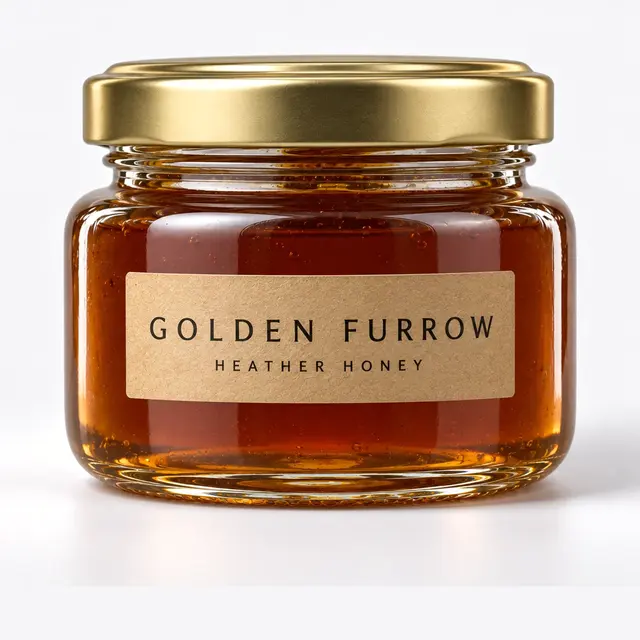
A fuller body over a wide lug mouth. The traditional honey silhouette, and a shape that makes a modest volume look generous on shelf.
Tall jars
For pickles, olives and anything packed in brine where the product needs depth rather than width. Also the most pallet-efficient per litre of the four.
Squat preserve jars
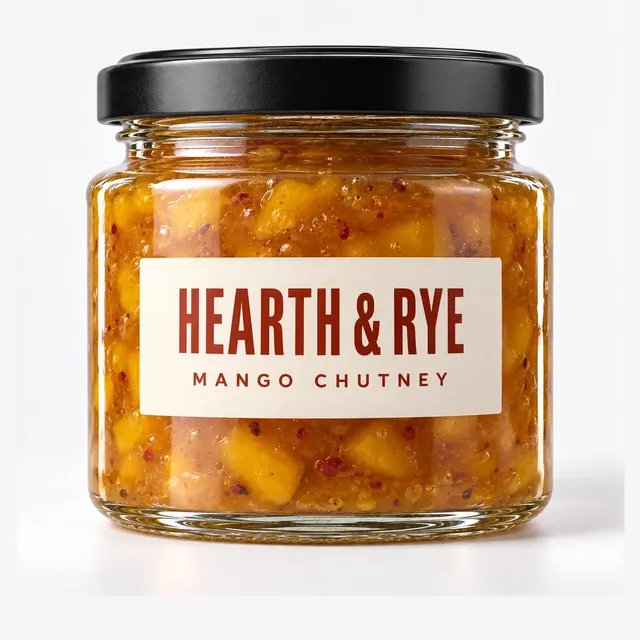
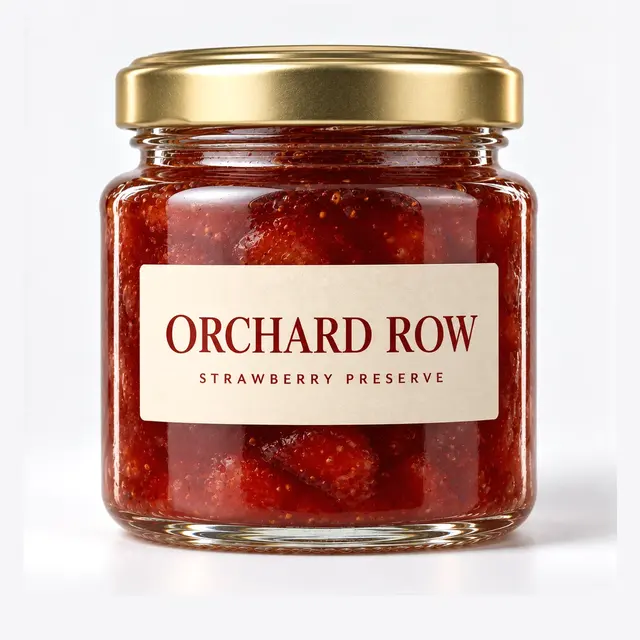
Low and wide, the classic marmalade and conserve format. Stacks well in a gift box and presents the product through the glass rather than through the label.
Hot fill, vacuum and thermal shock
Any jar going onto a hot-fill or pasteurisation line has to survive a temperature differential that a cold-filled jar never sees. Thermal shock resistance is tested per ISO 7459 and the annealing profile verified per ASTM C148 — together those are what stand between your co-packer and a line stoppage.
Tell us the fill temperature and the process at brief stage. It is not a detail that can be retrofitted: a jar specified for ambient filling and then run hot is the most common cause of breakage complaints in this category, and the glass usually gets blamed for a specification problem.
Commercial hot fill is also not the same thing as home canning. Jars sold for canning at home take a two-piece lid and band on a continuous thread, so if your customers will can in the jar rather than just store in it, the finish has to be chosen for that lid system.
From brief to container
Send the product, the fill temperature and process, the capacity you need, and whether the cap is already chosen. You get a technical drawing confirming capacity, finish and critical dimensions, and samples to check against your closure and your line before committing.
Lids are coordinated alongside the glass rather than left as a separate purchase — a jar and a cap sourced independently is the other common failure in this category. Minimum quantities and lead times are quoted per project.
Common questions
Can I use one jar family across honey, jam and sauces?
Often yes, and it is usually the right commercial answer for a small range — one closure spec, one label die-line, one set of minimums. Straight-sided jars are the most adaptable. Split into separate shapes when a specific product genuinely needs it, such as tall jars for brined products.
Do you supply the lids?
Yes, coordinated with the glass. Send the cap specification if you already have a supplier and we will confirm fit against the finish before you order. Sourcing jar and cap separately without checking the finish is the single most common sourcing failure in this category.
What capacity should I quote — brim-full or fill volume?
Always state which you mean. Brim-full capacity and labelled fill volume differ by the headspace your process requires, and a jar specified on the wrong one is either overfilled or visibly short. The technical drawing states brim-full capacity; your co-packer sets the headspace.
Are these jars suitable for freezing?
Straight-sided jars without shoulders handle freezing better, because contents expanding upward are not trapped under a shoulder. Headspace matters more than the glass specification. Tell us if freezing is part of the use case and we will steer you to the appropriate body shape rather than make a general claim.