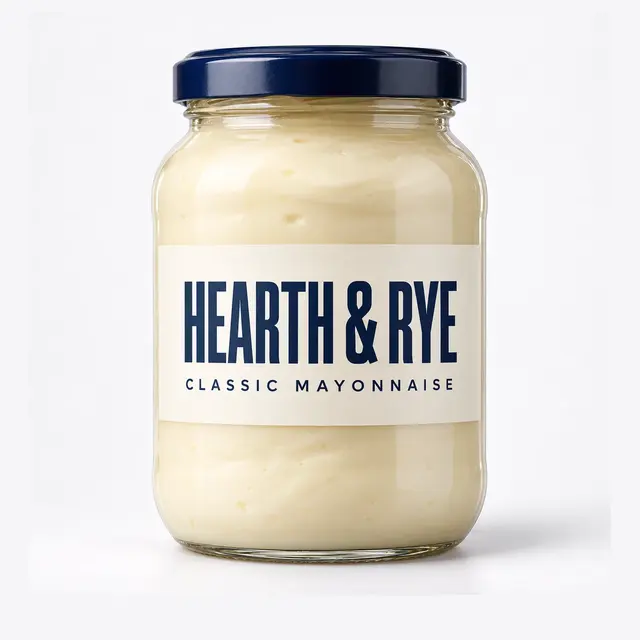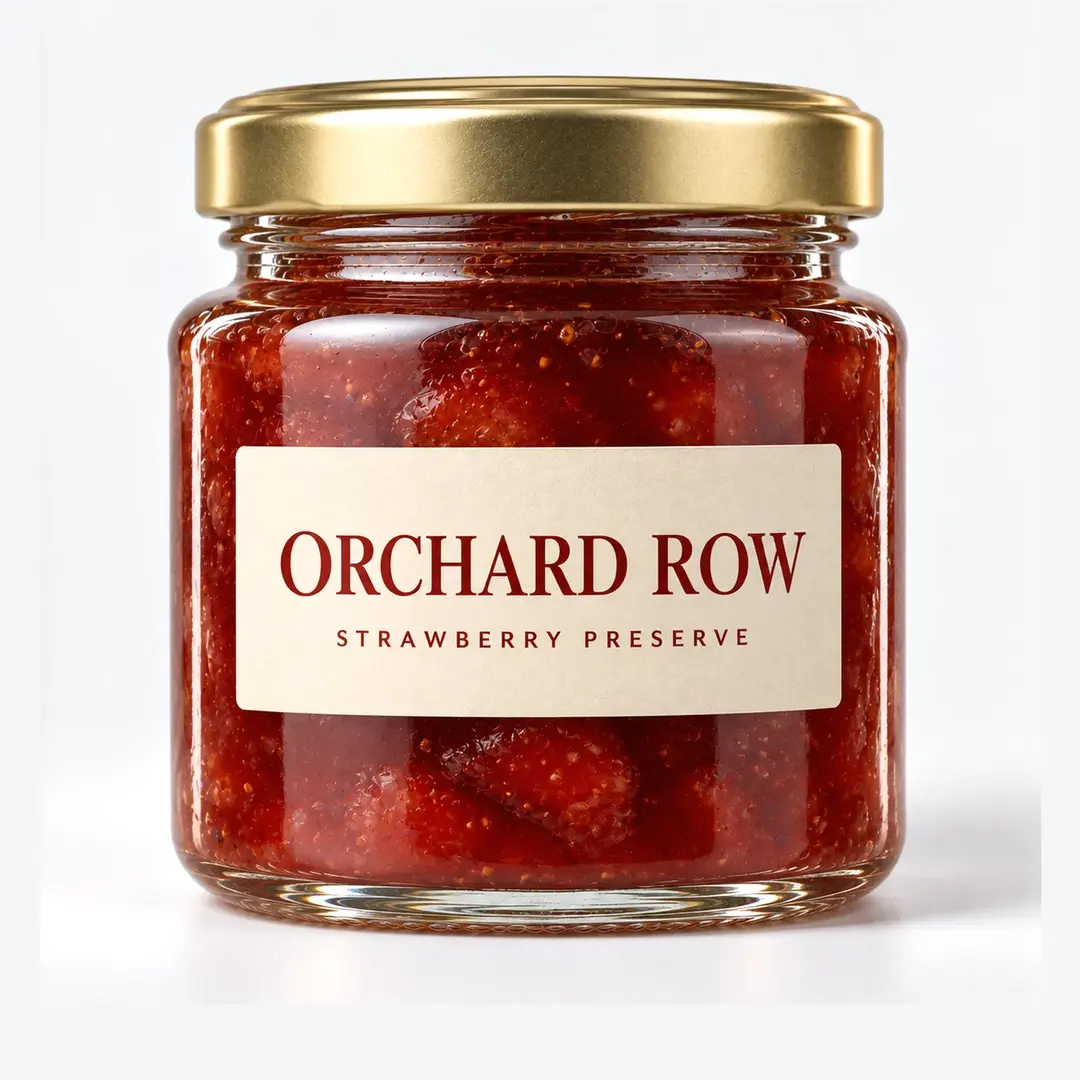
Ask a farm brand what size jar built their business and the answer is very often 250ml. These wide-mouth 250ml glass jars are the standard retail format for jams, preserves, marmalades and fruit spreads: large enough to feel like good value beside mass-market brands, small enough to justify premium pricing for small-batch production, and shaped so both hand-ladling and piston filling work cleanly. For growers turning a harvest into a shelf-stable product line, this jar is usually the first SKU and often the best seller. The clear glass puts fruit color and piece identity front and center, which is exactly what farm-shop and farmers-market customers are buying. Dimensions, weight and neck finish are confirmed on the technical drawing at quotation.
The Farm-Brand Standard Size
There is a reason 250ml dominates farm-gate and specialty preserve shelves. It prices well in the impulse-to-considered range, it uses a manageable quantity of fruit per unit for small batches, and it ships efficiently enough that direct-to-consumer parcels stay under common postage thresholds. Brands that start at a farmers market with one jam can scale the same jar into retail distribution without re-engineering their packaging, which protects early label and closure investments.
The wide mouth suits preserve production specifically. Whole-fruit and chunky preserves fill without crushing berries against a narrow neck, ladles and depositor nozzles enter cleanly, and the consumer can spoon out the last of the jar without leaving a frustrating ring at the shoulder. That end-of-jar experience sounds minor until you read customer reviews; it genuinely influences repeat purchase.
Filling High-Sugar, High-Pectin Products
Jams and preserves are filled hot and viscous, and they behave differently from brines or sauces. High sugar content means the product keeps flowing at temperatures where pectin set has already begun, so consistent fill temperature matters for both weight control and final texture. The wide mouth gives depositors room to work and reduces stringing between fills, which keeps the finish clean for a reliable cap seal.
Headspace management deserves attention on this format. Too little and the vacuum pulls product into the cap during cooling; too much and oxidation dulls bright fruit color at the surface. We recommend validating fill level and thermal process together during sampling, using your actual recipe, so the specification that reaches production is the one your line can hold shift after shift.
Vacuum Sealing and Cap Selection
A hot-filled preserve jar lives or dies by its vacuum seal. The twist-off metal closure with a plastisol liner remains the industry standard here: it flows to the finish during capping, forms a hermetic seal as the contents cool and contract, and gives the consumer both a tamper-evident button and the familiar pop on first opening. That pop is not just theater; it is the freshness signal specialty food buyers actively listen for.
Cap color and finish do real brand work in this category. Gold remains the preserve classic, but matte black and white have grown steadily with modern farm brands, and custom-printed lids are available for programs with sufficient volume. Confirm the final cap specification with the factory during sampling so liner, torque and vacuum performance are validated as a system rather than as separate purchases.
Branding: Labels, Silk Screen and Custom Decoration
Farm brands sell story as much as product, and this jar supports both paper labels and direct decoration. Most buyers launch with a wrap or front-and-back label, which keeps artwork flexible across flavors and seasonal runs. As volumes concentrate, silk-screen printing or fired decals give flagship SKUs a permanent, scuff-proof presentation that survives refrigerated condensation and repeated handling at market stalls.
Decoration decisions are easier when the jar geometry is stable, and this format runs from established tooling with consistent body diameter and label panel. Our team can quote labels, screen printing and decal options on the same drawing, including lid printing, so you can compare the true cost of each branding route rather than guessing from separate suppliers.
Quality Control and Compliance Testing
Every lot passes a defined inspection plan before packing. Annealing quality is verified with reference to ASTM C148 to confirm the glass is free of residual stress, thermal shock resistance is evaluated against ISO 7459 so the jar tolerates hot filling and any post-fill heat process, and internal pressure performance is checked with reference to ISO 7458. Neck finish dimensions are gauged to keep capping torque and vacuum formation consistent across the run.
The soda-lime flint glass suits direct contact with high-sugar, acidified fruit products, and food-contact documentation is available for your compliance file. Buyers supplying retail chains can also arrange third-party pre-shipment inspection against their own quality protocols.
Wholesale Ordering and Export Logistics
Jars are packed in divided export cartons, palletized and shrink-wrapped for freight, with pieces per pallet and per container calculated at quotation so landed cost is transparent before you order. Our MOQ guide explains how starting quantities work for farm brands in their first seasons, including pilot runs sized to a single harvest. For a full picture of the import process, our resource on importing glass bottles from China covers freight, moisture protection and customs paperwork.
To get pricing for your preserve line, send your product types, fill process, cap color preference and estimated seasonal volume. We will reply with a quotation, technical drawing and sampling plan. Questions about lid printing, mixed pallets with other sizes or harvest-timed delivery schedules are welcome through our contact page, where the export team answers with factory-level detail.
Frequently Asked Questions
Is 250ml a good size for a farm brand’s first jam product?
Yes. It is the most common specialty preserve size: it prices well in the premium range, uses a manageable amount of fruit per batch, and works for both farmers-market sales and retail distribution, so you do not need to change packaging as you scale.
Can the jar handle hot filling of high-sugar preserves?
Yes. The jar is suited to hot-fill preserve production, and thermal shock resistance is evaluated with reference to ISO 7459. We recommend validating fill temperature, headspace and cap vacuum together during sampling with your actual recipe.
What closure gives the vacuum ‘pop’ consumers expect?
A twist-off metal cap with a plastisol liner forms a hermetic vacuum seal as the hot-filled product cools, and the lid button gives both tamper evidence and the familiar pop on opening. Cap size and finish are confirmed on the technical drawing at quotation.
Can I get silk-screen printing or only paper labels?
Both are available. Most farm brands launch with paper labels for flexibility across flavors, then move flagship SKUs to silk-screen printing or fired decals as volumes grow. Lid printing can be quoted on the same drawing so you can compare branding routes.
What is the minimum order, and can I order around my harvest season?
MOQ depends on mold and decoration choices, and pilot runs sized to a first harvest are possible. We can also plan production and delivery timing around your harvest calendar. Our MOQ guide explains how starting quantities are structured.
How are the jars packed for export, and what documents come with the shipment?
Jars ship in divided export cartons on shrink-wrapped pallets. We provide the commercial invoice, packing list and bill of lading, plus food-contact declarations on request. Third-party pre-shipment inspection can be arranged for retail supply programs.