





Jars are specified differently from bottles
Buyers who arrive from bottle sourcing tend to lead with capacity and colour. In jars those are secondary. The mouth diameter, the finish type and the fill process decide whether a jar works, and all three have to be settled before a mould is confirmed — none of them can be adjusted afterwards.
The mouth comes first because it determines whether the customer can get the product out. Crystallised honey, set preserve, a thick sauce or a nut butter all need a mouth wide enough for a spoon and a shoulder shallow enough that product is not trapped under it. A shouldered jar and a straight-sided jar can hold identical volumes and be completely different products in use.
The finish comes second, and it is not the same vocabulary as bottles. Lug finishes take metal twist-off caps that seal airtight under vacuum — the standard for hot-filled and pasteurised products. Continuous-thread finishes take conventional screw caps, which are cheaper and available in more materials but produce no vacuum. Choose on the process, not the look.
What each product actually needs
We do not run separate pages for every food category, because the catalogue does not carry enough distinct moulds per product to make those pages useful — a "honey jars" page with two jars on it wastes your time. The requirements are genuinely different, though, so here they are in one place.
Honey
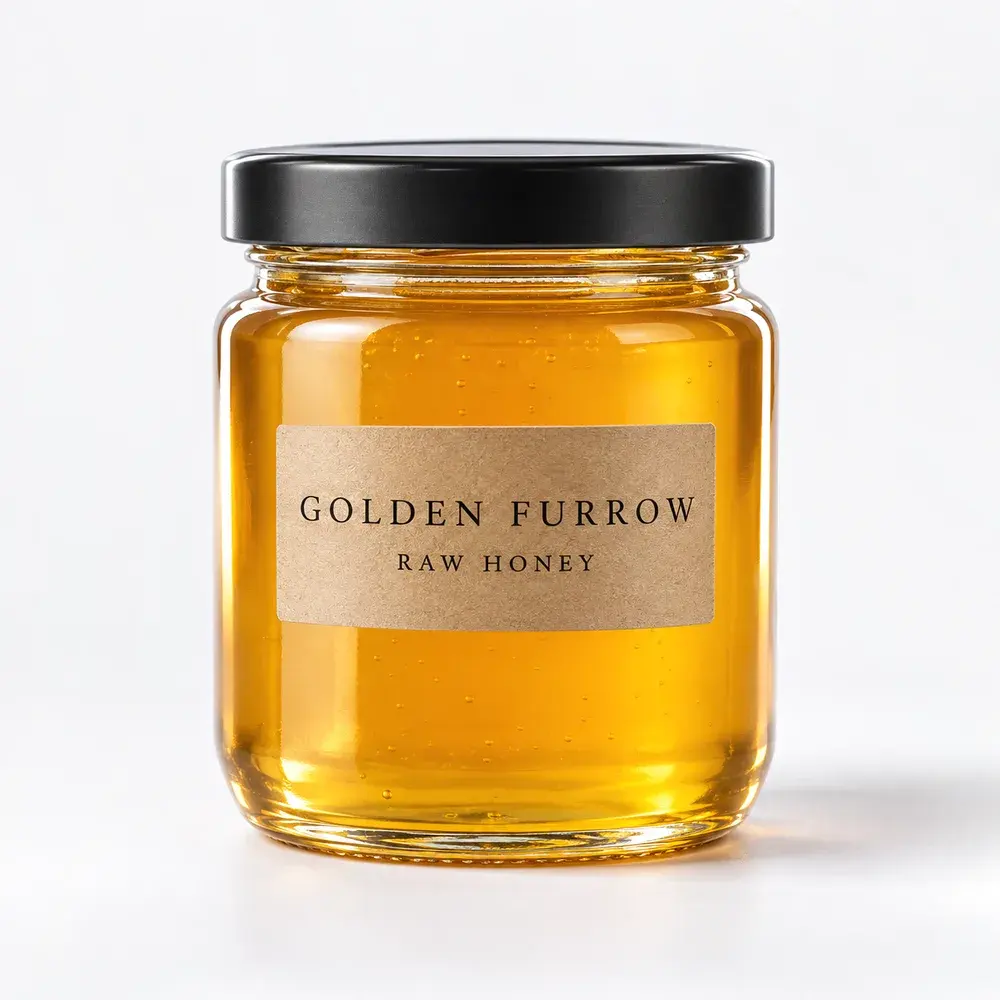
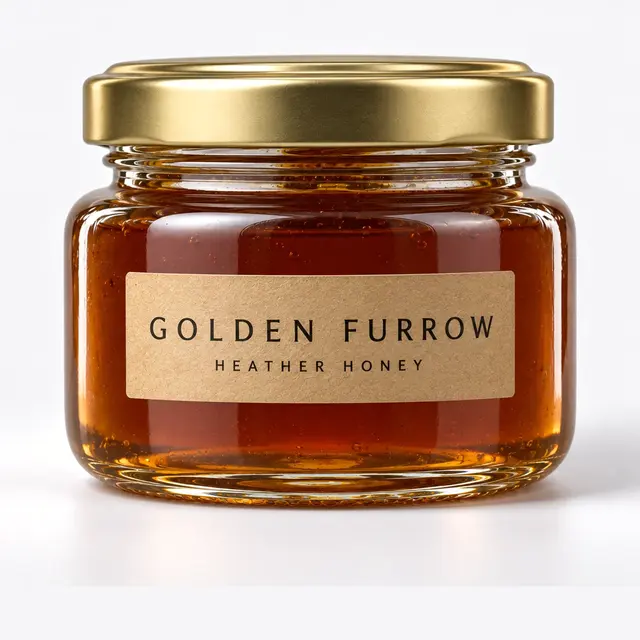
Crystallisation is the whole design constraint. A wide lug mouth and a body with no trapping shoulder let a customer reach the bottom corners with a spoon. Round-belly and globe shapes are the traditional silhouette; straight-sided jars work equally well and label more cleanly.
Jam, marmalade and preserves
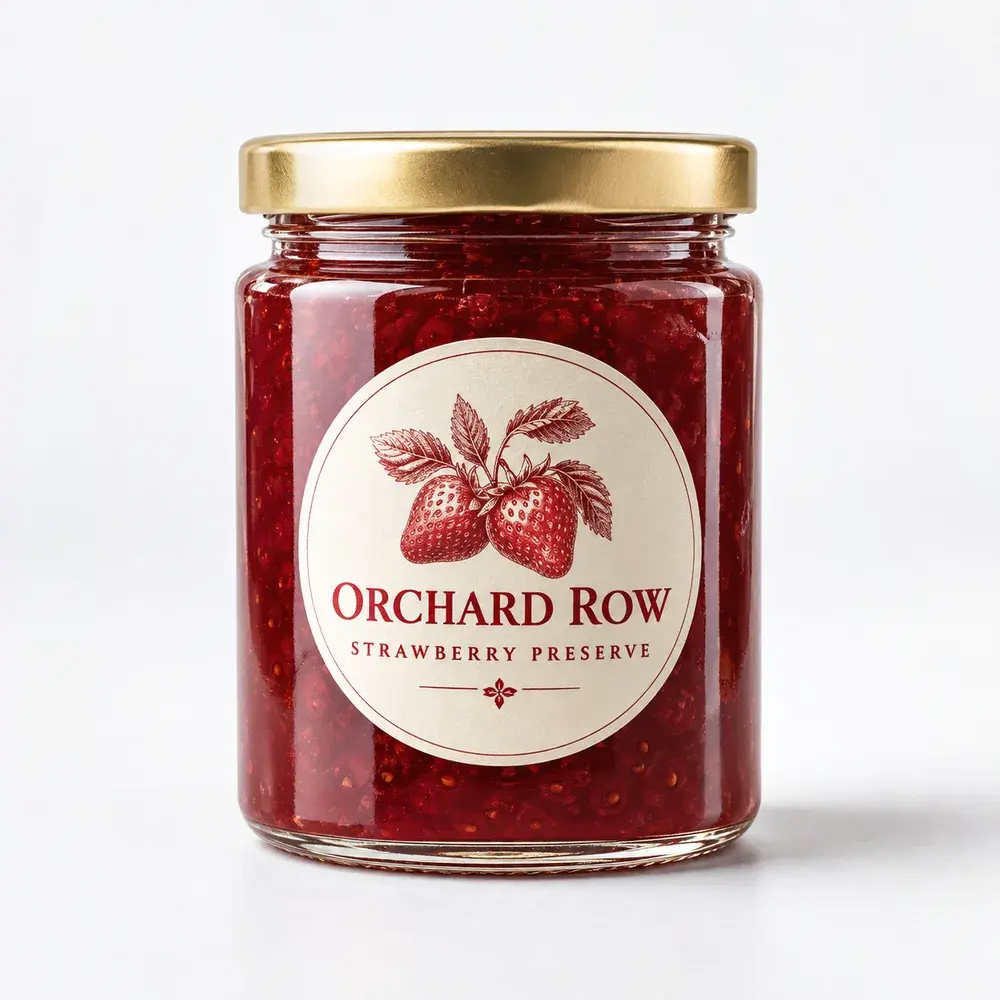
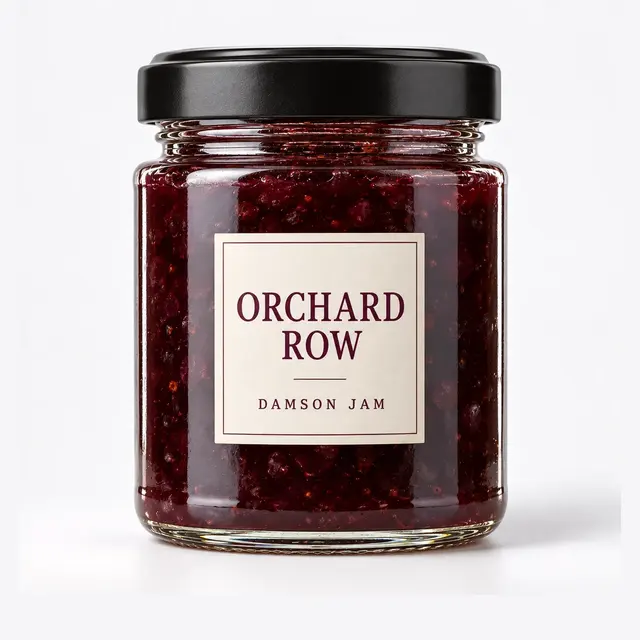
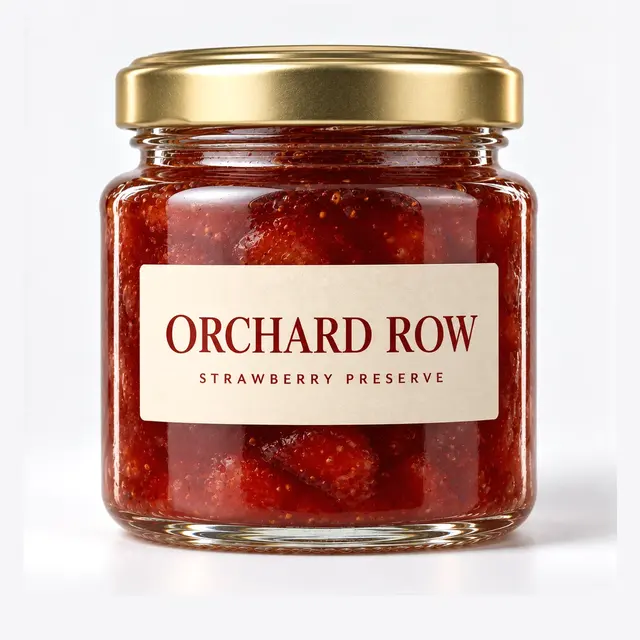
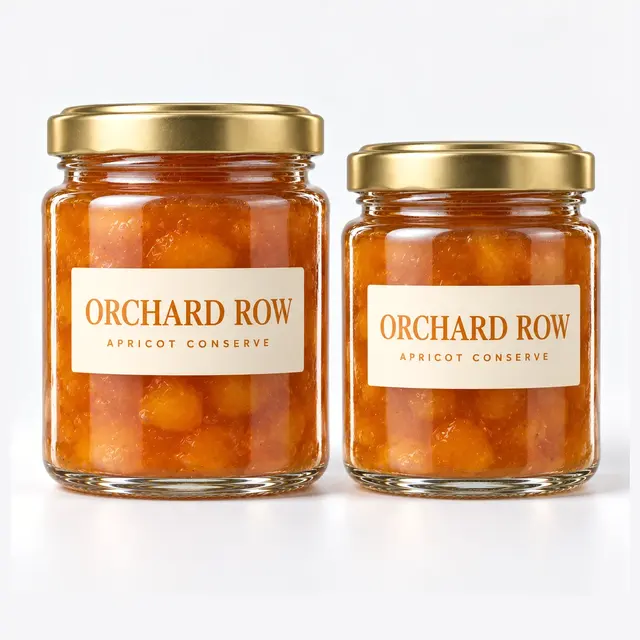
Hot-filled and often pasteurised, so lug finishes and verified thermal shock resistance matter more than shape. Squat preserve jars present the fruit through the glass and stack well in gift sets; taller jars are more pallet-efficient per litre.
Pickles, olives and ferments
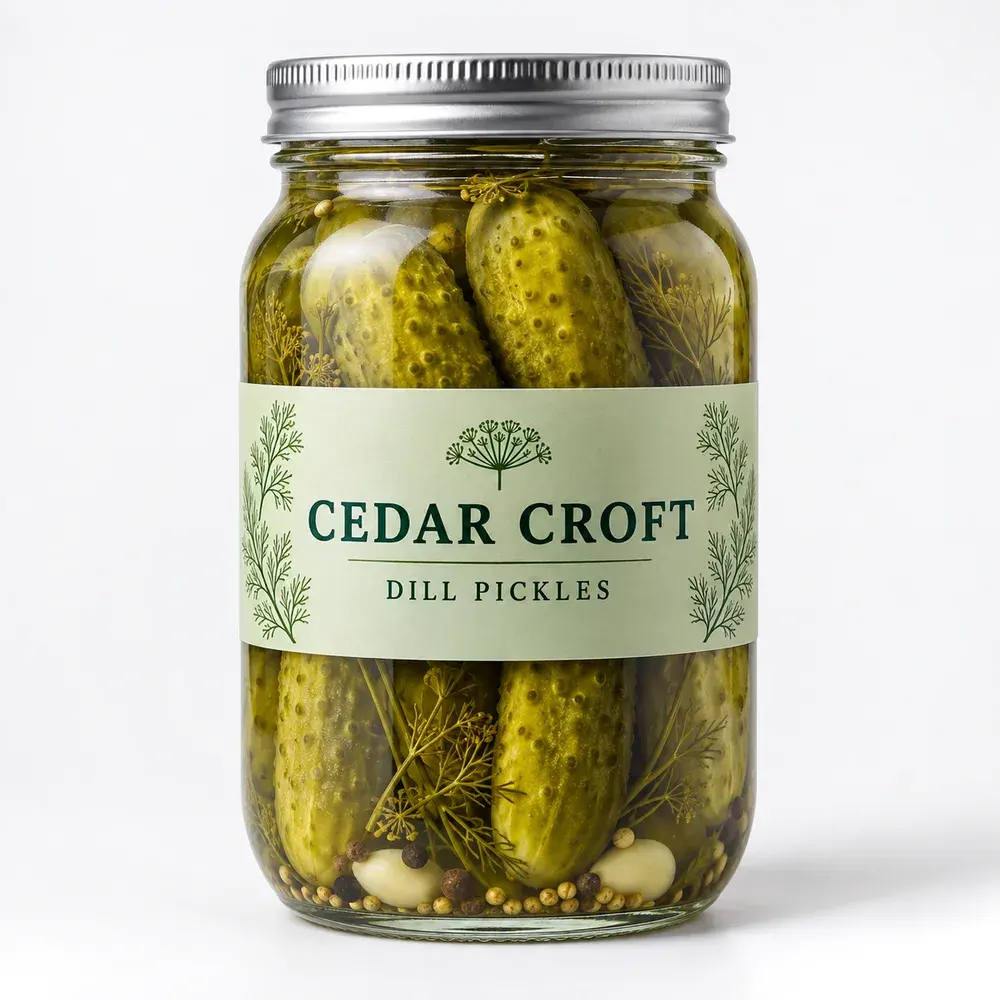
Depth rather than width, because the product is packed in brine and needs to stay submerged. Tall jars also handle the headspace that active ferments require. Check cap liner compatibility with acidic brine with your closure supplier.
Spices and dry goods
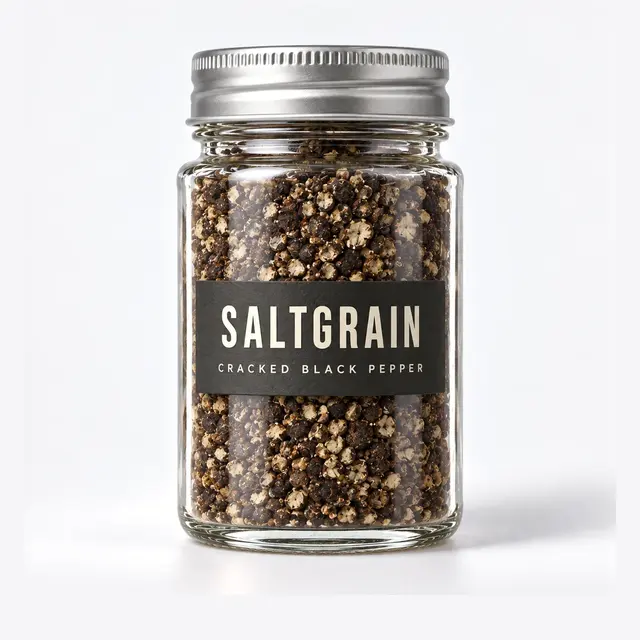
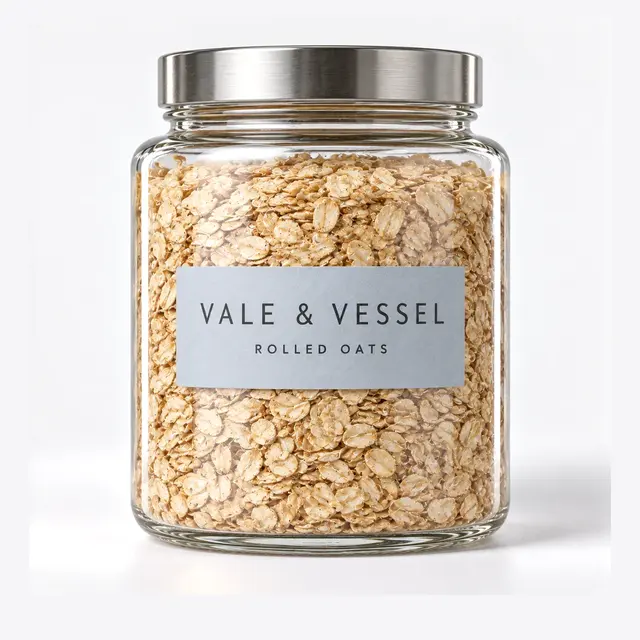
Small, straight-sided and ambient — no vacuum needed, so continuous-thread finishes open up shaker fitments, cork tops and wooden caps. The label panel matters more here than the glass does, because spice ranges live or die on shelf consistency across many SKUs.
Sauces, dips and condiments
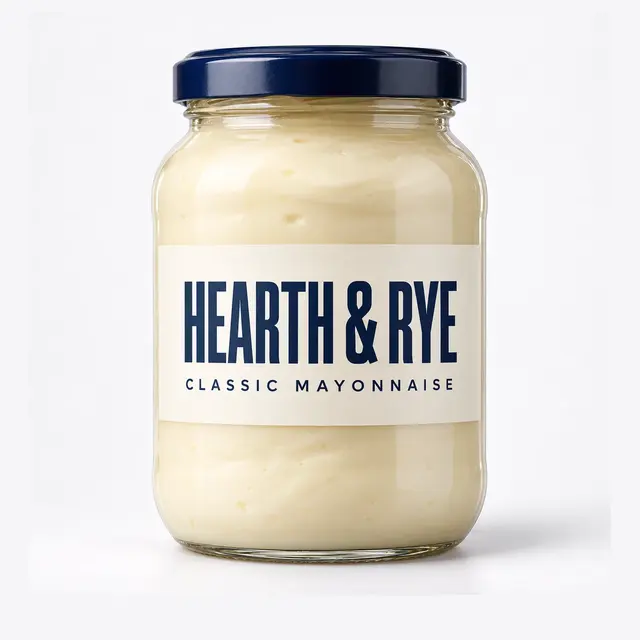
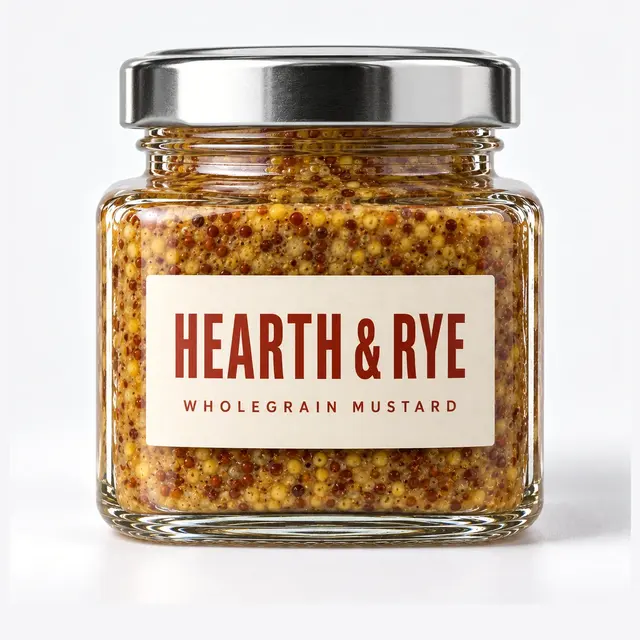
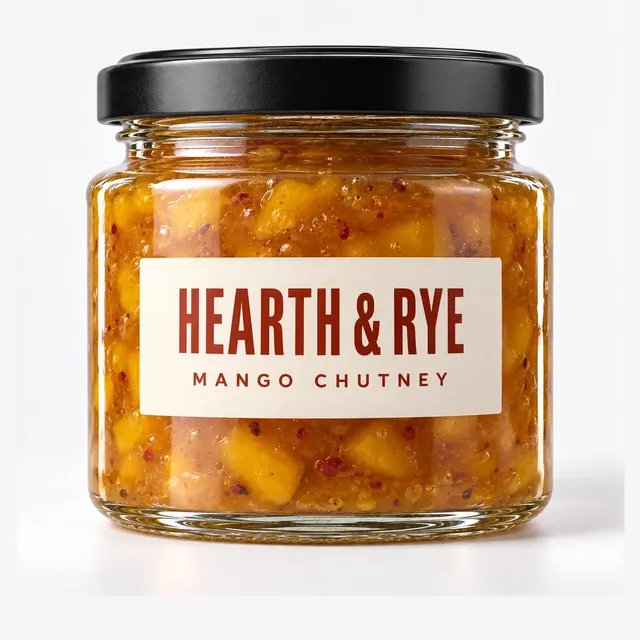
Wide enough to spoon out, narrow enough to pour if the product is thin. This is the category where the honest answer is often a compact wide-mouth jar rather than either a bottle or a full preserve jar.
Mason-style and canning jars
The mason-style jar in this family takes a continuous-thread finish. Home canning uses its own two-piece lid and band, so if your customers will can in the jar rather than just store in it, confirm the lid system before choosing the glass. The mason jars guide goes through the formats.
Candles
Candle makers ask for these jars too, but a candle vessel does a different job: the glass sits next to a flame and a pool of hot wax for hours. Treat heat resistance as its own specification rather than assuming a food jar will do — see the candle jars guide.
Hot fill, vacuum and why jars break
Almost every breakage complaint in this category traces back to a specification mismatch rather than to defective glass. A jar specified for ambient filling and then run on a hot-fill line sees a temperature differential it was never quoted for. The glass gets blamed; the brief was the problem.
Tell us the fill temperature and the process at brief stage — hot fill, pasteurisation tunnel, retort, or ambient. Thermal shock resistance is tested per ISO 7459 and the annealing profile verified per ASTM C148, and those records are what your co-packer will want to see before they run your glass on their line.
Glass is inert, which makes it the straightforward half of a food-grade specification. The cap liner is the half your importer will ask questions about, particularly for acidic and oily products.
The other recurring problem is the cap. A jar and a closure sourced independently, each correct on its own specification, that do not seal together. We coordinate lids alongside the glass for exactly this reason; if you already have a cap supplier, send their drawing before the jar is confirmed.
Labelling a jar is not labelling a bottle
Jars are short and wide, which inverts the usual label problem. On a bottle the constraint is usually height; on a jar it is the vertical space between the shoulder radius and the heel radius, and on a squat preserve jar that band can be surprisingly narrow. A label designed to the jar diameter without checking the straight-wall height is the most common artwork rework in this category.
Straight-sided jars are the friendliest: an effectively cylindrical body takes a wrap label with no compensation. Round-belly and globe shapes curve in two directions at once, so a flat label will wrinkle unless it is small enough to sit on the straight portion or die-cut to follow the curve. Get the technical drawing to your label printer before plates are cut.
The other jar-specific detail is cap alignment. A printed or embossed lug cap lands in a different rotational position on every jar, because a lug cap stops wherever the lugs engage. If your design depends on the cap graphic lining up with the front label, it will not — and that is a property of the closure system rather than a fault. Designs that work treat the cap as rotationally independent.
Capacity: say which number you mean
Brim-full capacity and labelled fill volume are different numbers, separated by the headspace your process requires. A jar quoted on one and filled to the other is either visibly short or overfilled, and both are expensive to discover after artwork.
The technical drawing states brim-full capacity, because that is a property of the mould. Your co-packer sets the headspace, which makes the fill volume a property of your process rather than of the glass. Bring both numbers to the conversation and the ambiguity disappears.
Common questions
Can one jar shape cover a whole range?
Often, and usually it should. Straight-sided jars are the most adaptable — one closure specification, one label die-line system, one set of minimums across jam, honey, sauces and dry goods. Split into a second shape only when a specific product genuinely needs it, such as tall jars for brined products.
Are these jars dishwasher and freezer safe for end consumers?
Straight-sided jars without trapping shoulders handle freezing better, because contents expanding upward are not caught under a shoulder, and headspace matters more than the glass specification does. Tell us if consumer reuse is part of the proposition and we will steer the body shape rather than make a blanket claim.
Do you supply the metal lids?
Yes, coordinated with the glass rather than left as a separate purchase. Lug caps in particular have to match the finish exactly, and a mismatch is only discovered when the first pallet fails to seal.
What is the difference between a lug cap and a twist-off?
They are the same thing in most trade usage — a metal cap with a few short lugs that engages in a quarter turn and seals with a compound liner under the vacuum formed as hot contents cool. What they are not is a continuous-thread screw cap, which looks similar and does not produce a vacuum seal.