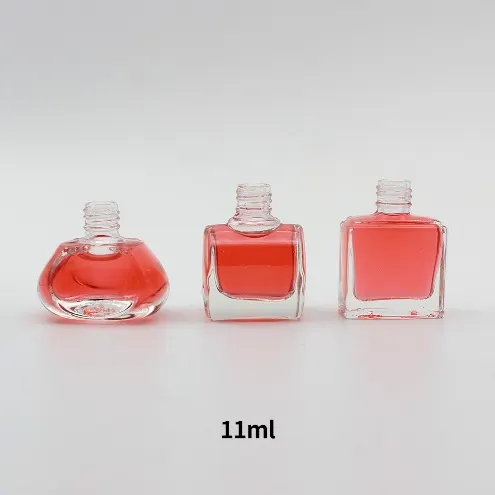
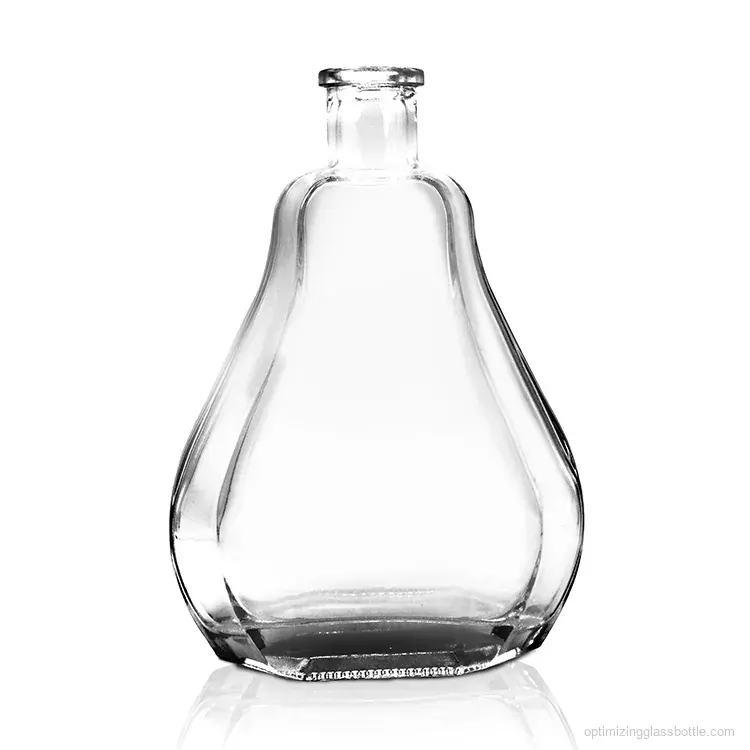
Filed under bulk glass jars; the moulds we quote for this are pictured at the foot of the page.
For small glass jars in the 1–4oz (30–120ml) range, pick the lid before the glass: the closure defines how the product seals and how the customer opens it. Plastisol-lined lug caps are for hot-filled and pasteurized foods, continuous-thread metal caps with the right liner are for cosmetics and dry goods, and bamboo lids are for dry contents only. Two ounces (60ml) is the most versatile size, and freight, not the glass, is the cost that most often gets out of hand.
Which size does which job
| Size | Typical uses | Why buyers choose it |
|---|---|---|
| 1oz (30ml) | Deluxe skincare samples and travel sizes, hot sauce tasters for trade shows, single servings of supplements and superfoods | The standard sample size |
| 2oz (60ml) | Spice blends, salves and balms, candle testers, honey wedding favors, paint pigments | Widest range of uses, with the most stock moulds and lid options |
| Three-ounce (90ml) | Premium spices, face creams | More generous than 2oz without pushing the product out of impulse-buy territory the way 4oz can |
| 4oz (120ml) | Standard spice jar, entry-level candle vessel, everyday cosmetic cream jar | The retail anchor, and the smallest size many co-packers will run on automated lines |
Shape narrows the choice further. Straight-sided jars give the most label area and fill efficiently on piston fillers, so they are the default for creams and spreads. Round or squat jars sit better on shelf for candles and balms. Hexagonal jars catch the light and suit artisan honey and preserves, but their flat panels complicate automatic labeling. Thick-base cosmetic jars, sometimes sold as heavy-wall or double-wall look, add perceived value to eye creams at 1–2oz, where the glass can weigh more than the contents.
Lid types and how each one seals
The closure families used on small jars seal in different ways, and they are not interchangeable even when the millimeter size matches.
| Lid | Sealing mechanism | Use it for | Do not use it for |
|---|---|---|---|
| Tinplate lug (twist-off) cap, 38mm, 43mm, 48mm or 53mm | A plastisol liner flows into the jar's sealing surface during capping and hot processing and forms a hermetic vacuum seal | Hot-filled and pasteurized foods; acidic foods needing 12–24-month ambient shelf life. It gives the audible pop on first opening | Nothing in this range for food. It is the only small-jar closure rated for water-bath pasteurization |
| Continuous-thread (CT) metal cap with EPE foam liner | Cushion seal | Dry goods such as spices, teas and bath salts | Liquids, which it will not hold back in transit |
| CT cap with pressure-sensitive liner | Adhesive liner bonds to the rim | Dry goods that need tamper evidence | Liquids under pressure |
| CT cap with induction seal | A membrane is heat-bonded across the mouth | Leak-prone liquids such as serums and oil-based balms | Vacuum hot fill, which CT caps are not rated for |
| Bamboo or wooden lid | A silicone gasket ring is compressed against the jar | Candles, bath salts and dry pantry goods that are opened repeatedly | Hot fill, liquids, products that ship on their side or see temperature swings, and anything needing long anaerobic shelf life |
CT metal caps in gold, silver and black are the cosmetic standard, and the look is shown in detail on the page for 4oz cosmetic jars with gold lids. Aluminum CT caps are lighter, engage the thread well and are popular on premium spices and balms. Bamboo has moved from novelty to mainstream and pairs naturally with kraft labels; the glass jars with bamboo lids show that style. Glass lids with silicone gaskets belong on display-grade apothecary jars.
Liner chemistry and cap torque
Check the liner against what goes in the jar. Balms rich in essential oils degrade some foam liners, and acidic foods call for plastisol or food-grade silicone.
Torque matters just as much. Small CT caps are typically applied at 8–14 inch-pounds. Too little and the cap backs off under vibration in transit; too much and it strips the thread or cracks the liner. Ask the lid supplier for the application torque window for each finish, and check retained samples from every shipment with a torque meter.
What to check against the filling line
Small jars fail on filling lines more often than large ones because the same tolerance is a bigger share of a smaller part. Four points are worth confirming before samples are approved.
- Mouth diameter. Piston fillers for creams and pastes need a consistent inner diameter. A 48mm finish should hold ±0.3mm, or the nozzles leak.
- Base stability. A 2oz jar that rocks at 60 fills per minute jams the line every few minutes.
- Heat. Balms filled at 70–80°C need annealed glass with an adequate thermal shock rating. Hot-filled foods need a vacuum-capable lug finish.
- Small mouths. Under 38mm, viscous creams need drip-free nozzles and slower fill speeds, which cuts throughput by 20–30% against 4oz jars. Make sure the co-packer's figures use the small-jar rate and not the line's headline speed.
Cosmetic buyers should also ask whether the jar runs on the contract manufacturer's existing change parts. New changeover tooling is a real addition to a co-packing quote.
Labels and decoration on a small panel
Straight-sided jars take wraparound pressure-sensitive labels at speed. Tapered jars need shaped labels or shrink sleeves. On a 1oz straight-sided jar the label panel may be only 35–40mm high, which rules out full-wrap regulatory text, so decide early between separate front and back labels and a small-fold booklet label instead of finding out at artwork stage.
Screen printing and acid etching both look good on small jars, but registration on a 30mm-tall panel leaves no margin. Ask for a decorated pre-production sample, not a blank one.
Packing and freight
A 2oz jar takes up carton volume out of all proportion to its value, and on a badly planned order freight can reach 30–60% of landed cost. Three habits keep it down:
- ship full containers or consolidated LCL instead of a few pallets;
- accept bulk pallet packing with dividers in place of retail gift boxes;
- put jars, lids and accessories in one shipment.
Jars and lids often come from different plants, so state how the lids should travel: fitted, packed separately in the same container, or bought domestically. Fitted lids save assembly labor but slightly raise breakage risk. Separate packing protects the threads and lets one jar run be split across several lid colors.
Small jars usually ship 12 or 24 to a retail-ready carton with die-cut dividers, then 6–12 cartons to an export master case. Specify the master carton in the RFQ: five-ply double-wall corrugated, gross weight under 20kg for manual handling. Ask too whether the standard case count leaves dead space on the pallet. A 24-per-case pack that falls 10% short of a full pallet layer adds up across a 40HQ, and changing the case count before the carton die is made usually solves it.
Where to go for a specific category
Spice packers should start with the wholesale glass spice jars, and candle makers with the range of candle jars. Skincare brands can compare the wider range of wholesale cosmetic jars. Embossed logos and proprietary shapes need their own mould, which is covered under custom glass jars.
Frequently asked questions
Which small jar size is the safest choice for a new product line?
Two ounces (60ml). It works for samples, spices, balms, candle testers and favors, it has the broadest choice of stock moulds and lids, and it is small enough to ship economically while still having presence on a retail shelf.
Which lid should a hot-filled sauce use?
A tinplate lug cap with a plastisol liner, typically 38mm–53mm depending on the jar finish. It pulls a vacuum as the jar cools, tolerates pasteurization and shows tampering.
What minimum order applies to 1–4oz jars?
Minimums are quoted per project. They depend on the mould and the line it runs on, and on whether the jar is a stock design or decorated.
Can jars and lids come through one supplier?
Yes, and sourcing them together usually lowers the total cost because everything ships in one consignment. Agree in advance whether the lids arrive fitted or packed separately.