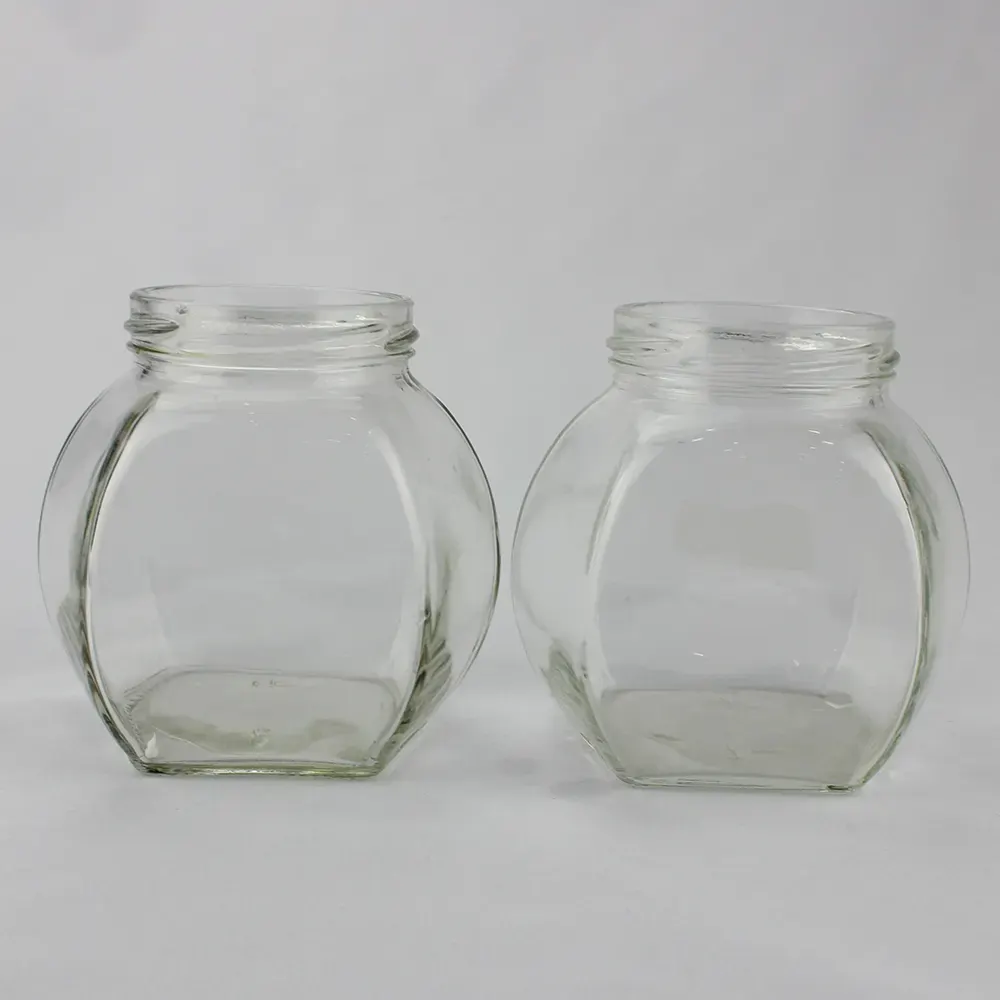
Filed under bulk glass jars; the moulds we quote for this are pictured at the foot of the page.
Wholesale Glass Spice Jars: Shaker and Grinder Closure Pairing, the Size System and Bulk Pricing
A spice jar is not a jar — it is a dispensing system. The glass body, the shaker or grinder fitment, the cap and the freshness liner have to work as one unit, and the most expensive mistake in spice packaging is buying 50,000 jars and then discovering the fitments you sourced elsewhere don’t snap into the finish. This page is written for buyers speccing a full spice jar program: the size system and finishes, how to pair shaker and grinder closures correctly, and what jars-plus-closures kits cost at real wholesale volumes.
The Spice Jar Size System: Capacities, Finishes and Shapes
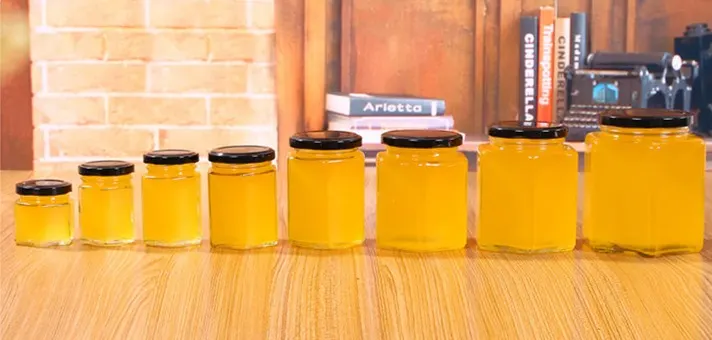
Retail ground spices standardise on a narrow band of capacities because of shelf-planogram constraints and the 40-60g net weights consumers expect. The table below is the working range we run continuously; all sizes are available in round, square and hexagonal bodies, in flint as standard with amber for light-sensitive products like paprika and chilli flakes.
| Nominal size | Brimful | Finish | Closure options | Glass weight |
|---|---|---|---|---|
| 60ml mini | 70ml | 38mm | Shaker fitment + PP cap; grinder | 95g |
| 100ml | 112ml | 43mm | Shaker / flapper fitment + PP cap | 130g |
| 120ml | 135ml | 53mm | Flapper fitment + PP or metal cap | 155g |
| 200ml | 220ml | 53mm / 63mm | Shaker, flapper or spoon-fitment + cap | 210g |
| 250ml grinder jar | 265ml | 38-42mm | Ceramic or PP grinder top | 230g |
One trap: “100ml” from three different factories means three different brimful volumes and three different fill heights. Always spec by brimful capacity and check the fill-height drawing against your declared net weight before ordering — underfilled-looking jars are the number one consumer complaint in the spice category.
Closure Pairing: Shaker Fitments, Flappers and Grinder Tops
The closure decision is driven by what is inside the jar, and it locks in your finish choice:
- Shaker / sifter fitments. A food-grade PP insert that snaps into a 43mm, 53mm or 63mm finish, with 3-7 holes of 3-6mm diameter. Small orifices (3mm) suit fine powders like garlic and onion; 5-6mm suits oregano, parsley and chilli flakes. The fitment sits under a PP screw cap that protects the holes and carries the liner.
- Flapper (dual-flap) fitments. One lid, two openings: a spoon/pour side and a shake side. Standard on 53mm and 63mm foodservice and club-store formats where the user alternates between measuring and sprinkling.
- Grinder tops. For whole peppercorns, sea salt and spice blends. Adjustable-grind versions add a dial ring. Grinder jars run a 38-42mm neck; the grinder head crimps or screws on, and we torque-test the assembled unit to your line’s capping window.
Compatibility rule of thumb: fitment snap diameter must match the finish inner diameter within 0.3mm, and cap torque retention must be verified with the actual liner in place.
Freshness Engineering and Bulk Pricing
Ground spices stale through oxygen and moisture, so the liner is not optional. For light-sensitive products, amber glass cuts UV transmission by roughly 90% versus flint at no price penalty above 30,000 pieces. Label panels are moulded into square and hex bodies; round jars take wrap labels up to 40% of circumference without wrinkle risk.
A 40HQ container loads roughly 120,000-150,000 jars of the 100-120ml class. For help choosing between sizes see the glass bottle size selection hub, and for adjacent formats the 120ml jars guide and 250ml jars wholesale page. Our quality inspection process covers how closure torque and liner integrity are checked pre-shipment; send your spice list and volumes through the contact page for a kit quote.
Related: glass spice grinder bottles
Frequently Asked Questions
Should I choose shaker fitments or grinder tops for my spice line?
Match the closure to the particle: ground spices (paprika, garlic powder, cinnamon) need a shaker or flapper fitment with 3-6mm orifices; whole peppercorns, sea salt crystals and dried herbs for finishing need a grinder top. Most retail spice brands run both: 43mm or 53mm shakers for the ground range and 38-42mm grinder jars for pepper and salt SKUs.
Can I buy jars and closures as one matched kit?
Yes, and you should. We supply jar, fitment and cap as a torque-tested kit from 10,000 sets, so the fitment snap diameter, cap thread and liner are guaranteed to work together. Buying jars and closures separately is the most common cause of leakers and fitments that pop out on the filling line.
Do wholesale spice jars come with a freshness seal?
Two options: an induction heat-seal foil liner inside the cap (hermetic, tamper-evident, standard for retail ground spices) or a pressure-sensitive foam liner (reclosable, cheaper, adequate for foodservice packs).
Are the plastic fitments and caps food-safe for the EU and US?
Yes. Fitments and caps are moulded in food-grade PP compliant with EU Regulation 10/2011 and FDA 21 CFR 177.1520, with overall and specific migration test reports available per lot. Glass itself is inert soda-lime and passes heavy-metal migration limits for food contact in both markets.
Round, square or hexagonal — which shape sells best for spices?
Round 43mm jars dominate foodservice and value retail because they fill fastest. Square jars maximise shelf-facing density and give four flat label panels. Hexagonal jars read as premium/artisan and are standard for gift sets and farmers-market brands.
What is the realistic lead time for a 50,000-piece spice jar order?
Lead times are quoted per project, once the mould, decoration and line schedule are confirmed.
Request a Quote
Send us your target capacity, closure, quantity and destination port. Quotes are answered in one to two business days.