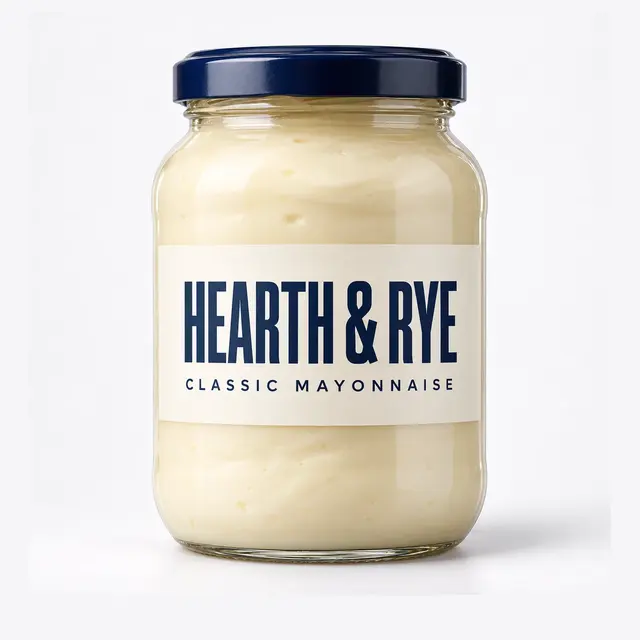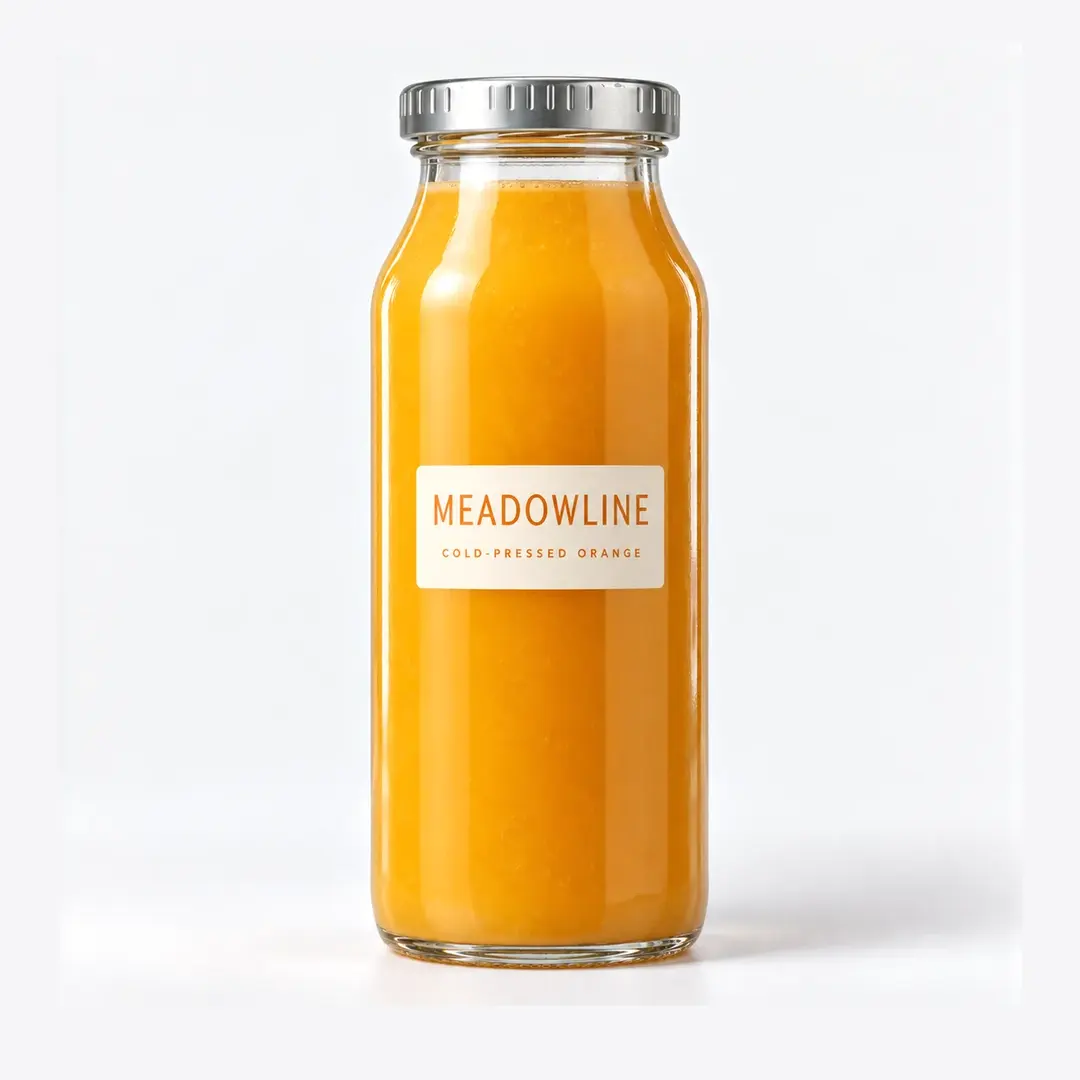
The 303 series is a tall, gently tapered glass jar in the milk-bottle tradition, finished with a lug twist-off neck for hermetic metal caps. Dairy-drink brands, cold-pressed juice companies, dressing producers, and compliance-focused food importers choose it when the packaging file matters as much as the package: this is a food-contact soda-lime glass container backed by test reports, made in a factory that documents annealing, thermal performance, and heavy-metal migration so your regulatory review goes smoothly in the EU, the US, and beyond.
Food-Grade Compliance, Documented
“Food grade” is a claim; compliance is a file. For the 303 series we build that file from the batch up. The glass is soda-lime composition with no added lead or cadmium, melted from controlled raw materials. Migration testing against food-simulant protocols can be supplied with your shipment, supporting EU Framework Regulation food-contact declarations and US FDA expectations for glass containers. If your market requires a Declaration of Compliance, we issue it against the actual production lot, not a generic template.
Inside the factory, quality control is instrument-based rather than visual guesswork. Thermal-shock resistance is verified per ASTM C149, so hot-fill programs have a measured margin rather than an assumed one. Annealing quality and residual stress are examined per the ISO 7459 polariscopic method, which catches the invisible stress that causes spontaneous breakage weeks after filling. Internal-pressure resistance is sampled per ISO 7458 where the application requires it, and dimensional gauging plus camera inspection run on every jar for seeds, blisters, stones, and finish defects. Agreed AQL limits are written into your purchase contract, so inspection expectations are settled before production begins.
A Tall Format for Drinks, Dressings, and Dairy-Style Products
The 303 silhouette comes from the milk bottle, and it keeps the virtues of that heritage: a tall profile that reads as fresh and wholesome, a shoulder that pours cleanly, and a stable base for refrigerated shelves. Drinkable yogurt, kefir, cold-pressed juice, iced coffee, flavored milk, salad dressings, and premium syrups all sit naturally in this shape. The lug twist-off mouth is wide enough for smooth filling of pulpy juice and creamy dressings, and consumers re-close the metal cap between servings, which suits multi-serve refrigerated products.
For ambient shelf-stable lines, the same lug system with a plastisol-lined cap forms the vacuum seal that protects acidified sauces and preserves. Your process authority should validate thermal-shock margin against actual fill temperature and cooling profile; we supply the wall-thickness map and annealing records that the validation file needs. Exact capacity, finish dimensions, and glass weight are confirmed on the technical drawing at quotation, and matched caps can ship in the same order so neck fit is guaranteed.
Labeling and Brand Presentation
The tall straight wall is a generous, predictable label canvas. Wrap labels apply without compound-curve wrinkling, shrink sleeves conform smoothly from shoulder to base, and the neck accepts a collar band for tamper-evidence upgrades where retailers require them. For chilled grab-and-go programs, the narrow footprint lets facings multiply in limited fridge space, which buyers notice when they planogram. Flint glass shows product color honestly; if your juice or dairy drink sells on freshness, transparency is the feature.
MOQ, Packing, and Import Practice
The 303 series runs from a stock mold in standard flint glass, so no tooling charge applies. Jars pack into divider cartons, stack on export pallets, and ship shrink-wrapped with a container loading plan issued at quotation, so landed cost is calculable before commitment. Tall jars palletize slightly less densely than squat formats, and the loading plan makes that trade-off explicit in numbers rather than surprises. To understand how furnace scheduling, decoration, and cap supply set minimum quantities, read our glass jar MOQ explained guide before you brief your purchasing team.
If this is your first glass import program, our practical walkthrough on importing glass bottles and jars from China covers Incoterms, marine insurance, customs documents, and destination charges in plain language, with the compliance paperwork checklist that food-contact imports require.
Building Your Compliance File With Us
Importers who get stopped at customs rarely fail on the product; they fail on documents. For the 303 series we assemble the paper trail alongside production: batch composition statement, migration test reports, annealing and thermal-shock records, Declaration of Compliance where required, and packing documentation matched to the shipment. Tell us your destination market at inquiry stage and we flag any market-specific requirement, from EU food-contact symbols to retailer-specific audit formats, before the goods are on the water.
Sustainability Credentials Buyers Ask For
Retail audits increasingly include packaging sustainability questions, and glass answers them well. The 303 series is recyclable endlessly without quality loss, contains recycled cullet in the batch as furnace practice allows, and carries no plastic liner, coating, or laminate that complicates the recycling stream. For brands publishing ESG targets, a lightweighting review at quotation can trim glass weight where distribution distances allow, reducing both freight emissions and material use per unit while keeping the performance margins your process requires. Ask the export team for the current cullet percentage and lightweighting options when you request your quotation, and we will include the figures in the technical package alongside the drawing.
Request Samples and a Quotation
Send your product type, fill volume, process (chilled, hot-fill, or ambient), cap preference, and annual quantity, and we will return the technical drawing, a matched cap recommendation, the compliance document list, and a packing plan. Samples from current production are available for filling and shelf-life trials. Contact the export team through the contact us page and reference the 303 series.
Frequently Asked Questions
Is the 303 series glass food-grade and compliant for EU and US import?
Yes. It is food-contact soda-lime glass with no added lead or cadmium. Migration test reports and a Declaration of Compliance can be issued against your production lot to support EU food-contact declarations and US FDA expectations for glass containers.
What products suit the tall 303 jar?
Drinkable yogurt, kefir, cold-pressed juice, iced coffee, flavored milk, salad dressings, and premium syrups. The lug twist-off mouth fills pulpy or creamy product smoothly, and the metal cap re-closes between servings for multi-serve refrigerated products.
Can it be used for hot-fill shelf-stable products?
Yes, within normal hot-fill and pasteurization practice. Thermal-shock resistance is sampled per ASTM C149, and we provide wall-thickness and annealing records (ISO 7459) so your process authority can validate the margin for your line.
What quality tests are performed on each run?
Automatic dimensional gauging and camera inspection on every jar, plus laboratory sampling: thermal shock per ASTM C149, annealing stress per ISO 7459, and internal pressure per ISO 7458 where required. AQL limits are agreed in the purchase contract.
What documents do you provide for customs and regulatory review?
Batch composition statement, migration test reports, annealing and thermal-shock records, Declaration of Compliance where required, and matched packing documentation. Tell us your destination market at inquiry so market-specific requirements are flagged early.
What is the MOQ and how are the jars packed?
Stock mold, no tooling charge. MOQ depends on furnace scheduling and decoration; see our MOQ explained page. Jars ship in divider cartons on shrink-wrapped pallets with a container loading plan issued at quotation.