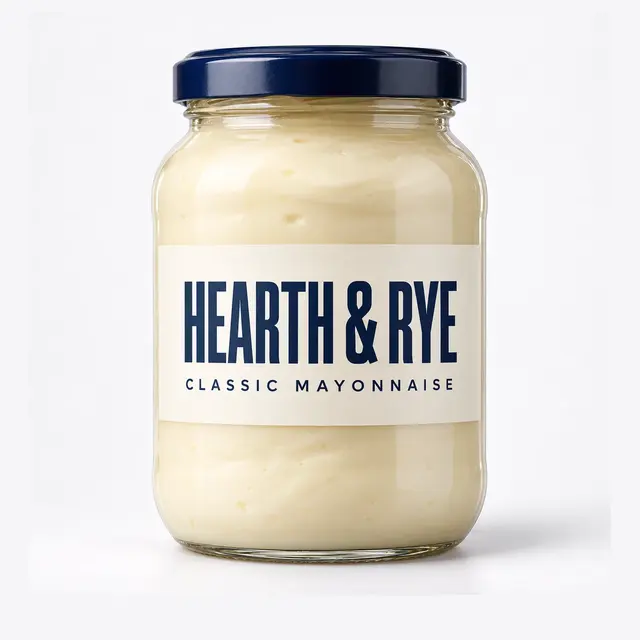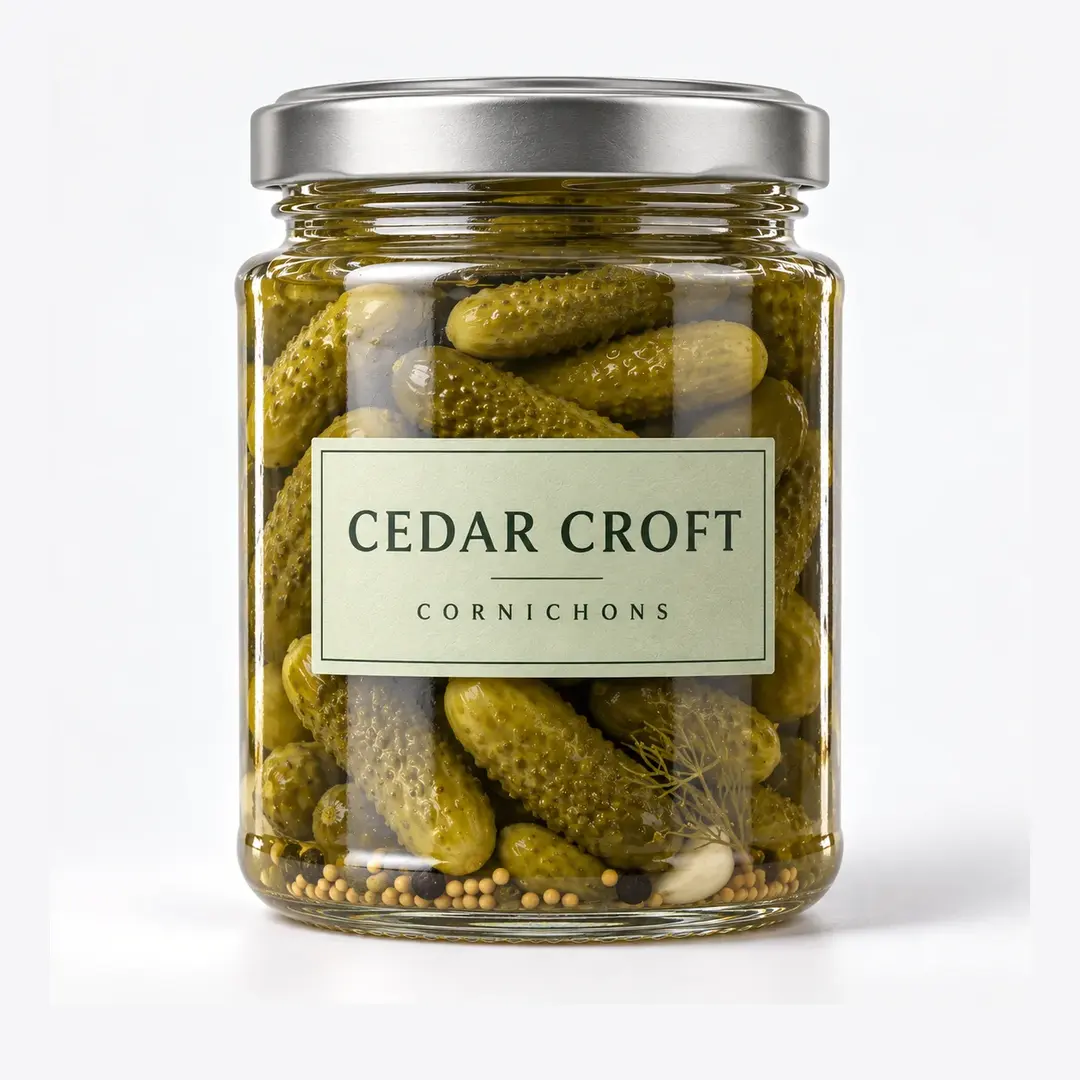
The 343 series is the classic cylindrical food jar: straight walls, a broad shoulder, and a lug twist-off finish sized for vacuum-sealing metal caps. It is the format sauce makers, pickle packers, and preserve brands reach for when freshness is the promise, because the lug cap system delivers something no other closure gives the consumer at first opening: an audible pop that proves the jar was sealed tight from your line to their kitchen.
The Pop That Sells Freshness
Shoppers cannot see a hermetic seal, but they can hear one. When a lug cap is applied hot over a plastisol liner and the headspace steam condenses, vacuum pulls the safety button down and locks the cap against the glass. At first opening, breaking that vacuum releases the familiar pop. That sound is your freshness guarantee made physical, and brands build loyalty on it. Retailers rely on it too: a button that is up before opening signals a compromised pack, making tamper evidence automatic at the shelf without seals, bands, or extra packaging cost.
The 343 series is engineered around this system. The lug finish has a level, generous sealing land so the liner seats evenly at line speed, and the neck glass is gauged for concentricity so capper heads apply uniform torque across millions of cycles. The result is vacuum consistency: tight vacuum values, low button-up rejects in the warehouse, and a pop your customers can count on jar after jar.
A Workhorse Shape for Sauces and Preserves
Straight walls are an engineer’s friend. They fill predictably on piston and gravity fillers, label without compound curves, and pack efficiently in cases with minimal void. The 343 series uses that geometry for products across the grocery: pasta and cooking sauces, salsas, pickles and olives, relishes, fruit preserves, honey, and dry goods like spice blends and coffee. The wide lug mouth accepts particulate-heavy product without bridging, and consumers empty the jar completely with a spoon, an underrated driver of repeat purchase.
The broad shoulder transitions smoothly into the neck, so there are no ledges to trap product during filling or rinsing. For hot-fill acidified foods and water-bath pasteurized preserves, the annealed soda-lime body carries normal process headroom; your process authority should validate thermal-shock margin against actual fill temperature and cooling profile, and we supply the wall-thickness data for that file. Exact capacities, finish dimensions, and glass weight are confirmed on the technical drawing at quotation.
Closures, Colors, and Branding
We supply matched metal lug caps with the jars, plain or printed, in standard and custom colors. Deep-twist caps for larger finishes and button-top caps for tamper evidence are both supported, and cap liners are selected for your product chemistry, whether oil-based sauce or high-acid pickle brine. On the glass side, the cylindrical wall takes wrap labels, front-and-back sets, or shrink sleeves cleanly, and screen printing is available for premium programs once volume justifies the setup.
Quality Control and Compliance
Every 343 series run passes automatic dimensional gauging and camera inspection for seeds, blisters, stones, and finish defects, backed by laboratory sampling. Thermal-shock resistance is verified per ASTM C149, annealing quality and residual stress are examined per the ISO 7459 polariscopic method, and internal-pressure resistance is sampled per ISO 7458 where the application requires it. The batch is food-contact soda-lime glass with no added lead or cadmium, and heavy-metal migration reports can be issued with the shipment for EU and US regulatory files. Agreed AQL limits are written into your purchase contract so inspection expectations are shared before production, not argued after arrival.
Because the lug system lives or dies on finish quality, we hold finish height, bore diameter, and thread profile to tight tolerances and record cap-application torque windows with your order documentation.
MOQ, Packing, and Freight
The 343 series runs from a stock mold in standard flint glass, so there is no tooling charge. Jars pack into divider cartons, stack on export pallets, and ship shrink-wrapped, with the container loading plan issued at quotation so landed cost is calculable before you commit. The cylindrical format cubes out containers efficiently, keeping freight per jar among the lowest of any shape family. For how furnace scheduling, decoration, and cap supply set minimum quantities, read our glass jar MOQ explained guide.
First-time importers can follow our practical walkthrough on importing glass bottles and jars from China, covering Incoterms, marine insurance, customs documents, and destination charges in plain language.
Getting the Seal Right on Your Line
Three habits make the pop reliable. Fill hot enough that headspace steam can displace air; apply caps within the specified torque window, neither crushing the liner nor leaving it loose; and cool jars gradually so vacuum forms without thermal shock. We include recommended fill-height and capping guidance with the technical drawing, and samples from current production are available so your team can validate the full cycle, fill, cap, cool, store, and open, before the order ships.
Why Buyers Standardize on This Format
Procurement teams like the 343 series for a simple reason: it de-risks the supply chain. A stock mold means repeat orders without tooling delays, a common finish means caps are available from multiple sources in every market, and a cylindrical body means any competent labeler, filler, and case packer handles it without custom change parts. When a promotional surge doubles your volume, this is the jar shape that scales without drama.
Request a Quotation
Send your product type, fill weight, cap preference, and annual volume, and we will return the drawing, a matched cap recommendation, and a packing plan. Reach the export team through the contact us page and mention the 343 series.
Frequently Asked Questions
What makes the lug cap on the 343 series pop when opened?
The cap is applied hot over a plastisol liner; as the headspace steam condenses, vacuum forms and pulls the safety button down. First opening breaks the vacuum with an audible pop, which confirms the hermetic seal held from the filling line to the consumer.
What products is the 343 cylindrical jar best for?
Pasta and cooking sauces, salsas, pickles, olives, relishes, fruit preserves, honey, and dry goods such as spice blends. Straight walls fill predictably, label cleanly, and let consumers empty the jar completely with a spoon.
Is the safety button enough for tamper evidence?
For most retail programs, yes. A raised button before opening signals a compromised seal, giving automatic tamper evidence without extra bands or seals. Some markets or chains specify additional features; tell us your requirement and we will match the cap.
Can the jar handle hot-fill and pasteurization?
Yes, within normal hot-fill and water-bath practice. Thermal-shock resistance is sampled per ASTM C149, and we provide wall-thickness data so your process authority can validate margin against your fill temperature and cooling profile.
Do you supply the caps with the jars?
Yes. Matched metal lug caps, plain or printed, with liners selected for your product chemistry, can ship in the same order, so neck fit and torque windows are guaranteed. Exact finish dimensions are confirmed on the technical drawing.
What is the MOQ for the 343 series?
It runs from a stock mold with no tooling charge. MOQ depends on furnace scheduling and decoration; our MOQ explained page details how quantities are calculated, and cylindrical jars cube out containers efficiently to keep freight per jar low.