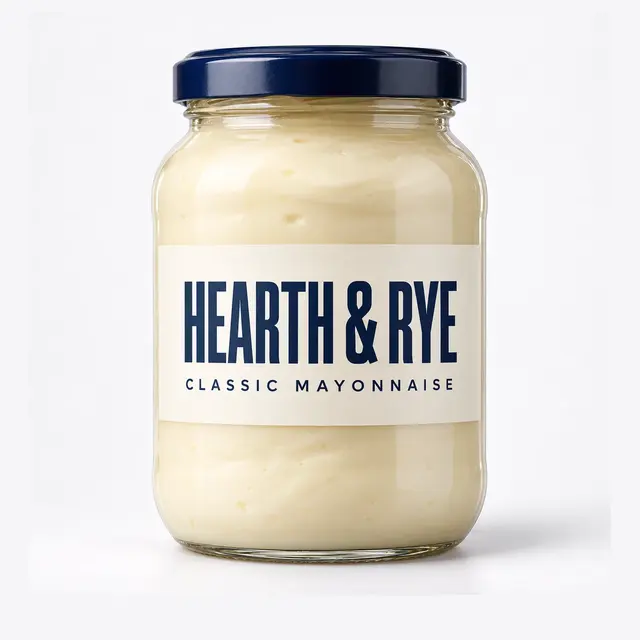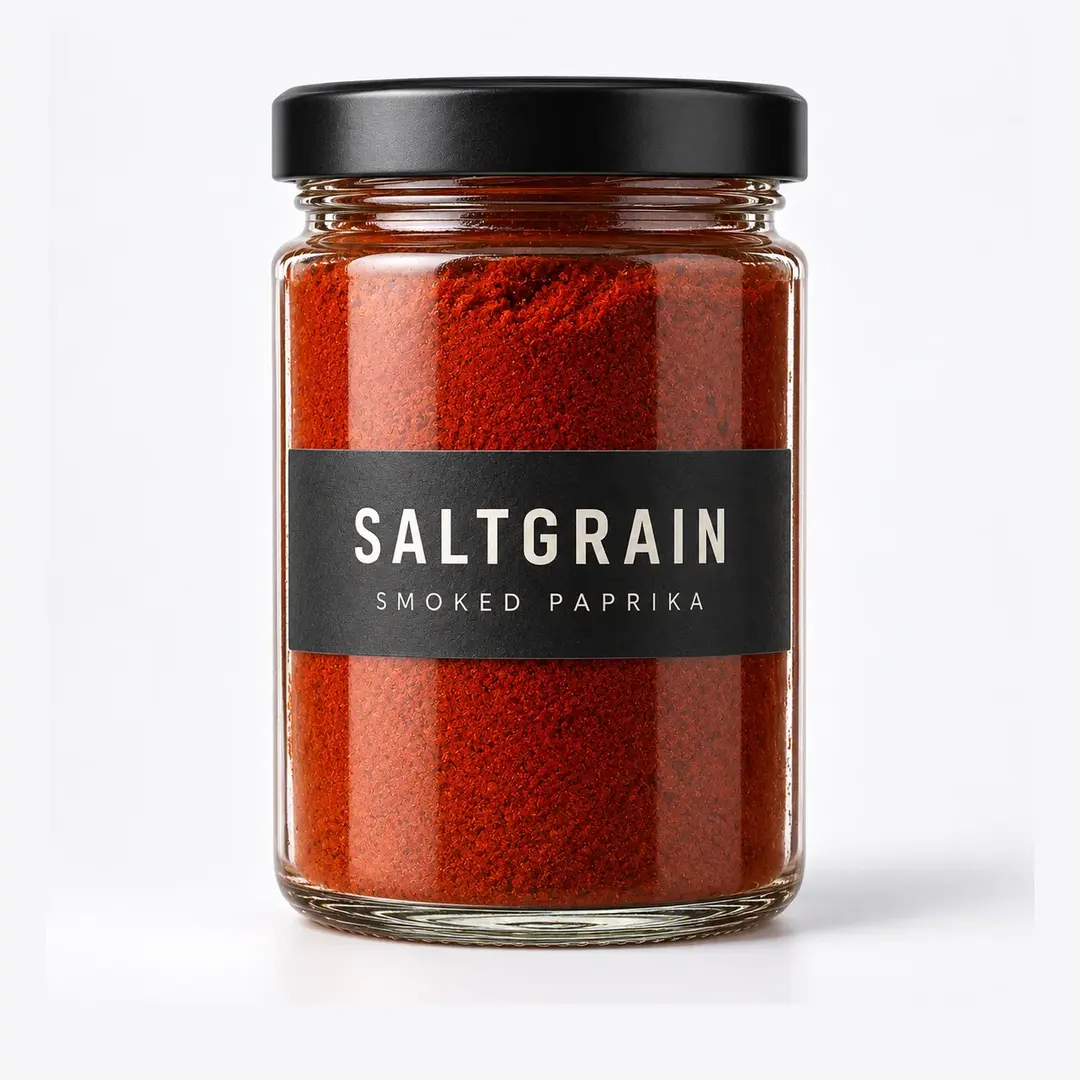
The 534 series is a 250 ml straight-sided round glass jar with a twist-off finish – a compact format built for spices, gourmet condiments, sampling programs and gift sets. It serves spice blenders, specialty food brands, hotel and airline amenity buyers, and e-commerce sellers who need a small jar that is genuinely food-grade, seals reliably and presents like a premium product despite its size. Supplied wholesale with matched lids, the 534 series gives small-format products the packaging discipline usually reserved for litre-class containers.
The Small-Format Advantage for Spices and Gourmet Lines
Small jars solve commercial problems that large ones cannot. For spices and seasoning blends, a 250 ml format keeps product turnover high – ground spices lose volatile aromatics over time, so a package sized for months rather than years of use protects the flavor your brand is selling. For gourmet condiments – truffle honey, saffron, finishing salts, specialty mustards – a compact jar keeps the unit price accessible, converting curious browsers into first-time buyers who trade up later.
The straight-sided body earns its place on the line and on the shelf. Cylindrical jars orient predictably on filling and labeling equipment, accept wraparound or front labels without skew, and shelf-pack densely in retail trays. The wide-for-its-size mouth accepts spice-filling augers and lets consumers reach in with measuring spoons – a usability detail that specialty buyers notice. And because clear flint glass shows the product, a vibrant paprika, a flaky sea salt or a layered dip mix becomes its own shelf display.
At 250 ml the format also anchors tasting sets: three, four or six jars in a printed carton is the specialty food industry’s most reliable gift SKU, and the 534 series packs uniformly so set cartons stay compact. Brimful capacity, finish dimensions and glass weight are confirmed on the technical drawing at quotation.
Food-Grade Compliance: FDA and EU Food-Contact Readiness
Small jars are disproportionately exported and disproportionately gifted – which means they cross borders and regulatory regimes constantly. Compliance cannot be an afterthought. Soda-lime glass is chemically inert and contains no plasticizers, coatings or liners that could migrate into food, making it one of the most straightforward materials to declare for food contact. We support the 534 series with food-contact declarations aligned to US FDA requirements and EU Regulation (EC) No 1935/2004 on materials intended to come into contact with food, with heavy-metal migration testing available through accredited laboratories on request.
The closure receives equal scrutiny. Twist-off caps are lined with plastisol or PVC-free compounds declared against the same FDA and EU frameworks, selected for your product’s acidity, oil content and fill temperature – particularly relevant for spice blends in oil, infused honeys and acidic condiments. If your destination market layers additional requirements on top – retailer-specific audits, California Proposition 65 screening – flag it at inquiry so the documentation pack is assembled correctly the first time rather than retrofitted after a customs query.
Portion Packs, Sampling Programs and Amenities
Glass earns its premium over plastic in this category through barrier performance. Ground spices and seasoning blends lose potency to oxygen and moisture; soda-lime glass is effectively impermeable to both, so a properly sealed 534 jar protects volatile aromatics across the full declared shelf life – something no commodity plastic jar can honestly claim. For oil-containing blends and infused products, glass adds chemical inertness: no interaction with essential oils, no flavor scalping, no risk of the package itself becoming a quality variable in your retention samples.
For organic and clean-label brands, that inertness also simplifies certification narratives: glass is the easiest packaging material to defend in an ingredient-integrity story, and auditors rarely raise it as a concern.
Beyond retail, the 250 ml format serves commercial channels that buy in volume but think in portions. Hotels and cruise lines use small jars for breakfast preserves and honey; airlines and rail caterers specify them for premium meal services; subscription box companies build monthly tasting themes around them; and food manufacturers use them for trade-show sampling and new-product trials where a full-size SKU would waste product and budget. In every case the requirement is identical: a jar that seals hermetically, survives distribution and looks considered. The twist-off vacuum closure delivers the audible freshness pop even at this scale, and custom-lithographed cap panels carry branding where a label would overwhelm the small format.
Quality Control and Packing
Small size does not mean relaxed QC. Thermal shock resistance is verified per ASTM C149 and ISO 7459, covering hot-filled preserves, infused oils processed warm and any pasteurization step in your process. Annealing quality is assessed per ISO 7458 under polarized light to screen out residual stress. Finish dimensions are gauged lot by lot so caps apply within torque specification, and visual inspection covers stones, blisters and checks that would be unacceptable at a premium price point.
Small jars ship in high piece counts, so packing discipline matters: divided cartons, palletized and shrink-wrapped on an automated line, as shown below, with container loading planned to keep cartons static across an ocean voyage. Third-party pre-shipment inspection is welcomed.
MOQ, Samples and How to Order
The 534 series is a wholesale program; minimum order quantities depend on mold scheduling and decoration, and the interplay of order size, customization and frequency is explained in our guide to glass bottle MOQ. Samples with matched lids are available for filling trials, seal validation and buyer or retailer presentations.
If this jar is one line in a broader container program, our primer on importing glass bottles from China covers freight consolidation, documentation and quality checkpoints. To price the 534 series for your spice, condiment or gift-set SKU, send your product, fill process, target volume and destination port via the contact page – we will return a drawing, closure specification and a firm quotation.
Frequently Asked Questions
Is the 250 ml 534 series suitable for spice packaging?
Yes. The 250 ml format keeps ground spices within their peak-flavor consumption window, the wide mouth accepts auger fillers and measuring spoons, and clear flint glass displays color. For oily spice blends or infused products, the cap lining compound is selected for oil and acidity resistance – describe your product at inquiry.
What food-contact compliance documentation do you provide?
We supply food-contact declarations aligned to US FDA requirements and EU Regulation (EC) No 1935/2004 for both glass and lid lining compounds. Heavy-metal migration testing through accredited laboratories can be arranged on request, and we prepare market-specific additions such as Proposition 65 screening when flagged at inquiry.
What is the MOQ for the 534 series?
MOQ depends on mold scheduling and decoration and is quoted per project. Stock-mold orders start at a manageable wholesale lot, which suits growing brands; custom embossing requires a dedicated mold. Our glass bottle MOQ guide explains how order size and customization affect the threshold, and we will recommend the best structure for your volume.
Can lids be customized for gift sets?
Yes. Twist-off cap panels accept custom lithography in your brand colors, with optional vacuum safety buttons. This is often the most effective branding surface on a small jar where a large label would overwhelm the format. Label and screen-print options for the glass are also quoted at inquiry.
Can we order samples for a subscription-box or hotel program?
Yes. Samples with matched lids are available so you can validate filling, sealing and presentation with your actual product and, where relevant, test pack them in your set cartons. Sample freight is typically at the buyer’s cost and is commonly credited against the first production order.
What lead time should we plan for?
Lead time depends on order size, decoration and mold scheduling, and is stated firmly in your quotation. First orders include drawing confirmation and sampling; repeat orders on a confirmed specification move faster. For seasonal programs such as holiday gift sets, contact us early so production and ocean freight are scheduled with margin.