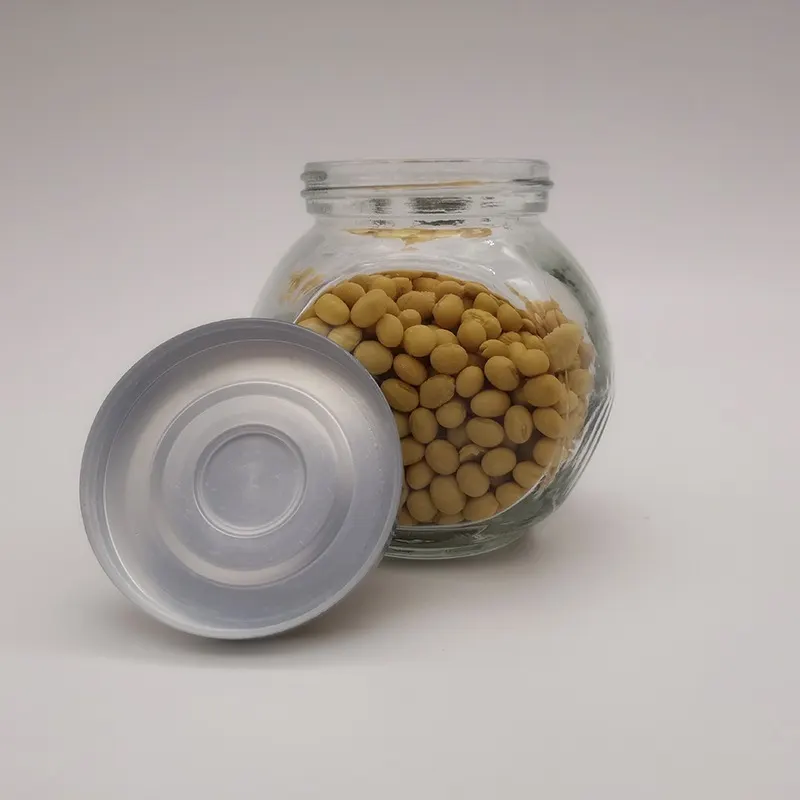
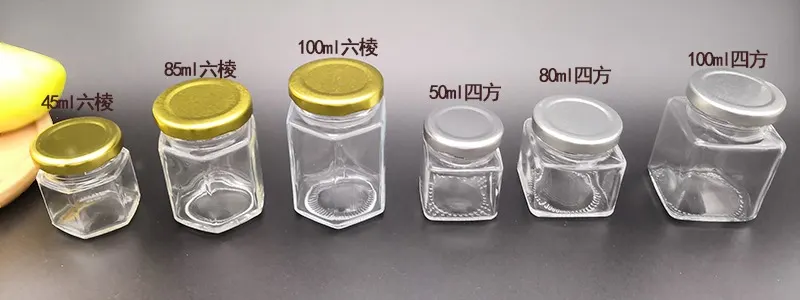
Filed under glass jars wholesale; the moulds we quote for this are pictured at the foot of the page.
Mason jars have moved far beyond grandma’s pantry. Today they anchor product lines for jam makers, cold-brew coffee brands, overnight-oats startups, candle studios, and meal-prep services across North America and Europe. If you are sourcing mason jars wholesale for a food or beverage brand, the decisions you make on size mix, lid systems, and order volume will shape your unit economics for years. This pillar guide walks through the full wholesale picture: the complete size spectrum from 2 oz tasters to 64 oz bulk jars, closure compatibility, price ladders, private label options, and the quality checks that separate a reliable supply program from a costly recall.
Use this page as your sourcing blueprint, and follow the internal links to the dedicated size pages when you are ready to narrow down a specific capacity.
Why Food Brands Standardize on Mason Jars
The mason jar silhouette does commercial work that a generic straight-sided jar cannot. The threaded neck and shoulder profile signal “preserved, craft, honest” to shoppers, which is why jam, salsa, pickles, nut butter, honey, and overnight-oats brands keep returning to the shape even when cheaper cylindrical jars exist. Retailers understand the format too; shelf planograms in the natural-foods channel are often built around standard mason footprints, so a jar that matches the expected diameter slots into existing shelf space without negotiation.
From an operations standpoint, standardization compounds savings. A brand that runs three mason sizes can often share one lid specification across two of them, consolidate pallet patterns, and negotiate a blended volume price with the factory. Because mason jars are produced in enormous global volumes, molds are mature, defect rates are low, and lead times are predictable compared with custom proprietary shapes. For buyers comparing options, our overview of mason jars in bulk explains how stock molds keep unit costs down at every tier.
The Full Size Spectrum: From 2 oz Tasters to 64 oz Bulk Jars
Choosing sizes is really choosing use occasions. The 2 oz and 4 oz jars serve sample packs, hotel amenity programs, spice blends, and single-serve desserts. Mid-range 8 oz and 12 oz jars dominate jams, jellies, salsas, and candles. The 16 oz pint is the workhorse of the category: meal prep, cold-brew coffee, drinking jars, and premium preserves all gravitate to it. The 32 oz quart serves family-size sauces, fermented vegetables, and beverage concentrates, while the 64 oz half-gallon covers kombucha, bulk dry goods, and foodservice back-of-house storage.
Each capacity has its own demand curve and price behavior, so we maintain dedicated guides for the sizes buyers ask about most. Explore the 2 oz mason jars bulk page for sampling programs, the 4 oz mason jars bulk page for baby-food-style portions, and the 8 oz mason jars bulk page for the classic jelly format. Moving up, see 12 oz mason jars wholesale for salsa and candle volumes, 16 oz mason jars bulk for the pint format, 32 oz mason jars bulk for quart applications, and 64 oz mason jars bulk for half-gallon programs.
Regular Mouth vs Wide Mouth: Picking the Right Opening
Mason jars come in two neck standards. Regular mouth jars carry a 70 mm continuous-thread finish, while wide mouth jars use an 86 mm finish. The choice is not cosmetic; it determines filling speed, consumer experience, and lid cost. Wide mouth jars accept whole pickles, peach halves, layered salads, and ice cubes, and they empty cleanly with a spoon, which is why meal-prep and fermented-vegetable brands prefer them. Regular mouth jars pour more controllably, cost slightly less per lid, and remain the default for jams, sauces, honey, and drink-through lids.
From a procurement view, mixing finishes multiplies your lid SKUs. A brand running both finishes needs two lid inventories, two capping chucks, and two sets of spare parts. Many growing brands deliberately standardize on wide mouth across their range to simplify operations, accepting a marginally higher closure cost in exchange for one lid specification. If your product line spans both pourable and spoonable foods, run the math on lid consolidation before finalizing your jar list; the savings often exceed the small per-unit difference in glass price.
Lid and Closure Systems That Keep Shelves Safe
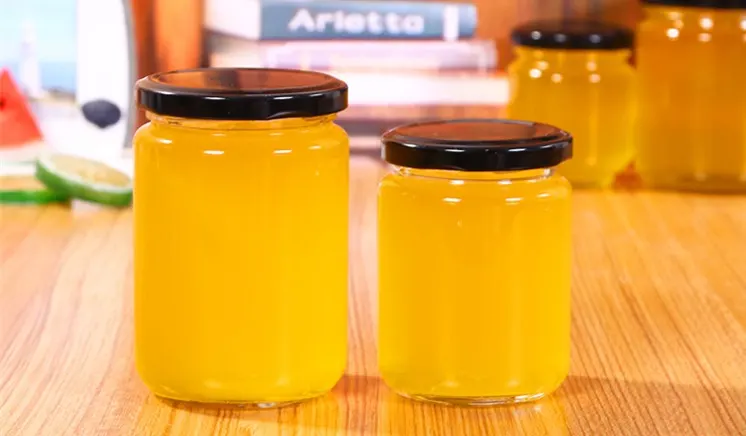
The classic mason closure is the two-piece system: a flat lid with a plastisol sealing compound and a separate threaded band. For home canning aesthetics and hot-fill processes, it remains unbeatable, and consumers recognize it instantly. Commercial food brands, however, increasingly choose one-piece lug or continuous-thread metal caps with plastisol liners because they apply faster on automated lines and reseal with a single twist. For dry goods and candles, unlined metal or bamboo lids reduce cost where a hermetic vacuum seal is not required.
Match the liner to the process. Plastisol-lined lids are designed for hot-fill and water-bath processing, where heat softens the compound so it flows into the glass finish and forms a vacuum seal on cooling. For acidic products below pH 4.6, confirm the liner is rated for acid resistance, and for oily products request an oil-resistant formulation. Buyers sourcing for thermal processing should also review our canning jars bulk guide, which covers heat-process validation in depth. Closure samples should always be tested on your actual filling line before a production order is placed.
What Drives the Price
Wholesale mason jar pricing follows a step ladder driven by furnace economics and mold changeovers. The table below shows typical tier behavior for standard flint mason jars; exact quotes depend on size, finish, decoration, and destination port, but the ratios hold across the category.
| Order Quantity | Best For |
|---|---|
| 5,000 – 20,000 pcs | Startups, pilot runs, market tests |
| 20,000 – 100,000 pcs | Growing brands, regional distribution |
| 100,000 – 500,000 pcs | National retail programs |
| 500,000+ pcs | Co-packers and multi-brand groups |
Two levers move you down the ladder without raising volume: consolidating sizes into fewer molds, and accepting factory-standard cartons instead of custom retail packaging. Buyers who plan quarterly releases against annual volume commitments routinely unlock the next tier. For a broader view of how tier pricing works across jar categories, see wholesale mason jars, which explains where cost can safely come out of a specification and where it cannot.
Private Label and Customization Options
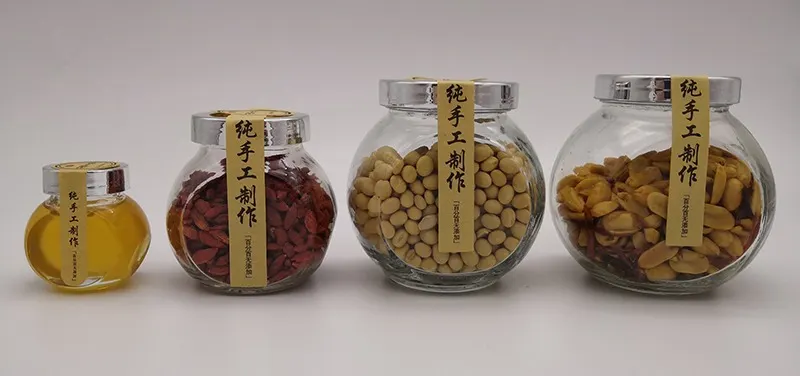
Stock mason jars become brand assets through decoration. The most cost-effective route is embossed branding on the glass itself, where your logo or brand name is cut into the mold; this carries a one-time mold fee but zero per-unit cost afterward, and it communicates permanence that a paper label cannot. Screen printing in one to three colors works well for fill lines, measurement marks, and minimalist branding. Full-wrap labels, shrink sleeves, and pressure-sensitive labels handle complex artwork without touching the mold.
Color is another differentiator. Beyond standard flint, amber and colored glass protect light-sensitive contents and stand out on shelf; specialty programs can also explore colored canning jars for seasonal or gift lines. Lids carry branding too: custom colors, printed top discs, and embossed bands all reinforce identity at modest cost. Brands building a full custom program should review custom mason jars for mold development timelines, decoration tolerances, and artwork requirements before committing to a design.
Quality Checks Before You Sign a Purchase Order
A mason jar looks simple, but five measurable properties determine whether your filling line runs or jams. First, capacity tolerance: brimful and overflow capacity should be certified per mold, because label claims depend on them. Second, neck finish dimensions: the thread profile must match the closure spec within tolerance or vacuum seals fail intermittently. Third, thermal shock resistance: jars destined for hot-fill should withstand the differential your process imposes, typically validated through sample thermal cycling. Fourth, annealing quality: poorly annealed glass carries residual stress that shows up as spontaneous breakage weeks later. Fifth, visual defects: stones, blisters, bird swings, and checks each have acceptance limits defined in standard AQL tables.
Ask your supplier for a specification sheet per mold, not a generic catalog page, and retain sealed approval samples signed by both parties. Our mason jar specifications page shows what a complete data sheet looks like, and the mason jar manufacturer overview explains how furnace-to-finish control keeps those numbers stable across repeat orders. For heritage-style programs, the classic embossed aesthetic remains available and is requested by name on a large share of briefs.
Logistics: Pallets, Cartons, and Realistic Lead Times
Mason jars ship nested in corrugated cartons with divider cells, typically twelve jars per carton for pints and quarts, then palletized at roughly ninety-six to one hundred twenty cartons per pallet depending on size. A 40-foot high-cube container holds around one hundred thousand pint jars, which is why ocean freight per unit drops sharply at container-load volumes. Buyers with seasonal peaks, such as harvest-time preserve brands, should book furnace slots at least one quarter ahead.
Damage control is a packaging specification, not luck. Specify pallet corner boards, shrink wrap, and sheet separation between layers, and confirm the factory’s breakage allowance in writing. Most professional programs carry a two to three percent breakage tolerance with credit terms. Working with an experienced glass jar manufacturer that handles export documentation, fumigation-free pallets, and destination compliance saves far more than the small premium over a trading intermediary.
Building Your Size Mix: A Practical Starting Formula
New brands routinely ask how many sizes to launch with. The answer: start with two. A pint jar plus one complementary size, usually 8 oz for spoonable foods or 32 oz for family formats, covers most retail and direct-to-consumer occasions while keeping lid inventory, case pack configurations, and working capital manageable. Add the third size only when channel data shows a clear gap, such as club stores demanding a larger format or foodservice accounts requesting bulk.
Anchor the mix to your hero product’s margin. If your flagship 16 oz jar carries the brand, protect its supply with a dual-source agreement or safety stock before expanding the range. And revisit the mix annually: brands frequently discover that a slow-moving 12 oz SKU converts better as a 16 oz with revised pricing, a change that costs little when molds are shared across the category. Wholesale mason jar programs reward patience and consolidation far more than variety.
Frequently Asked Questions
What is the minimum order quantity for wholesale mason jars?
Minimum quantities are quoted per project, because they depend on the mould and the line it runs on.
Are wholesale mason jars safe for hot-fill and water-bath canning?
Yes, provided the jars are manufactured for thermal processing and paired with plastisol-lined lids. Commercial-grade mason jars are annealed to withstand the temperature differentials of hot-fill and boiling water-bath processes. Always validate the specific jar and lid combination against your process parameters with sample runs, and confirm the thermal shock rating in the mold specification sheet before committing to a production order.
What is the difference between regular mouth and wide mouth mason jars?
Regular mouth jars use a 70 mm thread finish and pour controllably, making them ideal for jams, sauces, and drinkable products. Wide mouth jars use an 86 mm finish that accepts whole vegetables, layered foods, and ice, and they empty cleanly with utensils. Lids are not interchangeable between the two finishes, so brands running both must stock two closure specifications and two capping setups.
Can I get custom logos on mason jars without paying for a new mold?
Absolutely. Screen printing, decals, and pressure-sensitive or shrink-sleeve labels all brand stock jars without mold investment, starting at relatively low volumes. Embossing your logo directly into the glass requires mold modification, which carries a one-time fee and higher minimums but no per-unit decoration cost afterward. Many brands launch with printed stock jars and graduate to embossed molds once volumes justify the tooling.
How are mason jars packed for international shipping?
Jars are nested in corrugated cartons with individual divider cells, usually twelve per carton for pint and quart sizes, then stacked on pallets with layer sheets, corner boards, and shrink wrap. A 40-foot high-cube container typically holds around 100,000 pint jars. Professional suppliers include a written breakage allowance, commonly two to three percent, with credit for documented transit damage above that threshold.
How long does a wholesale mason jar order take from deposit to delivery?
Lead times are quoted per project, once the mould, decoration and line schedule are confirmed.
Related Packaging Guides
Need Lids for Your Mason Jars?
A jar is only as good as its seal. For 70mm and 86mm canning lids, two-piece versus one-piece construction, plastisol sealing and jar-plus-lid tolerance matching, read our guide to mason jar lids in bulk.