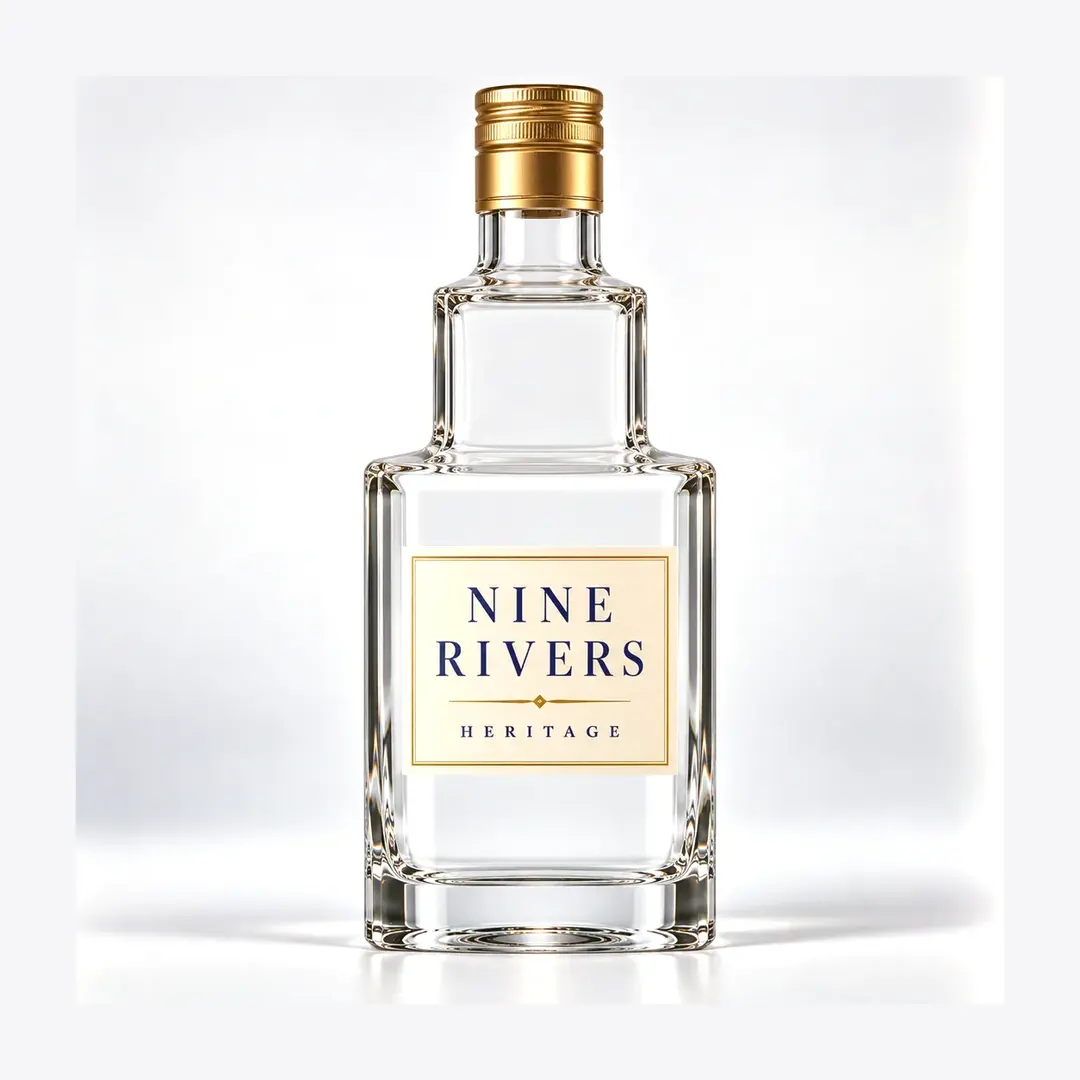
600ml Glass Liquor Bottle for Herbal and Medicinal Spirits (Yao Jiu)
Herbal spirits are one of the oldest categories in Asian drinking culture, and one of the fastest-modernizing. The 600ml glass liquor bottle shown here, our model YAOJIU, takes its name from the tradition it serves: yao jiu, the infused medicinal spirits and tonic wines that sit between the liquor shelf and the wellness aisle. This page is written for brand owners and importers packaging herbal infusions, functional spirits and tonic wines for Asian and Asian-diaspora markets.
A Category Reinventing Itself
Yao jiu was once a homemade preparation — herbs, roots and occasionally more exotic ingredients steeped in strong spirit, kept in whatever jar was available. Today’s commercial category looks very different: branded tonic wines with consistent formulations, premium herbal liqueurs sold in department stores, and functional spirits marketed to younger wellness-minded drinkers across China, Southeast Asia, Korea and diaspora communities worldwide. As the category professionalizes, packaging has become the trust signal. A consumer buying a spirit infused with botanicals they cannot fully see or verify is, above all, buying confidence — and confidence is communicated by glass, closure and print quality long before the first sip.
Why Glass Is the Only Serious Choice for Herbal Infusions
From a packaging-engineering view, herbal and medicinal spirits are demanding contents. They carry complex aromatic compounds, botanical oils and often significant sugar content, and they are expected to remain stable on shelf for years. Glass answers every one of those demands directly:
- Chemical inertness. Glass does not react with alcohol, acids or botanical extracts, and it contributes nothing to flavor — essential when the product’s selling point is a carefully balanced infusion.
- Impermeability. Unlike plastics, glass admits no oxygen transmission and allows no aroma scalping, so the hundredth bottle on the shelf tastes like the first.
- Visual honesty. Clear flint glass shows the color of the infusion — the deep ambers and ruby tones that signal richness in this category — and, where brands include botanicals in the bottle, displays them.
- Heritage credibility. Consumers in this category associate glass with the apothecary and the cellar. Plastic reads as modern in the wrong way.
Sizing the 600ml Format
The 600ml fill occupies deliberate middle ground in the tonic-spirits world. It is larger than the 500ml formats common in daily-consumption tonic wines, giving gifting and family-consumption programs more presence, yet it stays below the 700-750ml standard spirits sizes, which keeps the price point approachable for a product often consumed in small, regular measures rather than by the full pour. For brands building a range, 600ml pairs naturally with smaller 100-200ml trial or travel sizes, letting new customers enter the brand cheaply and graduate to the full bottle.
As with every model in our catalog, we do not publish fixed millimeter dimensions, gram weights or brimful figures on the page — those are confirmed per production run on the technical drawing, which the factory will supply with your quotation.
Decoration That Speaks Wellness
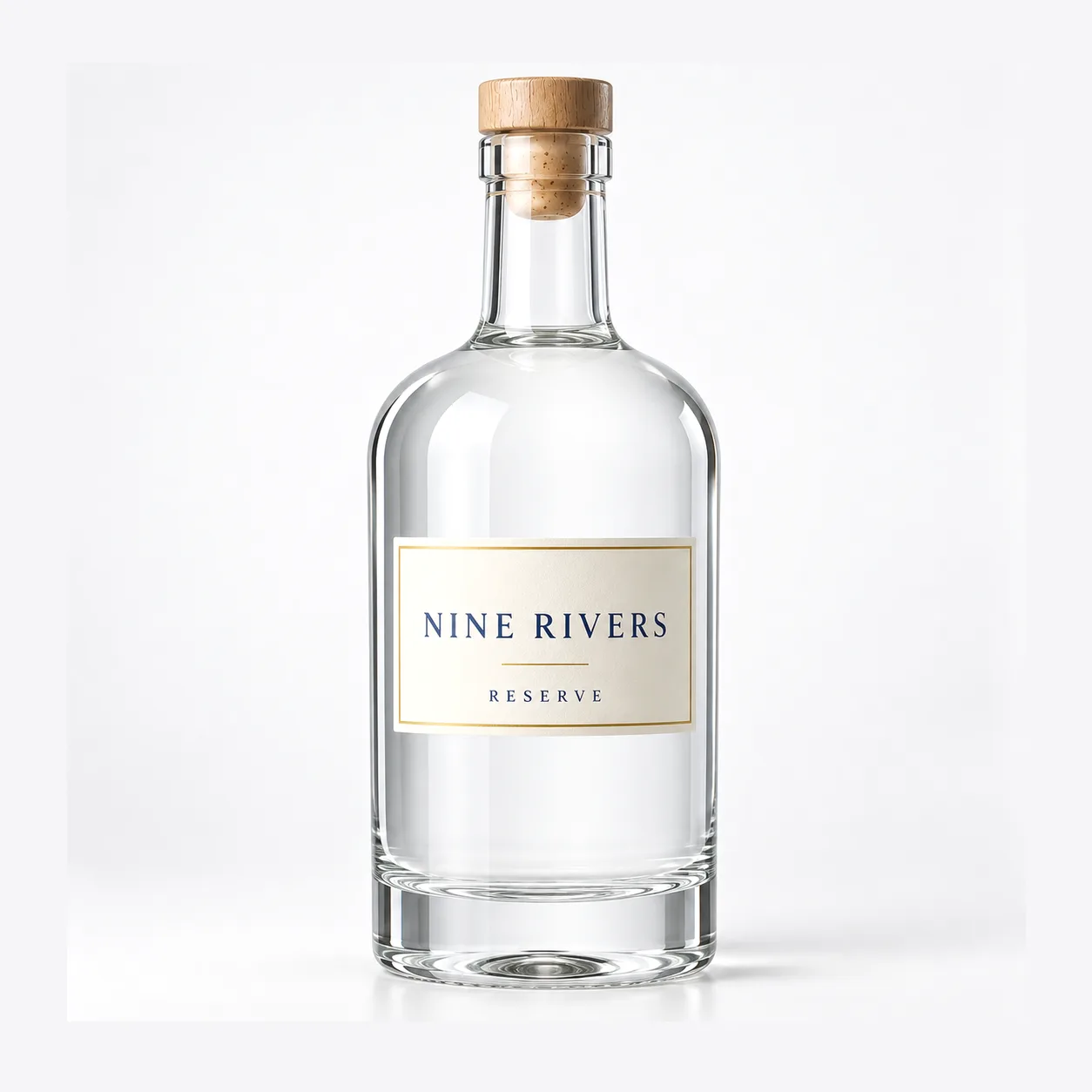
The visual language of medicinal spirits balances two registers: the clinical (ingredient transparency, dosage cues, trust) and the celebratory (festive reds and golds for gifting seasons). This model supports the full decoration range needed to strike that balance — frosting for a soft, apothecary-style matte; screen printing for fine botanical linework and multi-language ingredient panels; spray coating in deep protective tones for light-sensitive infusions; and conventional labeling where regulations demand dense ingredient and claim text. Standard caps and cork closures can be matched to the neck finish — confirm the finish specification with the factory before sourcing closures.
Quality Standards and Process Notes
Production runs are controlled under the factory’s documented container-glass QC regime: annealing verified with reference to ASTM C148, internal pressure resistance per ISO 7458, and thermal shock endurance per ISO 7459. Thermal shock deserves a special mention for this category: some tonic wine producers fill warm or process filled bottles, and if your process involves any elevated-temperature step, raise it at the technical review stage so the factory can confirm suitability against your actual filling conditions.
Gifting Seasons Drive This Category’s Calendar
Herbal and tonic spirits in Asian markets are deeply seasonal. Lunar New Year, Mid-Autumn Festival and the winter tonic season concentrate a large share of annual sales into short windows, and the packaging calendar has to be built backward from those dates. A realistic timeline includes glass production, decoration setup, closure sourcing, carton and gift-box printing, filling, and sea freight — each with its own lead time. Brands that brief the factory one season ahead get the decoration slots and shipping space they want; brands that brief late often compromise on decoration to make the festival date. If your program targets a specific festival, put that date in your first message to us.
What to Prepare Before You Write the RFQ
Four inputs make the first factory response fast and accurate. First, your annual volume and the split between gifting and everyday SKUs. Second, your filling process, including any warm-fill or post-fill heat step, since that affects the technical review. Third, your decoration references — even rough competitor photos communicate tone faster than paragraphs. Fourth, your destination markets, because label languages, closure preferences and carton standards differ across the region. With those four points, expect a drawing, confirmed specifications and pricing in a single round.
Ordering Your Herbal Spirits Bottle
MOQ for this model depends on mold use and decoration route — the mechanics are explained in our glass bottle MOQ guide. Samples from the existing mold can be arranged so your team can evaluate the glass against your actual infusion before committing. Buyers organizing a first import program can review the workflow in our guide to importing glass bottles from China.
Send your target markets, annual volume, filling process details and decoration direction through the contact and RFQ page, and the factory will respond with the technical drawing, confirmed specifications and a quotation for your herbal spirits program.
Frequently Asked Questions
Is glass safe for long-term storage of herbal and medicinal spirits?
Yes. Glass is chemically inert and impermeable, so it will not react with botanical extracts, alcohol or sugars, and it protects aroma over long shelf lives. It is the standard material for commercial tonic wines and herbal spirits. For any unusual formulation, confirm compatibility with the factory during technical review.
Why choose 600ml instead of 500ml or 700ml?
600ml sits between daily-consumption 500ml tonic formats and standard 700-750ml spirits sizes. It gives gifting and family-consumption programs more presence while keeping the price point approachable for a product typically consumed in small measures. Range planning with smaller trial sizes is common — discuss it in your RFQ.
Can the bottle be coated or frosted for light-sensitive infusions?
Yes. Spray coating in deep tones is often chosen for light-sensitive liquids, and frosting, screen printing and labeling are all supported. Confirm the coating specification and lead time with the factory when you submit artwork.
What is the MOQ for the 600ml YAOJIU bottle?
MOQ depends on use of the existing mold and on your decoration route. Undecorated runs from an existing mold generally start lower than fully decorated custom runs. Share your annual volume in the RFQ and the factory will confirm the exact MOQ.
Can we get samples to test with our actual infusion?
Yes. Samples from the existing mold can usually be arranged so you can test fill, closure fit and appearance with your real product. Decorated pre-production samples take longer to prepare. Confirm sample cost and timing with the factory.
Our tonic wine is filled warm. Is that a problem?
Not necessarily, but it must be discussed before production. The factory controls thermal shock endurance with reference to ISO 7459, and your actual filling temperature and process should be shared at technical review so suitability can be confirmed for your conditions.


