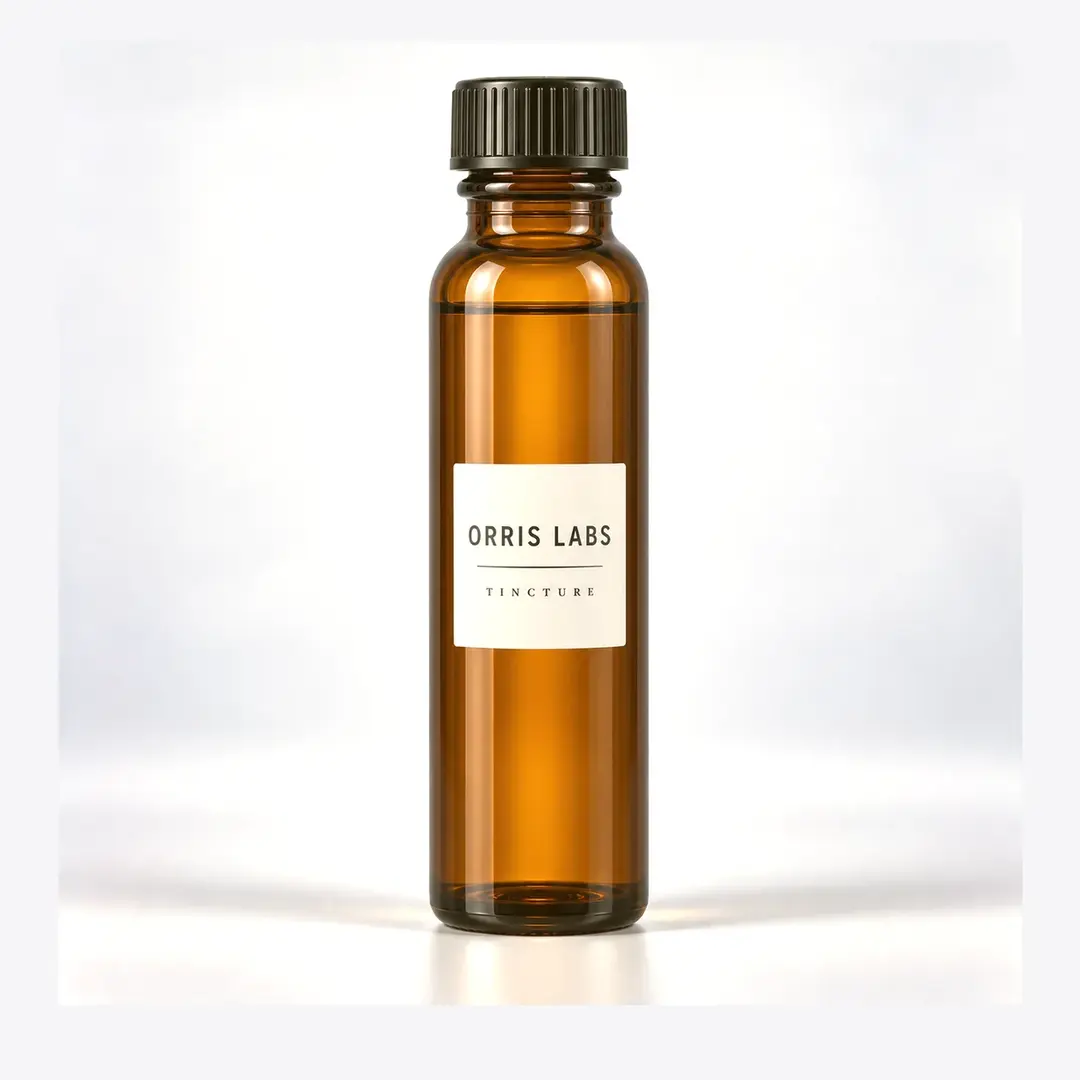
Model 383 is the kind of bottle that wholesale catalogs exist for: an unglamorous, dependable, endlessly reordered container that solves a specific technical problem. The model is a small amber glass bottle. The body is a slim cylinder — noticeably taller in proportion than a squat sample vial — with a soft shoulder and a well-defined external screw thread at the neck. The amber tone is deep and even from base to finish, which is precisely the property buyers of this format are paying for. This is a functional container first, and its function is protecting what light would otherwise ruin.
Verified Observations from the Sample
Sticking to what the mould drawing confirms: the glass is amber with uniform color density; the body is a tall, slim cylinder with a rounded shoulder; the neck carries a multi-turn external screw thread with clean, complete turns; and the base is flat and stable. Everything that a purchase order actually depends on — exact capacity, glass weight, thread standard and cap compatibility, body diameter, and packed configuration — must be confirmed with the factory from the technical drawing. For slim small-format bottles these numbers determine closure selection, line change parts, and carton engineering, so treat the photo as an introduction and the drawing as the contract.
Amber Glass as Functional Protection, Not Aesthetics
Buyers sometimes treat amber as a style choice. For a significant class of liquids it is closer to an ingredient. Ultraviolet and short-wavelength visible light drive photochemical reactions that bleach color, mute aromatics, and generate off-flavors — the phenomenon the brewing trade calls light-strike applies equally to botanical spirits, herbal liqueurs, bitters, tincture-strength infusions, and any product whose character depends on delicate plant compounds. Amber glass filters the damaging wavelengths at the container wall, extending shelf life and display tolerance without any additive in the liquid itself. If your product contains botanical extracts, natural color, or barrel-derived aromatics you intend to preserve, amber is the conservative engineering choice — and in many wholesale channels it is simply the expected one. A herbal digestif in clear glass raises questions; the same product in amber raises none.
The slim cylinder proportions add a second, quieter function: they suit products dispensed in small measures. Bitters, concentrated flavorings, and high-proof herbal spirits are used by the dash or the capful, and a tall narrow bottle reads correctly for that ritual on a bar or retail shelf while occupying minimal footprint.
The Screw Thread Finish and Distribution Reality
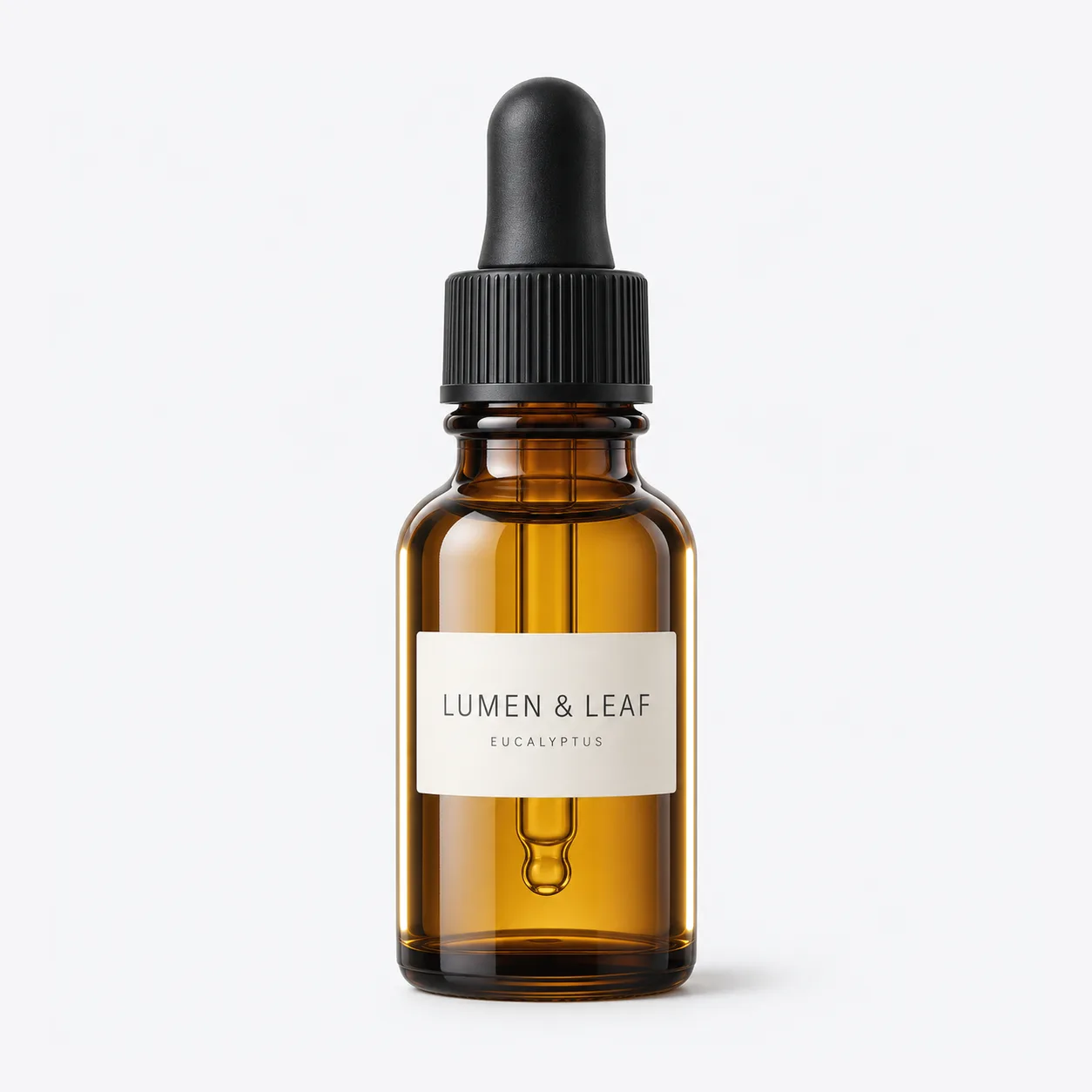
The external thread on this model pairs with screw-cap closure systems — the closure class that dominates functional small-format packaging for good reason. Caps apply fast on automated lines, torque consistently when the thread is well formed, seal reliably through the temperature swings of warehouse and container transit, and reopen and reseal cleanly for products consumed over many sittings. For distributors, the practical benefit is simplicity: one bottle, one cap family, no corkage equipment, no specialized line. Confirm the exact thread specification with the factory and fit-test your chosen cap against physical samples before ordering closures in volume — thread compatibility is a mold-drawing question, not a photograph question.
Branding a Functional Bottle Without Breaking Its Economics
Functional amber bottles live under a simple cost discipline: the decoration must never cost more than the protection it celebrates. The proven routes reflect that. A small paper label on the straight cylindrical wall remains the default — it applies cleanly, prints cheaply at short runs, and lets multi-client packers swap brands without touching the bottle order. One-color screen printing suits house brands with continuous volume, eliminating label stock from the bill of materials. Cap color does more work than buyers expect: a distinctive cap on an otherwise anonymous amber bottle is a recognized brand system across the bitters and tincture trade. Whatever you choose, approve it on physical samples of this mold — ink and label colors read differently against amber glass than against flint, and the slim diameter punishes labels that were designed on a wider bottle.
Warehousing, Shelf Life, and Repeat Supply
Amber glass buys time, but buyers should still plan storage honestly. Keep cartons out of direct sun in the warehouse, rotate stock first-in-first-out, and treat the bottle’s light protection as insurance rather than immunity. On the supply side, a standing-specification agreement serves continuous programs best: your confirmed drawing, closure pairing, and packing configuration stay on file, so each reorder is a quantity and a date rather than a negotiation. Programs that grow can step volume tier by tier without requalifying the package, and the reference sample approved on your first order remains the standard every later campaign is gauged against.
A Wholesale Stock Item, Bought by the Program
Model 383 earns its catalog place through repeat purchasing. Typical buyers are herbal-liqueur and bitters producers with continuous monthly demand, contract packers filling functional small formats for multiple clients, and distributors holding the bottle as a standing stock item for regional brand customers. For all of them the value proposition is the same: a proven mold with amortized tooling, dense packing that keeps freight per unit low, and reorders that are scheduling exercises rather than new projects. Minimum quantities follow the framework in our glass bottle MOQ guide; consolidation with caps and cartons into mixed containers is planned as part of every quotation, and first-time importers can review the process in our import guide. Specification sheets, samples, and current pricing come fastest through the contact page.
Quality Control Where It Matters for This Format
For an amber functional bottle, three QC dimensions dominate. Color: every production batch is monitored against the master amber standard, because color drift between runs is both a protection variable and a visible mismatch inside one carton. Thread integrity: the thread profile is gauged at first-article and at intervals through each run, since a soft thread turn becomes a seal fault at capping speed. And thermal-mechanical soundness: annealing is controlled and verified per ASTM C148, internal pressure resistance is tested per ISO 7458, and thermal shock resistance per ISO 7459 covers hot-wash and cold-fill transitions. Cosmetic grading against signed limit samples covers seeds, blisters, and surface finish before any run ships.
Frequently Asked Questions
Which products need amber glass like Model 383?
Any liquid whose color, aroma, or flavor degrades under light: botanical spirits, herbal liqueurs, bitters, tinctures, and naturally colored products. Amber glass filters the damaging wavelengths at the container wall, extending shelf and display life without additives in the liquid itself.
What is the capacity of this bottle?
Capacity is not stated on the sample photo, and we do not estimate volumes from images. Exact nominal and brimful capacity, body diameter, and glass weight for this mold must be confirmed with the factory from the technical drawing before closures or cartons are designed.
How is Model 383 different from other small amber bottles in the catalog?
This model runs a taller, slimmer cylinder proportion, which suits products dispensed in small measures — bitters, concentrated flavorings, high-proof herbal spirits — and minimizes shelf footprint. Each catalog model has its own mold drawing; compare confirmed dimensions rather than photos when choosing between them.
What closure system does the screw thread accept?
The external thread finish pairs with screw-cap closures, the standard for functional small formats. Confirm the exact thread specification with the factory and fit-test your cap against physical samples before purchasing closures in volume — compatibility is a drawing-level question.
Is this bottle suitable as a distributor stock item?
Yes — that is its typical role. Herbal-liqueur and bitters producers reorder it monthly, contract packers fill it for multiple clients, and distributors hold it as standing stock. As a catalog mold, tooling is amortized and reorders are scheduling exercises rather than new projects.
How do you keep amber color consistent across repeat orders?
Every batch is monitored against a master amber color standard so bottles from different production runs match within one carton. Thread profile is gauged at first-article and through each run, and annealing (ASTM C148), internal pressure (ISO 7458), and thermal shock (ISO 7459) are verified on every campaign.


