Part of our series on wholesale tequila bottles — read the overview first if the format is new to you.
Tequila is closed in one of three ways: a bar-top stopper in a smooth 18.5 or 21.5 mm bore for reposado, añejo and extra añejo, a GPI 28-400 or 30-400 screw cap for blanco and mid-shelf bottles, or a ROPP aluminum cap on value and on-premise lines. The stopper is the category's signature and also the closure that fails most quietly, because it seals only by the shank pressing against the bore. Hold the bore to ±0.3 mm and specify the shank separately from the decorative head, and a hand-look bottle seals as reliably as an industrial one.
Closure systems and the neck finish each one needs
| Closure system | Neck finish | Where it is used |
|---|---|---|
| Bar-top stopper with wood or zinc head | Smooth bore, 18.5 / 21.5 mm | Reposado, añejo, extra añejo |
| GPI screw cap | GPI 28-400 / 30-400 | Blanco, mid-shelf |
| ROPP aluminum cap | ROPP thread, 28 mm / 31.5 mm | Value tiers, on-premise well bottles |
These are planning references and are confirmed for each project. Screw caps earn their place where line speed and dependable resealing count most; ROPP turns up on fast-moving SKUs. Agave-shaped toppers, medallion heads, zinc-alloy heads and ceramic-look caps are all bar-tops underneath and sit on the same smooth-bore finish.
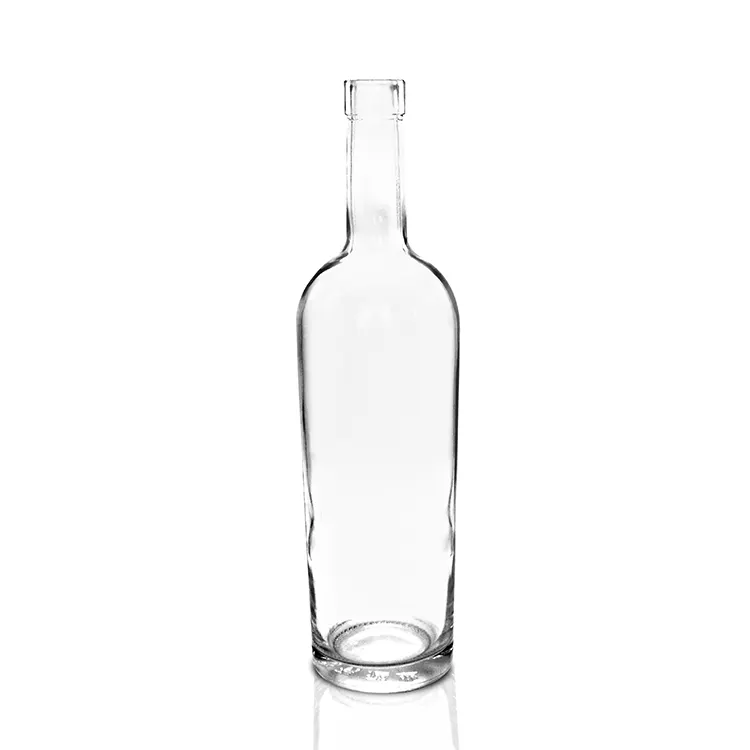
Specify the head and the shank as two parts
A bar-top is two components with different jobs. The head, whether turned and stained wood in beech, oak or an agave-wood look, zinc alloy or a ceramic-look material, is there for weight, warmth and brand texture. It is not structural. The shank does the sealing and is made of natural cork, agglomerated cork or food-grade TPE, sized to compress in the bore.
Pick the head on appearance and the shank on physics. A TPE shank keeps its diameter within ±0.1 mm from batch to batch, is unaffected by the humidity change between Jalisco and a warehouse in Minnesota, and sheds no particles into the spirit. Natural cork brings tradition along with some variation, so each lot has to be gauged and paired against the bore tolerance.
Bore tolerance and interference fit
The seal is an interference fit, with the shank typically 0.3–0.5 mm larger than the bore. Take a 21.5 mm bore held to ±0.3 mm and a 21.9 mm TPE shank: interference runs from 0.1 to 0.7 mm, so every combination of tolerances still seals. A bore only 0.4 mm oversized is enough to change that.
If the bore is allowed to wander to ±0.5 mm, the worst pairing has no interference at all. This happens easily on a tall, narrow añejo neck as the finish tooling wears, and it is how a program ends up with 2–3% of bottles weeping, usually found by the distributor or the consumer and not on the filling line.
For bar-top moulds we ask the plant for three controls:
- bore diameter gauged at two depths, at the top and in the seal zone;
- a check on the straightness of the bore axis;
- a matched-sample run of 50 bottles with 50 stoppers, gauged as pairs, ahead of each campaign.
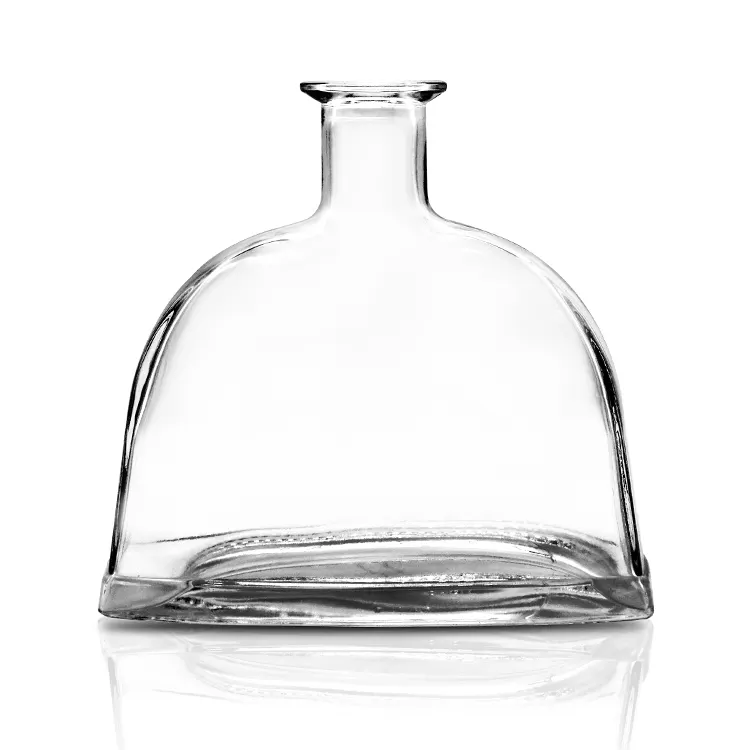
Hand-look and handmade bottles
Ceramic-effect coatings, organic silhouettes and uneven punts make no difference to what the shank requires. However irregular the body, the bore still has to stay within ±0.3 mm on a true axis. Where a bottle really is hand-formed and bore variation goes beyond that, there are two ways out: an oversized TPE shank with a wider compression range, or a GPI-threaded neck insert moulded into the design.
Tamper evidence, capsules and label text
A bar-top has no tamper-evident feature of its own, so one is added outside it. A printed shrink capsule over stopper and neck is standard for the category and often carries the NOM number or a brand seal. Some markets use a tax-strip-style paper seal across the top of the stopper, and breakaway capsules combine the two. US TTB and most export markets require effective tamper evidence on spirits.
Two details need attention at the design stage. Capsules shrunk too hot mark stained wood heads and can haze a ceramic-effect coating, so call for low-temperature capsule film and test it on decorated samples. And the NOM-006 declarations have to remain readable once the capsule is on, which means mandatory text goes on the label panel and never on the capsule. Label-panel planning on the bottle side is described in our guide to wholesale tequila glass bottles, and the way closure systems compare overall follows the same framework as closures for vodka bottles.
Choosing a closure for a stock, decorated or new bottle
A stock mould arrives with its finish already fixed, so select the mould whose bore or thread suits the closure you intend to use. With decorative toppers, the tooling for the head is quoted by the closure supplier while the bore stays on the bottle drawing. Keep both vendors working to a single drawing.
To have compatibility confirmed with gauged sample pairs, send us a matched-sample request containing:
- a stopper drawing or physical sample, head and shank specified separately;
- the bottle silhouette and neck proportions you are aiming for;
- the tamper-evidence plan, including capsule type and artwork;
- the markets and the price tier of each expression.
Frequently asked questions
Why do aged tequilas carry wooden stoppers?
The weight of the head and the resistance of the pull are read by drinkers as craft, and the pull-and-pour ritual has become part of how reposado and older expressions present themselves. The wood contributes nothing to the seal, which is why shank material is chosen independently: TPE for stability, natural cork for tradition.
Should a new brand start with a screw cap or a stopper?
Choose for the price tier the product has to defend today, not the one it hopes to reach. Many brands launch blanco under a screw cap and keep stoppers for the aged expressions, so the closure itself marks the steps of the range.