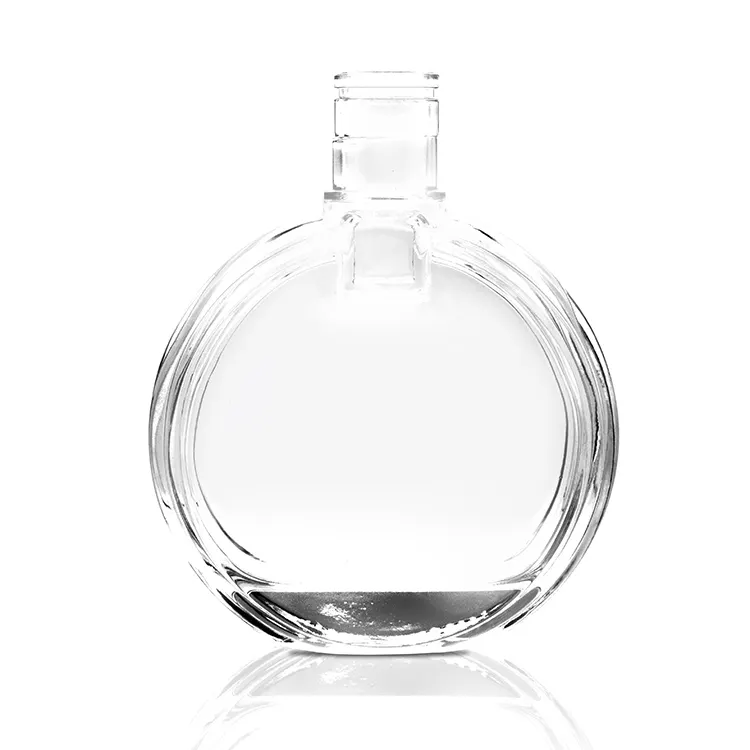
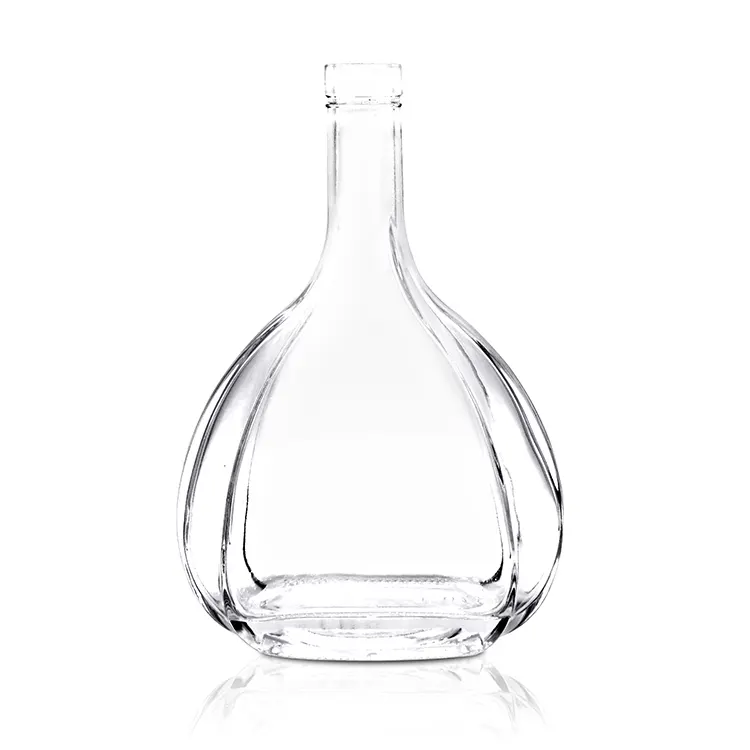
Filed under flint vodka bottles; the moulds we quote for this are pictured at the foot of the page.
Pick the closure first, then the neck finish that fits it, because the two only work as a matched pair. Vodka bottles use four systems: ROPP aluminum caps, GPI screw caps, synthetic T-corks and bar-top stoppers. ROPP and GPI need a threaded finish, while both stopper types need a smooth bore of 18.5 mm or 21.5 mm, so a decision made late usually means a different mold.
How the four closure systems compare
The table sets each system against the finish it requires, how it shows first opening, and the market tier where it is normally found. Head material, shank type and liner specification change the detail, so treat it as a planning reference and confirm per project.
| Closure | Neck finish required | Tamper evidence | Usual tier |
|---|---|---|---|
| ROPP aluminum cap | 28 mm or 31.5 mm ROPP thread | Built in, through the breakaway band | Value to mid |
| GPI screw cap | GPI 28-400 or 30-400 thread | TE band or breakaway ring on the cap | Mid to premium |
| Synthetic T-cork | Smooth bore, 18.5 or 21.5 mm | None; needs a capsule | Premium |
| Bar-top stopper with wood or zinc head | Smooth bore, 18.5 or 21.5 mm | None; needs a capsule | Premium and ultra-premium |
What to specify for each system
ROPP caps
ROPP stands for roll-on pilfer-proof. The cap reaches the filling line as a plain aluminum shell, and the capping head rolls the thread into it using the glass finish as the former. The same stroke tucks the perforated band under the bead, which is where the tamper evidence comes from.
That is why high-volume vodka runs on ROPP: lines exceed 200 bottles per minute, there is no pre-cut thread to wear, and the broken band cannot be put back. It also makes the glass dimensions critical. Thread start position, bead height and bore tolerance all have to sit inside the ROPP standard, since a neck that is out of gauge gives loose caps or split shells, and neither can be rescued once the line is running.
GPI screw caps
A GPI finish is a continuous thread cut to the Glass Packaging Institute standard; 28-400 and 30-400 are the usual choices for vodka. It takes plain PP caps, caps with a metal overshell that look like a more expensive closure, and dispensing fitments, and it reseals cleanly.
Three things belong in the specification: how deeply the cap thread engages, how far the liner compresses, and the application torque. For a 28 mm cap the torque window is typically 8–14 inch-pounds. Below it the cap weeps; above it the cap strips or the glass thread stress-cracks. Choose the liner on purpose as well. PE foam is fine for neutral vodka, whereas flavored products are better served by Saranex or a foil-faced liner, because aroma scalping and attack from oils become real risks.
Bar-top stoppers and synthetic T-corks
A stopper seals by interference fit: the shank is slightly larger than the bore and is squeezed as it goes in. The bore is typically 18.5 mm or 21.5 mm with a ±0.3 mm window, and that tolerance decides whether the stopper holds. Shanks come in natural cork, agglomerated cork or food-grade TPE. Natural cork differs from batch to batch, so many programs now put a TPE shank under the wooden or zinc-alloy head the customer actually sees. A synthetic T-cork gives a similar look with more consistent dimensions than natural cork.
Brands at the top of the range choose bar-tops for the ritual: the weight of the head, the resistance of the pull and the feel of the reseal read as craft, and bartenders like being able to close the bottle with one hand. The price of that ritual is that the stopper proves nothing about first opening, which is why it is normally paired with a printed shrink capsule.
Seal performance over the life of the bottle
Neutral vodka at 40% ABV is tolerant. Ethanol does not oxidize the way wine does, so oxygen ingress matters far less than three practical risks: slow loss of moisture vapor in long storage, which shifts the proof; reaction between the liner and a flavored recipe; and repeated temperature swings in warehouses and containers.
All four systems seal adequately when applied correctly, and the differences come from liner material and torque. Good ROPP liners in PE foam or Saranex are strong moisture-vapor barriers. TPE shanks hold their size for years, while natural cork kept in a dry climate can shrink measurably over 24 months. For vodkas carrying citrus oils, sugars or botanicals, ask for a liner compatibility soak test before committing, since some essential oils attack standard PE foam.
Tamper evidence and market rules
ROPP is the only system where proof of opening comes free with the cap. GPI caps need a separate TE band or a breakaway ring on the skirt. Stoppers need a shrink capsule or a tax-strip-style seal across the top, and many markets demand one by regulation whatever the brand would prefer.
Export projects should check the destination before the closure is fixed. The US TTB, EU member states and many Asian markets each define which tamper-evidence formats they accept on spirits.
Finish, mold route and what to send us
With a stock mold the finish comes with the bottle, so shortlist only the molds whose neck suits the closure you plan to use. Our page on vodka and gin glass bottles covers the bottle side of that choice.
Finishes are rarely interchangeable. A ROPP neck has the wrong thread geometry for a GPI cap, and a GPI neck has no smooth bore for a stopper. A mold can be tooled with a finish that takes a GPI screw cap today and a bar-top adapter later, but only if that is drawn in before the mold is made. A brand intending to launch on screw caps and move up to bar-tops should say so at the mold stage, because changing afterwards means a new mold set.
We check the neck drawing against the chosen cap or stopper before production and coordinate gauged samples. To do that we need:
- the closure type with the supplier's drawing, or a physical sample;
- bottle capacity and silhouette;
- the tamper-evidence rules of the markets you sell in;
- line speed and capping equipment, where known.
The same details go into the quote request form, and they should reach us before molds are cut or an order is placed.
Frequently asked questions
Which closure seals best for long storage?
No single system wins outright on neutral vodka. A correctly torqued screw cap with a suitable liner and a TPE-shank stopper in a bore within tolerance both hold for years. Natural cork is the weak point in dry conditions.
Can one bottle take more than one closure type?
Only when the finish was designed for it from the start. Most necks accept a single system, and adding a second later requires new tooling.
Does a bar-top bottle always need a capsule?
In practice, yes. The stopper has no mechanical tamper feature, and spirits rules in many markets make a capsule or strip seal compulsory.