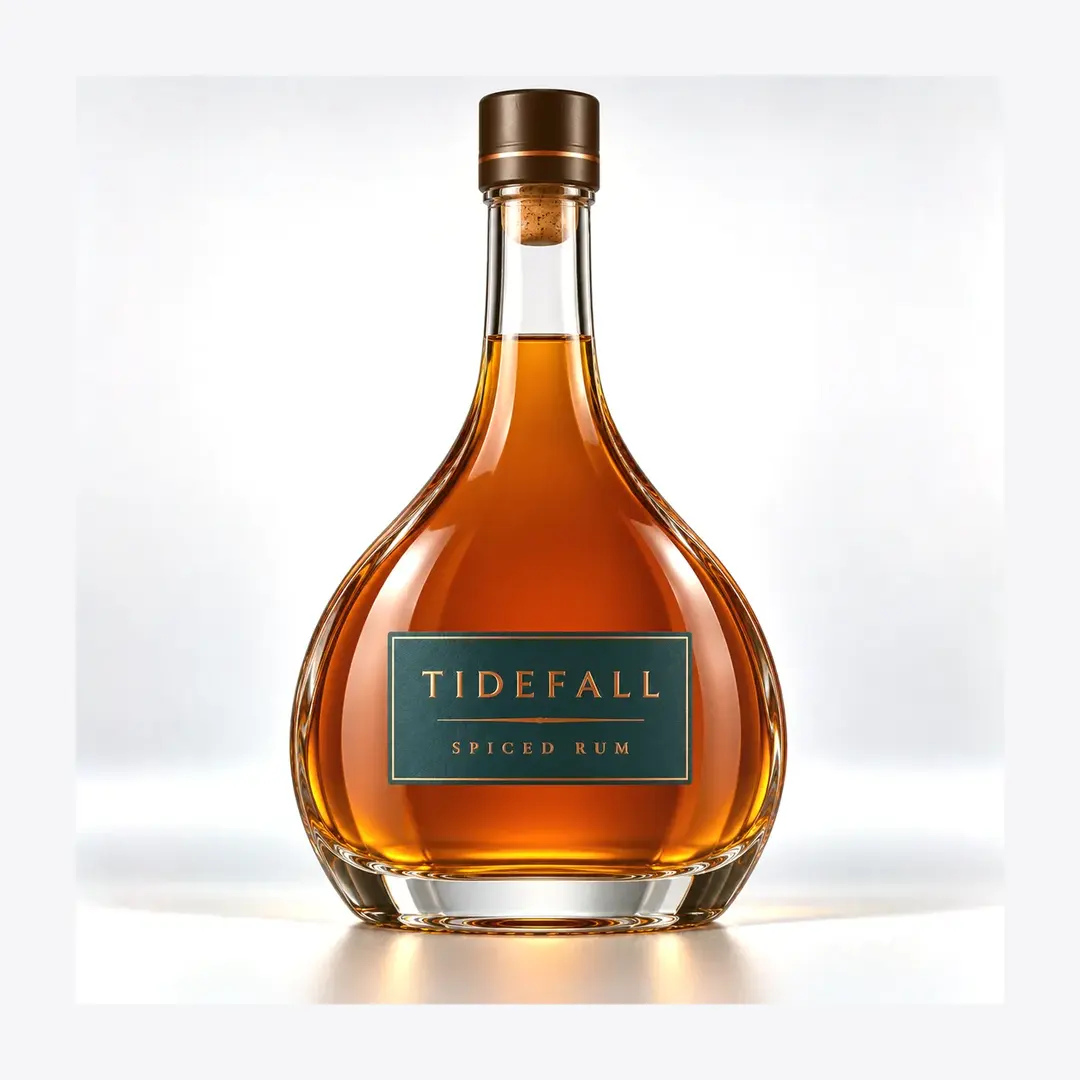
750ml Glass Bottles for American Whiskey, Vodka and Rum Programs
If your spirits brand sells into the United States, one number shapes your entire packaging conversation: 750ml. The 750ml glass bottle shown here is the American standard of fill — the size that federal rules, distributor specifications, retailer planograms and consumer expectations all agree on. This page is written for distillers, importers and brand owners building whiskey, vodka or rum programs for the US market, and it focuses on what stateside buyers actually need from a glass supplier.
750ml and the US Standards of Fill
The United States regulates spirits bottle sizes through federal standards of fill administered under the Alcohol and Tobacco Tax and Trade Bureau. For decades the system was famously strict, with 750ml at its center; a 2020 modernization added several newly authorized sizes, but 750ml remains the anchor of American spirits retail — the size distributors specify by default, the size shelf plans are drawn around, and the size against which consumers judge value. A brand entering the US with a non-standard capacity is not being exotic; it is creating friction with every gatekeeper between the distillery and the drinker.
The practical takeaway for importers is straightforward: treat 750ml as the default US SKU, and confirm any additional sizes with your regulatory consultant and your distributor before committing. This page does not offer compliance rulings — your regulatory advisor owns those — but the factory can align capacity, documentation and drawings with whatever your compliance team confirms.
What Stateside Buyers Specify
American distributors and bottlers tend to ask the same operational questions, in the same order, and this model is specified against all of them:
- Will it run on my line? US contract bottlers run high-speed lines with little patience for odd containers. Standard geometry, confirmed dimensions and a neck finish that matches common closures are table stakes.
- Can I get the drawing? Stateside technical teams work from confirmed drawings — fill height, brimful capacity, tolerances — before they approve anything. The factory issues the technical drawing with your quotation for exactly this workflow.
- What closures does it take? Bar-top closures dominate American whiskey; screw caps dominate value vodka; rum splits both ways. Closure compatibility is confirmed against the neck finish on the approved drawing.
- Can it scale? A brand that lands a chain listing can multiply volume overnight; the glass supply must scale with it.
- Who else uses it? Proven molds with production history de-risk a buyer’s decision in a way new tooling never can.
One Bottle Across Whiskey, Vodka and Rum
The American market rewards category breadth. A 750ml platform bottle lets a distiller or importer run a bourbon-style whiskey, a vodka and a rum on shared glass, differentiating through labels, coating and closures while keeping one specification, one carton system and one supplier relationship. For craft distillers especially — where the same contract bottler often fills every SKU — shared glass means faster changeovers and simpler inventory. Decoration routes from the factory include frosting, screen printing, spray coating and labeling, so each category can hold its own visual register: heritage tones for whiskey, crisp minimalism for vodka, tropical color for rum.
As with every model in our catalog, we do not publish fixed millimeter dimensions or gram weights on this page — those values are confirmed per production run on the technical drawing. Share the drawing with your US bottler before the first fill; their engineering team will thank you.
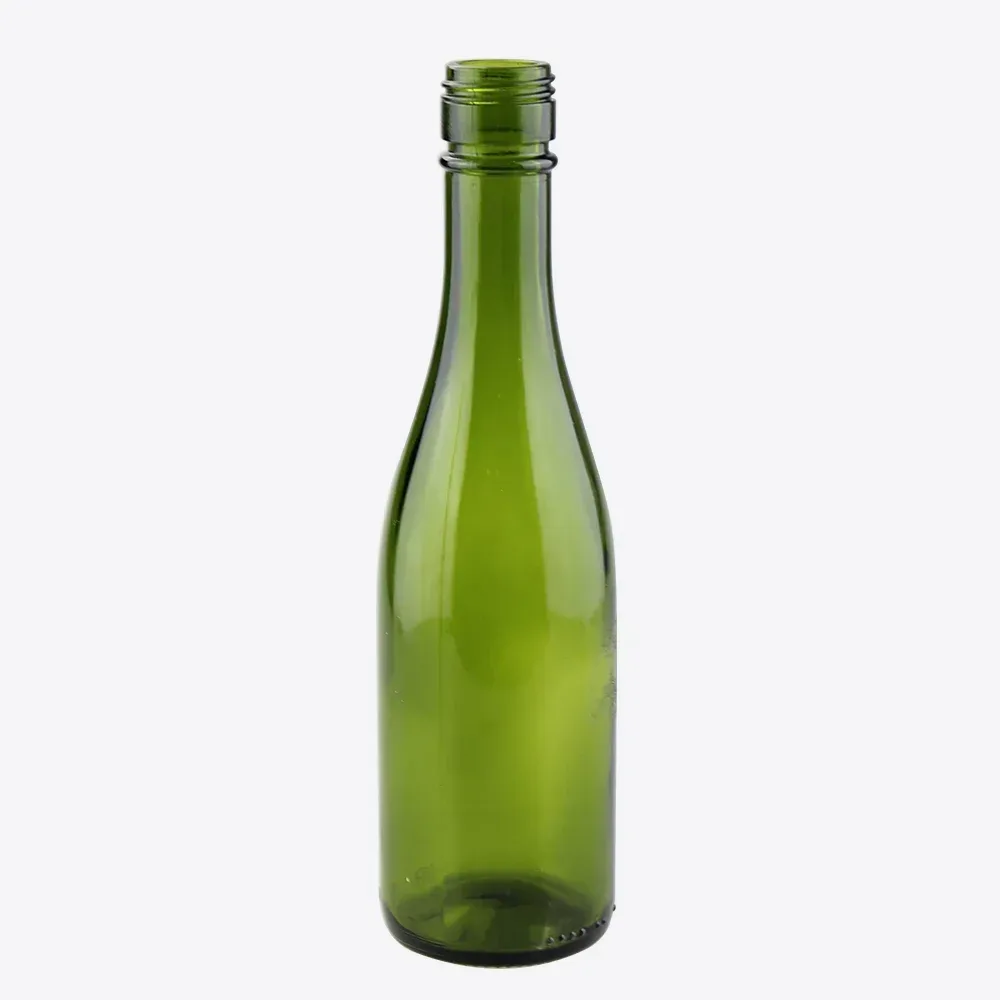
Quality Standards for the American Market
US buyers expect documented process control, and this model is produced under the factory’s container-glass QC regime: annealing verified with reference to ASTM C148 — an American standard stateside engineers recognize on sight — plus internal pressure resistance per ISO 7458 and thermal shock endurance per ISO 7459. Batch records can be reviewed during technical approval, and third-party pre-shipment inspection can be arranged, which many US importers now write into their purchase terms as standard practice.
Freight, Duties and Landed Cost
Glass is heavy, and landed cost decides whether an import program pencils out. Bottles ship in divided export cartons on palletized, container-optimized loads, with loading plans prepared as part of the order process. US-bound buyers should build landed cost honestly — glass, freight, insurance, duties and drayage — and the factory’s quotations are structured to make that calculation straightforward. Buyers new to the process can review our walkthrough on importing glass bottles from China, which covers the workflow end to end.
The Craft Distillery Path
Much of the American demand for this bottle comes from the craft tier, and craft buyers have a distinctive rhythm worth planning around. A new distillery typically launches with one hero SKU in modest volume, proves it in tasting rooms and local accounts, then expands distribution state by state. Glass purchasing follows the same curve: a first order sized to a realistic launch, samples approved by the contract bottler, and a supplier who does not punish small beginnings. As volume grows, repeat orders on a proven mold keep the specification — and the brand’s shelf appearance — perfectly stable, which matters when a regional chain buyer compares your bottle across a two-year-old photo and today’s delivery.
Ordering, MOQ and Next Steps
MOQ depends on mold use and decoration route — the mechanics are explained in our glass bottle MOQ guide. Samples from the existing mold can be arranged so your bottler can verify line behavior and closure fit before the first production run. Teams formalizing their supplier evaluation will find our glass bottle supplier checklist a practical framework.
Send your category mix, US distribution plan, annual volumes and closure preference through the contact and RFQ page, and the factory will reply with the technical drawing, confirmed specifications and a quotation for your American program.
Frequently Asked Questions
Is 750ml required for selling spirits in the United States?
750ml is the anchor of the US federal standards of fill and the default size for distributors, retailers and consumers. A 2020 modernization authorized additional sizes, but 750ml remains the market standard. Confirm your size strategy with your regulatory consultant and distributor before committing.
Will this bottle run on US contract bottling lines?
Standard geometry and a common neck finish make it suitable for high-speed American lines, but every bottler has its own requirements. Request the factory’s technical drawing and share it with your bottler’s engineering team before the first fill.
Which closures fit — bar-top or screw cap?
Both are possible. Bar-top closures dominate American whiskey, screw caps dominate value vodka, and rum programs use both. Closure compatibility is confirmed against the neck finish on the approved drawing — confirm the finish with the factory before sourcing closures.
Can one bottle serve whiskey, vodka and rum SKUs?
Yes. A shared 750ml platform differentiates through labels, spray coating, screen printing and closures while keeping one specification and carton system. This is especially efficient for craft distillers filling multiple categories on one contract line.
What is the MOQ for US-bound programs?
MOQ depends on use of the existing mold and decoration route. Samples from the existing mold can usually be arranged first. Share your category mix and annual volumes in the RFQ and the factory will confirm MOQ and price breaks.
What quality documentation do US importers receive?
Production references ASTM C148 for annealing, ISO 7458 for internal pressure and ISO 7459 for thermal shock. Batch records can be reviewed during technical approval and third-party pre-shipment inspection arranged — documentation many US importers now require in purchase terms.


