
550ml Round Glass Bottle for Craft Distillery Small-Batch Releases
Craft distilleries live a different commercial reality than industrial spirits brands. Your releases are small, your batches are numbered, your best customers drive to the tasting room, and your packaging budget competes with the next barrel purchase. The ROUND 550ml mold was built for that reality: a classic round liquor bottle in a size that suits small-batch releases, tasting-room exclusives, and limited editions — without forcing a craft producer into industrial-scale commitments. This page explains the thinking behind the format and how craft distilleries and their co-packers can run it profitably.
The Small-Batch Packaging Problem
Ask any craft distiller about their first bottle order and you will hear the same story. The flagship SKU needed a bottle that looked serious, but the opening volumes were modest. The options were unattractive: bespoke tooling with a five-figure mold cost and container-scale minimums, or a generic stock bottle that made the brand look like everyone else on the shelf. Meanwhile, the release calendar kept moving — a single-barrel bourbon here, a seasonal gin there, an experimental rum that might never repeat. Each release needed packaging flexibility that industrial bottle programs are not designed to give.
The answer, for most successful craft producers, is a shared catalog mold in a distinctive size, differentiated by decoration rather than by glass. You get a bottle with real shelf presence, proven production quality, and reorder reliability — while your label, your closure, and your story carry the brand. That is precisely the slot this 550ml round mold fills.
Why 550ml Works for Tasting Rooms and Limited Editions
The size is the strategy. A 550ml bottle sits visibly apart from the 700ml and 750ml standards that dominate retail, and that difference does commercial work for small producers in three ways.
It signals scarcity. Consumers read unusual sizes as small-batch cues before they read a word of the label. A 550ml bottle next to standard sizes looks like something made in limited quantity — which, for your releases, is simply the truth.
It fits tasting-room economics. Tasting-room exclusives and distillery-door releases sell on experience, not on price comparison with the liquor chain across town. A distinctive size justifies a premium per-bottle price while keeping the absolute price approachable for a visitor carrying bottles home in a car or a suitcase. The 550ml format is noticeably more luggage-friendly than a full-size bottle, which matters more for cellar-door sales than most producers expect.
It stretches limited liquid. A single barrel yields a finite number of bottles. At 550ml instead of 750ml, the same barrel produces roughly a third more numbered units — more customers served, more tasting-room transactions, more gift purchases, without a drop more liquid. For single-cask and limited releases, that arithmetic is often the difference between a release that sells out in a weekend and one that builds a waiting list.
As with any non-standard size, confirm capacity compliance for your destination markets with the factory and your importer of record. Craft producers selling primarily at the distillery door face fewer constraints than those shipping across borders, but the check costs nothing and protects the release.
A Round Bottle as a Blank Canvas
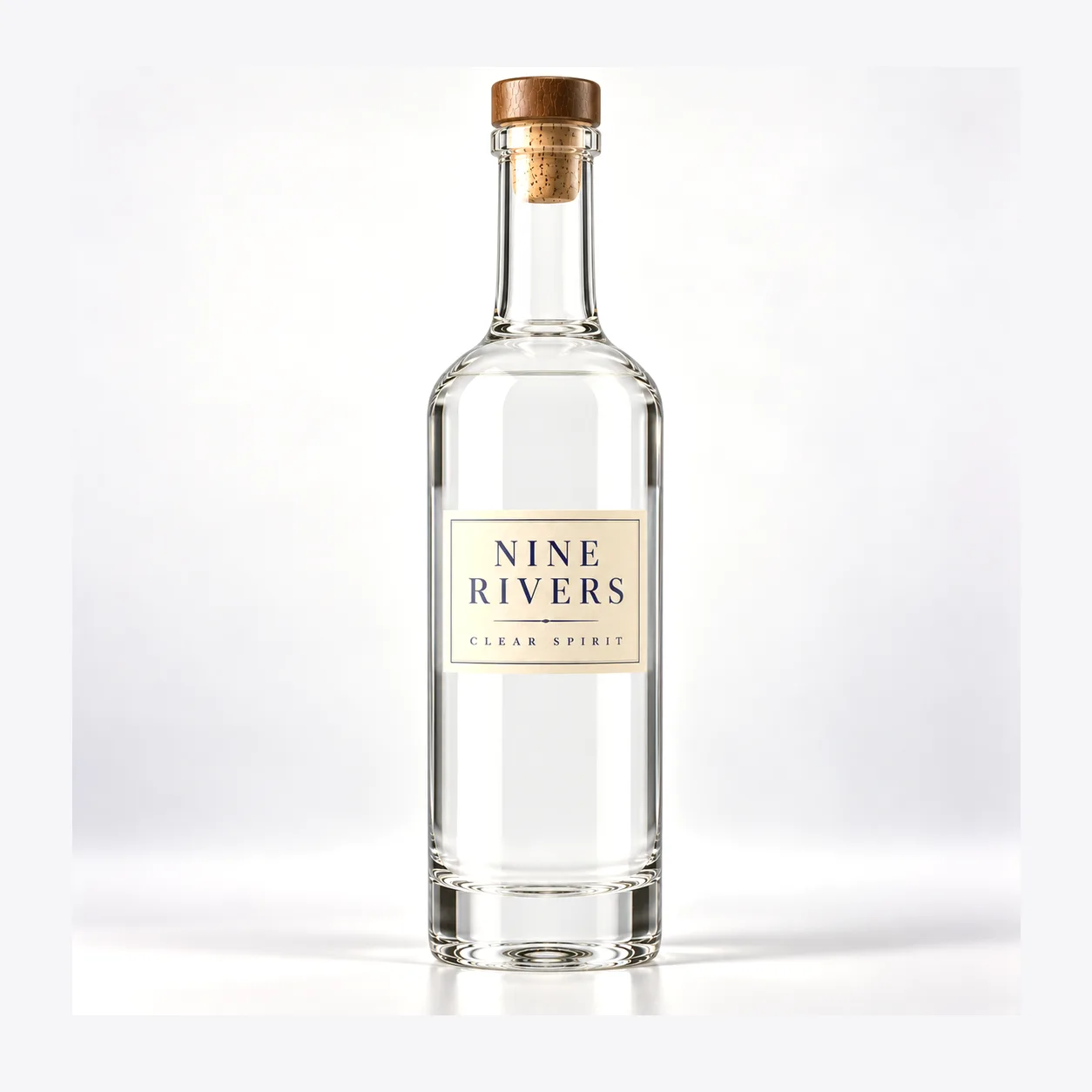
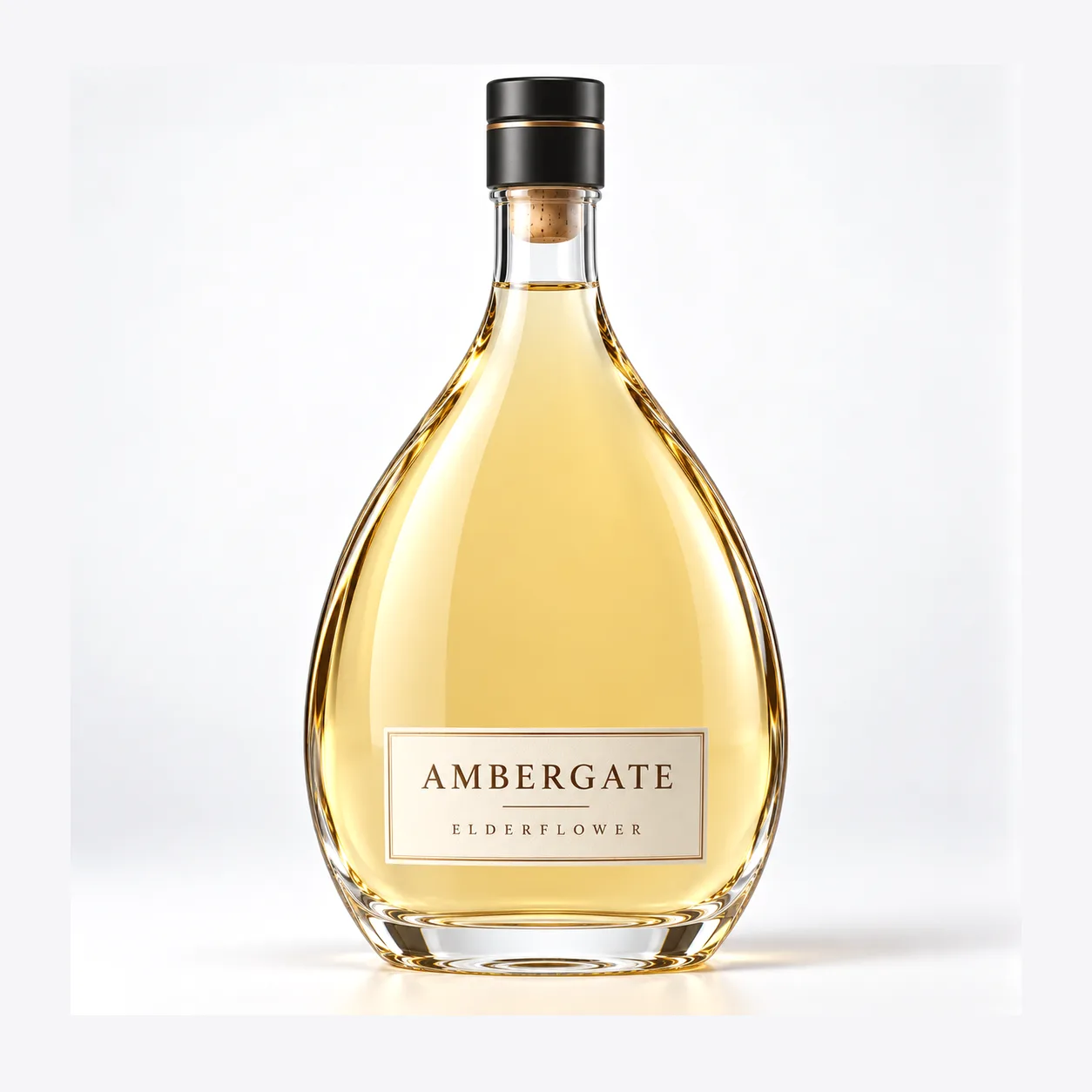
Round is the oldest bottle geometry in spirits, and its familiarity is a feature for small-batch work: the bottle itself does not fight your label design. This mold offers a clean, classic round profile — confirm exact dimensions with the factory’s drawing pack — that accepts everything from a hand-numbered paper label and a wax-dipped top to a fully screen-printed limited-edition design.
That flexibility matters because small-batch decoration needs change release by release. A core-range SKU might run conventional paper labels for economy. A distillery-anniversary release might justify frosting with single-color screen printing. A collaboration bottling might use spray coating for a one-off color. The mold stays constant; the decoration carries the story. Our standard routes — frosting, screen printing, spray coating, and labeling — are all available on this bottle, and closures follow standard cap and cork configurations, with neck-finish compatibility confirmed during sampling.
Running Lower-Volume Programs Realistically
Honesty about minimums matters more to craft buyers than to anyone else. Glass manufacturing has real setup costs, so “no minimum” does not exist — but shared catalog molds like this one run at substantially friendlier quantities than bespoke tooling, and decoration route has as much impact on the practical minimum as the mold itself. A straightforward labeled run starts lower than a multi-process decorated run. Confirm the current MOQ for your specific decoration plan with the factory at inquiry; our glass bottle MOQ explainer breaks down how quantity, decoration, and unit price interact so you can plan a release calendar around real numbers.
A pattern that works well for growing distilleries: commit to the mold across multiple releases per year, varying decoration per release. You amortize sampling and line-trial effort across the calendar, your reorder logistics become routine, and each release still looks distinct on the shelf.
Standards That Survive the Real World
Small batches still travel — in car trunks, in checked luggage, in courier cartons to club members. Our liquor bottle production verifies annealing per ASTM C148, internal pressure resistance per ISO 7458, and thermal shock resistance per ISO 7459, so your bottles survive everything from a hot-fill-adjacent process to a cold delivery van in January. Test documentation is available with your quotation and belongs in your supplier file; our glass bottle supplier checklist shows what a complete file looks like.
Starting a Small-Batch Order
Send your release plan — fill type, target bottle count per release, decoration direction, and destination — through our contact page. We will confirm MOQ and pricing for your specific decoration route, arrange samples for your line or hand-bottling setup, and provide technical drawings for your label designer. If this is your first import, our guide on importing glass bottles from China covers the logistics fundamentals. Small-batch does not mean small standards — it means a bottle program sized to how craft distilleries actually operate.
Frequently Asked Questions
Is 550ml legal for spirits sales in my market?
Rules vary by jurisdiction. Many markets permit non-standard sizes freely, while others prescribe specific fill sizes for spirits sold at retail. Distillery-door and tasting-room sales often face fewer constraints than cross-border retail. Confirm capacity compliance for every destination with the factory and your importer of record before printing labels.
What is the minimum order for a craft distillery?
Minimums depend on your decoration route — a straightforward labeled run starts lower than a multi-process decorated run. As a shared catalog mold, this bottle runs at substantially friendlier quantities than bespoke tooling. Confirm the current MOQ for your specific decoration plan with the factory at inquiry, and see our MOQ explainer for how decoration choices affect the number.
Can I use the same mold across different limited releases?
Yes, and this is the pattern we recommend for craft producers. Commit to the mold across your release calendar and vary the decoration per release — paper labels for core SKUs, frosting or screen printing for special editions. You amortize sampling effort, simplify reorders, and each release still looks distinct on the shelf.
Can I get samples for a hand-bottling or small-line setup?
Yes. Samples are standard before any production commitment, and we encourage trials with your actual bottling setup whether that is a small line or hand filling. Confirm current sample lead times with the factory when you inquire.
Which decoration options suit small-batch budgets?
Conventional paper or film labeling is the most economical route and suits hand-numbered limited editions well. Single-color screen printing and frosting are accessible upgrades for anniversary or collaboration releases, and spray coating works for one-off colors. Closures follow standard cap and cork configurations, with neck finish confirmed during sampling.
Does the smaller size help a single-barrel release go further?
Yes. At 550ml instead of 750ml, the same barrel yields roughly a third more numbered bottles — more customers served and more tasting-room transactions from the same liquid. For single-cask and limited releases, that yield difference often shapes the entire commercial plan of the release.


