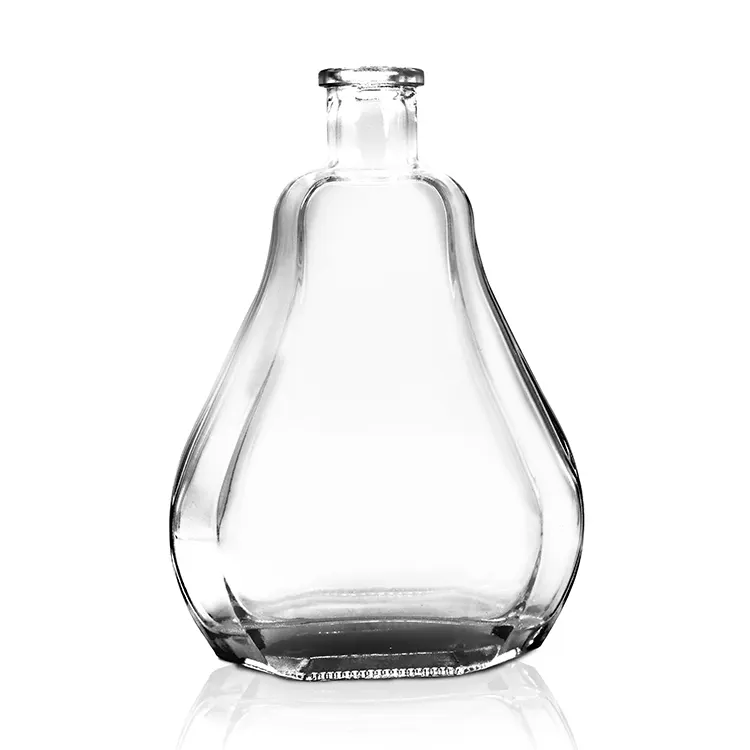
Part of our empty rum bottles range; the stock moulds are pictured at the end of this guide.
Rum Glass Bottles Wholesale: Distillery Packaging Sourcing, Dark Glass Economics, and Batch Strategy
Rum is having its premium moment — aged expressions borrowing cognac’s visual language, craft distilleries rewriting Caribbean heritage, spiced lines multiplying SKUs. For the buyer behind those brands, the bottle decision carries a rum-specific tension: the category’s premium signals point toward dark, heavy, cork-finished glass, while the category’s production geography — island distilleries, long import lanes, seasonal campaigns — punishes heavy glass and high MOQs. This guide resolves that tension with numbers: what wholesale rum bottles cost, when dark glass is worth it, and how to structure batches across expressions.
We supply and export rum bottles for distilleries and brand owners from the Caribbean to Europe and Asia, in flint, amber, green, and coated finishes. What follows is the procurement briefing we give every rum buyer: the cost stack, the dark-glass decision, container math on rum lanes, and the batch strategy that keeps multiple expressions above MOQ.
The Dark Glass Question: Signal vs. Science
First, the science: rum does not need UV protection the way wine does. Barrel chemistry, not photochemistry, defines an aged rum, and ordinary retail light does not damage it within any realistic shelf cycle. Dark glass in rum is therefore a signal, not a shield — amber says aged, green says heritage, black says ultra-premium. That reframing matters commercially, because signals have substitutes.
When does genuine colored glass win? When the bottle is the brand at scale — a flagship aged expression above 100,000 pieces a year whose amber body appears in every photograph the brand takes. Below that scale, simulated dark glass is the economically honest route.
The Wholesale Cost Stack for Rum
Reference ex-works ranges for a 750 ml bottle, for planning reference, confirmed per project quotation:
| Build | Notes |
|---|---|
| Flint, standard 550–700 g | White and gold rum workhorse |
| Colored (amber/green), equal weight | Dedicated color campaign required |
| Premium heavy-base 800–950 g | Aged expressions, cognac-style |
Container Math on Rum Lanes
Glass freight is weight-limited: a palletized 40HQ carries 22,000–30,000 bottles at 550–700 g, but only 18,000–22,000 at 900 g. Rum adds a geographic wrinkle — many distilleries sit in the Caribbean and Latin America, where glass imports often move in 20GP containers on lanes with higher per-unit freight. On those routes, lightweighting a bottle by 100 g can save more in freight than it costs in perceived quality, and the pallet-versus-floor-load decision swings real money. We model both before quoting; size and capacity choices feeding these numbers are on our rum bottle sizes page.
Batch Strategy Across Expressions
Most rum brands run three-plus expressions — white, gold, aged — and MOQ logic differs per color.
Frequently Asked Questions
What is the typical MOQ for wholesale rum bottles?
Minimum quantities are quoted per project, because they depend on the mould and the line it runs on.
Do rum bottles need colored glass for UV protection?
Mostly no — rum is far less light-sensitive than wine or beer. Aged rum’s color and flavor come from barrel chemistry, and while prolonged direct sunlight can fade spirit color over many months, normal retail and warehouse exposure does not justify colored glass on technical grounds. Dark bottles in rum are a branding decision: amber, green, and black signal age, heritage, or premium tier. Since colored glass costs more and carries higher MOQs, many brands achieve the same shelf signal with flint glass under an opaque spray coating or full-body shrink sleeve.
How much do wholesale rum bottles cost?
Pricing is quoted per project — it moves with the mould, decoration, quantity and freight terms.
What bottle shapes work best for rum brands?
Rum has no codified shape the way Bordeaux does in wine, which is a branding opportunity. Caribbean heritage brands lean on round-shouldered “export” silhouettes and squat demijohn cues; premium aged rums borrow from cognac — wide bodies, heavy bases, bar-top finishes; spiced and flavored lines use tall flint bottles that show infusion color. The practical filters are neck finish for your closure, label panel geometry for your art, and pallet efficiency for your freight budget. Our rum buyers most often start from stock cognac-style and round export molds, then differentiate through glass color and decoration.
How many rum bottles fit in a container?
For 750 ml bottles at 550–700 g, a palletized 40HQ holds 22,000–30,000 bottles against the 26–27 tonne payload limit; heavy 900 g premium builds pull that toward 18,000–22,000. A practical wrinkle for rum: many distilleries are in the Caribbean and Latin America, importing glass on lanes where 20GP containers dominate and freight per unit runs higher — bottle weight and packing format matter even more on those routes. Floor-loaded cartons lift piece count 20–30% but need destination labor and careful carton engineering to control breakage.
Can I mix dark and clear bottles in one wholesale order?
Not in one production run — a furnace campaign produces a single glass color at a time, so flint and amber cannot share a run. You can, however, combine molds within one color campaign (375 ml and 750 ml flint together), and you can ship mixed SKUs in one container from separate campaigns. Brands running both a white rum in flint and an aged rum in amber typically schedule the two campaigns back to back and consolidate freight, which keeps each color above its campaign MOQ while sharing logistics cost.
Request a Wholesale Rum Bottle Quotation
To build your tiered quote, send us:
- Expressions and capacities per SKU (white / gold / aged)
- Glass color preference — flint, amber, green, or coated
- First-order quantity and annual volume per expression
- Closure type (bar-top, ROPP, GPI) and decoration plan
- Destination port and preferred Incoterm