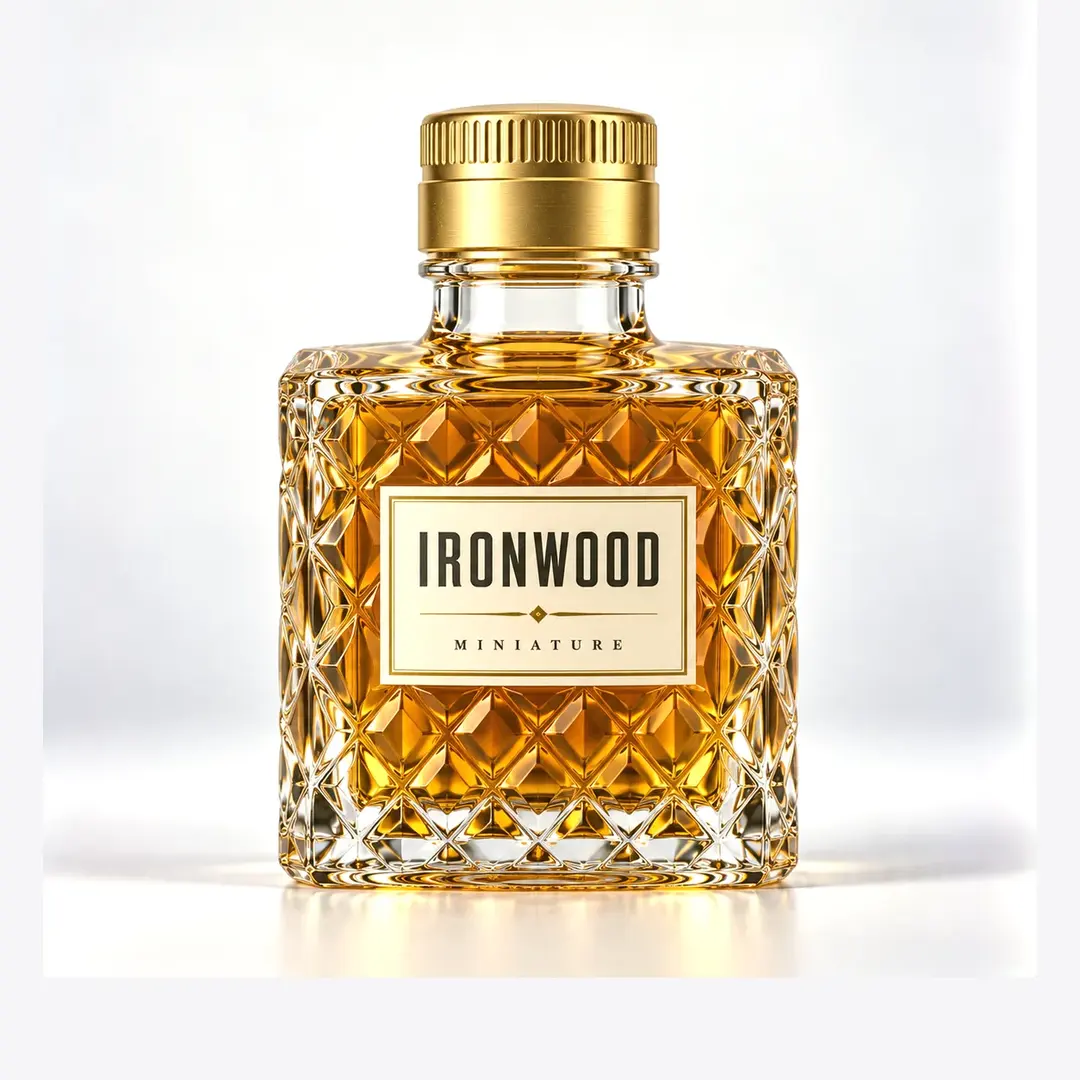
Small bottles are usually where brands cut corners. The 250ml diamond-cut glass liquor bottle shown here, our model DIAMOND-2HAO, is built on the opposite belief: that a small format can carry the strongest luxury signal in your entire range. With a faceted, jewel-like surface that catches light from every angle, this miniature is specified for premium samplers, hotel minibar programs, tasting sets and gift coffrets where the bottle itself must do the selling. This page explains how B2B buyers deploy it, and what to confirm with the factory before ordering.
The Physics of Looking Expensive
Diamond-cut glass works because of a simple optical truth: flat surfaces reflect light in one direction, but faceted surfaces scatter it in dozens. Under retail spotlights, hotel bar lighting or the warm glow of a gift-box interior, a faceted bottle throws moving highlights that a smooth bottle simply cannot produce. The effect reads instantly as cut crystal and celebration — which is why faceted glass has anchored the luxury end of spirits, perfume and premium gifting for over a century. In a 250ml format the effect concentrates: the whole bottle becomes the jewel, with no large flat area left to look ordinary.
For brand owners, the commercial translation is direct. A diamond-cut miniature lets a mid-priced liquid present like a top-shelf one, and it lets a genuinely premium liquid justify coffret pricing. The glass does work that would otherwise require expensive secondary packaging.
Four Programs This Bottle Serves Best
- Discovery samplers and tasting sets. A 250ml faceted bottle turns a “try me” SKU into an object customers keep on the shelf after it is empty — extending brand presence long after the liquid is gone.
- Hotel minibar and suite amenities. Minibars sell on impulse and appearance; a jewel-like bottle earns its premium pour price at a glance and photographs well in suite marketing.
- Gift coffrets and festive editions. Two or three faceted miniatures in a presentation box is a proven holiday configuration across whisky, gin and liqueur categories.
- Event and wedding favors. Premium celebrations increasingly commission filled miniatures as favors; the diamond cut supplies the ceremony that plain glass cannot.
Engineering a Faceted Miniature Honestly
Faceted glass is demanding to produce well. Every facet edge is a mold detail that must fill cleanly, every valley a point where glass distribution must stay consistent, and the whole surface must anneal correctly to survive filling, transport and handling. Miniature formats add their own constraint: small bottles run fast on filling lines and are handled in bulk, so base stability and neck consistency matter at least as much as on full-size formats.
As with every model in our catalog, we do not publish fixed millimeter dimensions, gram weights or brimful figures on this page — those are confirmed per production run on the technical drawing, which the factory issues with your quotation. For minibar and coffret programs, share that drawing with your box supplier early so tray cavities and insert depths are designed around confirmed glass, not assumptions.
Decoration: Letting the Cut Do the Work
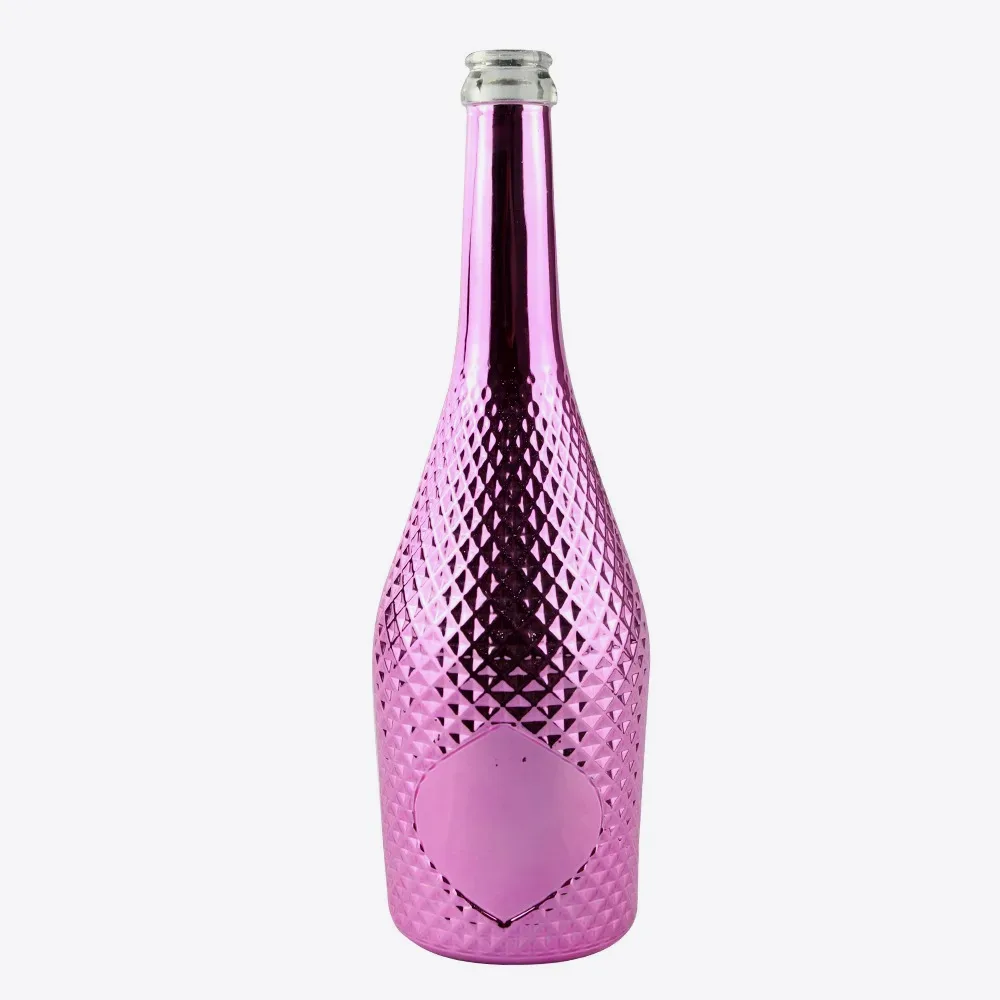
The cardinal rule of decorating faceted glass is restraint — the surface is already the ornament. That said, the factory’s finishing routes open several premium directions for this model: spray coating in metallics or deep jewel tones for holiday editions; light frosting on selected facets for a frosted-ice contrast; screen printing for compact brand marks positioned on calmer areas of the surface; and small-format labeling where regulations or retail channels require it. Standard caps and cork closures can be matched to the neck finish — please confirm the finish specification with the factory before sourcing closures, since miniature closures are a specialized category in their own right.
Quality Standards Behind the Sparkle
Every run of this bottle is produced under the factory’s documented container-glass QC regime: annealing verified with reference to ASTM C148, internal pressure resistance per ISO 7458, and thermal shock endurance per ISO 7459. On a faceted miniature, visual inspection discipline matters as much as mechanical testing — facet crispness and surface clarity are what your customer is actually buying. Batch records can be reviewed during technical approval, and third-party pre-shipment inspection can be arranged on request.
Planning Sampler and Coffret Timelines
Miniature programs are almost always date-driven: holiday coffrets, hotel refurbishments, event seasons. The critical path runs from glass production through decoration setup, closure sourcing, coffret manufacturing and filling — and for peak seasons, every one of those queues lengthens. Brief the factory a season ahead, with your target date in the first message, and we will plan the schedule backward from it. Samples from the existing mold can be arranged early so your team can evaluate facet quality, closure fit and coffret pairing with real glass.
Why 250ml, and Not Smaller
Miniature strategy is a sizing decision before it is a design decision. The 50ml airline nip serves a single pour and disappears; the 250ml format serves several and stays. That difference changes the economics of every program it touches: a sampler set of 250ml bottles delivers enough liquid for a genuine tasting session rather than a sip, a minibar bottle at 250ml supports sharing and repeat pours across a stay, and a coffret of 250ml miniatures carries enough total volume to justify premium gift pricing. For producers, the format also keeps filling, labeling and packing closer to standard-line practice than true miniatures do — a quieter line, fewer handling exceptions, less specialized closure sourcing.
Ordering, MOQ and Next Steps
MOQ for this model depends on mold use and decoration route — the mechanics are explained in our glass bottle MOQ guide. Buyers organizing a first import program can review the workflow in our guide to importing glass bottles from China.
Send your program type, target date, annual volume and decoration direction through the contact and RFQ page, and the factory will reply with the technical drawing, confirmed specifications and a quotation for your miniature program.
Frequently Asked Questions
What programs is a 250ml diamond-cut bottle best suited for?
Premium discovery samplers and tasting sets, hotel minibar amenities, holiday gift coffrets and event or wedding favors. The faceted surface supplies a luxury cue that plain small-format glass cannot, letting mid-priced liquids present as premium.
Is 250ml an accepted spirits size in my market?
Size rules vary by country. The EU and UK permit a defined list of spirits sizes, while other markets differ. Confirm permitted sizes with your distributor or regulatory advisor for each destination, and the factory can advise on what similar programs have shipped.
Does the faceted surface limit decoration options?
The cut surface is itself the ornament, so most programs decorate lightly. Spray coating, selective frosting, screen printing on calmer areas and small labels are all supported. Confirm artwork placement and lead time with the factory when you submit designs.
Which closures fit a 250ml miniature?
Standard caps and cork closures can be matched to the neck finish on the approved drawing. Miniature closures are a specialized category, so confirm the finish specification with the factory before sourcing closures from third parties.
What is the MOQ and can we evaluate samples first?
MOQ depends on use of the existing mold and decoration route. Samples from the existing mold can usually be arranged so you can judge facet quality, closure fit and coffret pairing with real glass. Confirm sample cost and timing with the factory.
How is quality controlled on a faceted miniature?
Production follows documented container-glass QC: annealing per ASTM C148, internal pressure per ISO 7458 and thermal shock per ISO 7459, plus visual inspection discipline for facet crispness and clarity. Batch records and third-party pre-shipment inspection can be arranged on request.


