
500ml Faceted Glass Bottle for Premium Shelf Standout and Gifting
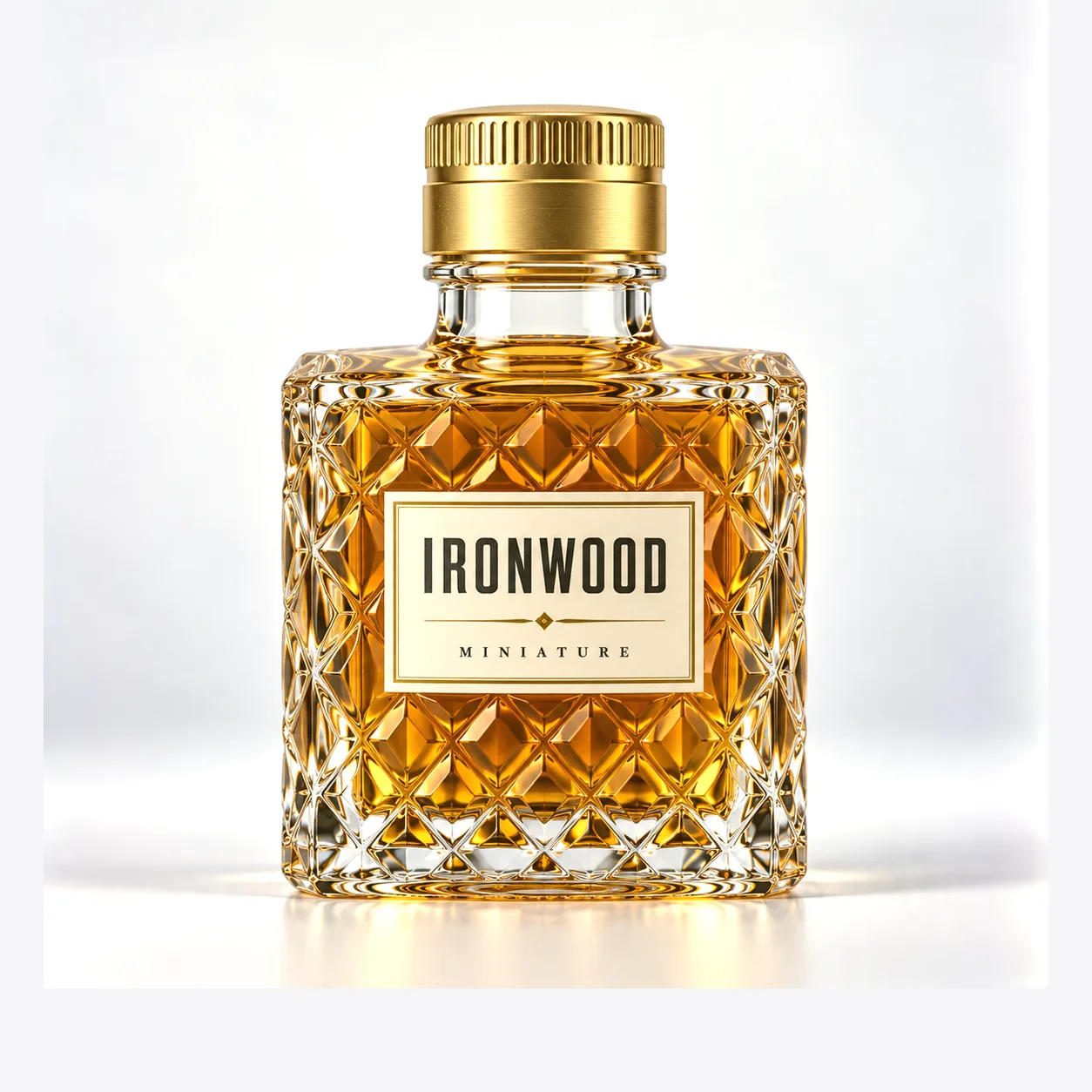
In premium spirits, the shelf is a lighting rig. Back-bar spotlights, retail case LEDs, the warm lamps of a hotel lounge — premium bottles live or die by how they behave under directed light. The FACETED mold is a 500ml liquor bottle engineered for exactly that environment: a faceted design whose cut-glass geometry catches, bends, and throws light, giving a brand shelf presence that smooth glass simply cannot manufacture. This page explains the optical logic of faceted packaging, which spirits earn this treatment, and how to decorate a faceted surface without fighting its geometry.
The Physics of Shelf Presence
Why do faceted bottles command attention? The answer is geometry, not marketing. A smooth cylindrical bottle reflects light in one broad, predictable highlight — pleasant, but visually quiet. A faceted surface breaks the bottle’s skin into many small planes, each angled differently to the light source and to the viewer. Every plane returns its own highlight, and as the viewer moves, those highlights shift and sparkle. The bottle appears animated on a static shelf.
There is a second optical effect working in your favor: refraction through the liquid. Spirits are brilliant optical media — clear vodka and gin transmit light, amber whisky and aged rum warm it. Facets bend that transmitted light as it exits the glass, throwing caustic patterns and internal reflections that make the liquid itself look more alive. A well-lit faceted bottle on a back bar does not just hold the spirit; it performs it. This is why cut-crystal aesthetics have signified premium in spirits for over a century, from decanter traditions to modern faceted flacons — and why a faceted mold lets a brand borrow that entire semiotic heritage at a production-glass price point.
Designed for Display: Bars, Cabinets, and Gift Programs
Faceted bottles earn their premium in three display environments. The first is the back bar, where a distinctive bottle drives call purchases — consumers order what they can see, and a bottle that sparkles under bar lighting gets seen. On-premise-focused brands should think of the bottle as their primary advertising medium in the channel.
The second is the retail display case and the home bar cabinet. Premium spirits are increasingly bought as display objects as much as drinks; a faceted bottle justifies its place in a lit cabinet, which keeps the brand visible in the consumer’s home long after purchase. The third is gifting. A bottle that looks like cut glass photographs beautifully, wraps impressively, and carries a gift-appropriate sense of occasion before a single word of the label is read. For gift-set programs, confirm the packed envelope with the factory before procuring rigid boxes, since the faceted geometry and your closure choice together determine the internal dimensions you need.
The 500ml capacity reinforces the premium-and-gifting logic: it is the classic size for premium liqueurs, craft spirits, gift sets, and travel-friendly premium SKUs across many markets. As with any capacity decision, confirm fill-size compliance for your destination markets with the factory and your importer of record before committing to artwork.
Which Spirits Earn a Faceted Bottle
- Premium and craft gin — the category where decorative glass most reliably converts to shelf pull; botanical storytelling pairs naturally with jewel-like packaging.
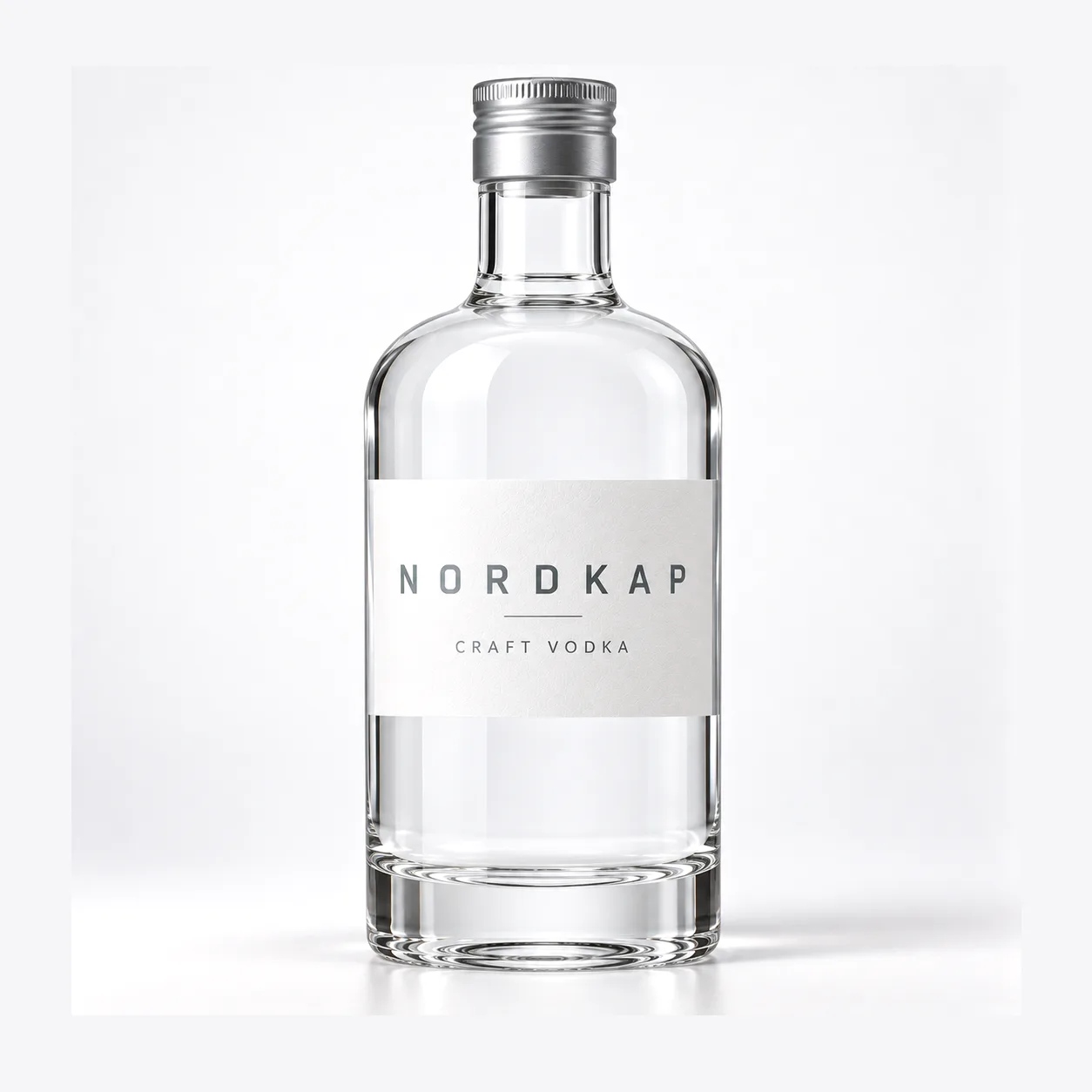
- Premium vodka — clarity is the product; facets make clarity visible across the room.
- Liqueurs and aperitifs — colored liquids are the greatest beneficiaries of facet refraction; the glass turns the liquid into the decoration.
- Premium rum, brandy, and whisky expressions — for gift-led editions, travel-retail exclusives, and line extensions above the core range.
- Baijiu and Asian premium spirits for gifting channels — markets with strong premium-gifting cultures reward display-grade bottles.
Decoration That Works With the Facets
The first rule of faceted decoration: the glass is already the decoration. Heavy coverage fights the geometry you paid for. The strongest programs on faceted molds use restraint — a minimal paper or film label on a reserved flat panel, or single-color screen printing placed where the design language allows. Frosting applied selectively can create a striking matte-against-brilliant contrast; full frosting trades away the light play, so discuss coverage options with the factory before committing. Spray coating works best in translucent tints that keep the optical behavior alive rather than opaque colors that bury it.
Closures deserve equal attention on a display bottle: a premium bar-top cork or a well-finished cap completes the object. Standard cap and cork configurations are available; the exact neck finish and closure compatibility for this mold are confirmed with the factory during sampling. If you are considering a heavyweight or specialty stopper, raise it at RFQ so neck-finish validation happens before closure procurement.
From Bar Back to Unboxing: The Full Display Journey
Premium buyers increasingly meet a bottle first through a screen, so it is worth noting that faceted glass is unusually photogenic. The same geometry that catches bar lighting gives e-commerce photography natural highlight structure without heavy retouching — product pages, social content, and unboxing videos all benefit. Several brands running this style of mold report that the bottle carries a disproportionate share of their content marketing: shoot the glass well once, and the facets keep working in every repost. When you request samples, plan a quick photo test under your actual content-lighting setup alongside the bar-light test.
Standards Behind the Sparkle
Optical drama is only worth having if the glass survives the journey. Our liquor bottle production verifies annealing per ASTM C148, internal pressure resistance per ISO 7458, and thermal shock resistance per ISO 7459 — the framework that keeps faceted bottles intact through filling, freight, and the temperature swings of export logistics. Test documentation is available with your quotation and belongs in your supplier file alongside our glass bottle supplier checklist.
Requesting Samples and Pricing
Faceted bottles must be evaluated in hand and under light — photographs undersell them. Send your fill type, destination markets, target volume, and decoration direction through our contact page and request physical samples; we will confirm current MOQ for your decoration route (background in our glass bottle MOQ explainer), sampling timelines, and technical drawings. New importers should review our guide on importing glass bottles from China. If your brand competes on the premium shelf, this is the mold that makes the light do the selling.
Frequently Asked Questions
What makes a faceted bottle different from a smooth premium bottle?
A smooth bottle returns one broad highlight, while a faceted surface breaks light across many angled planes that sparkle as the viewer moves. Facets also refract light through the liquid itself, making clear and colored spirits look more vivid under bar and retail lighting. The result is shelf presence that smooth glass cannot replicate at any label budget.
Which spirits categories work best in this 500ml faceted mold?
Premium and craft gin, premium vodka, and colored liqueurs benefit most directly from the light play. Premium rum, brandy, and whisky use it for gift-led editions and travel-retail exclusives, and it also suits Asian premium spirits for gifting channels. The 500ml capacity fits premium, gift-set, and travel-friendly programs.
How should I decorate a faceted bottle without hiding the facets?
Use restraint: a minimal label on a reserved panel or single-color screen printing works best. Selective frosting can create matte-against-brilliant contrast, but full frosting removes the light play, and opaque spray coating buries it — translucent tints are the better route. Discuss coverage options with the factory before committing to a decoration spec.
Is 500ml compliant for spirits in my market?
500ml is a classic size for premium liqueurs, craft spirits, and gift sets in many markets, but permitted fill sizes vary by jurisdiction. Confirm capacity compliance for every destination with the factory and your importer of record before finalizing artwork.
Can I get a physical sample to evaluate the light effect?
Yes, and we strongly recommend it — photographs undersell faceted glass. Request samples through our contact page, and evaluate them under the lighting conditions your bottle will actually face: bar spotlights, retail case LEDs, and daylight. Confirm current sample lead times with the factory when you inquire.
What is the MOQ for the faceted mold?
MOQ depends on your decoration route and current line scheduling, so confirm the current figure with the factory at RFQ stage. As a shared catalog mold it runs at standard production minimums rather than bespoke-mold volumes. Our glass bottle MOQ explainer covers how decoration choices affect the minimum.


