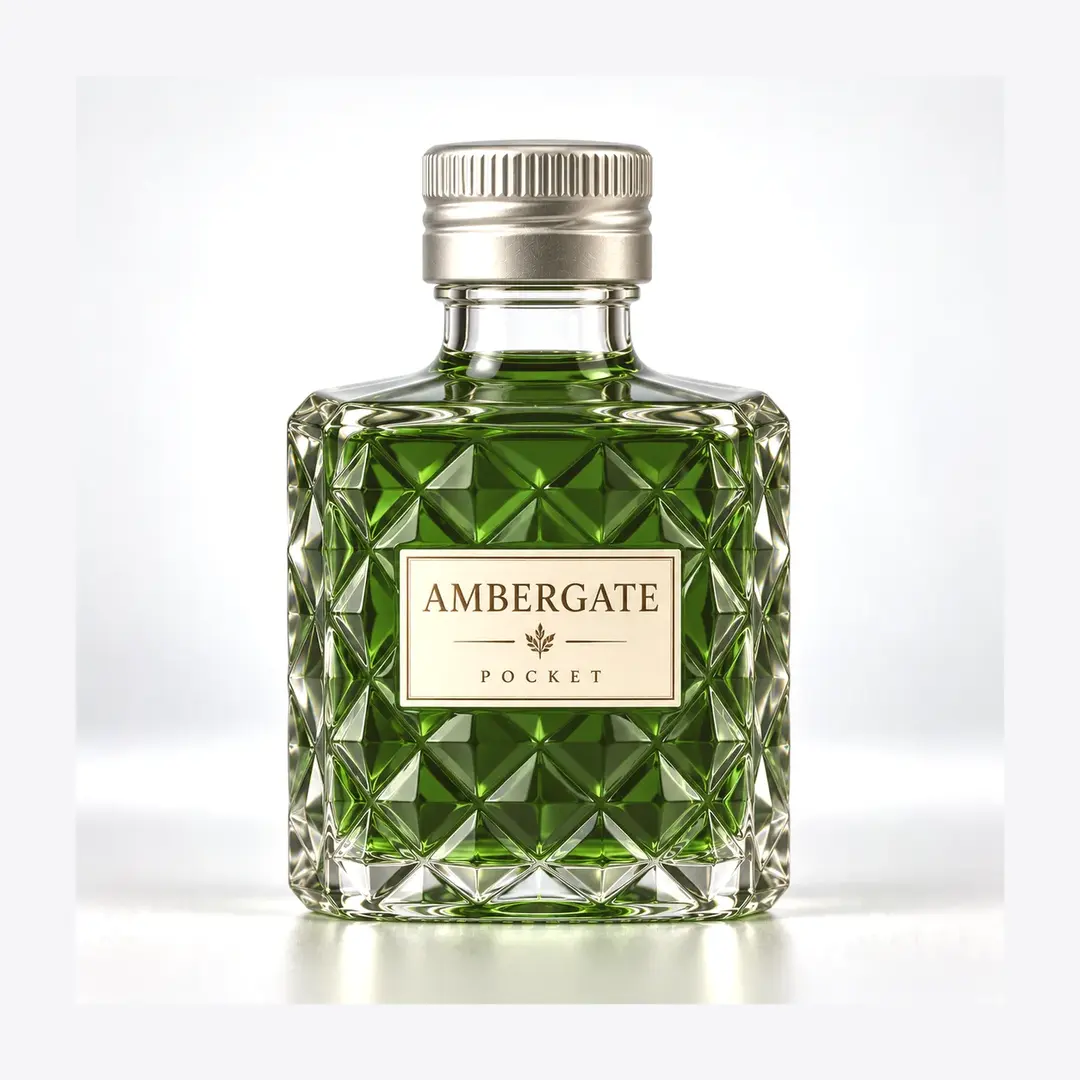
The spirits industry spent a century optimizing the full-size bottle, and then discovered that a growing share of drinking occasions never wanted one. Festivals, concerts, stadiums, airlines, hotel minibars, beach clubs, picnic hampers, party favors — an entire economy of single-evening consumption runs on small formats. This 250ml liquor bottle is built for that economy: a pocket-scale format that lets brands sell spirits where full bottles cannot go, at price points that turn occasion into impulse. This page is for brand owners, RTD producers, and hospitality buyers evaluating small-format programs — what the format does commercially, where it wins, and how to spec it properly.
The Single-Serve Opportunity in Spirits
Two consumer shifts converge on the 250ml format. First, moderation: drinkers increasingly buy by the occasion rather than stocking a home bar, and a 250ml bottle — roughly four to five standard pours — matches a single evening for one or two people. Second, premiumization of convenience: consumers who would never call a miniature “good value” happily pay for a well-designed small bottle of something craft. The format reframes portion control as a lifestyle choice rather than a compromise.
For brands, the commercial effect is a new price ladder. A 250ml SKU sits below your full-size bottle without discounting it, captures buyers the full size could never convert, and — because per-milliliter pricing on small formats runs significantly higher — often contributes margin out of proportion to its volume. Distilleries also use the format as the top rung of the sampling ladder: more serious than a 50ml miniature, still an easy yes, and large enough for the drinker to form a real opinion over several serves. Retailers, for their part, value the format’s shelf economics: small bottles turn facing space faster and anchor the high-impulse zone near the till where full-size bottles cannot go.
Where the 250ml Format Wins
Events and festivals. Licensed venues, music festivals, and sporting events need serve-size spirits that are fast to stock, fast to sell, and safe to carry in crowds. Glass at this scale remains the premium serve — confirm venue material policies with your event customers, since some mandate alternatives, and confirm the bottle’s packed case configuration with the factory for high-throughput bar operations.
Travel and transit. Airlines, rail catering, and ferry services buy small formats almost exclusively. The 250ml size sits above miniature territory — it suits premium cabin service, duty-free adjacent programs, and travel-retail multi-packs. Weight and packing density drive these tenders; the factory can provide case counts and pallet configurations at quotation.
RTD and pre-batched cocktails. The ready-to-drink boom made small bottles a cocktail format. A 250ml glass bottle positions a pre-batched Negroni or Old Fashioned as a bar-quality serve rather than a canned compromise — glass reads premium in a way cans and PET do not, and for spirit-forward RTD that distinction is the entire value proposition.
Gifting and party favors. Wedding favors, corporate event gifting, and holiday stocking-fillers all run on small bottles with custom decoration. The unit price sits in the sweet spot for bulk gifting, and a personalized label or printed bottle turns a commodity into a keepsake.
Small Bottle, Full Brand Standards
The most common small-format mistake is treating the bottle as a shrunken afterthought. Consumers hold a 250ml bottle in one hand, inches from their eyes — finish quality, label registration, and closure feel are all magnified. This mold is produced to the same line standards as our full-size liquor bottles, and we recommend buyers spec decoration with the same seriousness: clean label stock with sharp registration, or screen printing for a label-free look that survives ice buckets and condensation. Frosting and spray coating are available for programs that want a distinctive tactile or color identity at small scale.
Closure choice matters more at this size than buyers expect. The closure is a larger visual share of the object, and it is what the drinker interacts with first. Standard caps and small bar-top closures in proven configurations keep cost and supply risk low; the exact neck finish and closure compatibility for this mold are confirmed with the factory during sampling. For RTD fills, raise carbonation or acidity questions at RFQ stage so liner compatibility is validated before you commit.
One regulatory note belongs in every small-format business case: permitted spirits fill sizes vary by jurisdiction, and small formats face tighter rules in some markets than full sizes — including, in certain territories, restrictions on where spirit-based RTD may be sold. Confirm capacity compliance and channel rules for every destination with the factory and your importer of record before finalizing artwork.
Standards at Pocket Scale
Small bottles face rougher lives than big ones: tossed in coolers, carried in bags, shaken in transit to events. Our liquor bottle production verifies annealing per ASTM C148, internal pressure resistance per ISO 7458, and thermal shock resistance per ISO 7459 — the framework that keeps bottles intact from the filling line to the festival field. Test documentation is available with your quotation and belongs in your supplier file alongside our glass bottle supplier checklist; event and travel-channel buyers routinely audit exactly this paperwork.
Planning a Small-Format Program
Tell us the program — RTD, event supply, travel retail, gifting, or a sampling SKU — plus destination markets and annual volume, through our contact page. We will confirm the current MOQ for your decoration route (background in our glass bottle MOQ explainer), sampling timelines, case and pallet configurations, and technical drawings. New to importing? Our guide on importing glass bottles from China covers the fundamentals. The occasions driving small-format growth are not slowing down — the brands winning them are the ones whose bottles were designed for the moment.
Frequently Asked Questions
Is 250ml a compliant spirits fill size in my market?
Fill-size rules vary by jurisdiction, and small formats can face tighter regulation than full-size bottles — including channel restrictions for spirit-based RTD in some territories. Confirm capacity compliance and channel rules for every destination with the factory and your importer of record before finalizing artwork.
What programs is this 250ml bottle best suited for?
The core programs are single-serve spirits for events and festivals, travel and transit catering, premium RTD and pre-batched cocktails in glass, gifting and party favors, and the top rung of a sampling ladder above 50ml miniatures. It delivers roughly four to five standard pours — one evening for one or two drinkers.
Can this bottle hold carbonated RTD cocktails?
Glass is a strong premium choice for spirit-forward RTD, but carbonation and acidic mixes change closure and liner requirements. Raise your fill’s carbonation and acidity profile at RFQ stage so the factory can validate neck finish and liner compatibility before you commit to closures.
What is the MOQ for a 250ml program?
MOQ depends on your decoration route and current line scheduling, so confirm the current figure with the factory at inquiry. As a catalog mold it runs at standard production minimums rather than bespoke tooling volumes. Our glass bottle MOQ explainer covers how decoration choices affect the minimum.
Which decoration survives event conditions like ice buckets?
Screen printing directly on glass is the most durable route for wet, high-handling environments since there is no label edge to lift. Quality paper or film labels work well for gifting and retail programs, and frosting or spray coating adds a distinctive tactile identity. Confirm the final decoration combination with the factory before ordering cartons.
How are 250ml bottles packed for event and travel supply?
Bottles ship in export cartons and palletized configurations optimized for small-format density. Case counts and pallet layouts for this mold are confirmed with the factory at quotation, since final numbers depend on your closure and decoration choices. High-throughput venues should review case ergonomics before committing.


