Part of our glass liquor bottles range, where the stock moulds for this are listed and quoted per project.
The right bottle lifts a craft spirit brand because shoppers and retailers judge the glass before they read the label. Shape, glass colour, weight and surface finish each signal something about the liquid, and a bottle that looks cheap undoes brand work that took months or years. A small distillery does not need a fully custom mould to get this right: a stock bottle with good decoration, or a modified existing design, is often enough.
What the bottle has to do for a small distillery
Craft spirits now crowd every major market. A new bourbon competes with other bourbons and also with every bottle nearby that claims heritage and craftsmanship. People who buy from small producers are paying for a story and for the care behind each batch, and they expect the pack to show that care.
Retailers react the same way. A considered bottle standing beside mass-market brands reads as a legitimate product, which affects whether it is stocked and picked up. On thin margins, the bottle is better treated as part of what earns the selling price than as a cost to be minimised.
Choosing a shape that matches the story
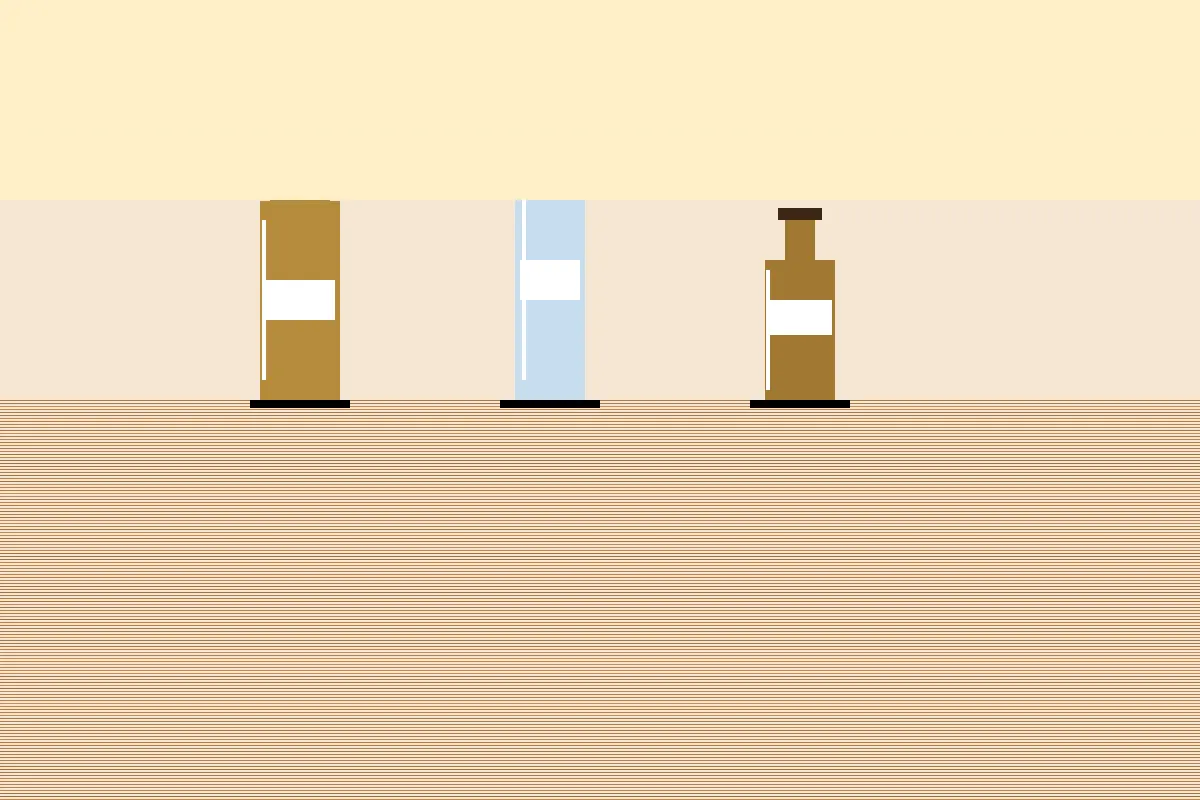
Shape sets an expectation before anyone tastes anything. Tall, slim vodka bottles suggest refinement. A squat whiskey bottle with a thick base and broad shoulders suggests substance and tradition.
Start from the brand narrative. A distillery built on Appalachian heritage is better served by that classic heavy whiskey form than by a delicate elongated one. A botanical gin from a coastal producer may suit a sleeker, more modern outline that reads as fresh and clear. Our overview of alcohol bottle types sets out the established shapes for each spirit.
A new mould is not the only way to an individual look. Many glass plants offer a modular route in which elements of existing designs are combined, and the tooling outlay is far smaller than for a bottle drawn from nothing. This hybrid route puts a distinctive bottle within reach of smaller operations.
Glass colour, weight and surface finish
| Choice | Option | Effect |
|---|---|---|
| Colour | Amber | Shields the spirit from UV and reads as warm and traditional |
| Colour | Clear | Shows the liquid and signals purity |
| Colour | Cobalt blue or deep green | Stands apart from neighbouring bottles at a glance |
| Weight | Heavy base | Feels substantial in the hand, which buyers associate with quality |
| Surface | Frosting | Soft matte look that photographs well and is pleasant to hold |
| Surface | Embossed logo or pattern | Raised texture that catches light |
| Surface | Silk-screen print, ceramic decal or sleeve label | Three different graphic results; choose by artwork |
On weight, many higher-end craft producers pick bottles 10% to 20% heavier than the standard container for their category. Weigh that choice against freight and against any sustainability claims the brand makes.
Finishing is no longer reserved for large brands. Plants serving the craft sector have widened their decoration options, so frosting, embossing and fired print are available to small-batch producers too. The background on why glass suits spirits is in our article on the functions and advantages of glass bottles.

Keeping a product line recognisable
Plan the range as a family. When a rye whiskey, a vodka and a seasonal release share visual traits, each one reinforces recognition of the others.
The bottles need not be identical. Fix a few shared elements, such as an embossing pattern, a neck design or a colour palette, and let each product vary around them. The flagship can carry the most elaborate treatment while a smaller format uses a simpler version of the same design language.
Sustainability belongs in this plan as well. Glass can be recycled without limit, and many craft brands make that part of their story. Recycled content in the melt, lighter bottle options and less packaging waste are all points to raise with a supplier.
Working with suppliers at small volumes
It is a common mistake to assume that good packaging is open only to producers with very large orders. Tell suppliers plainly what you need now and how you expect to grow. An honest one will steer you to one of three routes:
- a stock bottle with custom silk-screen printing;
- a semi-custom change to an existing design;
- a fully bespoke bottle, when projected volume justifies the tooling.
Work the packaging schedule back from the launch date, and allow for several rounds of samples, quality testing and possible production delays. Our guide to finding a glass bottle supplier goes further into choosing a partner, and how glass bottles are made explains the process behind those sample rounds.
Steps to improve your current packaging
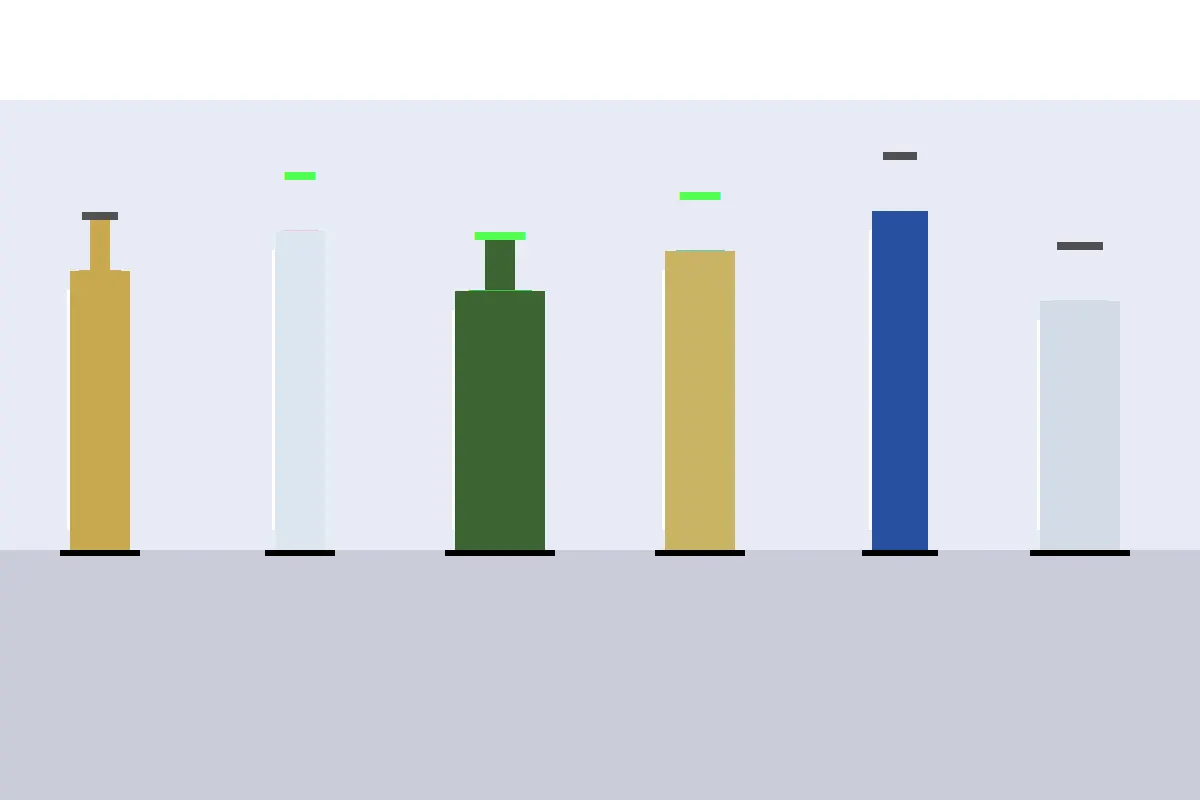
- Run a shelf test. Print your label, cut it out and tape it to a generic bottle. Put it beside the bottles of your three closest competitors. If yours disappears, the container is the weak point.
- Use a specialist designer. Amateur and professional bottle design are far apart. Hire a packaging designer who knows spirits.
- Ask for a spread of samples. One bottle per supplier tells you little. Request different glass colours, weights and finishes, then hold and compare them, because feel counts as much as appearance.
- Plan for growth. A supplier that copes well at 5,000 bottles may struggle at 50,000. Check capacity and flexibility before you commit.
- Get help with sourcing. As a sourcing desk we match a distillery's project, whether a small custom run for a limited release or volume production of a signature design, to a glass plant used to craft spirits work.