Glass does five jobs that no other common packaging material does all at once: it does not react with the product, it lets no gas or aroma through, it shows the contents, it survives heat processing, and it recycles back into bottles without losing grade. It pays for that with weight and breakability. Glass is the right choice when your product sells on purity, shelf life or presentation, and the wrong one when freight weight or breakage risk dominates the channel.
What glass does for the product
It does not react with the fill
Glass is chemically inert towards practically every food, drink, cosmetic and medicine. It releases no plasticizers, soaks up no flavour, and is untouched by acids, alcohol and essential oils. High-proof spirits, acidic pickles and citrus oils, all of which are hard on polymers, can stay in glass for years without changing.
This is also why food-contact approval is rarely a hurdle. Migration testing against EU 1935/2004 and FDA 21 CFR expectations is routinely passed with room to spare, and pharmacopeias treat glass as the default for sensitive formulations.
It is a complete barrier
Gases, water vapour and aroma molecules cannot pass through a glass wall. Oxygen stays out of a wine, CO₂ stays in a sparkling wine, and a perfume keeps its fragrance. Plastics let a measurable amount of gas through over shelf life, which is the reason a PET soda bottle goes flat in time.
It shows and sells the contents
Among rigid packs, only glass protects the product while keeping it fully visible: the gold of a dessert wine in flint (clear) glass, the layers of a liqueur, the texture of a serum. Weight, clarity and a thick base add a tactile signal of quality. A spirits bottle weighing 750 g tells the customer something before the label does.
It tolerates heat processing
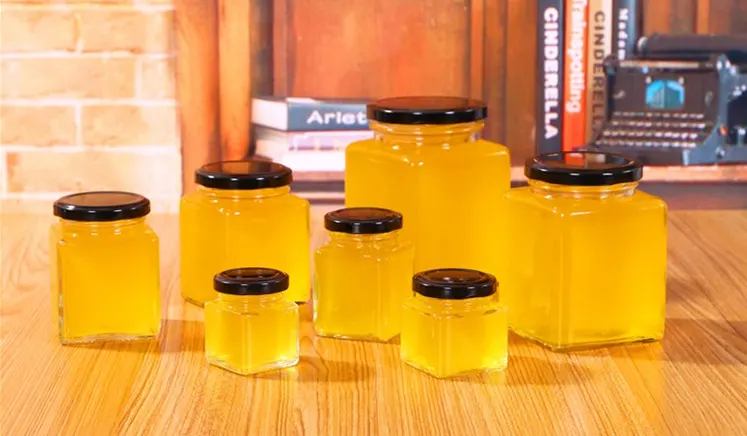
Correctly annealed glass, specified for the process, takes hot-filling of jams and sauces at 85-90 °C, water-bath and pressure canning at 115-121 °C, pasteurization and freezing. Thermal-shock resistance is verified with ISO 7459 methods. Candle glass is a separate specification again, because it has to withstand repeated flame cycles.
It recycles without downgrading
A used bottle can become a new bottle of the same grade, any number of times. Recycled cullet (crushed glass) is a normal and wanted batch ingredient because it lowers melting energy significantly. For a brand making sustainability claims, that closed loop is easier to prove than the "recyclable" label on most plastics.
Glass compared with plastic, aluminum and carton
| Property | Glass | PET/plastic | Aluminum | Carton |
|---|---|---|---|---|
| Chemical inertness | Excellent | Fair to good | Good (lined) | Fair (lined) |
| Gas and aroma barrier | Excellent | Fair | Excellent | Good |
| Product visibility | Excellent | Good | None | None |
| Perceived quality | Excellent | Fair | Good | Fair |
| Hot-fill and thermal processing | Excellent | Limited | Good | Limited |
| Recyclability in practice | Excellent (closed loop) | Limited (downcycled) | Excellent | Fair |
| Weight and freight | Poor (heavy) | Excellent | Excellent | Excellent |
| Resistance to breakage | Poor (breakable) | Excellent | Good (dents) | Excellent |
The pattern is consistent. Glass leads on protection, presentation and circularity, and trails on the last two rows.
Where glass loses, and how the two weaknesses are managed
Weight is handled at the design stage through lightweighting, and at shipping through container-load planning and consolidated freight. Breakage is a packing question: divider cartons in 5-ply corrugated board, palletized and shrink-wrapped, are what make export glass arrive intact. We ask for loading photos on shipments so that the condition at dispatch is on record.
Some channels still punish glass too hard to justify it:
- weight-sensitive routes such as single-bottle e-commerce parcels or airline service;
- places where breakage is a hazard, including poolsides, gyms and products for children;
- price points where the pack has to all but disappear from the cost structure.
Products that belong in glass
- Wine and spirits. Oxygen has to be controlled for years, and buyers read a glass bottle as part of the category's tradition.
- Heat-processed foods. Jams, sauces, pickles and home-style canning need a container that takes both the process and the shelf life.
- Fragrance and active skincare. Essential oils, retinoids and high-alcohol formulas attack many plastics.
- Baby food and pharmaceuticals. Inertness is the first line of the specification here.
- Candles. The container has to hold a burning product.
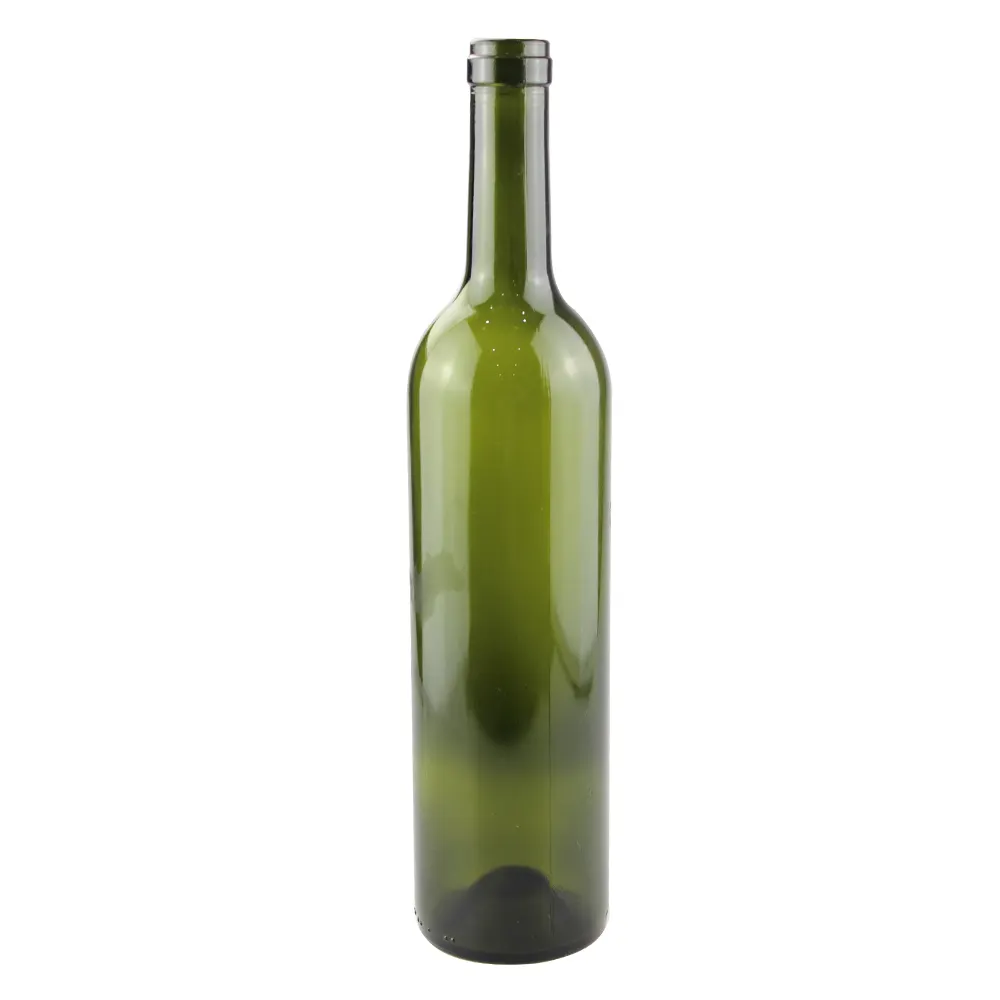
Once the material is settled, the work is matching a glass family to the product. Our bottle and jar categories are the place to start; the forming process and the quality checks we apply to glass bottles explain what stands behind a specification. If you would like a second opinion on whether glass suits your product at all, send us the product, channel and volume.
Frequently asked questions
Why is glass preferred to plastic for food and drink?
For three reasons covered above: no leaching or flavour scalping, no gas exchange, and the ability to go through hot-fill and canning. Plastic is lighter and does not shatter, so the decision depends on the product and its route to market.
Is glass packaging really sustainable?
On material circularity, yes. It is remelted at full quality, cullet reduces furnace energy, and glass never turns into microplastic. Its environmental cost is transport weight, which is why lighter bottle designs and consolidated shipments are standard in well-run programmes.
Does glass change how a product tastes?
No. It adds nothing and takes nothing away, including the aroma compounds that some polymers are documented to absorb. A wine, sauce or fragrance is the same at opening as it was at filling.
Can any glass jar be hot-filled or canned?
Only one specified for it. The jar must be properly annealed, which is checked under ASTM C148, and verified for thermal shock under ISO 7459. It is the specification that makes a jar safe for the process; being made of glass is not enough.
Is glass too fragile to ship overseas?
Not when the packing specification is right. Dividers, strong corrugated cartons, palletizing and shrink-wrap decide the result, and photographs taken at loading settle any later question about who was responsible.