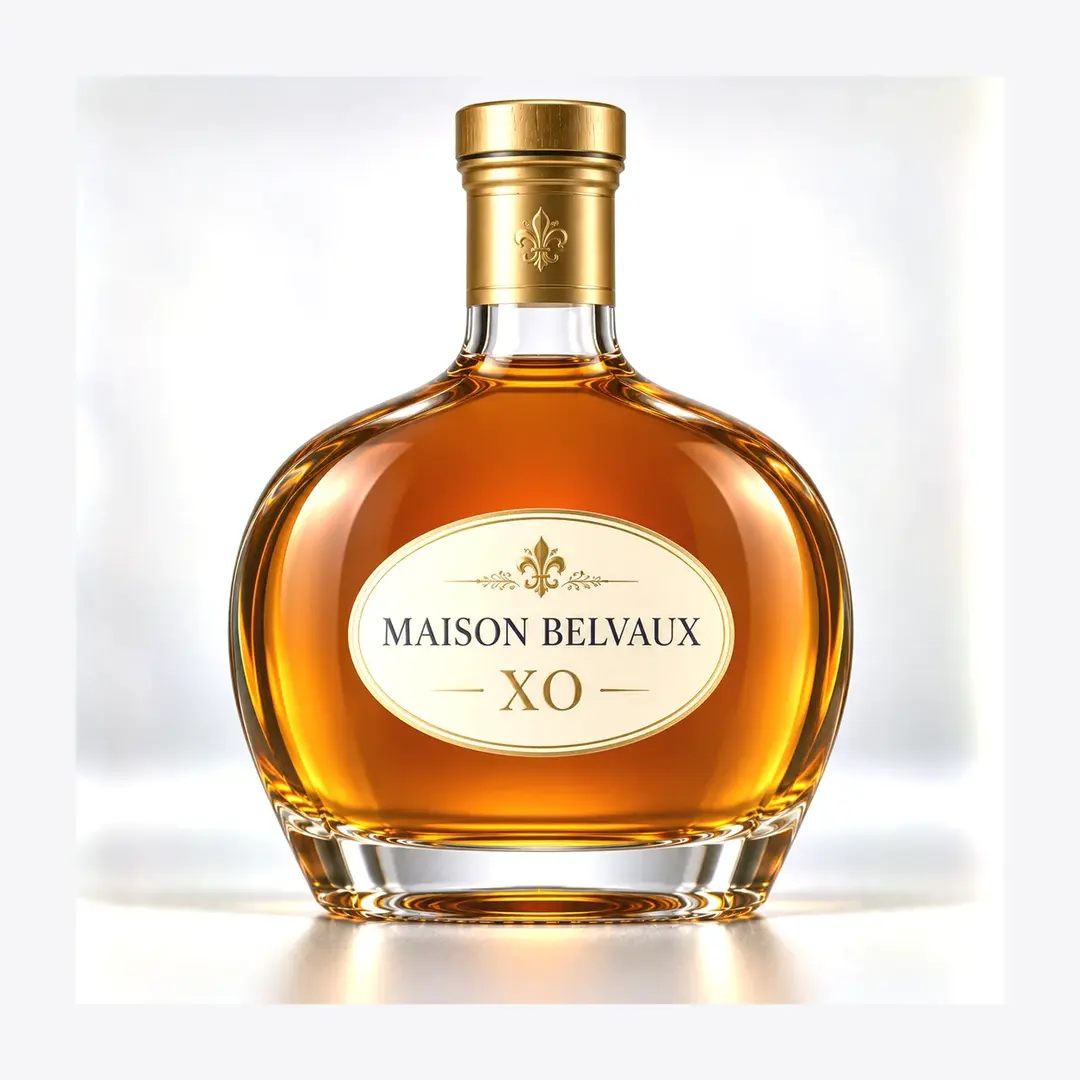
A bottle in a gift box is not a bottle with packaging around it — it is a different product. The buyer is different (often not the drinker), the moment is different (a handover, not a pour), and the engineering is different (the box and the bottle must be designed as one object). This classic XO-silhouette mold — the legacy sibling in our XO mold family — is specified most successfully not as a standalone shelf bottle but as the core of gift-coffret programs: rigid-box presentations for duty-free, festival gifting, and corporate channels. This page is about that discipline: how coffret programs work, and what the bottle must do inside them.
Why Coffrets Are a Separate Packaging Discipline
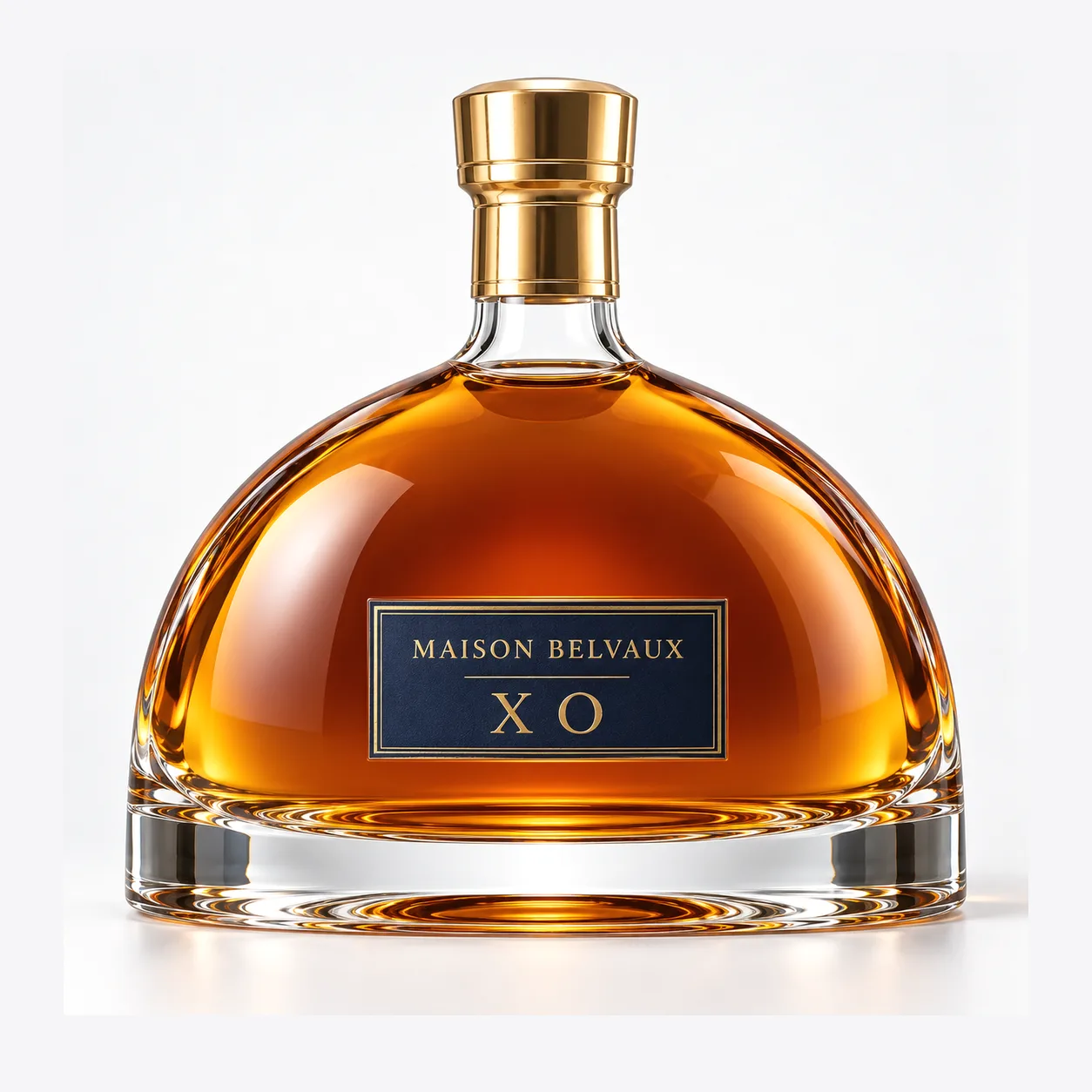
Everything about a gift-coffret program inverts normal bottle priorities. On a shelf, a bottle fights for attention; in a coffret, it performs for an audience of one, at the moment the lid lifts. That moment — the unboxing — is the product experience, and it is choreographed: the reveal of the silhouette through the box window or against the insert, the lift of the bottle from its fitment, the weight in hand confirming the price. A bottle chosen for coffret work must hold that choreography. The classic XO silhouette excels here precisely because it is classic: a shape the recipient recognizes as significant before any label is read, with the proportions that sit naturally in a presentation insert.
The engineering inversion is just as important. Shelf bottles are specced from the outside in; coffret bottles must be specced from the box backward. Insert fit, lid clearance, and transit survival inside the fitment all depend on the bottle’s exact envelope — height including closure, maximum diameter, shoulder profile. Confirm the final packed envelope with the factory before your box supplier cuts a single die, and include closure height in that confirmation: a bar-top cork with a tall decorative top can add meaningful height over a standard closure.
The Gift-Set Buyer Journey Decides the Design
Coffret programs sell through three channels, and each reads the product differently.
Duty-free and travel retail. The traveler buys a coffret because it solves a problem: a complete, protected, presentable gift that survives a suitcase. Duty-free coffrets run compact — box dimensions are constrained by cabin luggage reality — and the bottle’s silhouette does the selling through the window. The classic XO profile is one of travel retail’s most proven gift languages.
Festival and seasonal retail. From lunar new year to year-end holidays, festival coffrets are bought in volume by gift-givers who need the packaging to carry the occasion. Decoration on the bottle itself typically stays restrained — the box carries the festival theme, and a classic bottle inside keeps the program reusable across seasons with only carton redesigns. That reusability is a real cost lever: one bottle inventory serves every festival on the calendar, and each season’s refresh is a carton print run rather than a packaging redesign.
Corporate and institutional gifting. Companies buying hundreds of coffrets care about consistency, lead time, and a presentation that reads premium without reading extravagant. A shared-mold classic bottle with clean decoration hits that brief precisely, and shared-mold economics keep the per-coffret cost where procurement departments need it. Corporate programs also reorder on annual cycles, so the mold’s reorder reliability — the same bottle, year after year — becomes a commercial feature in itself.
Pairing the Bottle With Rigid Boxes: A Practical Sequence
Run coffret programs in this order to avoid the classic failures. First, lock the bottle and closure — request samples and the technical drawing pack from the factory, and confirm the final envelope including your chosen closure. Second, brief your box supplier with physical bottle samples, not drawings alone; insert fit is a tactile problem. Third, prototype the full coffret and transit-test it: coffrets fail in freight differently than cases of loose bottles, and a presentation insert that lets the bottle rattle will arrive as a very expensive rattle. Fourth, only then commit to production quantities on both components. The factory can advise on case and pallet configurations for boxed units — confirm those figures at quotation since coffret dimensions change container economics significantly versus bare-bottle shipments.
Decoration and Closure for Coffret Presentation
Inside a coffret, decoration restraint reads as confidence. The proven routes on this mold: single-color screen printing for a medallion-style mark, small premium-stock labels, or selective frosting for a matte contrast panel. Save the loud design for the box. For closures, a quality bar-top cork completes the presentation — the recipient’s hand goes to the top first — but confirm the closure’s height and profile against your box’s lid clearance before committing. Standard cap and cork configurations are available; exact neck-finish compatibility for this mold is confirmed with the factory during sampling.
Standards, Documented
Coffret programs concentrate risk: one transit failure ruins the entire presentation, not just the bottle. Our liquor bottle production verifies annealing per ASTM C148, internal pressure resistance per ISO 7458, and thermal shock resistance per ISO 7459, with test documentation available with your quotation. Keep it alongside our glass bottle supplier checklist — duty-free and corporate channel buyers audit supplier documentation as a matter of course.
Building Your Coffret Program
Start with the channel and the occasion: tell us whether the program targets duty-free, festival retail, or corporate gifting, plus volumes and timeline, through our contact page. We will confirm current MOQ for your decoration route — background in our glass bottle MOQ explainer — plus samples, drawing packs, and packed-envelope data for your box supplier. New to importing? Our guide on importing glass bottles from China covers the fundamentals. A coffret succeeds when bottle and box were planned together — begin with the bottle, and begin early.
Frequently Asked Questions
What makes this bottle suitable for gift-coffret programs specifically?
The classic XO silhouette reads as significant to a gift recipient before any label is read, and its proportions sit naturally in presentation inserts. It is specified as the core of rigid-box programs rather than as a standalone shelf fighter — the box carries the theme while the bottle provides the timeless centerpiece, which keeps the program reusable across seasons with only carton redesigns.
How do I make sure the bottle fits my gift box?
Spec from the box backward: lock the bottle and closure first, confirm the final packed envelope (height including closure, maximum diameter, shoulder profile) with the factory, then brief your box supplier with physical samples — not drawings alone. Prototype the full coffret and transit-test the insert fit before committing to production quantities.
Which channels do XO coffret programs sell through?
Three main channels: duty-free and travel retail (compact coffrets that survive luggage), festival and seasonal retail (volume gifting occasions), and corporate or institutional gifting (consistency and premium-but-restrained presentation). Each reads the product differently, and the classic silhouette serves all three.
What decoration works inside a coffret?
Restraint: single-color screen printing for a medallion-style mark, small premium-stock labels, or selective frosting. The box carries the occasion theme. Confirm closure height and profile against your box’s lid clearance before committing — a tall decorative bar-top can change lid fit.
What capacity is this bottle?
Capacity and full specifications for this mold are confirmed with the factory at inquiry — request the technical drawing pack. Confirm fill-size compliance for your destination markets with the factory and your importer of record before finalizing artwork, since permitted spirits sizes vary by jurisdiction.
What is the MOQ for a coffret program on this mold?
MOQ depends on your decoration route and current line scheduling, so confirm the current figure with the factory at RFQ stage. As a shared catalog mold it runs at standard production minimums. Note that coffret dimensions change container economics versus bare bottles — ask the factory for case and pallet configurations for boxed units at quotation.


