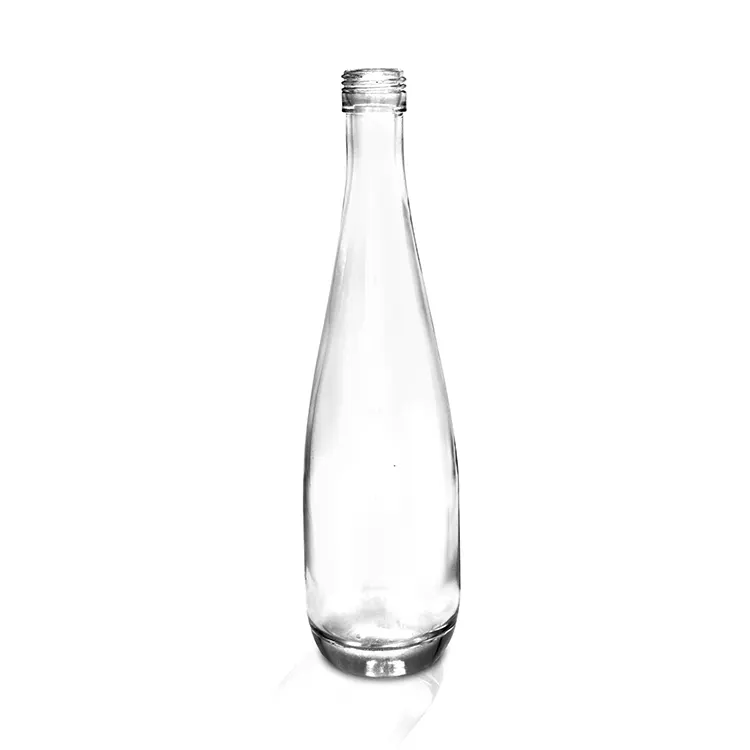
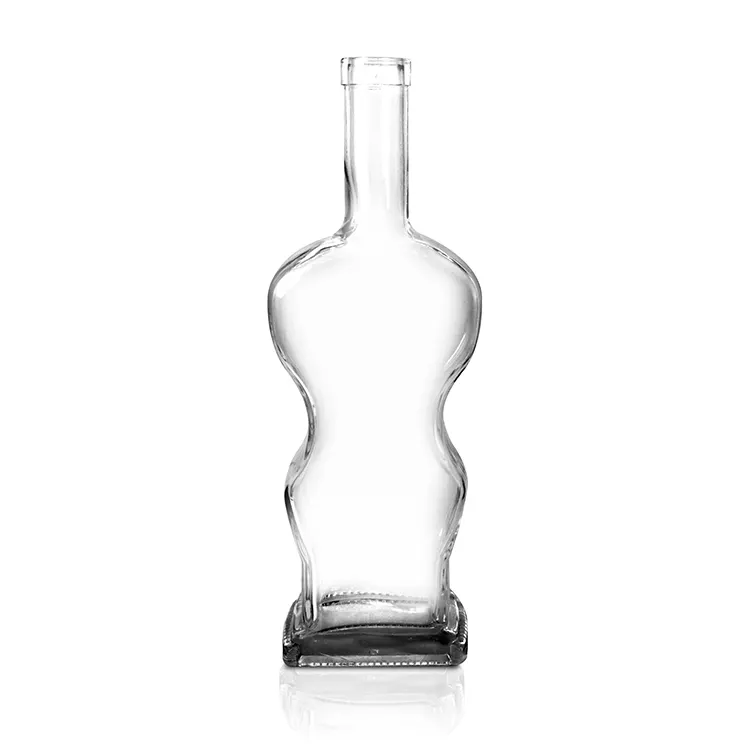
Part of our glass liquor bottles range; the stock moulds are pictured at the end of this guide.
This is the selection overview for mini liquor bottles — the page to read before you compare prices, order samples or brief a designer. It maps the full miniature size system, explains the neck-finish alphabet soup (18/410, GL18, ROPP), and flags the compliance checkpoints that decide whether your minis can legally ship to your market. Pricing tiers, sample kits, channel programs and DIY filling each have their own dedicated pages; this one gives you the framework to choose among them.
The Miniature Size System: 30 to 200ml
Mini liquor bottles are not arbitrary small bottles — they follow a size system built around serving logic and regulation. Use this table to shortlist your format before talking to any supplier.
| Nominal size | Typical weight | Common finishes | Primary use cases |
|---|---|---|---|
| 30ml | 50–60g | 18/410 | Tasting flights, sampler packs |
| 50ml | 65–120g | 18/410, GL18, 18mm ROPP | Airline, retail minis, wedding favors |
| 100ml | 110–140g | 18/410, 18mm ROPP, 22/400 | Gift sets, travel retail, premium minis |
| 200ml | 180–220g | 22/400, 28/400, bar-top | Flask format, RTD spirits, trial size |
Three engineering notes on the system. First, nominal capacity is not brimful capacity: a 50ml mini typically holds 54–58ml brimful, and your filler needs the brimful figure to hit legal fill accuracy. Second, weight is a brand decision as much as a cost line — the same 50ml mold exists at 65g and 95g, and blind tests consistently show consumers rating heavier minis as more premium. Third, 200ml is where closures change character: above 100ml, bar-top corks and 28mm screw caps become standard, and the bottle starts behaving like a small full-size rather than a large miniature.
Neck Finishes Decoded: 18/410, GL18 and ROPP
The finish code tells you the closure world your bottle lives in. 18/410 means an 18mm diameter continuous thread with one full thread turn — it accepts standard aluminum or plastic screw caps with PE, tin-saran or pulp liners, and is the cheapest, most forgiving option for hand or semi-auto capping. GL18 is the European 18mm thread standard, functionally similar but gauged differently; never assume a GL18 cap fits an 18/410 neck without a sample test. 18mm ROPP is a threadless neck: the capper rolls a blank aluminum shell onto the neck under pressure, forming the thread and a break-away tamper band in one operation. ROPP is the retail spirits standard because the tamper evidence is mechanical and obvious, but it needs a rolling head on the capper — hand application is not an option. Our closure systems guide covers torque specs, liner materials and capping equipment in detail.
Compliance Checkpoints Before You Commit
Four checks, in order. Market legality: confirm 50ml spirits are legal in every destination state and country — a few US states restrict them, and rules change. Fill accuracy: US TTB and EU e-mark rules both police actual contents; specify brimful capacity tolerance of ±1ml and verify on pre-production samples. Food contact: request migration documentation aligned to EU 10/2011 and FDA 21 CFR for the glass and, critically, for the closure liner — the liner, not the glass, is where most food-contact failures occur. Mechanical safety: annealing to ASTM C148 stress grade 4 or better, plus thermal shock per ISO 7459 if bottles will be hot-rinsed, pasteurized or flash-chilled.
Ready to go deeper? See the spirits packaging hub for the full category map, or jump straight to the 750ml wholesale guide when your line extends to full-size bottles.
FAQ: Choosing Mini Liquor Bottles
What sizes do mini liquor bottles come in?
The global miniature system centers on 50ml, with 30ml for tasting flights, 100ml for gift sets and travel retail, and 200ml as the bridge to full-size bottles. The 50ml size dominates because it matches a single serve and sits under the 100ml aviation liquid limit.
What is the difference between 18/410, GL18 and 18mm ROPP finishes?
18/410 is a continuous-thread screw finish for aluminum or plastic caps. GL18 is a similar 18mm thread common on European glass. 18mm ROPP (roll-on pilfer-proof) is a blank neck that an aluminum shell is rolled onto during capping, creating a tamper-evident seal — the standard for retail spirits minis.
Are 50ml mini liquor bottles legal to sell everywhere?
No. Several US states restrict or ban 50ml spirits sales (for example Utah historically restricted them, and some states limit them to specific license types), while the EU and most of Asia treat them as standard retail. Check destination-market rules before committing a mold; your distributor’s compliance team should confirm.
What glass weight should I choose for a 50ml mini?
Lightweight minis run 60–70g (airline and value retail), standard minis 75–90g (mainstream retail), and premium minis 90–120g with heavy bases (gifting and collector lines). Weight drives both cost and perceived quality — a 90g bottle with a thick base reads as ‘premium’ even before decoration.
Can mini liquor bottles be recycled and do they meet food-contact rules?
Yes. Soda-lime glass is infinitely recyclable and inert. Our minis carry food-contact documentation aligned with EU 10/2011 and FDA expectations, with annealing verified per ASTM C148.
How do I choose between stock and custom mini molds?
A middle path — stock mold plus custom decoration or an embossed plate — covers most brand differentiation needs at 20,000 pieces.
Get a Specification Reviewed
Send your shortlist through the contact page: target size(s), finish or closure type, annual volume, destination markets, decoration plans and timeline. Our engineers will confirm mold availability, flag compliance gaps for your markets, and return a matched bottle-and-closure quotation within one to two business days.
Small Format, Big Category: Wellness Shots
The 2oz shot format is exploding outside alcohol — ginger, turmeric and functional juice shots. For cap-sealed shot bottles built for cold chain, read glass shot bottles with caps.