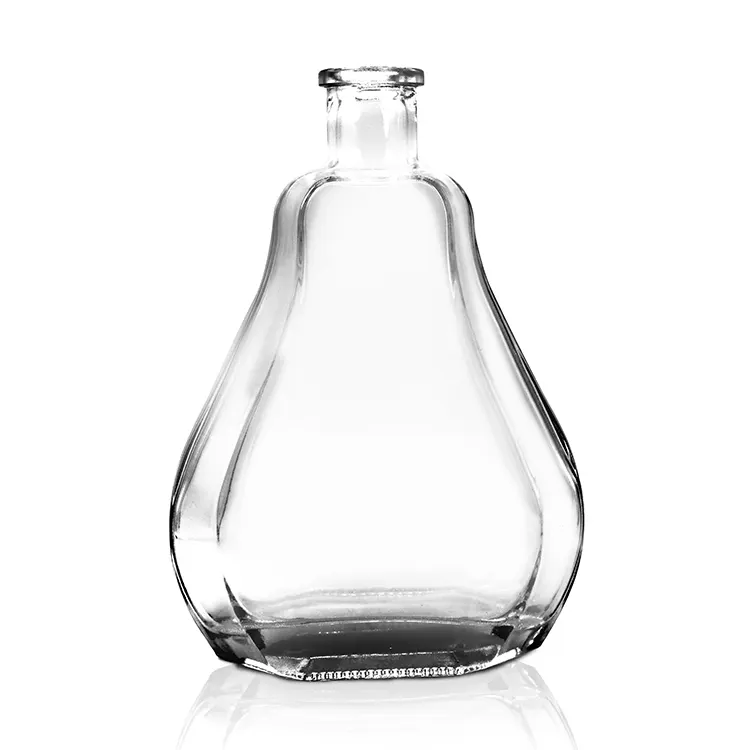
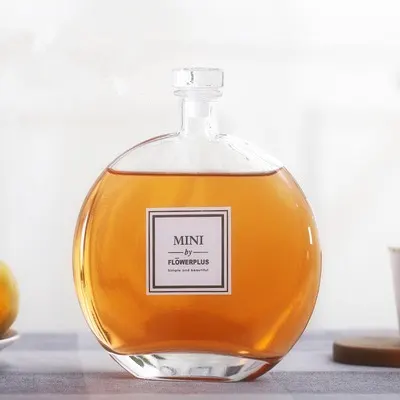
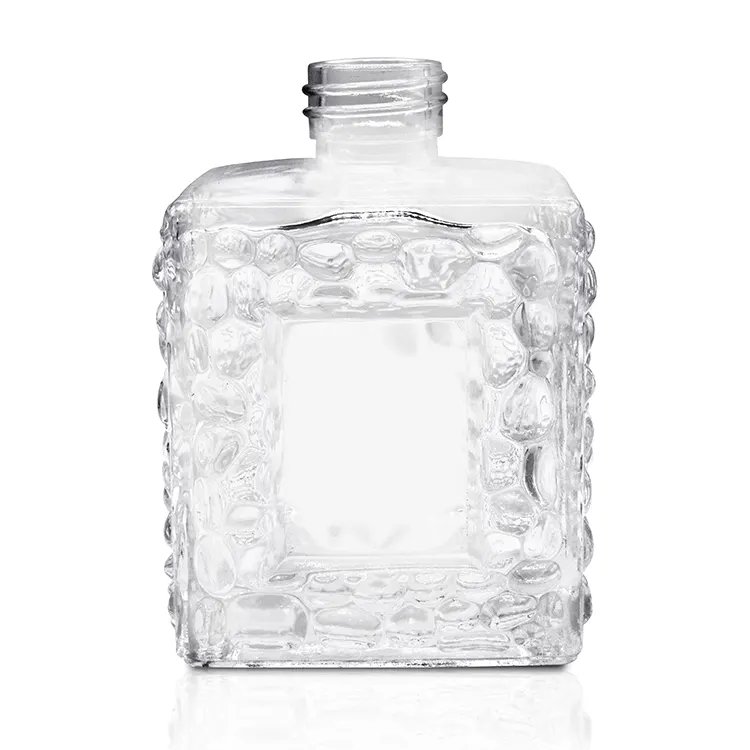
Filed under liquor bottles wholesale; the moulds we quote for this are pictured at the foot of the page.
A custom liquor bottle is the single most durable brand asset a spirits company can build. Liquid can be reformulated and labels reprinted, but a proprietary bottle shape is trademark-able, instantly recognizable at ten feet on a back bar, and — once the mold exists — surprisingly affordable per unit. What stops most brand owners is the process: mold development sounds expensive, timelines sound long, and the path from sketch to pallet is opaque. This guide lays out the entire private-label bottle development journey the way a factory actually runs it: design, engineering, mold making, sampling, mass production, and the decoration choices that turn glass into a brand.
This page covers proprietary spirits bottle development from scratch. If you are looking for surface personalization of existing wine bottles instead, our custom etched wine bottle service is a different, faster process with much lower minimums.
When a Custom Bottle Makes Sense (and When It Doesn’t)
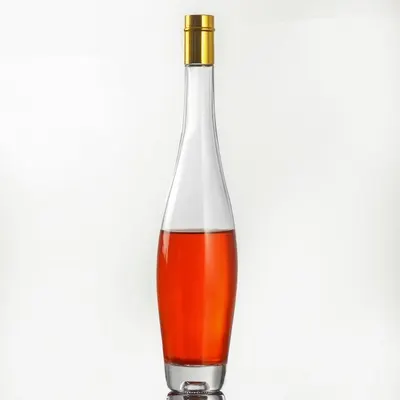
Custom molds are a capital decision. The honest math:
- Commit if: you project 50,000+ bottles per year on the SKU, you are building a flagship brand for 5+ years, or shelf differentiation is your core strategy (tequila, gin, and premium vodka live and die on bottle design).
- Wait if: your volume is under 20,000 units a year, your liquid is not finalized, or you are testing a market. Start with a stock mold plus heavy decoration — frosting, screen print, custom closure — and upgrade to proprietary glass once the brand proves out. Our custom glass bottles program includes semi-custom options that bridge this gap.
Brands with real volume reach break-even in year one or two.
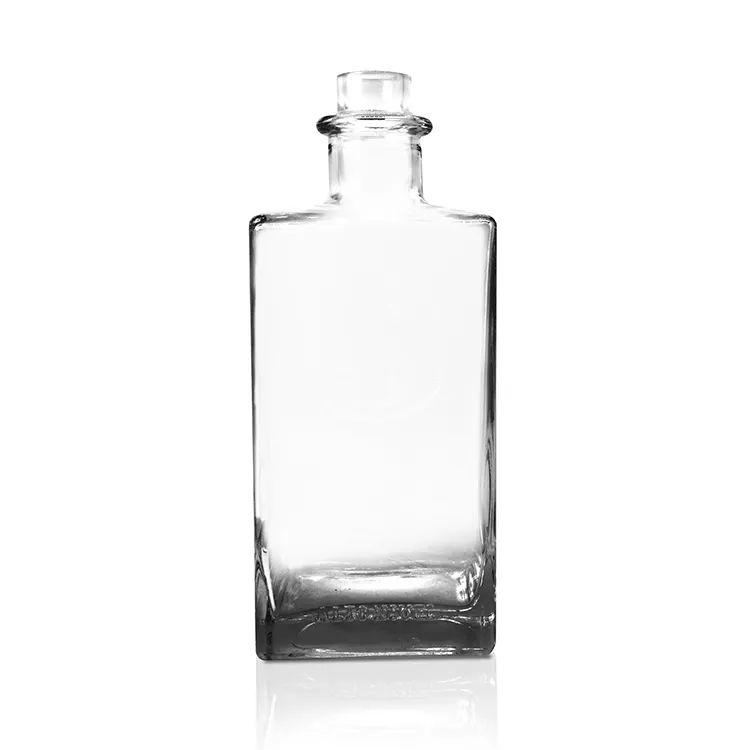
The Development Timeline: Design to Delivery in 7 Stages
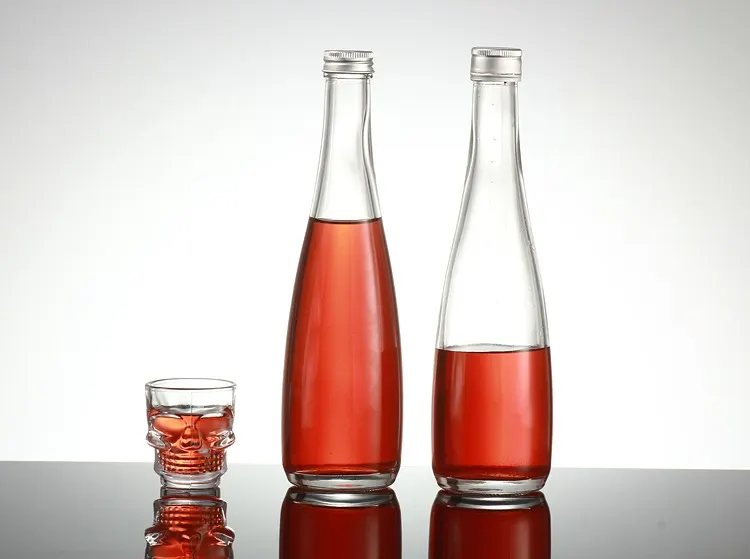
Here is where the time actually goes:
| Stage | What Happens | Your Deliverable |
|---|---|---|
| 1. Design brief | Capacity, weight target, closure, brand references, regulatory marks (750ml statement, punt) | Signed brief document |
| 2. Industrial design | 2D renderings, 3D model, iteration rounds | Approved 3D design |
| 3. Engineering drawing | Factory converts design into manufacturable drawing: wall thickness, glass distribution, finish spec | Technical drawing sign-off |
| 4. Sample mold (single cavity) | One-cavity test mold cut; first articles produced | Physical samples |
| 5. Sampling & revision | You test fill, closure fit, label panels; one revision round is typical | Golden sample approval |
| 6. Production mold set | Full multi-cavity mold set machined (6–16 sections depending on volume) | Mold completion report |
| 7. Mass production & shipping | Production run, QC, packing, ocean freight to US | Goods at your warehouse |
The stages that slip are 2 and 5 — design iteration and sample approval — because they sit on the buyer’s desk. Brands that respond to drawings within one to two business days routinely land at the 14-week end; brands that loop committees land at 22 weeks or beyond. Decide who signs off before the project starts.
Cost Breakdown: Where the Money Goes
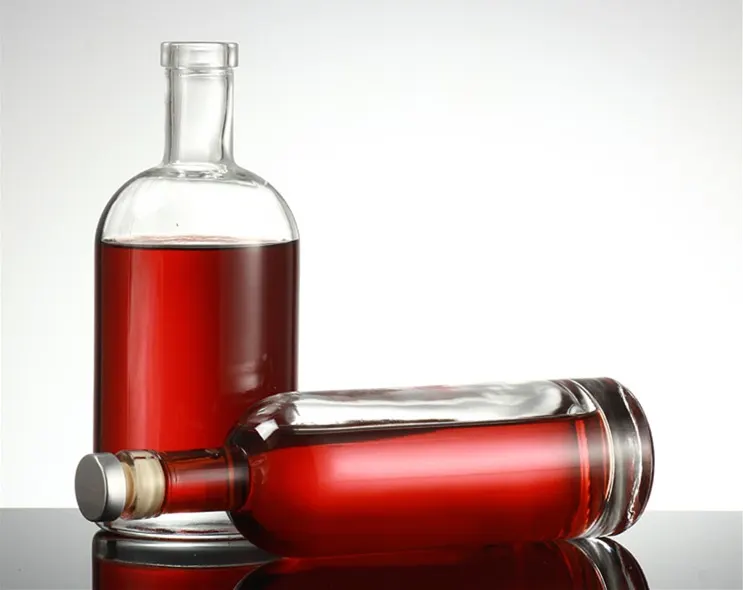
Custom bottle economics split into one-time costs and per-unit costs:
| Cost Item | Type | Notes |
|---|---|---|
| Industrial design & engineering | One-time | Often waived at committed volumes; complex designs cost more |
| Sample mold (single cavity) | One-time | Credit toward production mold at many factories |
| Production mold set | One-time | Scales with cavity count; you own the molds |
| Per-unit glass (750ml, super-flint) | Recurring | Weight and glass quality drive the band |
| Decoration per unit | Recurring | See decoration section below |
| Custom closure (bar-top, cork, cap) | Recurring | Quoted per project |
Year two, with tooling done, the same bottle costs only the recurring lines. Compare against premium stock molds on our glass bottles hub if your volume cannot yet absorb tooling.
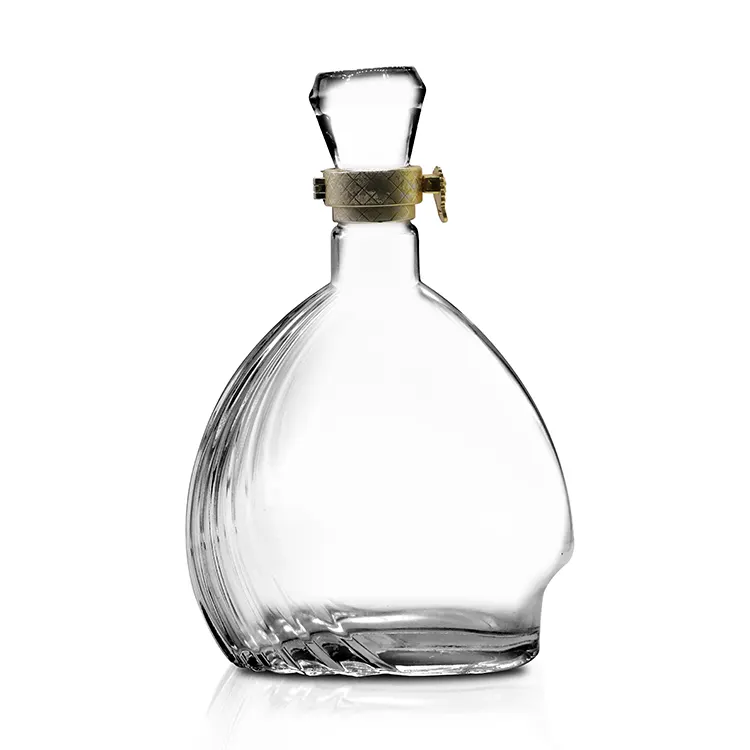
Decoration: Turning Custom Glass into a Brand
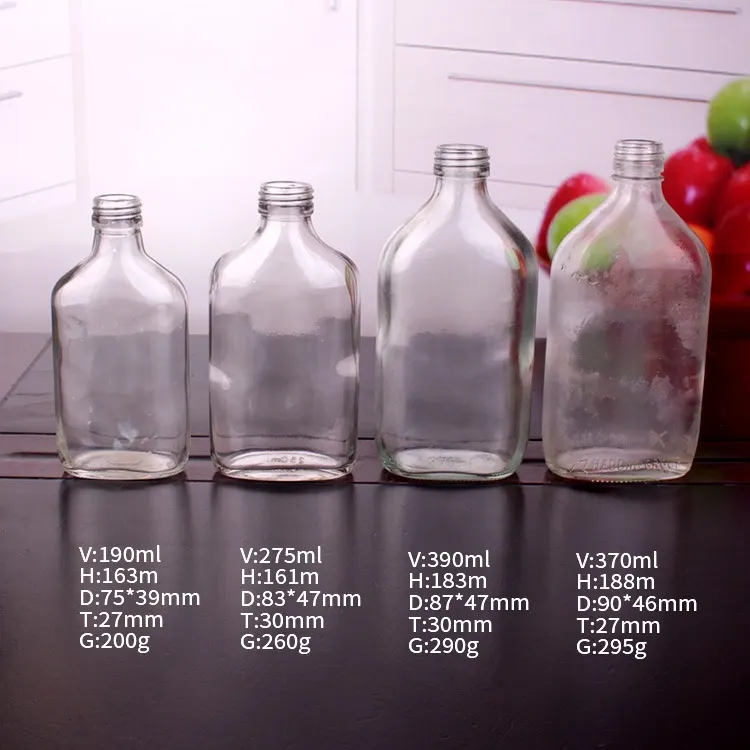
Mold shape is half the identity; decoration is the other half. The main techniques, in ascending order of per-unit cost:
Embossing and debossing (in the mold)
Brand marks, volume statements, and texture cut directly into the mold. Use it for the brand name, a signature texture, or a punt medallion.
Acid etching and frosting
Reads “premium” instantly and hides minor glass variation. Frost before any printing, and specify food-safe etching compounds.
Spray coating and gradient color
Matte black, deep blue, and smoked gradients dominate current premium spirits design. Verify coating adhesion testing (cross-hatch and alcohol-rub) on your samples.
Screen printing (ACL)
Metallic and precious-metal inks price higher.
Decals, metallization, and plating
Pricing is quoted per project — it moves with the mould, decoration, quantity and freight terms.
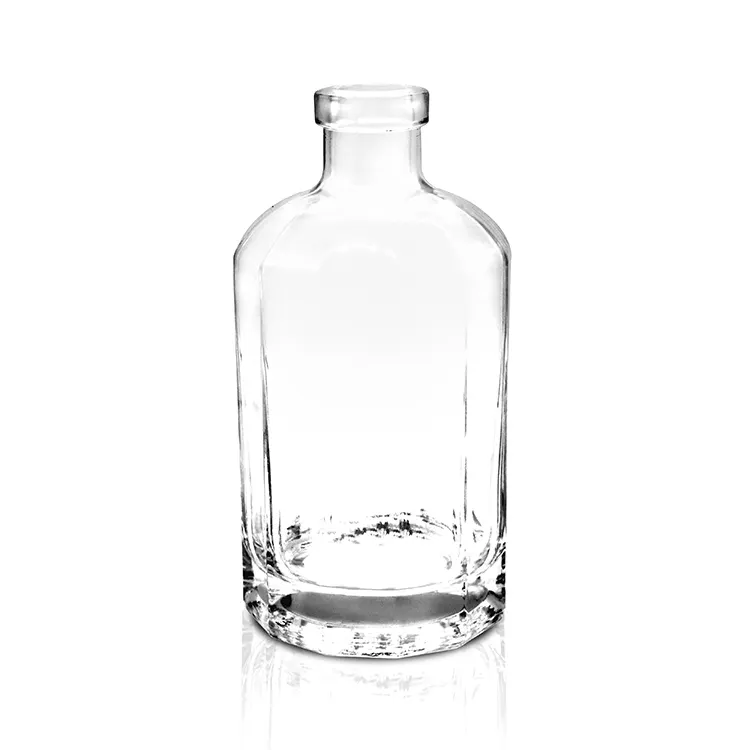
Engineering Rules Your Designer Must Respect
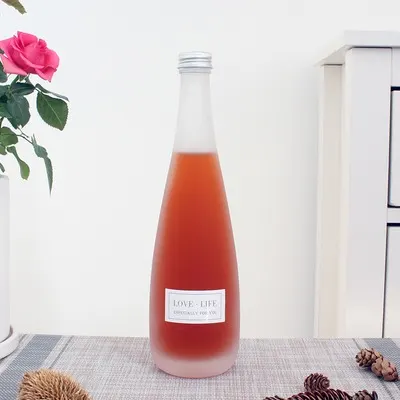
Beautiful renders die in engineering when designers ignore glass physics. Share these constraints with your design team on day one:
- Wall thickness uniformity. Glass flows; it does not stretch into sharp deep corners. Internal radii should stay above 3mm, and dramatic pinched waists need engineering review.
- Weight budget. A 750ml spirits bottle runs 400–850g. Decide the heft target before design, not after.
- Finish standardization. Use a standard GPI/BVP neck finish (18.5mm bar-top, 28mm, 31.5mm, or GPI 400/33) unless you are also tooling a custom closure. A custom finish plus custom closure doubles tooling risk.
- Label panels. Even sculpted bottles usually need one flat or single-curve panel for regulatory text. Pure wraparound sculpture forces shrink sleeves or full print.
- Line handling. Filling lines grip bottles at the neck and base. Extreme tapers and ultra-low centers of gravity need change-parts on your co-packer’s line — confirm compatibility before mold sign-off.
- Capacity tolerance. TTB and EU rules govern the fill statement. Molds are cut to a brimful capacity with tolerance; verify the legal fill line lands where your design intends.
Protecting Your Design and Managing the Relationship
Three contractual points matter more than price in custom mold projects. First, mold ownership: the contract must state you own the molds, with serial numbers recorded, and the factory may not run them for any other customer. Second, design registration: in the US, a design patent (15-year term) protects the bottle’s appearance; file within your first year of public disclosure, and consider trademark protection for distinctive trade dress once the bottle acquires recognition.
Ready to start? Send the brief — container, closure, decoration, quantity and destination, whatever you already know — and quotes are answered in one to two business days. For category-specific pricing context, see vodka bottle price and tequila bottle price, or explore completed custom work on our custom glass bottle manufacturers capability page.
Frequently Asked Questions
How much does it cost to create a custom liquor bottle?
Pricing is quoted per project — it moves with the mould, decoration, quantity and freight terms.
What is the minimum order for a custom liquor bottle?
Minimum quantities are quoted per project, because they depend on the mould and the line it runs on.
How long does custom bottle development take?
Lead times are quoted per project, once the mould, decoration and line schedule are confirmed.
Who owns the mold in a custom bottle project?
You should. Insist on written mold ownership with recorded serial numbers and a contractual prohibition on running your molds for other customers. Also budget for periodic mold maintenance — neck rings and plungers wear at volume and need refresh every few years.
Can I protect my custom bottle design legally?
Yes. A US design patent protects the bottle’s appearance for 15 years — file within one year of public disclosure. Distinctive bottle shapes can also qualify for trademark trade-dress protection once they acquire market recognition. Own the molds contractually regardless.