
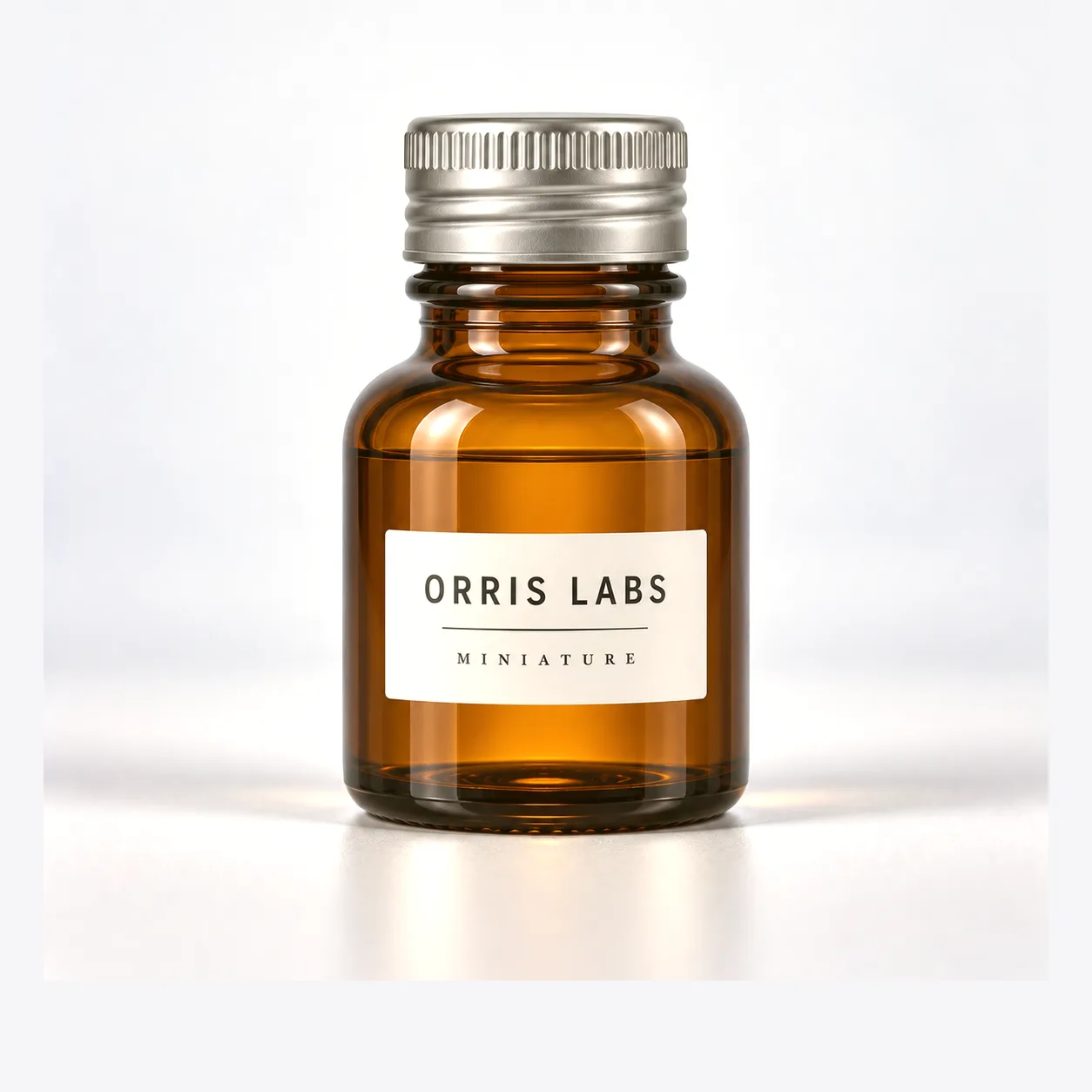
This wholesale bottle range covers the four capacities that define the body and facial oil category: 10ml, 20ml, 30ml (the familiar 1 oz size), and 50ml. The bottles share the apothecary-style silhouette visible in the photo: a compact cylindrical body in amber-toned glass, a defined shoulder, and a screw neck finish engineered to accept droppers, treatment pumps, orifice reducers, and disc-top closures. The range is aimed squarely at brands formulating body oils, massage blends, facial elixirs, and aromatherapy products where the dispensing experience is half of what the customer is paying for. Choosing the right closure for each capacity is where this category is won or lost, and it is the focus of this page.
Body Oil Is Not Facial Serum in a Bigger Bottle
Many brands scale a facial oil into a body product and simply move it into a larger bottle, then wonder why reviews mention mess. The usage context differs fundamentally. A facial serum is dispensed in drops onto fingertips, in good light, over a sink. A body or massage oil is poured or pumped onto wet skin, often one-handed, frequently in a bathroom with slippery surfaces, and the per-use dose is measured in milliliters rather than drops. That means the closure that delighted customers at 30ml can actively frustrate them at 50ml. Planning the dispensing system per capacity, rather than standardizing blindly, is the single highest-leverage packaging decision in this category.
Pump, Dropper, or Disc-Top: Matching Closure to Capacity
Here is the mapping we see work repeatedly across supplied brands. At 10ml and 20ml, the glass pipette dropper remains king: these sizes carry concentrated facial oils, spot treatments, and beard oils where precise drop-level dosing is the product promise. At 30ml, both droppers and treatment pumps succeed; droppers signal potency and apothecary heritage, while pumps signal convenience and hygiene, so the choice follows brand positioning. At 50ml, where body oils live, the treatment pump becomes the default because it delivers a consistent dose of roughly a milliliter per stroke onto the palm without drips down the bottle wall. Disc-top caps suit pourable massage blends sold through spa channels. The screw neck on this range accepts all of these, and we supply bottle-plus-closure as matched, leak-tested pairs so the combination is validated before it reaches your filler.
Viscosity, Orifice, and the Drip Problem
Oil formulas vary enormously in flow behavior, from feather-light squalane to dense castor-based massage blends, and the closure must be specified against the actual formula. Thin oils drip from wide pipette tips and over-deliver through pumps designed for lotions; viscous blends starve narrow orifices and frustrate users. Before production, send your formula or a viscosity-matched surrogate for fitment testing: we check pipette bore, pump engine compatibility, and reducer hole size against your product so the dispensing feel matches the price point. This step costs little and prevents the most common category complaint, oil running down the outside of the bottle and dissolving the label adhesive over time.
Glass Color Strategy for Oil Formulas
Carrier oils rich in polyunsaturated fatty acids, such as rosehip, grapeseed, and evening primrose, oxidize under light exposure and turn rancid faster than customers expect. Amber-toned glass, as shown in the product photo, filters the wavelengths most responsible for photo-oxidation and is the safest default for unsaturated blends. More stable bases such as jojoba, squalane, and fractionated coconut tolerate flint or green glass if your aesthetic demands it. Whichever direction you choose, keep the claim honest: no glass color replaces a sensible shelf-life statement, and your stability testing should always be run in the final container. We can supply the same neck and closure system across colors so a mid-line color change does not force a packaging redesign.
Why 30ml Remains the Retail Anchor
Within this four-size range, the 30ml, known to buyers simply as the 1 oz bottle, carries a special commercial role. It is the size most price comparison happens on, both by consumers scanning a shelf and by retailers benchmarking your line against competitors. Because it is also the size with the longest usage duration for a facial oil, typically two to four months, it sets the repurchase rhythm of your entire range. Many successful brands price the 10ml as an accessible trial, position the 30ml as the value-dense standard, and let the 50ml read as the loyalist format with a visibly better cost per milliliter. Keeping all three in the same bottle family, as this range does, makes that price architecture legible at a glance, since customers instantly recognize they are looking at one product in three commitments rather than three unrelated packages.
Quality Control and Standards
Each capacity in this range is produced under dimensional gauging of the neck finish so closures torque and seal consistently, polarimetric annealing verification per ASTM C148, hydrolytic resistance testing of the glass surface, and thermal shock validation per ISO 7459. For brands selling into the European Union, the containers support your EU Regulation 1223/2009 cosmetic product documentation. Leak testing on bottle-and-closure pairs can be included in the pre-shipment inspection protocol on request, and batch test reports accompany every order.
Wholesale Terms and How to Order
All four capacities are available at wholesale quantities, and mixed-size orders across the range are welcome since many brands launch a facial 30ml and a body 50ml simultaneously. Volume pricing follows the tiers described in our guide to glass bottle MOQ, and first-time importers should review our practical walkthrough on importing glass bottles from China for packing and freight details. Send your size list, formula viscosity notes, and closure preferences through our contact page and we will return a quotation with technical drawings, typically within two working days.
Frequently Asked Questions
Should I choose a pump or a dropper for a 50ml body oil?
For 50ml body oils, a treatment pump is usually the better choice. It delivers a consistent palm-sized dose one-handed without dripping down the bottle wall, which matters when the product is applied to wet skin. Droppers remain the better fit at 10-30ml where drop-level precision is the product promise.
Will the pump work with a thick massage oil?
Pump engines are viscosity-specific. Send us your formula or a viscosity-matched sample before production and we will test-fit the pump, pipette bore, or reducer against it so dispensing matches your product’s flow behavior.
Is amber glass necessary for body oils?
It depends on the base oils. Polyunsaturated carriers such as rosehip and grapeseed oxidize quickly under light and benefit from amber glass. Stable bases like jojoba, squalane, or fractionated coconut tolerate flint or green glass if your aesthetic requires it.
Can I mix 10ml, 20ml, 30ml, and 50ml in one wholesale order?
Yes. Mixed-size orders are common for brands launching facial and body formats together, and volumes can often be combined for better pricing tiers. Send your size breakdown for a consolidated quotation.
Are the bottles and closures tested for leaks before shipping?
Bottle-plus-closure pairs can be supplied as matched sets, and leak testing can be added to the pre-shipment inspection protocol on request. This is strongly recommended for oil products, where seepage ruins labels in transit.
What is the MOQ for this range?
MOQ varies by capacity and whether bottles are stock or decorated. Our MOQ guide explains the tier mechanics, and we confirm exact minimums with your quotation, typically within two working days of your inquiry.


