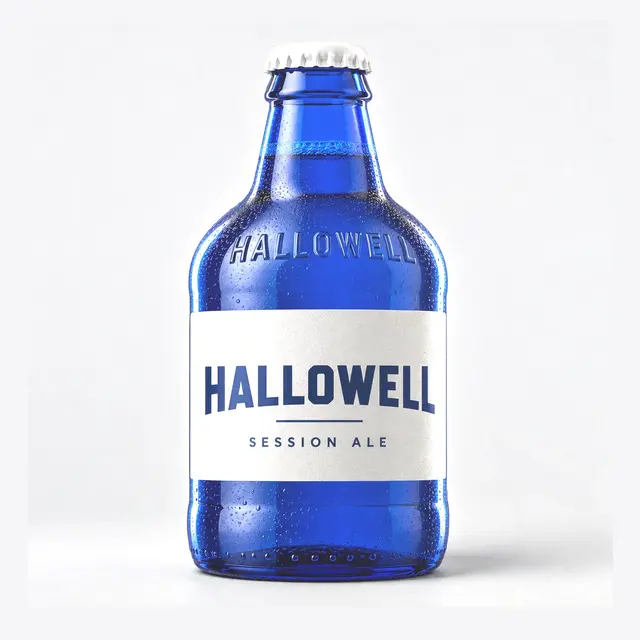
The FIX2-609 is a clear flint glass bottle with a crown-cap finish, a long tapered neck and vertical embossed fluting around the lower body — the classic silhouette of a premium soda, tonic, cider or sparkling beverage bottle. It is designed for craft beverage brands, contract bottlers and hospitality private-label programs that want the nostalgic look of a crown-cork glass bottle with the option of an exclusive custom mold. The crown finish visible in the photo signals carbonation duty, so this bottle is engineered with pressurized filling in mind, although all pressure ratings are confirmed on the technical drawing at quotation.
This page covers what the photo reveals, which beverage categories the bottle suits, and the engineering and quality checks behind a crown-finish custom bottle.
Reading the Bottle from the Photo
Observable design features of the FIX2-609:
- Finish: a crown-cork neck finish (the crimped metal crown cap is clearly visible at the top), the standard closure for carbonated soft drinks, beer, cider and sparkling water.
- Neck: a long, elegantly tapered neck that reads premium and gives bartenders and consumers a confident grip for pouring.
- Body: a contoured body with vertical embossed flutes or ribs around the lower half, adding grip, stiffness and a crafted, retro character.
- Glass: clear flint throughout, showcasing liquid color — important for craft sodas, tonics, kombuchas and ciders where hue is part of the appeal.
- Base: a stable base with molded detail; exact punt geometry and capacity appear on the drawing, not the photo.
Glass weight, pressure rating and brimful capacity are not determinable from the image and are confirmed with the factory during quotation.
Best-Fit Beverage Categories
Crown-finish clear glass bottles like the FIX2-609 are the workhorse of the premium mixer and craft soda world. Typical programs we see for this shape include artisan tonic water and ginger beer for the on-trade, craft sodas and sparkling botanical drinks, premium lemonade and flavored sparkling water, cider and perry in single-serve formats, and kombucha brands moving from cans into glass for a more premium shelf position. The long neck also makes the bottle suitable for single-serve beer and radler programs where a crown cap is standard.
Because the glass is clear, brands whose liquids are photogenic — ruby grapefruit soda, deep amber cola, pale golden cider — get free visual marketing on shelf. If your beverage is light-sensitive, the same bottle can be produced in amber or green glass, or sleeved, at quotation.
Crown Finish and Carbonation Performance
The crown-cork finish is simple, fast and universally understood by filling lines: a 26 mm crown is crimped over the finish and provides a reliable pressure seal. For carbonated products, what matters is the bottle’s internal pressure resistance, the accuracy of the finish dimensions (a poorly formed finish leaks or caps badly), and the compatibility of the crown liner with your beverage. Liner choice — standard PVC-free or oxygen-scavenging variants — depends on your product’s sensitivity and shelf life, and is confirmed with your closure supplier and the factory.
Tell us your carbonation level (volumes of CO2), fill temperature and any pasteurization step when you inquire. These parameters drive the pressure spec we engineer and test against, and they are documented in the quality agreement for your order.
Embossing, Branding and Customization
The vertical fluting on the lower body shows this mold already carries embossed detail. For custom runs, brand names, volume marks or patterns can be embossed or debossed in the glass, giving you permanent branding that survives wet, chilled and ice-bucket conditions where paper labels struggle. On top of the glass itself, options include applied ceramic labeling (ACL) screen printing for a no-label look, paper or film labels on the smooth neck and shoulder area, and custom-printed crown caps to carry branding onto the closure. Decoration layouts are proofed on samples before mass production.
If you want this silhouette as a fully exclusive design — unique flute count, proprietary shoulder curve, your logo in the glass — exclusive mold development is available, with tooling cost and ownership terms quoted case by case.
Quality Control: ASTM C147, ISO 7459 and ISO 7458
Carbonation duty makes testing non-negotiable. Internal pressure resistance is verified per ASTM C147 and ISO 7458, with test levels set from your stated carbonation and pasteurization parameters. Thermal shock endurance per ISO 7459 covers tunnel pasteurization and hot-fill scenarios. Annealing quality is checked by polariscope, finish dimensions are gauged for capping reliability, verticality and capacity are measured per sampling plan, and cosmetic grading follows a documented AQL. Pressure and thermal test reports can be shared with your QA team and your insurer where required.
MOQ, Samples and Lead-Time Planning
As a custom model, the FIX2-609 is produced to order. Minimum quantities depend on glass color, embossing scope and decoration passes — our guide to glass bottle MOQ explains how furnace scheduling sets the floor. The standard workflow is inquiry, quotation with technical drawing, physical samples, approval, then production. Beverage launches are seasonal, so build sampling and shipping time into your launch calendar; buyers new to the process can follow our walkthrough on importing glass bottles from China. Share your target capacity, carbonation level and closure plan via our contact page to receive a quotation.
Packing for Beverage Distribution
Crown-finish bottles are packed in export cartons with dividers, palletized and shrink-wrapped on the line shown below; bulk pallet-layer packing is also available for high-volume beverage fillers running depalletizers. Carton format, pallet height and container loading plans are confirmed per order so your landed cost per bottle is predictable. For co-packers, we can align carton orientation with your line’s unpacking direction.
The FIX2-609 gives craft beverage brands a proven crown-finish silhouette with built-in embossed character, pressure-tested quality and export-ready packing. Send your fill volume, CO2 level and launch timing, and we will return a drawing, samples plan and quotation.
Frequently Asked Questions
Is the FIX2-609 suitable for carbonated drinks?
Yes. The visible crown-cap finish is the standard closure for carbonated beverages, and the bottle is engineered with pressurized filling in mind. When you inquire, state your carbonation level (volumes of CO2), fill temperature and any pasteurization step so the pressure specification can be engineered and tested accordingly — the final rating is confirmed on the technical drawing at quotation.
What size crown cap does this bottle take?
The photo shows a standard crown-cork finish, which in the beverage industry is most commonly the 26 mm crown. The exact finish code and dimensions are gauged during QC for capping reliability and are stated on the technical drawing, so your crown supplier can match liners and caps correctly.
Can this bottle be made in amber or green glass instead of clear?
Yes. The photo shows clear flint glass, which suits photogenic liquids like craft sodas and ciders, but the same mold can run in amber or green glass for light-sensitive products such as beer. Glass color is selected at quotation and affects MOQ and scheduling.
Can our brand name be embossed in the glass?
The vertical fluting visible on the lower body already shows the mold carries embossed detail, and custom embossing or debossing of brand names, volume marks or patterns is available for custom runs. Fully exclusive molds with your proprietary design are also possible, with tooling cost and ownership quoted case by case.
What is the MOQ and how long does sampling take?
MOQ depends on glass color, embossing scope and decoration passes, and is set by furnace scheduling — quoted exactly once we know your specification. The workflow is inquiry, quotation with drawing, physical samples, approval, then production, so build sampling and ocean freight time into your launch calendar.
What quality tests does a crown-finish carbonated bottle go through?
Internal pressure resistance per ASTM C147 and ISO 7458 at levels set from your carbonation parameters, thermal shock per ISO 7459 for pasteurization scenarios, annealing checks by polariscope, finish-dimension gauging for capping reliability, capacity and verticality measurement, and cosmetic grading to a documented AQL. Test reports are available to your QA team.