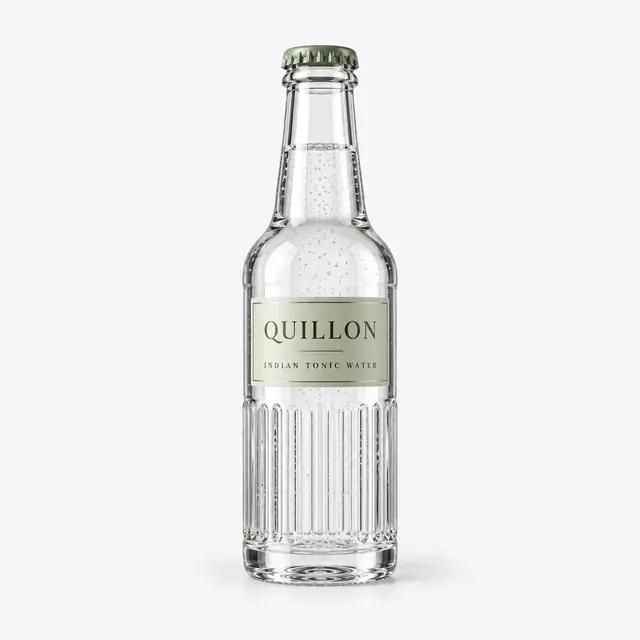
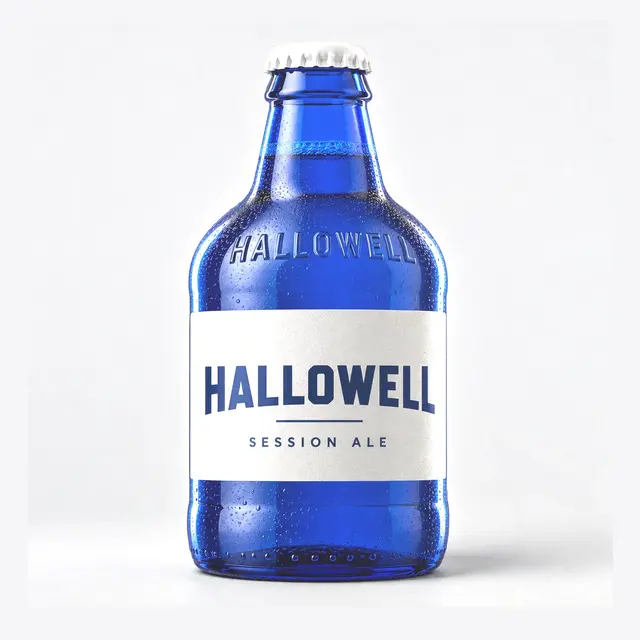
The FIX2-796 is an amber glass longneck beer bottle with a crown cap finish and mold-embossed branding on the lower body, built for craft breweries and contract beverage producers who want light protection, a classic silhouette, and permanent brand identity cut directly into the glass. The project sample shows the familiar longneck profile – tall tapered neck, sloped shoulder, cylindrical body – in rich amber glass, capped with a standard crown closure and carrying a raised embossed brand panel above the heel. For brewing companies, beverage co-packers, and private-label buyers sourcing a differentiated amber bottle, this model demonstrates how stock geometry and custom embossing combine into a package that is unmistakably yours.
Why Amber Glass Still Matters for Beer
Amber glass remains the default choice for light-sensitive beverages for a practical reason: it filters the wavelengths most responsible for light-struck flavor, the skunked character that develops when hop compounds react to UV and short-wave visible light. For breweries distributing through open retail shelving, export routes with variable warehousing, or any channel where light exposure cannot be fully controlled, amber glass is cheap insurance on flavor stability. The FIX2-796 sample shows a deep, consistent amber tone through the full body, which is what you should expect from production: color is controlled at the furnace and verified against reference standards during each run. Exact color coordinates and transmission targets are confirmed with the factory at quotation.
Embossed Branding: Identity That Survives the Label
The lower body of the sample carries a raised brand panel with lettering and a crest produced directly in the mold. Embossing like this serves breweries in several ways. It keeps brand identity visible even when a label is damaged, removed, or never applied, which matters for refillable and returnable schemes. It adds tactile quality that consumers notice when they pick the bottle up. And it deters refilling fraud in markets where that is a concern, because the glass itself carries the mark. Embossing is cut into the mold at tooling stage, so it is a one-time investment that then repeats on every bottle at no per-unit decoration cost. If you already have a logo or crest, our engineers will prepare an embossing layout drawing for approval before any steel is cut.
Crown Finish and Line Compatibility
The neck on this model finishes in the standard crown configuration used across the global brewing industry, accepting 26 mm crown corks in tinplate or aluminum, with liner materials matched to your carbonation level and shelf-life target. The longneck geometry is the most widely supported beer bottle shape on filling equipment worldwide, so the FIX2-796 runs on existing brewery lines with standard change parts – an important consideration if you co-pack or plan to switch fillers between facilities. Vertical load resistance is verified per ISO 8113 so the bottle stands up to crowning pressure and case stacking, and internal pressure strength is tested to ISO 7458 for carbonated service. Share your capper’s chuck and bell specifications at inquiry and we will confirm finish compatibility before your first production run.
Labeling and Secondary Decoration Options
Most breweries pair the embossed lower panel with a paper or film label on the upper body and neck, and the cylindrical upper body of the FIX2-796 applies labels cleanly at line speed. For premium releases, screen printing and fired ceramic decals are both viable on amber glass, and metallic inks read particularly well against the dark background. Pressure-sensitive clear films work for a no-label-look presentation where the embossed branding and the beer color carry the design. If your marketing team wants to evaluate options visually, we can produce decoration mock-ups on this model from your artwork – send files through our contact page and we will return visuals before you commit to plates or tooling.
Quality Control Standards Behind Every Run
Every run of the FIX2-796 passes our standard beverage-bottle inspection regime. Thermal shock resistance is verified per ASTM C149 for pasteurization-adjacent processes, internal pressure strength is tested to ISO 7458 at levels appropriate for carbonated beer, and vertical load resistance is checked under ISO 8113 to protect against crowning and stacking damage. Neck finish dimensions are gauged cavity by cavity to keep crown crimp consistent, amber color density is checked against reference standards, and annealing is monitored continuously. Batch test reports and dimensional summaries are available with your shipping documents on request.
MOQ, Tooling Economics, and Scheduling
Order economics split into two scenarios. Running the existing mold with your labels only carries the lowest entry quantity. Adding your own embossed branding means modifying or manufacturing mold equipment, which raises the minimum and adds a one-time tooling cost, but removes per-unit decoration expense forever after – the math often favors embossing surprisingly quickly at brewery volumes. Our guide to glass bottle MOQ explained walks through the trade-offs, and buyers planning freight can review our notes on importing glass bottles from China. Evaluation samples from previous runs are generally available for line trials, and pre-production samples with your embossing are standard before the first full run.
Getting a Quote for Your Brewery
To price the FIX2-796 for your program, send us your target capacity, carbonation level, crown supplier or specification, annual volume, and your logo files if you want embossing quoted. We respond with the technical drawing, a firm quotation separating glass, tooling, and decoration, and a sampling timeline. If the longneck proportion needs adjustment – a different height, a stubbier neck, a heavier base – our engineers can quote mold modifications alongside so you can compare all routes in one document.
Frequently Asked Questions
What size crown cap fits the FIX2-796?
The neck finishes in the standard crown configuration used across the brewing industry, accepting 26 mm crown corks in tinplate or aluminum. Liner material is matched to your carbonation level and shelf-life target at quotation.
How much does custom embossing add to the cost?
Embossing is cut into the mold equipment as a one-time tooling investment; after that it repeats on every bottle at no per-unit decoration cost. The tooling figure depends on the complexity of your artwork and is itemized in your quotation.
Why choose amber glass over flint for beer?
Amber glass filters the wavelengths most responsible for light-struck (skunked) flavor in hopped beverages. If your beer ships through channels with uncontrolled light exposure, amber is the standard insurance on flavor stability.
Will this bottle run on my existing filling line?
The longneck geometry is the most widely supported beer bottle shape worldwide, so standard change parts usually apply. Share your filler and capper specifications at inquiry and we will confirm compatibility before production.
Is the bottle rated for carbonated beer?
Yes. Internal pressure strength is tested per ISO 7458 at levels appropriate for carbonated service, vertical load resistance is verified per ISO 8113 for crowning and stacking, and thermal shock is checked per ASTM C149.
What is the MOQ, with and without embossing?
Running the existing mold with labels only carries the lowest minimum. Adding your own embossing raises the MOQ and adds tooling cost. Share your annual volume and we will quote both scenarios so you can compare the economics.