Part of our bulk wine bottles range; the stock moulds are pictured at the end of this guide.
Choose the glass colour by how long the wine must survive light. Brown (amber) glass blocks upwards of 90 percent of harmful rays, green blocks roughly 50 to 70 percent depending on its shade, and clear glass gives virtually no protection. Wine for long cellaring or export belongs in deep green or brown; clear suits rosé and young whites that sell on their colour and turn over quickly.
What light does to wine
Ultraviolet light and visible blue light set off chemical reactions in wine. The result is a group of sulfur compounds with an unpleasant smell, a fault known as light strike and sometimes described as "goaty". White wines and rosés suffer most, because they are more delicate than reds and have less tannin to shield them.
Coloured glass exists to filter those wavelengths, and the rule is simple: the darker the bottle, the more it filters. The colour comes from minerals in the melt. Iron oxide tints glass green. Iron together with sulfur, melted under reducing conditions, gives deep brown. Clear glass, which the trade calls flint, is made with as few impurities as possible.
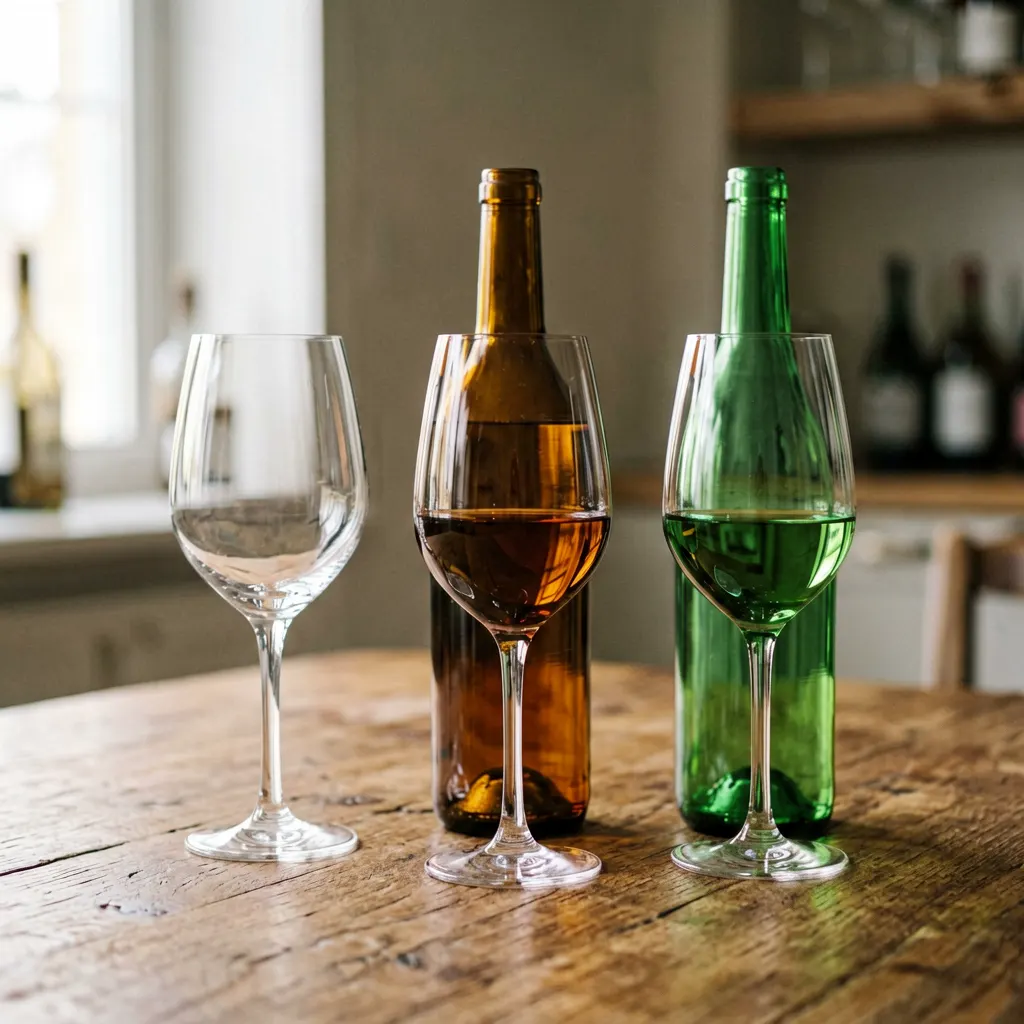
Green, brown and clear side by side
| Colour | Light protection | Typical wines | Main drawback |
|---|---|---|---|
| Green | Moderate: roughly 50 to 70 percent, more in darker shades | Cabernet Sauvignon, Merlot, Pinot Noir; fuller whites such as Chenin Blanc, Viognier and aged Riesling | Pale yellow-green shades protect noticeably less |
| Brown (amber) | Highest of the standard colours: upwards of 90 percent | Aromatic whites, some traditional sparkling wines, organic and biodynamic ranges, wines for long ageing | Hides the colour of the wine |
| Clear (flint) | Virtually none | Rosé, young whites, sparkling wine, Gewürztraminer and Moscato from New World producers | Open to light strike; needs fast turnover |
Green
Green is the colour most shoppers picture when they think of wine, and it fills the shelves from Bordeaux and Burgundy to Champagne and much of the New World. It began by accident. In the 17th century, iron impurities in the sand left glass faintly green, and winemakers used what they had. Buyers now read it as a mark of tradition and quality.
Shade matters more than the word "green" suggests. The deep forest green typical of Bordeaux protects far better than the light, almost yellow-green glass preferred in some New World regions. Green is also widely available, and some wineries use it for that reason alone, so judge the choice by what the wine needs.
Brown
Amber is the protective extreme. Beer is bottled in it for the same reason, since compounds derived from hops are extremely sensitive to UV. In wine it is less common, though it turns up regularly in certain Old World regions.
The cost is visibility. A shopper cannot see the wine before opening it, and some winemakers fear that hurts sales of rosé and light whites, which depend on how they look. Where preservation outranks appearance, as it does for collectors, brown is the strongest option.
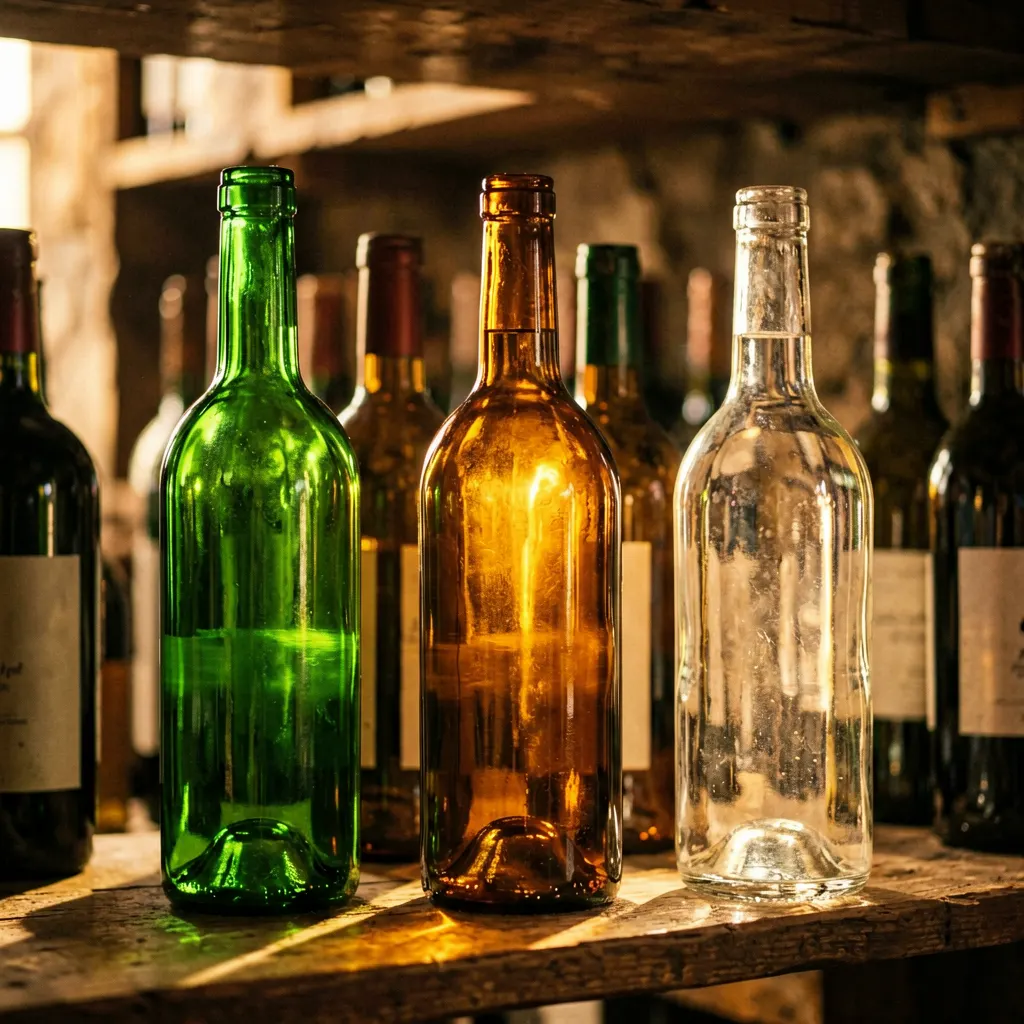
Clear
Flint glass shows the wine exactly as it is. That is the whole appeal for rosé and young whites, and for sparkling wine, where pale gold colour and visible bubbles are part of what the customer buys. It also photographs well and stands out in a shop, where first impressions decide a great many purchases.
Because it filters nothing, wine in clear glass should be drunk fairly soon after it is bought. Reds meant to age are almost never bottled this way, since months or years in a cellar carry too high a risk of light damage. Clear glass therefore signals a fresh, youthful wine for immediate drinking.
Matching colour to wine style and sales channel
Four things settle the choice: the style of wine, how long it will age, how it is distributed and who buys it.
- Reds for long ageing (Cabernet, Barolo, Rioja): deep green or brown, for the greatest protection across an extended cellar life. Producers at the top end often add a custom mould to set the brand apart.
- Medium-bodied reds (Pinot Noir, Merlot, Grenache): green is standard. It protects adequately and matches the convention that most wine regions have established and that shoppers expect.
- Aromatic whites and rosés: green or clear. Green is the safer pick for wine that may sit on a shelf for a year or two. Clear needs careful handling and quicker sales, so it fits wine sold locally, while wine for export should lean towards green.
- Sparkling wine: traditional Champagne is bottled in green. Many New World producers prefer clear so that the bubbles show.
Other colours, coatings and lighter glass
Glass plants are not limited to the three standard colours. Blue, purple and opaque black are all produced, and a few specialist makers experiment with dual-layer glass that combines two colours for visual effect and UV protection.
UV-blocking coatings are a middle route. Applied to clear or lightly tinted bottles, they let a producer keep the wine visible and still gain protection.
Lightweighting pulls in the other direction. Plants are reducing bottle weight to cut shipping cost and environmental impact, and thinner glass may protect slightly less. That has revived interest in darker colours and coatings for light bottles.
Recycling is shaping colour ranges too. Some European manufacturers are developing standardised colour palettes that keep the recycling stream simple and still leave brands enough variety to differentiate.
What to tell the supplier
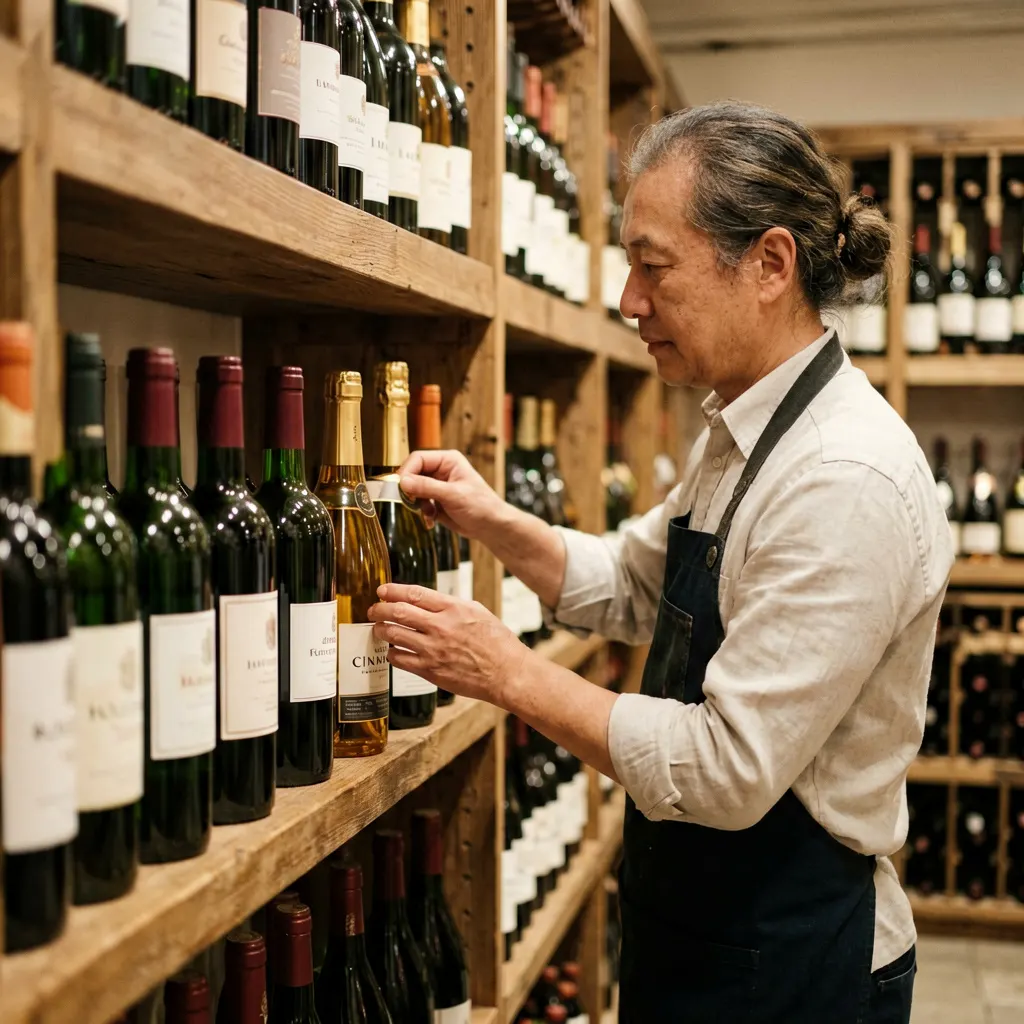
State the wine's characteristics and its expected shelf life at the start of the enquiry. With those two facts, a supplier can recommend a combination of colour, glass thickness and coating that balances protection, appearance and cost. We ask for the same information before matching a wine project to a glass plant.
Request samples from more than one plant before you approve a design, because the same colour name can cover quite different shades. If the project is a volume purchase, our notes on placing bulk glass bottle orders cover the ordering side.