For a glass hotel amenity line, specify 30ml for stays of 1–3 nights (3–4 uses per bottle) and 50ml for suites and extended stays (5–8 uses). Both run on 20-410 or 24-410 neck finishes, so the same bottle can take a lotion pump for a hotel bathroom or a flip-top for a carry-on kit. The closure, the print method and the plan for wet bathrooms matter more to the result than the bottle shape.
Sizes, finishes and closures in the range
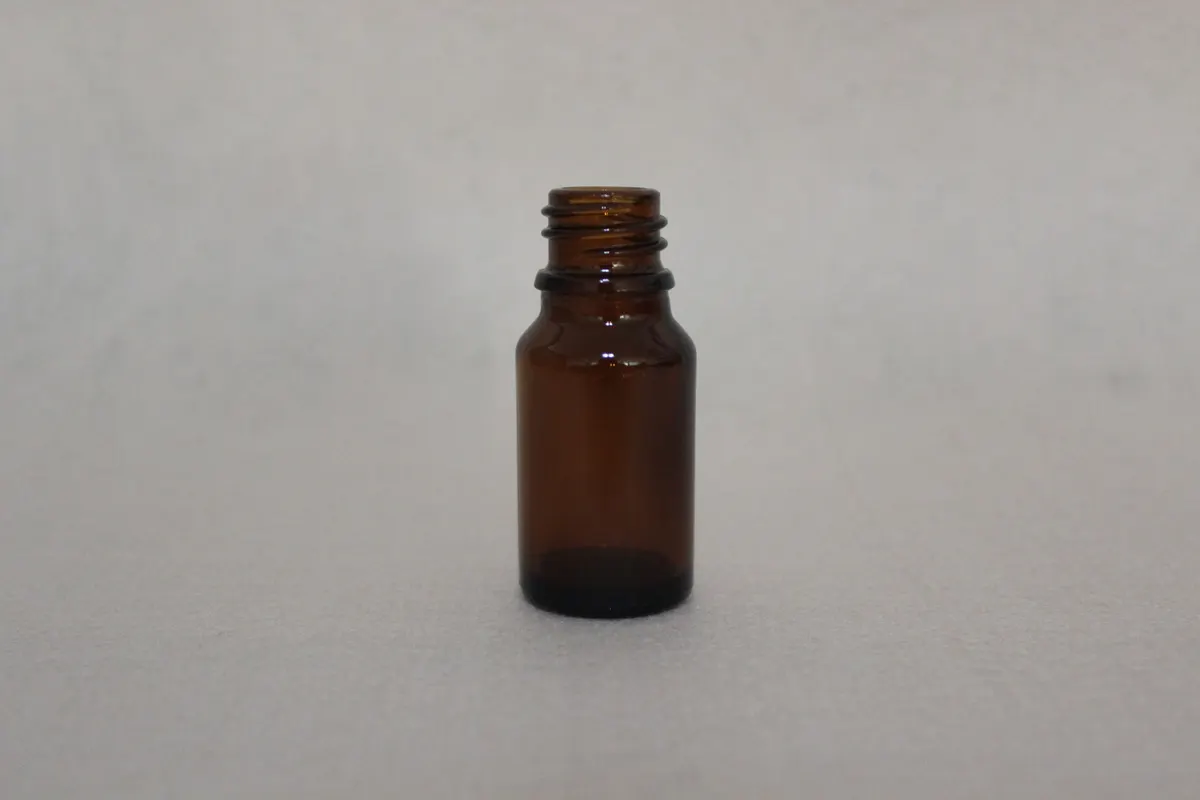
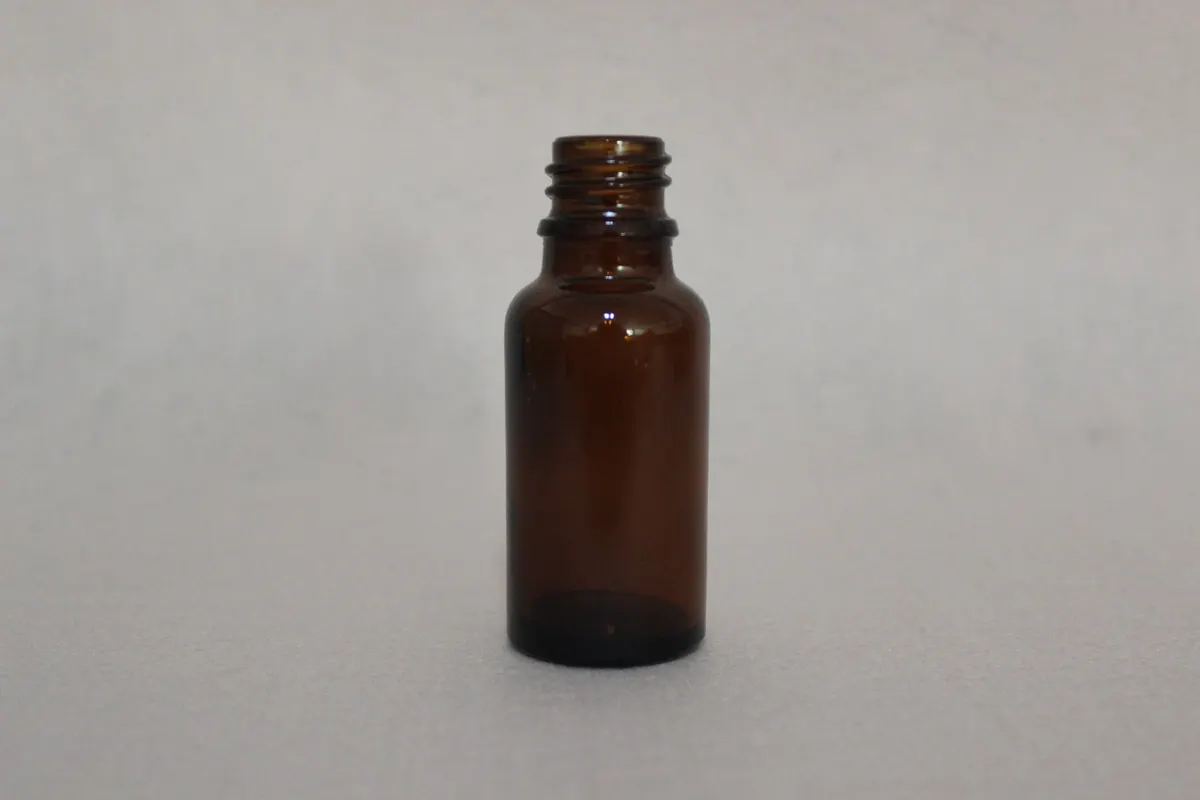
The lineup runs from a 10ml vial to a 100ml cylinder. Flint glass is the default for every model, with amber and frosted versions available. The container counts assume bulk-packed bottles with the closures cartoned separately.
| Model | Capacity | Finish | Bottle weight | Closures | Pcs per 40HQ | Typical use |
|---|---|---|---|---|---|---|
| TR-10 vial | 10ml | 13-415 | ~18g | Screw cap, roller ball | ~650,000 | Perfume oil amenity, turndown gifts |
| TR-15 mini | 15ml | 18-410 | ~30g | Flip-top, screw cap | ~380,000 | Mouthwash, serum, turndown amenity |
| TR-30 cylinder | 30ml | 20-410 | ~45g | Lotion pump, flip-top, disc cap | ~260,000 | Shampoo, conditioner, body lotion |
| TR-30 Boston | 30ml | 20-410 | ~50g | Pump, flip-top, spray | ~240,000 | Upper-tier amenity lines |
| TR-30 square | 30ml | 20-410 | ~52g | Flip-top, disc cap | ~230,000 | Boutique hotels; the square footprint stacks on trays |
| TR-50 cylinder | 50ml | 24-410 | ~68g | Lotion pump, flip-top | ~180,000 | Suite tier, spa retail |
| TR-50 spray | 50ml | 20-410 | ~62g | Fine-mist sprayer | ~190,000 | Hair mist, body spray, linen spray |
| TR-100 cylinder | 100ml | 24-410 | ~110g | Pump, flip-top, spray | ~110,000 | Retail travel sets at the TSA ceiling |
Larger formats for the same formulas sit in the wholesale shampoo bottles and glass lotion bottles ranges. Spa lines that add serums or bath oils usually pair the amenity set with 1oz dropper bottles or bottles from the essential oil range, and the wider cosmetic glass collection covers the rest.
Closures that work with wet hands
A guest operates an amenity bottle one-handed, with wet fingers, and sometimes drops it on tile. Each closure type has one or two numbers that decide whether it works in that setting.
Lotion pumps
Match output per stroke to the formula: 1.0–1.2cc for shampoo, 0.8cc for conditioner and lotion. At 0.8cc a thin shampoo is under-dosed and guests complain. Ask for a smooth-action spring and a transit lock, either a down-lock or a clip, because amenity bottles ship filled more often than any other category and one unlocked pump can soak a carton of 50. The glass pump bottle page lists the pump formats.
Flip-tops and disc caps
The orifice should be 3–5mm. Use 3mm for thin shampoo and body wash and 5mm for conditioner, which will not come through a 3mm opening without two hands.
Fine-mist sprayers
Specify 0.12–0.16cc output and check the dip tube against bottle height. A tube that is 5mm short leaves 8% of the product in the bottle. Sprayer options are compared under bulk glass spray bottles.
Travel sets and the TSA 100ml limit
Hotel amenities never fly, so this section applies only to retail travel kits. The TSA 3.4oz/100ml liquids rule is the legal ceiling, but three practical limits sit below it.
- Brimful capacity. Screening goes by the marked capacity, yet some airports judge by the physical size of the bottle. A bottle sold as 100ml that holds 110ml to the brim invites an argument at security. Travel-set bottles should be specified at nominal ≤100ml and brimful ≤105ml, with the capacity marked on the base.
- The quart bag. A 1-quart bag takes roughly 5–6 bottles of 50–100ml, and only when diameter stays under ~38mm and height under ~120mm. The TR-50 measures 36mm × 105mm for this reason, and five of them fit with the bag sealed. A compliant set that does not fit the bag has still failed as a product.
- Closure height. A pump collar and actuator add 35–50mm. Disc caps and flip-tops keep the total height within the bag, so the 50ml bottle that goes to hotels with a pump goes to travel-set brands with a flip-top.
For the atomizer side of travel retail, see mini perfume bottles.
Glass in the shower
Hotels handle breakage risk in one of three ways. Wall brackets keep the bottle off the tile altogether and bring breakage close to zero. Vanity placement keeps glass out of the wet zone. The third route is to accept a low breakage rate as the cost of the positioning, which many boutique properties do; in tub-only rooms a flip-top bottle on the tub ledge is a workable variant.
A brand with a strict liability policy should write the bracket into the program from the start. We include wall-bracket dimensional drawings when we quote an amenity project.
Printing a hotel logo that survives the bathroom shelf
Paper labels break down within weeks on a wet shelf. Ceramic screen print is fired into the glass at 600°C+ and lasts as long as the bottle does. Fired print passes 500+ wet-rub cycles and hotel dishwasher protocols, which matters once bottles are washed and refilled.
Artwork needs to be vector (AI/EPS/PDF), with a minimum line weight of 0.2mm and text at ≥6pt equivalent. Ceramic ink bleeds on finer detail when the bottle is small and curved. Frosting and spray colour for spa-tier lines are described with the other screen printing options for glass bottles. Closure colours can be matched to a brand palette from a Pantone reference, with drawdown photos sent for approval before the run.
Refillable programs
Single-use amenity bans are moving refillable glass into hotel segments that never used it. California's AB-1162-style rules and the bulk-amenity commitments from Marriott and IHG are the main drivers, and hotel group procurement offices buying for refill programs are the fastest-growing channel.
A 300-room property on refillables cycles roughly 900–1,200 bottles. Add a 15% float for room turnaround and damage and the working stock is ~1,050–1,400 bottles per property per cycle. In most programs housekeeping pulls, washes and refills on a 5–7 day rotation.
Soda-lime glass and fired print both tolerate standard hotel dishwasher chemistry and temperatures, verified to 500+ cycles. The weak point is the plastic inside the pump, which degrades at high wash temperatures. Plan pump replacement every 3–6 months, or specify a commercial-grade pump with a metal spring. Treat replacement pump packs and the spare-bottle float as standing order lines so the property never raids room stock; that detail usually decides whether a refill program lasts past its first year.
Inspection, fit and shipping
Lots are inspected to AQL 2.5. The checks that matter for small amenity bottles are:
- finish gauging on 20-410 and 24-410 necks to ±0.2mm, which governs pump fit;
- pump function, with a 500-stroke cycle test on retained samples;
- print adhesion by cross-hatch and wet rub;
- for refill-program orders, a filled drop test from 0.8m in the shipper.
Mismatched closures are the #1 defect on amenity lines. Ordering bottles and closures on one purchase order removes the problem: the set arrives with matched torque windows (6–12 in-lbs on 20–24mm finishes) and dip tubes already cut to bottle height.
Small bottles travel well, with breakage of 0.3–1% in full containers. A 40HQ of TR-30 weighs 11–12 tonnes, which is inside the limit on most lanes, though US road weight caps should be confirmed on any door-delivery quote. Below ~30,000 sets, boutique programs commonly ship LCL, where divider cartons hold loss to 1–2% despite the extra handling. Pallets are ISPM-15 plywood.
Each shipment carries an invoice, packing list, certificate of origin, FDA food-contact and Prop 65 statements, and a per-lot COA that records the torque windows. Hotel procurement offices and their insurers ask for the FDA and California Prop 65 statements as a matter of routine.
What to send for a quote
Hotels rarely buy bottles themselves. The usual chain runs from hotel brand procurement to an amenity supplier that formulates and fills, and from there to bottle and closure sourcing. Buyers reach us from three positions: an amenity supplier feeding its own filling line, a hotel group procurement office running a refill program, or an independent hotel buying filled and printed units. Tell us which applies, because the quoting model differs for each.
Pricing and minimum quantities are set per project. They move with the mould, the decoration, the quantity and the freight terms, and a program with a different logo colour for each property is quoted on its variant count. A quote request should cover:
- Channel: amenity supplier, hotel procurement or travel retail brand.
- Products and viscosity: shampoo, conditioner, lotion or wash, and whether each is thin, medium or thick. This sets pump dose and orifice.
- Sizes and closures: 15/30/50ml, with pump, flip-top, spray or disc cap for each SKU.
- Branding: plain, labelled or screen printed, with the number of artwork colours and the number of property variants.
- Volume and destination: sets per SKU, an annual estimate, and the delivery port or consolidation point.
FAQ
Will a pump survive shipping on a filled bottle?
Yes, provided the actuator is locked down with a down-lock or transit clip and the closure interface is induction-sealed or gasket-sealed. The test is a 72-hour inverted carton hold followed by a vibration cycle, which we can arrange on the filled-shipper configuration on request.
Can you match an amber bottle our spa line already uses?
Send a physical sample. Setting up a second source for a signature amenity bottle is common and sensible.
What fill temperature can the bottles take?
Emulsions are typically filled warm, at 45–60°C. That is well within the thermal limits of glass, so the bottles need no pre-warming. Give us your filling line temperature and we confirm the gasket grade on the quote.
What minimum applies when each property wants its own logo colour?
There is no single figure. Minimums depend on the mould, the line it runs on and how many print variants the program has, so they are quoted per project.