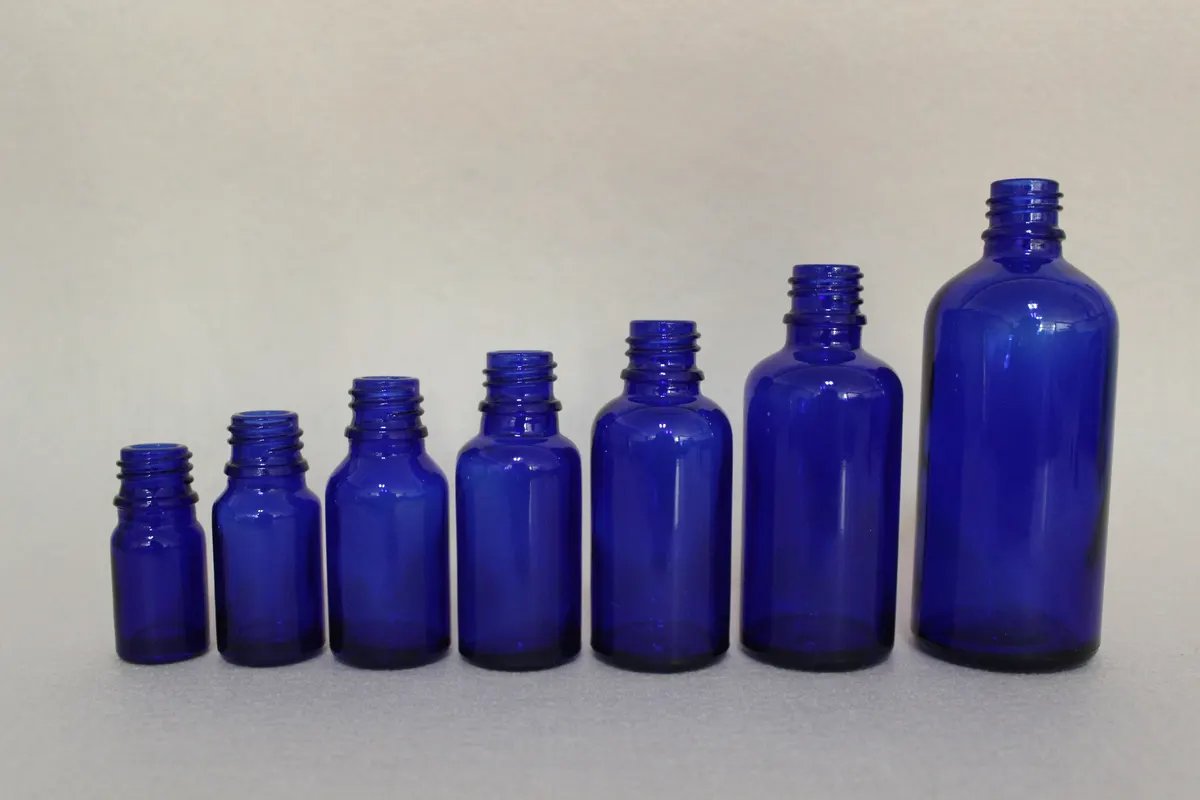
Part of our wholesale dropper bottles range; the stock moulds are pictured at the end of this guide.
Ordering custom dropper bottles means specifying a precision dispensing instrument, not just a small glass bottle. The bottle, the pipette, the bulb, and the collar each carry tolerances that decide whether your facial serum doses 0.7 ml per squeeze or dribbles down the neck, whether your fragrance discovery vial feels like a luxury object or a giveaway, and whether your essential oil line survives two years on a shelf without the bulb swelling. This page covers every customizable element for essential oil, perfume sample, and cosmetic serum programs — pipette geometry, printed graduations, bulb elastomers, glass colors, and decoration — with the MOQ and tooling math at each step. For stock sizes ready to ship, see our 1 oz dropper bottles wholesale page and the broader dropper glass bottles wholesale catalog; everything below is about building your version.
Matching the Bottle to the Product: Oils, Fragrance Samples, and Serums
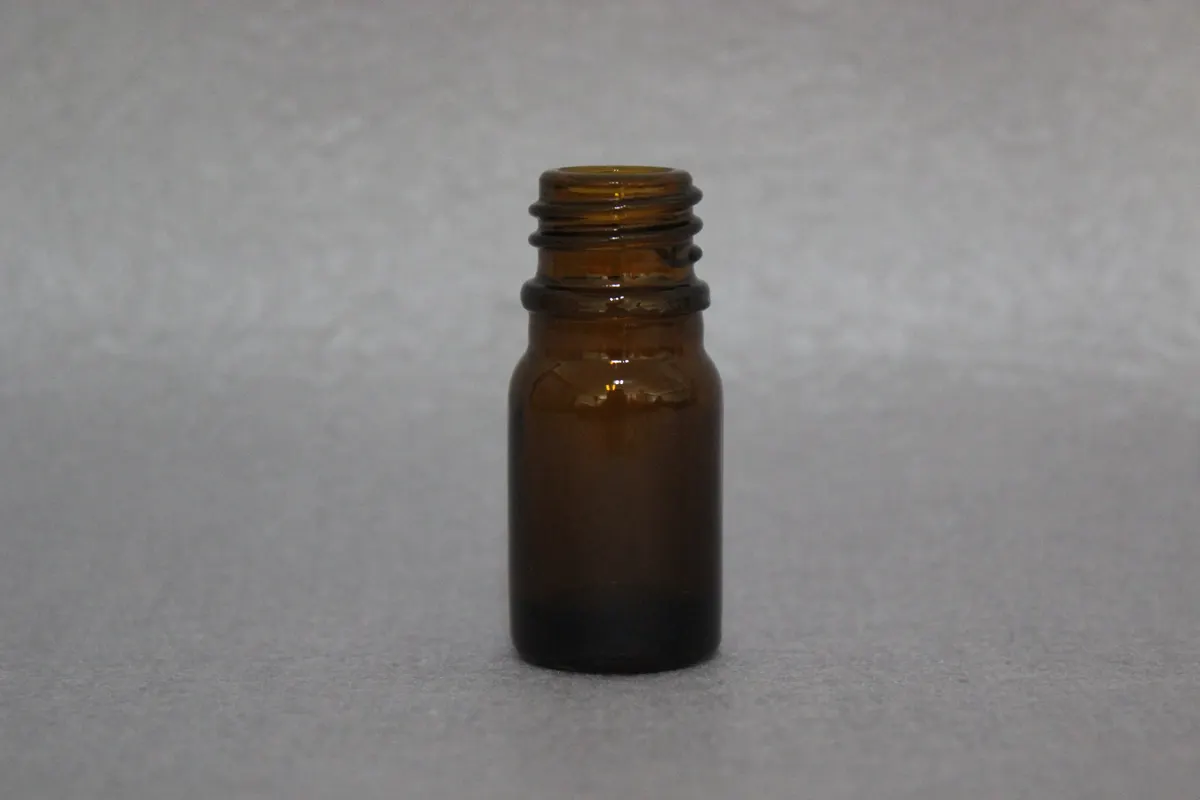
Three product families drive almost all custom dropper demand, and each pulls the specification in a different direction. Essential oil lines run 5 ml to 30 ml bottles with DIN 18 neck finishes, dosing drop-by-drop through the pipette tip; color preservation matters, so amber and cobalt dominate. Fragrance discovery and travel programs run 2 ml to 15 ml vials where the dropper applies perfume to pulse points — here the pipette must reach the bottle’s floor so customers extract the last 0.3 ml, and cosmetic perfection of the glass matters more than barrier properties. Cosmetic serums run 15 ml to 50 ml, typically in 18/415 or 20/410 finishes, where a full-squeeze dosage of 0.7 ml to 1.0 ml per application is the product promise printed on the box. Get the dosage wrong and reviews mention it by name; get it right and the dropper becomes part of the brand ritual.
Every custom program we quote starts with a fill test: your actual formula, in the actual bottle, squeezed 100 times by three different operators. Viscosity changes everything — a hyaluronic serum at 3,000 cP draws differently than a facial oil at 50 cP — and the pipette bore is the variable we tune to compensate.
Pipette Length, Tip Styles, and Graduation Printing
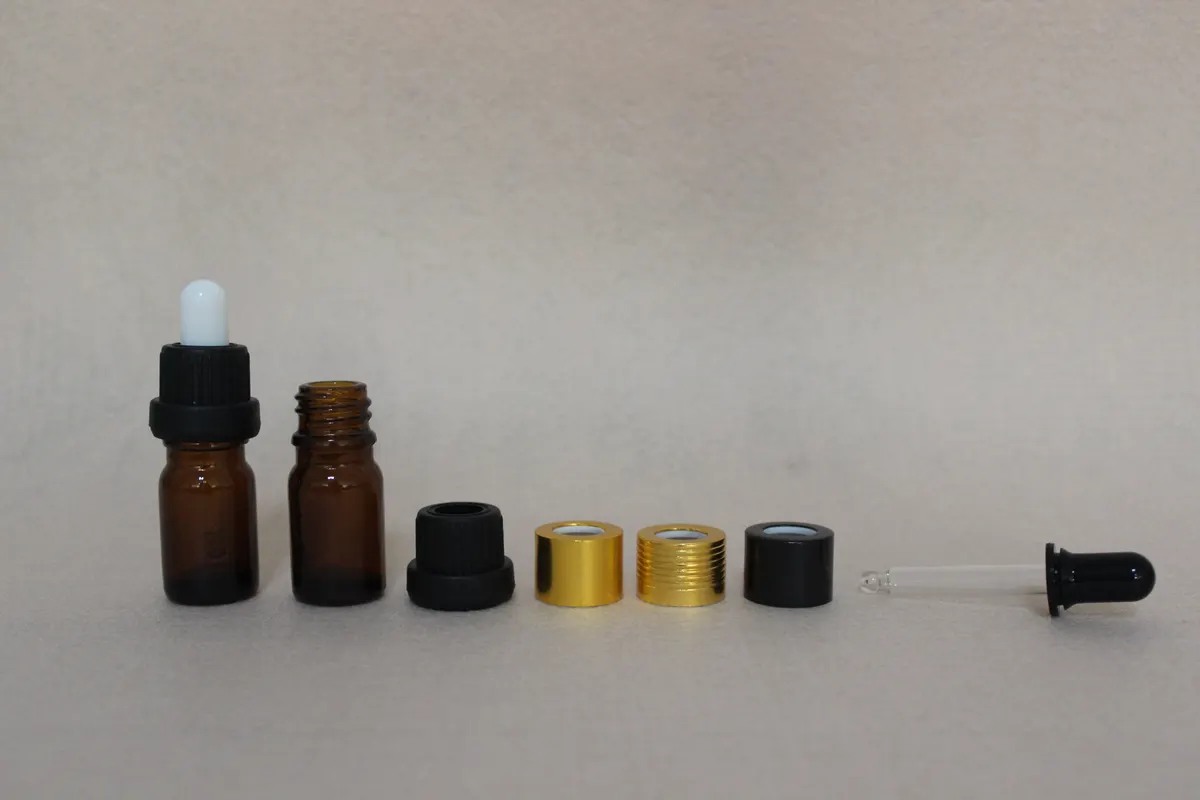
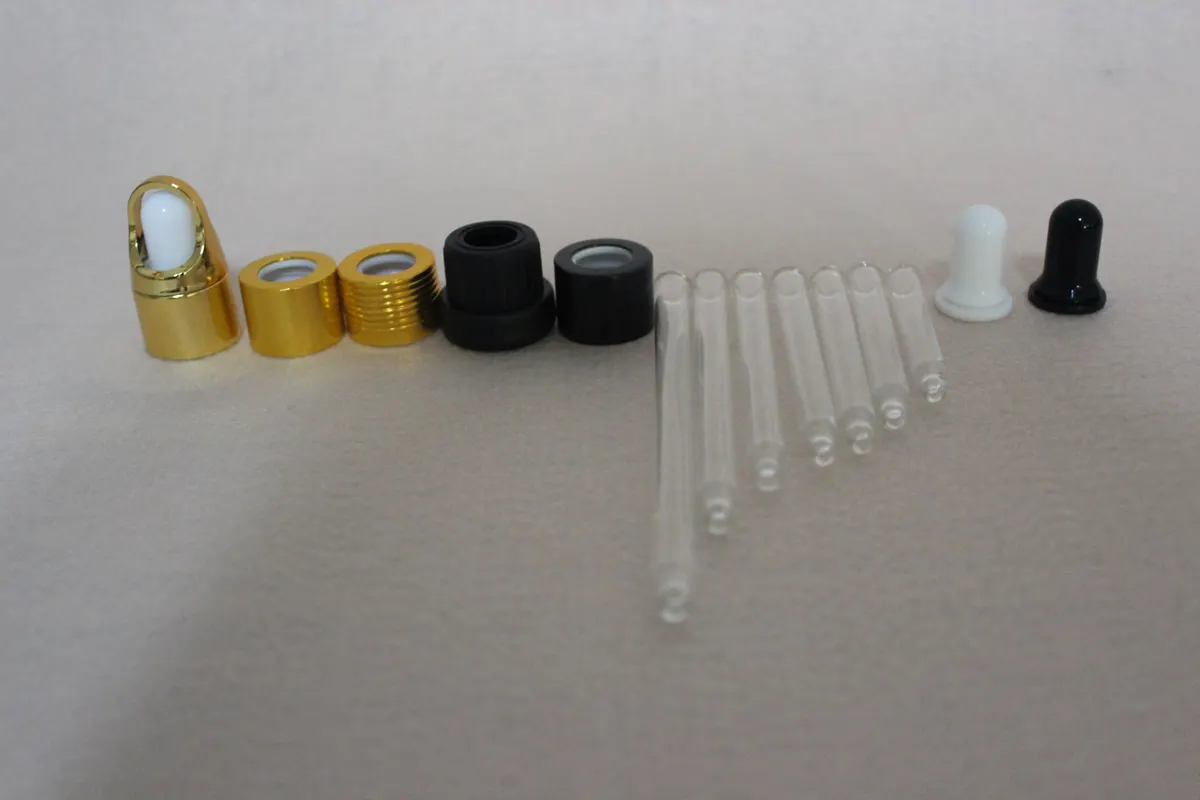
The pipette is a borosilicate or soda-lime glass tube, and three dimensions define it. Length is measured to reach within 2 mm of the bottle floor at the bulb’s natural squeeze angle; on a 30 ml Boston round that is typically 72 mm to 76 mm, and we cut to your bottle’s exact internal height after mold confirmation. Bore diameter runs 0.8 mm for water-thin liquids up to 2.0 mm for viscous serums. Tip geometry comes in three styles: straight-cut for general oils, ball-tip (a rounded flame-polished end) for controlled drop formation, and bent-tip for angled application. Borosilicate pipettes add chemical durability and a crisper visual ring at the cut edge for a modest per-unit premium.
Graduation printing turns the pipette into a measuring device: fired ceramic ink marks at 0.25 ml, 0.5 ml, and 0.75 ml let consumers dose a serum precisely, a feature derm-cosmetic brands increasingly print into their usage instructions. Graduations are screen-printed and fired at 600 degrees Celsius so they survive the formula’s solvent contact indefinitely.
Bulb Materials: Silicone, Nitrile, and When Each Wins
The bulb is the failure point of cheap droppers. Natural rubber bulbs are the budget option and are acceptable only for simple fragrance work; they swell and crack within months against citrus-heavy essential oils. Nitrile (NBR) bulbs resist oils and solvents across a broad formula range and remain the industry standard for essential oil and serum programs — expect a two-year shelf life against limonene-rich formulas. Silicone bulbs cost roughly 40 percent more but tolerate the widest chemical envelope, stay supple from -20 to 120 degrees Celsius, and are the default for premium serum lines where a sticky or stiff bulb would be a brand emergency. For formulas above 20 percent fragrance load or with aggressive solvent systems, we run a 12-week immersion test before approving a bulb compound — the test is free with any custom order and has saved more than one launch.
Ribbed collars improve grip with oily hands; smooth collars photograph better. Tamper-evident collar bands are available for retail programs that need visible security without shrink sleeves.
Glass Colors: Amber, Cobalt Blue, Frosted, and Flint
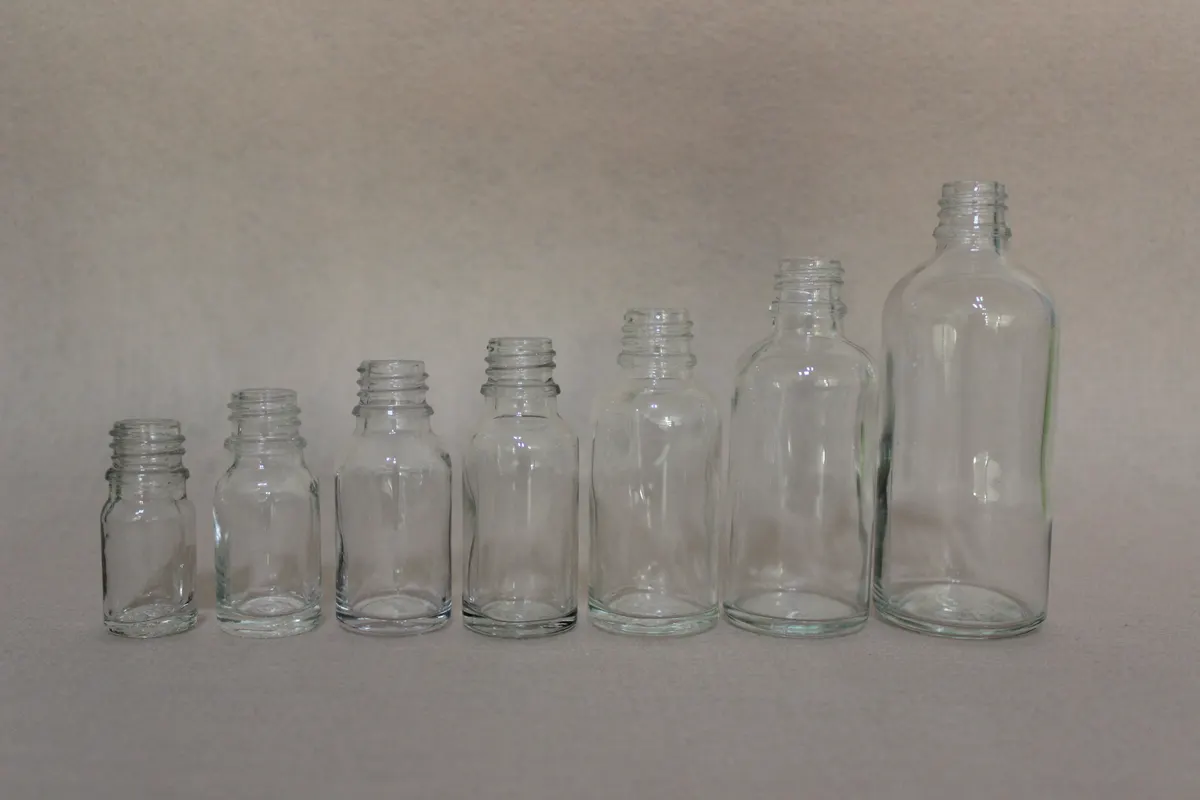
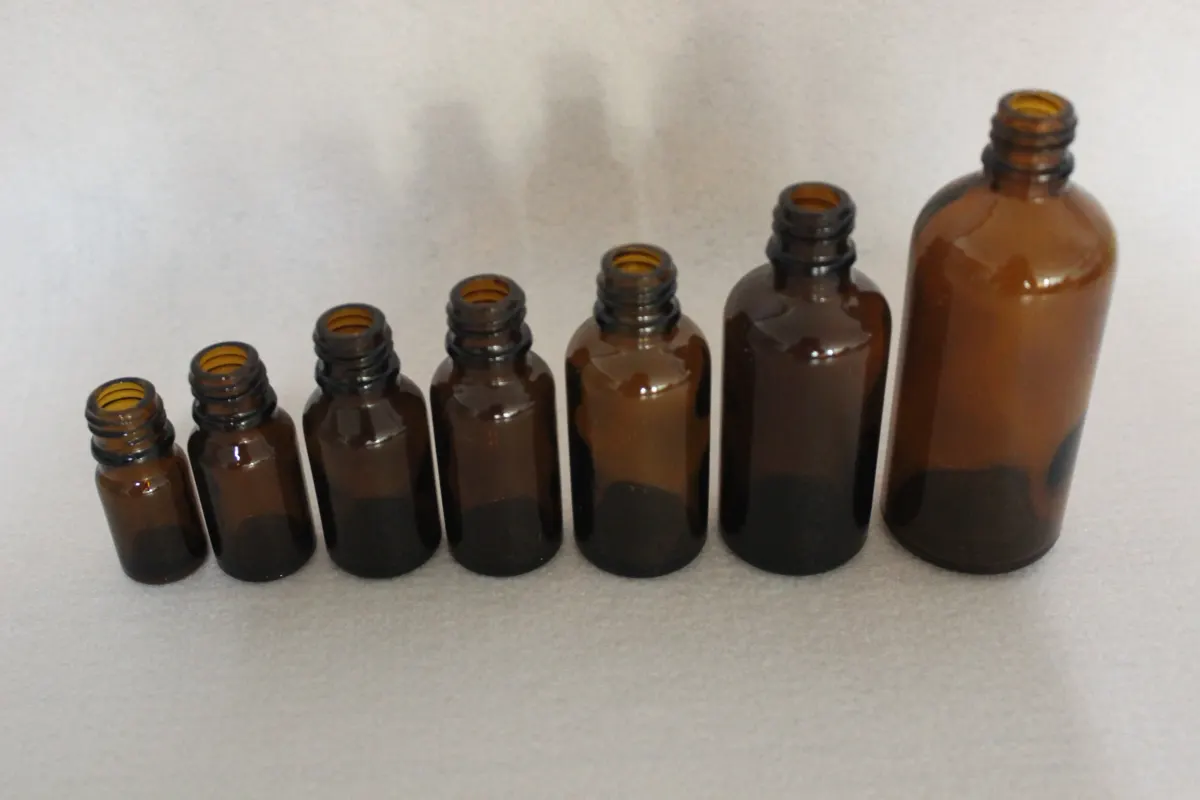
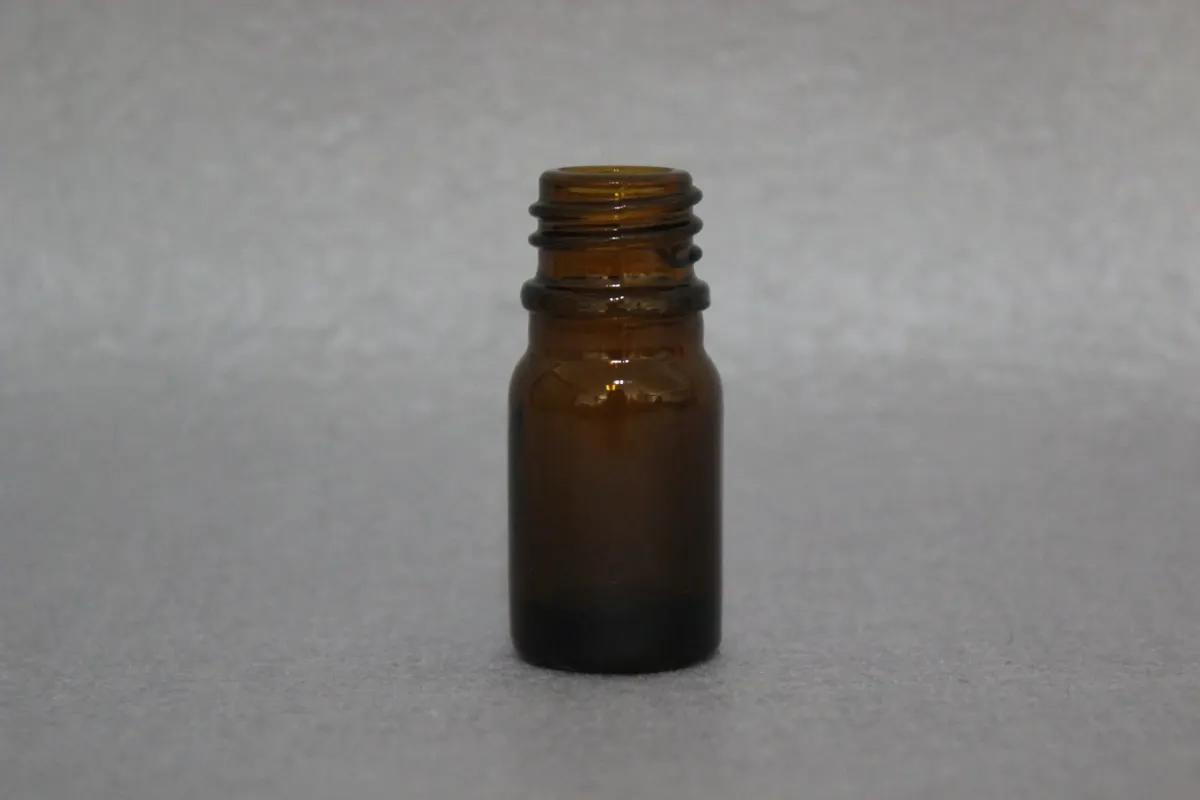
Color is both protection and positioning. Amber glass, colored in the melt with iron and sulfur compounds, blocks UV below 450 nm and remains the technical default for light-sensitive essential oils — it is why our custom essential oil bottles program runs amber at over 70 percent of volume. Cobalt blue is the aesthetic alternative: it filters less UV than amber (roughly 60 percent versus 90-plus percent below 450 nm) but photographs beautifully and dominates the “clean beauty” shelf. Frosted glass — acid-etched rather than coated, so the finish never scratches off — signals premium serums and pairs with metallic collars. Clear flint suits fragrance samples where seeing the juice is the point.
Custom glass tints beyond the standards are possible in the melt at 100,000-piece furnace commitments — most brands achieve their color goal with sprayed or frosted finishes at one-tenth that volume instead.
Decoration, Assembly, MOQ, and the Quotation Path
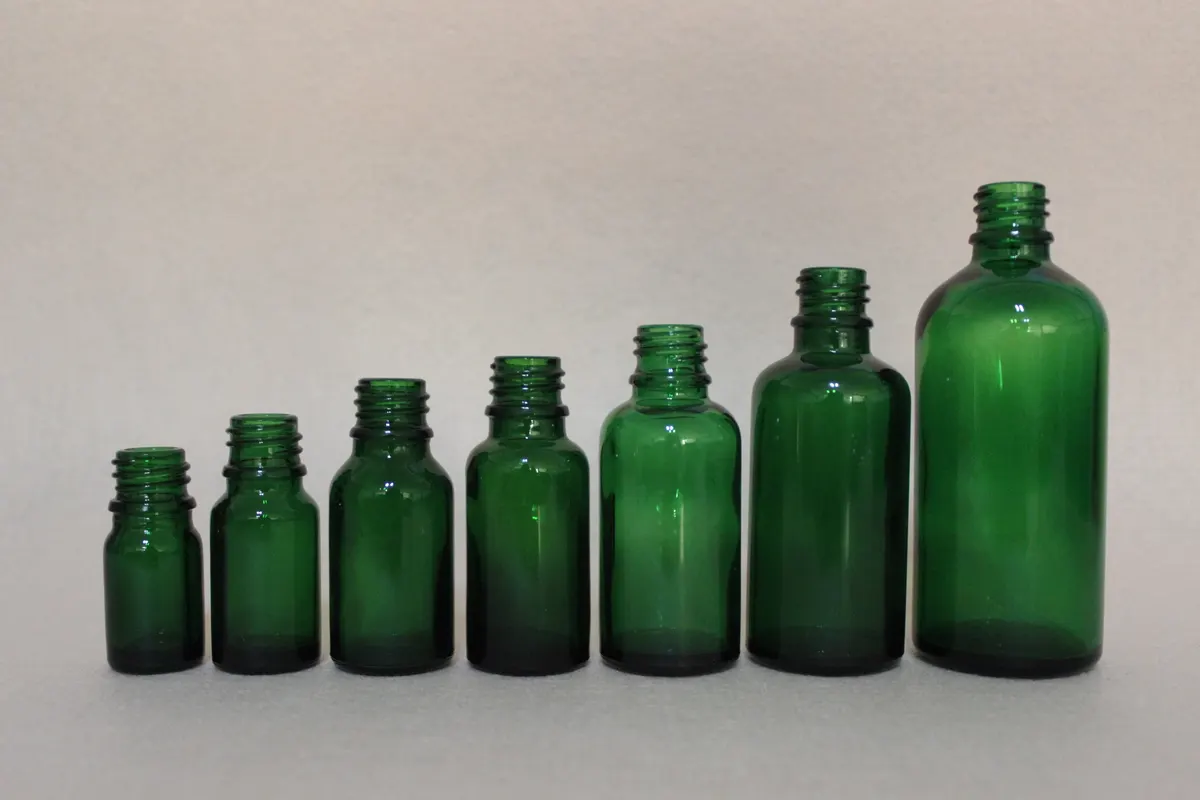
Bottle decoration for droppers follows the serum-category playbook: one-to-three-color silk screen fired on, hot-stamped metallic logos, or full-body sprayed gradients. Labels remain common at 5 ml to 15 ml sizes where screen real estate is tiny; we size label dies to the flat of Boston rounds or the wrap of cylinder bottles. Full assembly — bottle, pipette cut to length, bulb, collar, graduated print — ships as one validated unit, which is the point of buying custom: your co-packer fills and torques without sourcing four components. The serum and dropper bottles hub covers the category economics, and wholesale glass bottles with droppers lists pre-assembled stock combos. For cylinder formats, the custom cylinder dropper bottle series shows a complete 5 ml-to-100 ml ladder.
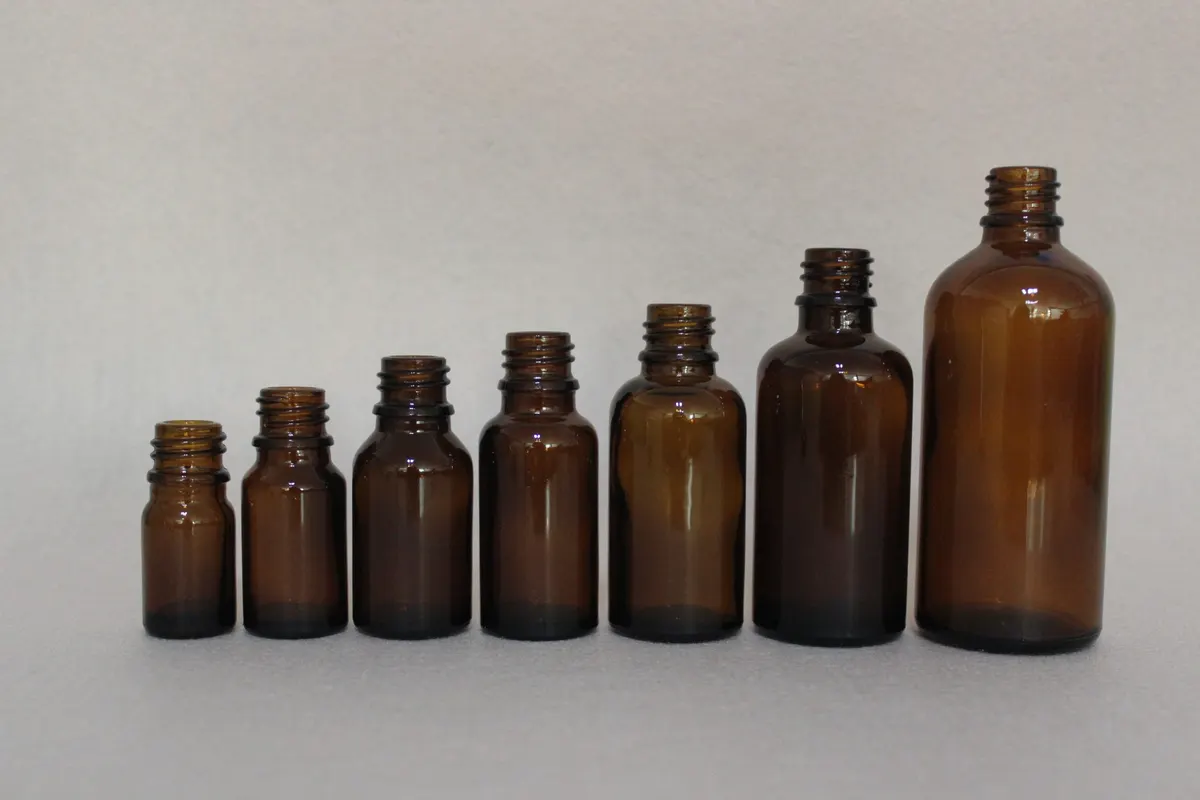
Send the brief — container, closure, decoration, quantity and destination, whatever you already know — and quotes are answered in one to two business days.
FAQ: Custom Dropper Bottle Projects
What products are custom dropper bottles designed for?
Essential oils, fragrance discovery and travel sizes, and cosmetic serums. We specify pipette bore and bulb material against your formula’s viscosity and solvent load, dosing 0.7 to 1.0 ml per squeeze for serums or drop-by-drop for oils.
How do I choose between silicone and nitrile bulbs?
Nitrile is the industry standard and handles most essential oil and serum formulas for two-plus years. Silicone costs about 40 percent more but tolerates the widest chemical range and extreme temperatures.
Can the pipette be printed with measurement marks?
Yes. Graduations at 0.25 ml, 0.5 ml, and 0.75 ml are screen-printed in ceramic ink and fired at 600 degrees Celsius, so they survive solvent contact permanently.
Which glass color protects essential oils best?
Amber blocks UV below 450 nm and is the technical default for light-sensitive oils. Cobalt blue filters roughly 60 percent of that range and is chosen mainly for aesthetics; frosted and sprayed finishes are positioning choices rather than protection.
What is the minimum order for a custom dropper assembly?
Minimum quantities are quoted per project, because they depend on the mould and the line it runs on.
Do you ship the dropper pre-assembled?
Yes. Bottle, cut-to-length pipette, bulb, and collar ship as one validated unit so your filler only fills and torques. Assembly is leak-tested and torque-verified before packing.