Choose a wholesale glass beverage bottle by what happens inside it, then by shape. A carbonated drink needs a bottle proof-tested to ≥10 bar under ISO 7458, a hot-filled juice or tea needs ISO 7459 thermal-shock validation and a vacuum-capable finish, and a still cold-filled drink can use the lightest glass. The finish follows from the same decision: 26mm crown, 28mm PCO 1881, 28mm ROPP or a twist-off lug.
What each filling process demands of the glass
Carbonated drinks
Beer, sparkling water, kombucha and soda build internal pressure, which can reach 6–8 bar at 38°C. The bottle therefore has to pass ISO 7458 internal-pressure testing with a safety margin. Ask for ≥10 bar proof at standard carbonation, up to about 4.5 g/L CO₂, and ≥12 bar for highly carbonated products or distribution in warm markets.
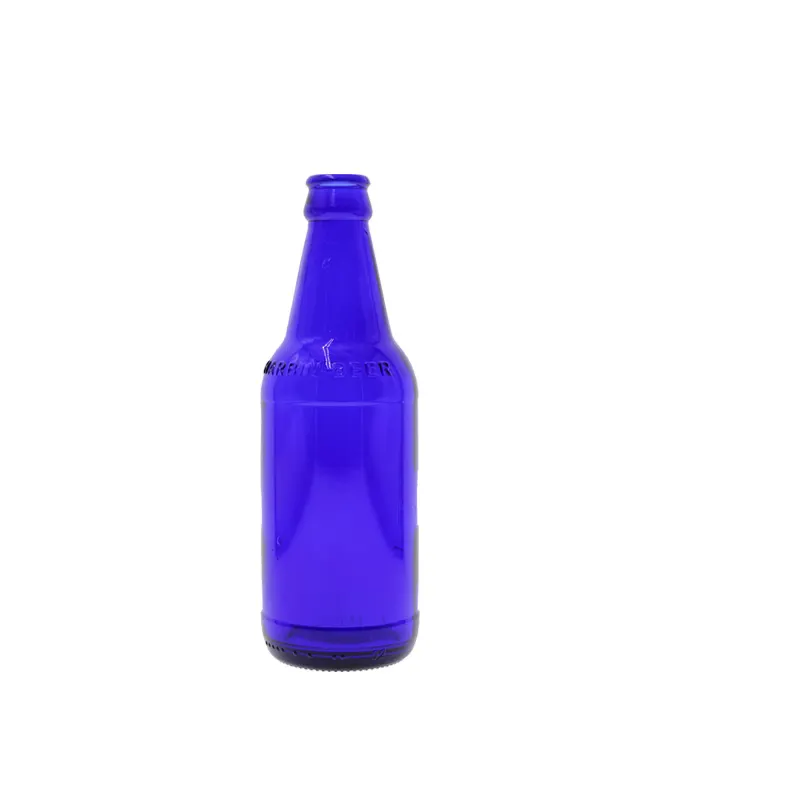
Beer is normally filled in amber glass, which shields iso-alpha acids from UV. Soda and sparkling water are fine in flint.
Hot-fill juices and teas
At 85–92°C the load on the glass is thermal, not pressure. Specify ISO 7459 thermal-shock validation at your own fill differential, meaning fill temperature minus rinse or ambient temperature, which is typically 42–45°C. Pair it with a finish that holds vacuum, either a lug twist-off or a 38mm/43mm CT with plastisol, so the safety button confirms the seal once the product cools.
Still cold-fill
Cold brew and functional drinks are the least demanding. A 28mm PCO 1881 or an aluminium ROPP closure both work, and glass about 15% lighter is safe for this use.
Hot-fill and carbonation together
One bottle rarely does both well, because hot-fill shapes are tuned for thermal shock and vacuum while pressure bottles are tuned for hoop strength. If you pasteurise a carbonated drink, give both parameters in the enquiry. The answer is a heavier dual-rated bottle, typically +10–15% glass weight.
Finish families and the capper you already own
- 26mm crown. Fast to cap, and consumers read it as "craft". It does not reseal.
- 28mm PCO 1881. Takes CSD-style plastic caps, suits sparkling water and allows resealing.
- Twist-off lug, 38–48mm. The usual finish for juice and tea in 250–500ml bottles.
- 28mm ROPP aluminium. Gives tamper evidence, useful for functional shots.
Confirm capper compatibility before you commit to a bottle. A crown finish will not accept a screw cap, and converting a filling line costs more than the glass. For a craft soda, the choice between crown and PCO 1881 comes down to your capper and whether the serve size needs to be resealed.
Reference specifications by drink type
| Bottle | Capacity | Weight | Finish | Process rating |
|---|---|---|---|---|
| Beer longneck, amber | 330ml | 280g | 26mm crown | ≥10 bar, ISO 7458 |
| Beer stubby, amber | 330ml | 300g | 26mm crown | ≥10 bar |
| Sparkling water, flint | 330ml | 260g | 28mm PCO 1881 | ≥10 bar |
| Juice or tea round, flint | 300ml | 240g | 38mm lug twist-off | Hot-fill 90°C, ISO 7459 |
| Kombucha or cold brew, amber or flint | 350ml | 250g | 28mm ROPP or crown | ≥8 bar option |
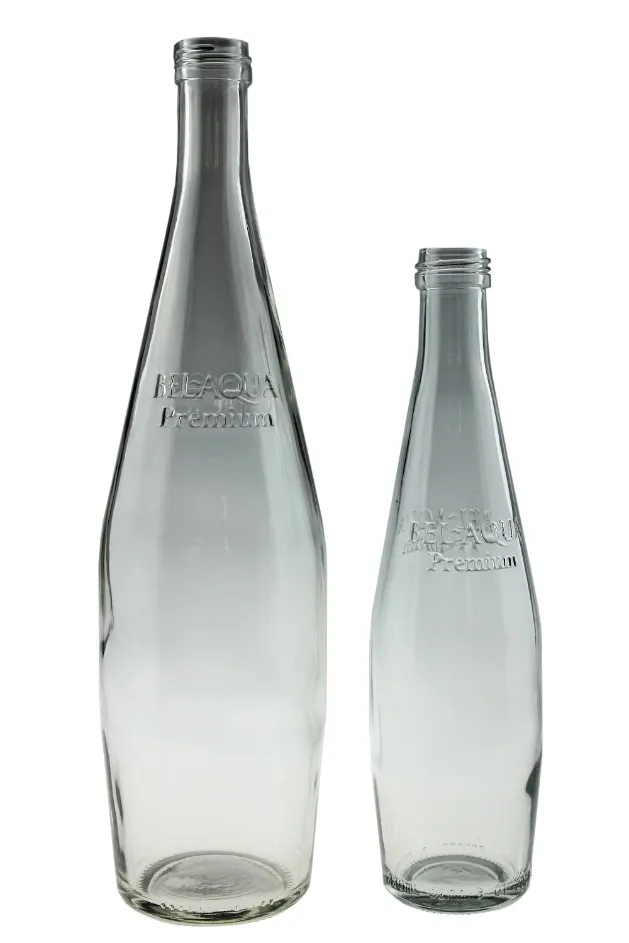
| Clear water bottle, lightweight | 500ml | 300g | 28mm PCO 1881 | Still, cold-fill |
Wine in 750ml is a separate family, covered under wine glass bottles.
What to put in a beverage bottle enquiry
- Fill process and temperature, carbonation in g/L CO₂ and target shelf life. These decide the test protocol, the mould and the glass weight.
- The finish by its standard name (26mm crown, PCO 1881, TO-38), plus the closure supplier if one is chosen.
- Test reports per production lot: ISO 7458 for pressure or ISO 7459 for thermal shock, with AQL 1.0 sampling.
- The labelling method. Paper wet-glue and pressure-sensitive labels call for different label-panel specifications and surface treatment.
For a hot-fill line, add one step after the paperwork: run a 50-bottle trial on your own line with production samples before releasing the full order. You can send these details through the quote request form, and how our sourcing desk works explains who checks drawings and lot tests on your behalf.
Cartons, bulk pallets and container loads
A 40'HQ carries roughly 42,000–48,000 longnecks of 330ml in export cartons. Bulk pallets with layer pads fit about 10% more, but they raise the breakage risk on rough inland legs, which is why most buyers stay with cartons for bottles below 500ml.
Ask for a loading plan in both formats and compare landed cost per thousand bottles, not cost per container.
Frequently asked questions
Which pressure rating should a carbonated drink have?
≥10 bar proof under ISO 7458 for standard carbonation, and ≥12 bar for highly carbonated products or warm-climate distribution. State the g/L CO₂ figure so the right mould and glass weight are selected.
What is the minimum order for beverage bottles?
Minimums are quoted per project. They depend on the mould, the glass colour and the quantity per shape.
How long does an order take?
Timing is quoted per project once the mould, the decoration and the freight terms are settled.