One of our guides on glass beverage bottles wholesale; start there for the overview.
Wholesale prices for glass juice bottles are quoted per project, and the figure moves mainly with five things: glass weight, neck finish, bottle shape, case configuration and how the order fills a container. Order volume then places you on one of four pricing tiers, from a trial run up to an annual contract. Because juice margins are thin, compare offers on landed cost per saleable bottle and never on the ex-works number alone.
What to specify before asking for a price
Format and fill process define the bottle, so they come first. The ranges below cover the juice formats buyers ask us for most often.
| Format | Capacity | Neck finish | Weight | Process rating | Typical use |
|---|---|---|---|---|---|
| Shot / sampler | 60–100 ml | 28–38 mm lug | 80–130 g | Cold fill, HPP | Ginger shots, samples |
| Single serve | 250–330 ml | 38 mm lug / ROPP 28 | 180–260 g | Hot fill, HPP, cold fill | Grab-and-go juice |
| Premium serve | 350–500 ml | 38–43 mm lug | 240–340 g | Hot fill, pasteurization | Cold-pressed retail |
| Family size | 750 ml–1 L | 43–48 mm lug | 420–580 g | Hot fill, pasteurization | Grocery multi-serve |
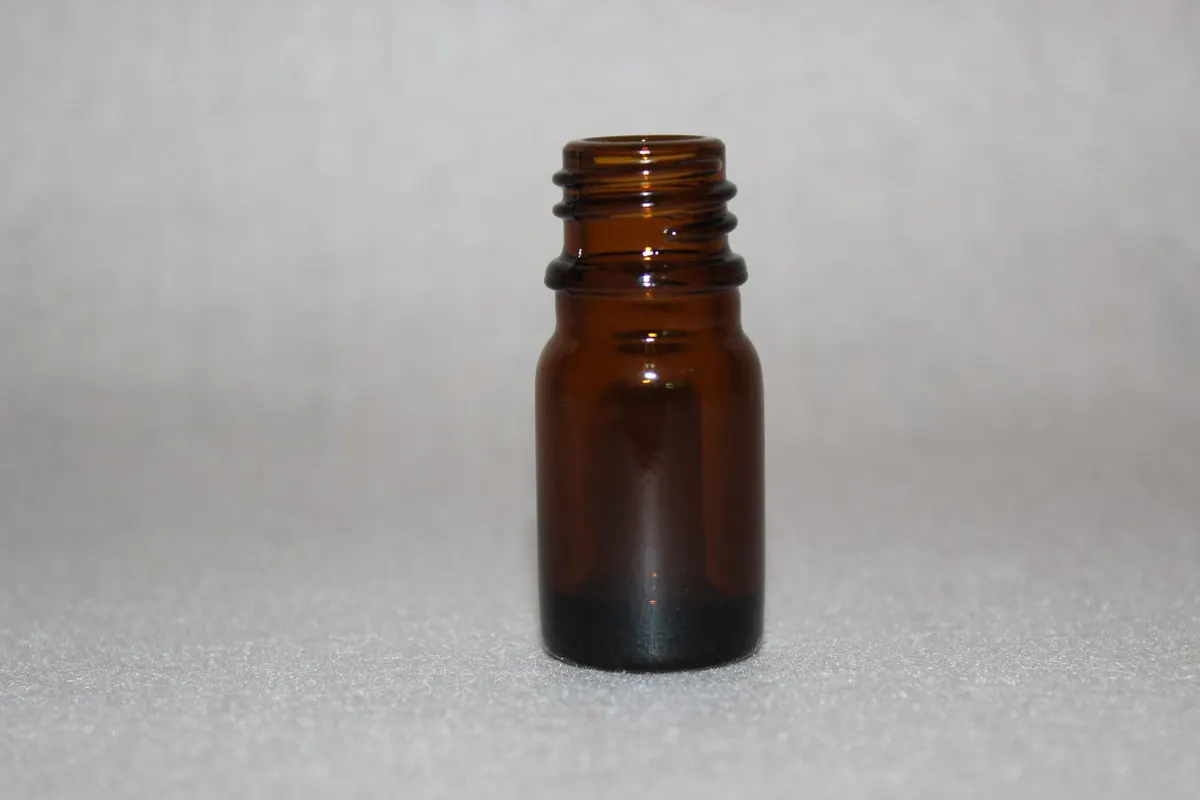
Of all the columns, process rating is the one buyers most often leave out of an enquiry, and it changes the bottle more than any other. Each process loads the glass differently:
- Hot fill at 85 to 92 degrees Celsius needs thermal-shock resistance verified per ASTM C149, plus sound annealing.
- High-pressure processing (HPP) subjects the filled bottle to about 6,000 bar. The wall has to be evenly distributed or it develops micro-cracks.
- Tunnel pasteurization adds a thermal load that is sustained instead of momentary.
A bottle designed for cold fill cannot stand in for one designed for hot fill, so state the process, and the temperature if it is hot fill, in the request for quotation. The test references we work to are ASTM C149 for thermal shock, ISO 7458 for internal pressure resistance and ISO 7459 for thermal endurance. Designs qualified for HPP can be supplied with a compatibility statement.
Five specification choices that move the price
Glass weight. Taking a 300 ml bottle from 240 g down to 200 g lowers the glass cost, and current strength engineering lets the lighter bottle keep its hot-fill capability. The catch is handling: lightweight bottles want gentler conveyors, so check your line before agreeing to the lower weight.
Neck finish. The 38 mm lug finish is the juice standard, which keeps caps inexpensive and available from several suppliers. An unusual finish ties you to a single closure source. Wide mouths (38 mm, 43 mm and above) also form more slowly than narrow beverage necks, and that can push the minimum run up a little.
Shape. Round bottles form fastest, pack most densely, run steadily on conveyors and are the cheapest to label. French squares have more shelf presence and cost more at each of those steps. High-volume juice brands mostly stay round; cold-pressed lines selling smaller volumes are the ones that can carry a square.
Case configuration. A 12-pack and a 24-pack differ in carton cost and in pallet efficiency. The denser pack is not always the cheaper one once landed, so ask for both to be quoted.
Freight mode. Juice bottles are light for the space they take, so a container fills by volume before it reaches its weight limit. That makes the 40HQ the natural unit for larger orders.
How order volume changes the quote
Suppliers price juice bottles on four steps. The actual figures shift with raw-material markets and are quoted per project, but the logic behind each step stays the same.
| Tier | What it is | Terms that unlock it |
|---|---|---|
| Trial | A first order that carries the full setup cost | Standard payment, slot availability |
| Growth | Setup spread across a larger run | Repeat orders within 12 months |
| Volume | Orders counted in 20GP containers, run without interruption | Full-container freight, single SKU |
| Contract | Annual volume scheduled inside the plant's planned campaigns | Annual frame agreement, quarterly call-offs |
Two points are worth using in negotiation. The move from trial to growth is the least costly concession a supplier can make, so cold-pressed and other higher-priced juice brands should press hardest there. And a year's volume placed as quarterly call-offs under a frame agreement prices better than four separate spot orders of the same size, because the plant can reserve mould time ahead.
Minimum quantities are also set per project. They depend on the mould and on the forming line it runs on.
Comparing quotes on landed cost
The lowest ex-works price often turns into the dearest bottle on arrival. To compare offers fairly, build each one up from the same six lines:
- Unit glass price at the tier you will really order at
- Closure cost, after asking whether caps are included (often they are not)
- Decoration, if there is any
- Inland and ocean freight per bottle, worked out on the container type the order actually fills
- Insurance and port fees
- A breakage allowance of one to two percent
Divide the total by the number of saleable bottles, not the number shipped. An offer that starts higher ex-works can finish lower once included closures and better container fill are counted. Treat a supplier's refusal to itemise these lines as information in its own right. For benchmarks across drink categories, see the wholesale glass beverage bottle overview.
What to send with a quote request
We can match the project to a suitable plant and price it accurately when the enquiry includes:
- Capacity and preferred shape, or photos of a bottle you want to match
- Fill process: cold fill, hot fill with its temperature, HPP or tunnel pasteurization
- Quantity per order and a realistic annual volume, which decides the tier
- Neck finish and closure plan, including whether caps should be priced with the glass
- Destination port, preferred Incoterm and delivery schedule
- Retail or regulatory requirements such as deposit marking, label panel dimensions or certifications
Frequently asked questions
What is the minimum order for wholesale juice bottles?
There is no single figure. It is quoted for each project according to the mould, the finish and the line the bottle runs on.
How far do prices fall at container volumes?
That is quoted per project as well. The drivers are the mould, decoration, quantity and freight terms, with full containers of a single SKU pricing better than mixed or part loads.
Are glass juice bottles suitable for HPP?
Qualified designs are. Specific moulds are qualified for the process and compatibility is recorded in the lot documentation, so mention HPP in the enquiry and we will only put forward verified shapes.
What does a wholesale juice bottle quote include?
Ours separate the glass price at your tier, closure options, decoration, freight on the real container type, insurance, port fees and a breakage allowance, which is everything needed to work out landed cost per saleable bottle.