Pick a cork alternative by the oxygen transmission rate (OTR) the wine needs over its drinking window, then confirm that the sales channel and the bottling line accept that closure. Screwcaps and current-generation synthetic corks give the most consistent oxygen ingress and remove TCA taint; technical and agglomerated corks keep the cork ritual with less bottle-to-bottle variation; glass stoppers and crown caps cover narrower uses. The neck finish differs by closure family, so the decision has to be made before the glass is tooled.
Oxygen ingress is the variable every closure controls
A wine closure does one job: it regulates how much oxygen reaches the wine over time. With too little, reductive notes can appear. With too much, the wine oxidizes early. Natural cork has sealed wine for three centuries, and it differs from one bottle to the next, which is at once its charm and its risk.
Alternatives were developed to make that ingress predictable. So the useful question for a buyer is which OTR suits the wine's intended drinking window, and which closure delivers it most reliably.
Closure options side by side
| Closure | Oxygen behaviour | Where it fits | What to watch |
|---|---|---|---|
| Natural cork | Varies between bottles | Reds meant for the cellar; traditional channels | TCA taint risk is low but real, and variability comes with the tradition |
| Technical cork (1+1) | Steadier than natural cork | Wines that want the cork ritual with more predictability | An agglomerated body capped with natural discs |
| Agglomerated cork | Consistent | High-volume, drink-now wines | Less elastic, so specify it for shorter cellaring |
| Synthetic (polymer) cork | Very consistent and can be engineered | Drink-now wines where no taint is acceptable | Earlier generations suffered seal fatigue; ask for current-generation extruded synthetics and verify with the bottler |
| Screwcap (Stelvin, BVS 30) | Set by the liner: Saranex is higher, tin-saran very low | Aromatic whites, rosés, drink-now reds; on-trade convenience | Choosing the liner is choosing the OTR; the bottle needs a BVS finish from a different mold than a cork finish |
| Glass stopper (Vinolok-style) | Low, defined by the gasket | Whites and rosés that need a distinctive look on shelf | Needs its own dedicated finish |
| Crown cap | Very low | Tirage stage of sparkling wine; some pét-nat and beer-style wines | A working closure, not a ceremonial one; sparkling wine goes to market under mushroom cork and agrafe |
Four questions that settle the choice
- Channel. Australian and Scandinavian supermarkets default to screwcap. Classic European restaurant lists still read cork as a mark of quality. Airlines and by-the-glass programs favour screwcap because it is convenient.
- Wine style. Aromatic whites such as Sauvignon and Riesling gain from a low-OTR closure that holds on to volatile aromas. Structured reds tolerate more closure variability.
- Taint tolerance. Even with modern screening, TCA taint still affects a low single-digit percentage of natural corks. For a high-volume value wine, a tainted bottle in a critic's case is a real cost, and alternatives remove that risk entirely.
- Packaging line. Corkers, screwcap heads and stopper applicators are separate machines. Your own equipment, or a contract bottler's, may make the decision for you, so check before committing the glass.
The neck finish locks in the closure
Closure choice is fixed at the mold. Closures in cork format, meaning technical, agglomerated and synthetic, fit the standard cork-finish bores (18.5/21.5 mm). A screwcap needs a BVS 30 screw finish, and a glass stopper needs its own. These are different necks on different molds, and switching closure after tooling means changing the mold.
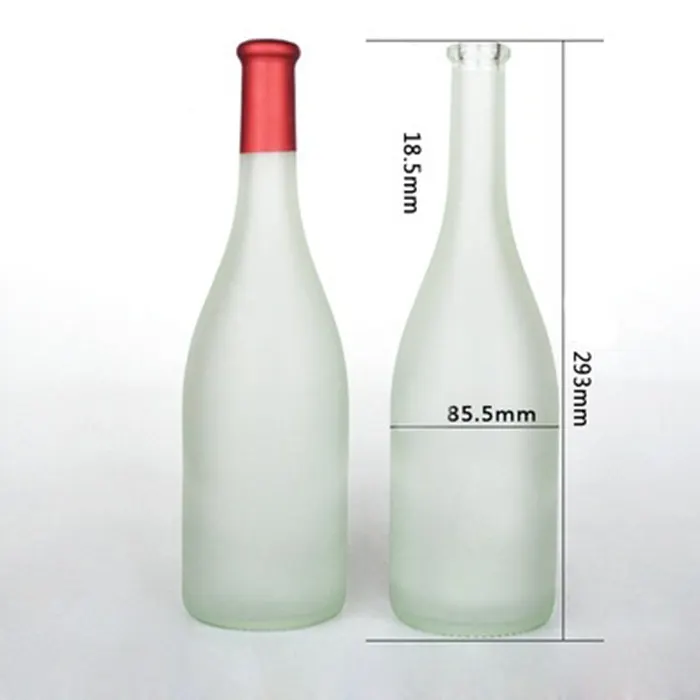
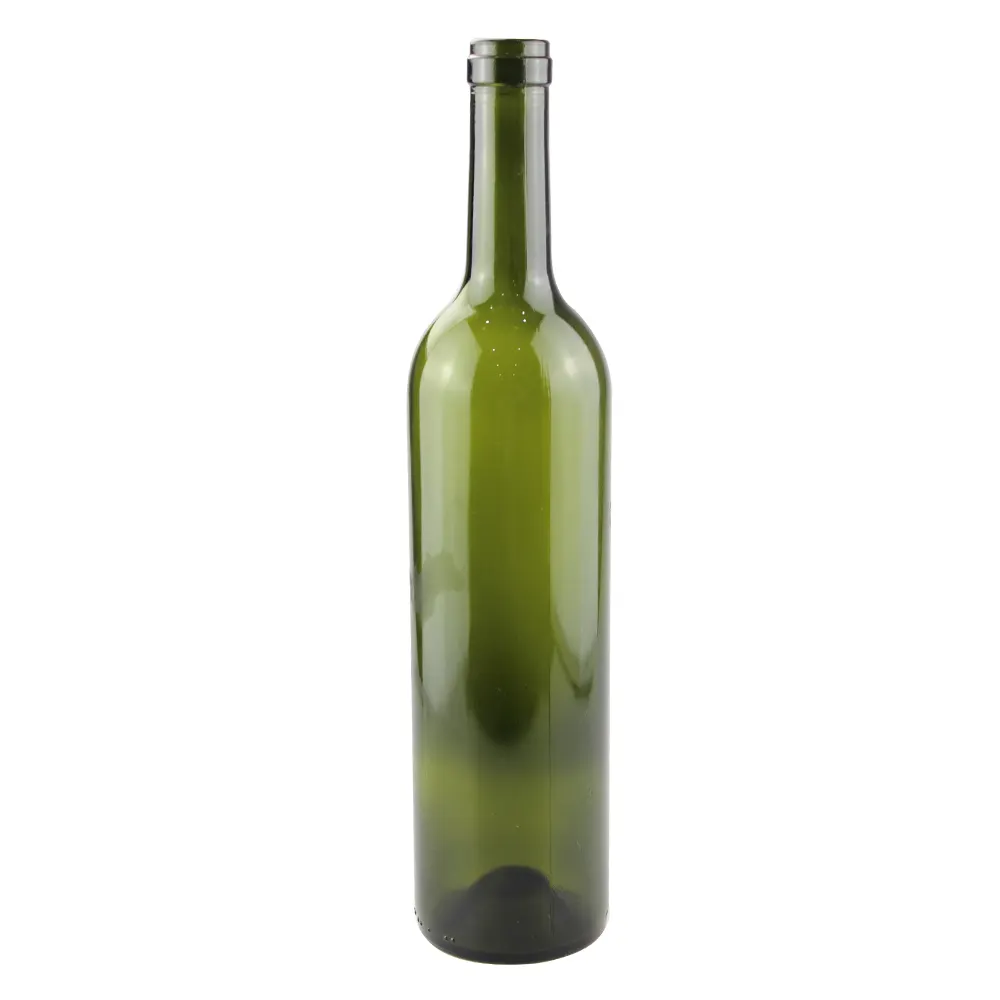
Many ranges run cork on cellar releases and screwcap on the drink-now line. If that is on your roadmap, plan both necks on one body design at the outset so the family keeps a consistent look. Our wine bottle range and the 750ml Bordeaux bottles show the body shapes this applies to, and the guide to glass bottle cap types covers every closure system in more detail.
Cork alternatives for spirits
For spirits the discussion is about the BarTop, or T-cork: a top in wood, plastic or metal mounted on a shank. A natural cork shank brings tradition and a little variability. A synthetic shank gives the same insertion and extraction force on every bottle with no taint risk, and it is increasingly the default even for whisky, rum and tequila at the upper end.
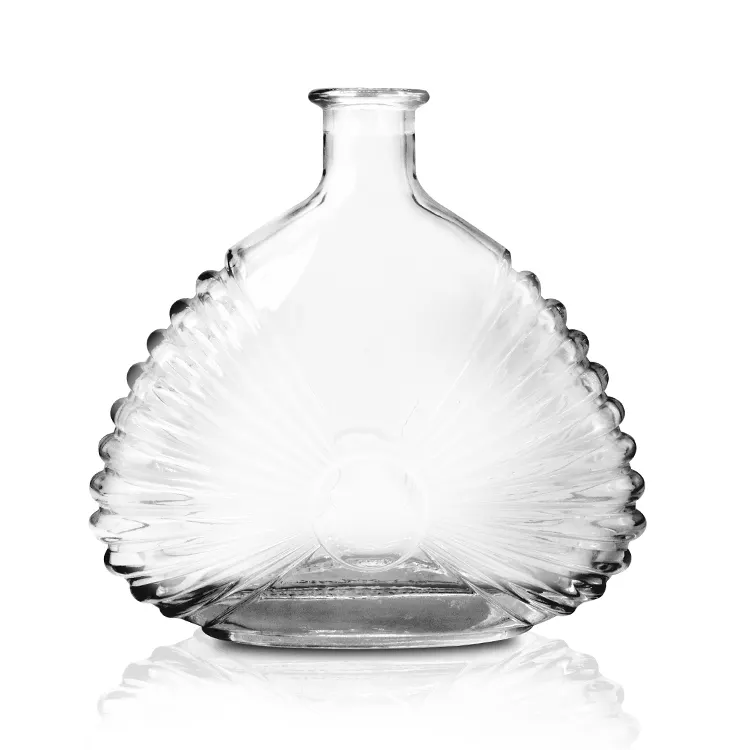
The criteria parallel wine. Check how consistent the extraction force is, since that is what the customer feels in the hand; how the seal holds through temperature swings in transit; and what opening ritual the brand wants. Spirits closures are verified as an assembly on the bottle, using bore gauges, pull-force windows and leak testing (inverted storage at 40 °C for 24 hours) before mass release. The matching glass is in our liquor bottle collection.
What to send for a closure recommendation
Tell us the wine style, the intended drinking window, the channel and the bottling setup. We map the closure options against OTR targets, treat bottle and closure as a single verified assembly, and coordinate samples of both options so the winemaker can decide on evidence. Use the closure and bottle enquiry form and include style and channel.
Frequently asked questions
Do cork alternatives age wine less well?
Not as a category; they behave differently. Tin-saran screwcap liners and current-generation synthetics have come through 10+ year trials with clean development. Natural cork has centuries of data and its ritual in its favour, and bottle-to-bottle variability plus residual TCA risk against it. For a wine to be drunk within two years, an alternative is usually the rational pick.
Which cork alternative is the most reliable?
On consistency, either a Stelvin screwcap with its liner matched to the OTR target or a current-generation extruded synthetic cork. Judge reliability against your wine's drinking window. Consistency counts most at high volume.
Can a screwcap wine still look upmarket?
Yes. Brushed finishes, custom colours and printed skirts have taken the screwcap well beyond the jug-wine stereotype, and whole regions have built their reputation on it. Combined with a well-designed capsule-free skirt, it reads as a deliberate choice.
How does the cost of cork alternatives compare with natural cork?
Closure cost is quoted per project, and it depends on the closure type, the liner or material grade, any custom finish or print, the quantity and the freight terms. The comparison that matters is the total cost of failure: what the closure costs plus what tainted or oxidized bottles cost you in your channel.