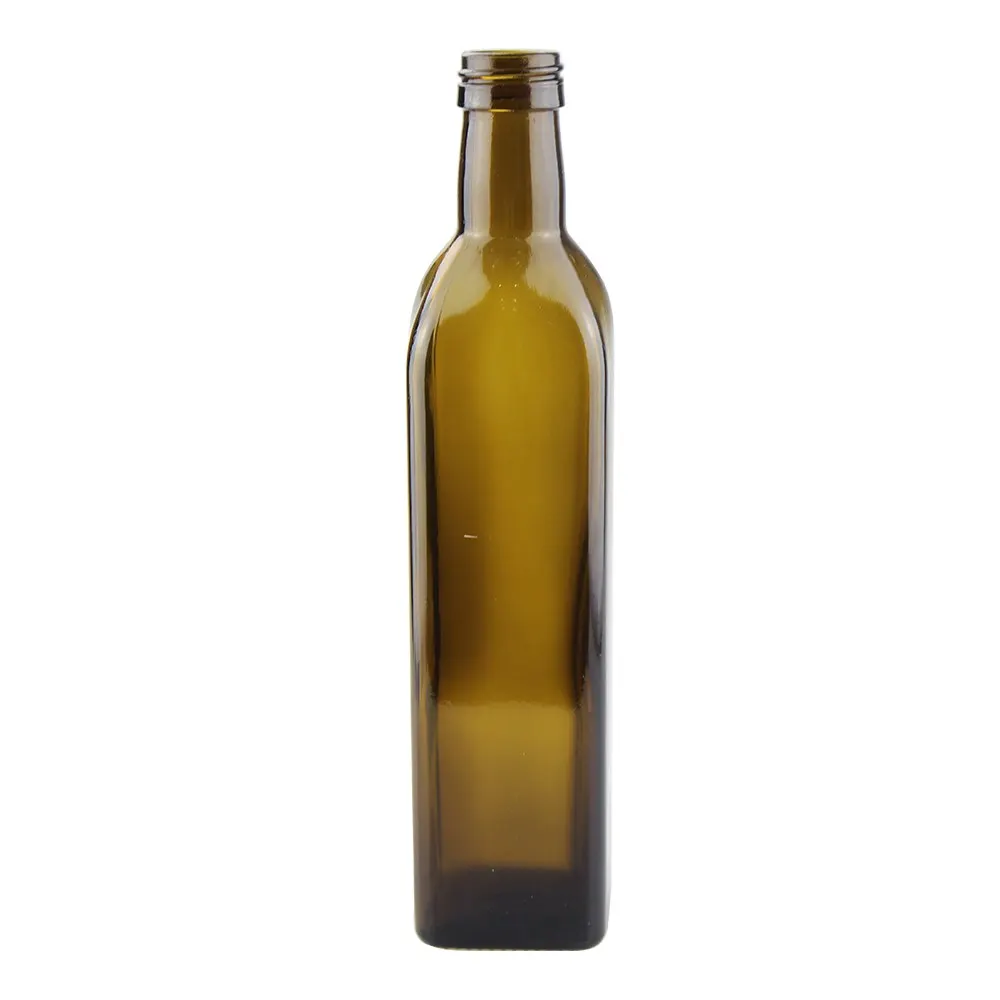
This page is for the syrup producer, brand owner, co-packer or sourcing manager who has already decided that a maple, golden, flavoured or cocktail syrup will be packed in glass, and who now has to fix the capacity before anything can be quoted, labelled or tooled. It serves three decisions that sit on the same axis: which capacity tier the range should use for a home, foodservice or gift channel; how a high-viscosity, crystallising liquid changes the neck bore, the fill head and the fill temperature; and how a larger bottle has to be shaped so that it can be gripped and poured without a steady hand. It is a capacity and filling-adaptation page, not a catalogue and not a factory directory, and every figure below is a planning magnitude for narrowing a range rather than a specification that can be printed on a pack without a measured fill trial. The boundary with the neighbouring pages matters here, because several of them sit close. Honey is handled on honey-jar-sizes, where the decisions are crystallisation and a wide mouth with a dipper; sauces are handled on sauce-bottle-sizes, where the constraints are acidity, salt and oil; vinegar is handled on vinegar-bottle-sizes, where the subject is high-acid compatibility and light protection. A syrup is none of those, because it is hot filled or pasteurised, it is poured rather than spooned, and it darkens with light and with age in a way a savoury condiment does not. Which maple bottle formats this site stocks belongs to maple-syrup-bottles, and how to qualify a factory belongs to syrup-bottle-manufacturer. No price, minimum order, capacity, certification or lead time appears below; those follow from a confirmed drawing and a quotation.
The Buyer Constraints That Fix a Syrup Bottle Size Before Any Drawing Is Made
Syrup capacity is decided by five constraints, not by a preference for a round number, and a range that is drawn without naming them will be redrawn later. The first is the product itself: the grade of the syrup, its sugar solids, its viscosity and whether it is clear or carries fruit or sediment. The second is the fill route, because a product that is hot filled, a product that is pasteurised in the bottle and a product that is filled cold and held by sugar or acid do not leave the same headspace, draw the same vacuum or demand the same glass. The third is the channel, because a gift hamper, a grocery shelf, a breakfast table and a cocktail bar each put a different premium on portion size, shelf presence and cost per pouring.
The fourth constraint is the consumer action the pack has to support. A syrup is drizzled, measured into a recipe, pumped into a coffee or poured into a shaker, and each of those actions asks for a different outlet and therefore a different neck. The fifth is transport and handling, which for glass syrup means weight and breakage: syrup is denser than water, so a filled bottle is heavier than its volume suggests, and a large glass format has to be designed around how it is carried as much as how it looks.
Regulation sits alongside those five as a fixed input rather than a decision. A pack has to carry a net quantity statement, an ingredient list, a nutrition declaration unless a provision removes it, a date mark and storage conditions, the name of the responsible business, and a lot code, and a maple syrup pack usually has to declare its grade and its origin as well. The smallest tier in a range is very often set by how much mandatory text will fit at the legal minimum type size, not by the recipe and not by the customer, which is why the label question has to be asked while the range is being drawn rather than after artwork has been commissioned.
The Decision Chain From Grade to Capacity to Outlet
These constraints resolve in a chain, and the chain has a direction. It starts with the grade and its viscosity, because viscosity decides how the product behaves in a fill head and how slowly it leaves the bottle. Viscosity then fixes the fill route, since a dense syrup is easier to fill warm and a warm fill brings a thermal requirement with it. The fill route fixes the neck, because the fill head, the nozzle clearance and the air that has to escape all depend on the bore. The bore then limits the capacity tiers that are practical, and the tier is finally chosen against the channel. The closure and its pour fitting come after that, because a fitment has to match the finish that the neck was cut to, and the body shape comes last of all, because grip and balance are a consequence of the chosen capacity rather than a starting point.
The direction of the chain matters because reversing it is the common error. A brand that begins with a bottle it likes and then tries to make a thick syrup flow through it will usually end up filling slowly, trapping air, leaving syrup on the sealing land and crystallising at the threads. Starting from the grade, and letting the grade set the bore and the capacity, is what keeps the fill repeatable and the seal clean. Where a brand already owns a mould and must work within it, the chain is simply entered at the neck, and the grade, the fill temperature and the tier are adjusted to suit the container rather than the other way round.
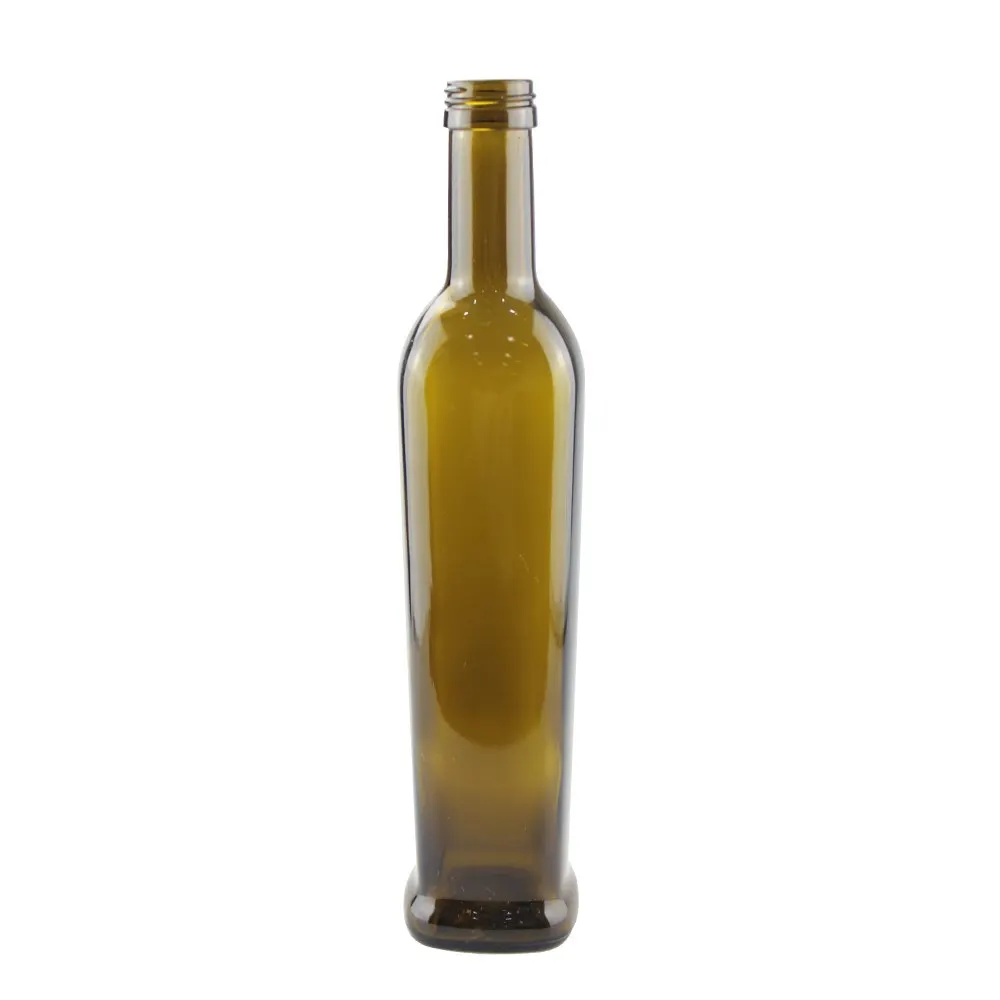
Syrup Grade, Viscosity and Channel Reference Table
The table below is the working artefact for this page. Read each row as a planning position rather than as a product: the net fill figures assume a normal working fill line with a headspace set by the closure type, and both the fill and the neck direction move as soon as the recipe, the solids or the process route change. Syrup is denser than water, so a capacity named in millilitres or fluid ounces and a net quantity stated in grams or ounces by weight are always two different numbers, and the relationship between them should be fixed by weighing a measured average fill of the real syrup in the real bottle. Every row has to be confirmed on a fill trial, and every closure has to be confirmed against the bottle’s own finish drawing.
| Syrup grade and viscosity | Capacity tiers and the channel they serve | Fill route and temperature | Neck bore and fill head | Closure and pour outlet | Body shape and grip consequence | Where the format breaks down |
|---|---|---|---|---|---|---|
| Golden and light maple syrup, thin to medium viscosity, clear | 250 ml (about 8.5 oz) for gift and table, 375 ml for retail | Hot fill at a high temperature, or a pasteurised route; confirm the process with the responsible specialist | Narrow neck in the 28 to 38 mm class with a controlled bore so a fill head can enter and displaced air can leave | Screw cap with a flow insert, or a flip-top with a small orifice; a plain lined cap for the retail seal | Small and light, so the centre of gravity is not an issue; a defined shoulder aids pouring | At 250 ml the label face becomes the binding constraint, and a wide mouth wastes shelf presence on a premium line |
| Amber and medium maple syrup, medium viscosity, the retail workhorse | 375 ml and 500 ml (about 12 fl oz and 16.9 oz) for retail and foodservice | Hot fill or pasteurised; the fill temperature also thins the product and speeds the fill | Moderate neck in the 38 to 43 mm class with a fill head sized to the nozzle and the air path | Flip-top or screw cap with a pour insert; cork-style stopper for premium gift packs | Hand-sized up to about 500 ml; grip texture and a waist help when the surface is wet | Syrup that pools on the shoulder crystallises at the thread and can lift the seal if the neck is too narrow for the fill speed |
| Dark and very dark maple syrup, robust flavour, denser and quicker to crystallise | 500 ml and 750 ml (about 16.9 oz and 25.4 oz) for family and foodservice | Hot fill; a heavier body of liquid takes longer to heat through, so the largest unit governs the process | 43 to 48 mm class or wider, with an air path that clears the neck as the viscous fill rises | Screw cap or flip-top with a wider outlet; cork or a swing stopper for gift formats | Full and heavy to pour, so balance and shoulder shape matter more than label area | At 750 ml the pour angle and the weight in the hand become the constraint, and a straight tall body is hard to control when full |
| Golden syrup and refiner’s syrup, invert sugar, very high viscosity with a strong crystallisation tendency | 500 ml, 750 ml and catering 1 L | Hot fill, high solids; confirm that the process route suits the glass and the closure | Comparatively wide neck to let a dense product into the bottle, or a fill head built for high viscosity | Screw cap with a large flow insert; some formats use a spoonable wide mouth instead of a pour | Dense and heavy, so a shorter and wider body with a broad shoulder pours better than a tall slim one | A narrow neck will not fill at speed and traps air, and crystals grow quickly around a restricted bore and sealing land |
| Flavoured syrup for coffee, dessert and cocktails, medium to high viscosity | 250 ml, 375 ml and 500 ml for retail and cafe, 750 ml for a bar line | Cold fill, hot fill or pasteurised depending on the recipe and its sugar and acid level | Narrow neck in the 28 to 38 mm class, matched to the pump or the pour fitting | Pump dispenser, flip-top or screw cap with an insert; the pump is usually the reason the neck is fixed | Often a square or oval body for shelf density; the shape is chosen for the label and the pump, not for pouring | A pump built for one finish height will sit high and miss the base on a taller neck, and the dose shifts as viscosity changes |
| Simple and cocktail syrup, lower viscosity, sometimes with fruit or herbs | 250 ml and 375 ml for cocktail and gift, 750 ml for a bar line | Pasteurised or an ambient fill held by sugar, acidity or preservative; the route follows the recipe | Narrow neck in the 28 to 38 mm class, with a bore wide enough for any particulate to pass | Speed pourer, pour spout or screw cap with an insert; cork or stopper for gift | Light and easy to pour; body shape is driven by bar speed and by the shelf it stands on | Particulates bridge and block a narrow pour spout, while a wide mouth then needs a different closure and capping setup |
| Fruit syrup with pulp or whole fruit, non-homogeneous | 250 ml and 375 ml, sometimes 500 ml | Pasteurised, because the fruit carries its own load and the glass has to take the process | Wide mouth, so the fill can pass the fruit and the product can be spooned or poured | Wide screw cap or lug closure, occasionally with a wide pour fitting | Often a wider, lower body so the fruit is visible through the glass | A narrow neck bridges and stalls the fill, and a fill head cannot pass pulp or pieces at any sensible speed |
| Corn syrup and glucose, very high viscosity, industrial and bakery use | 1 L and 5 L catering and industrial formats | Hot fill or ambient, depending on the supplier and the downstream use | Very wide mouth or a large-bore outlet, because a dense product will not pass a narrow neck | Large screw cap or wide lid with a high-flow outlet; not a consumer pour format | Heavy when full, so a handle or a broad-shouldered jug shape is common at these sizes | Consumer packaging is impractical at this viscosity, and a narrow outlet simply gushes or stalls under its own weight |
Filling a Viscous, Crystallising Liquid: What It Asks of the Neck and the Fill Head
Viscosity changes the filling problem more than any other property of a syrup, and it changes it in two opposite directions. A high-viscosity product flows slowly, so a fill head cannot simply be speeded up without overfilling: the nozzle discharges faster than the syrup can settle, air is trapped under the fill line, and the level rises after the bottle has moved on. Warm filling is the usual remedy, because raising the temperature thins the syrup and lets it flow and de-aerate, but warm filling brings the thermal requirement described in the next section with it. The design consequence is that a viscous syrup needs a fill head matched to its flow rate and a neck that gives the displaced air somewhere to go; a very narrow bore over a fast fill head is where overflow and smeared threads begin.
The neck bore is therefore a filling decision as much as a pouring one. A narrow neck keeps the fill head in the centre and produces a clean sealing land, but it passes a dense liquid slowly and traps air, and it leaves a small outlet for the consumer to pour through. A wide mouth passes the product and any fruit easily and allows a faster fill, but it needs a wider closure and a different capping setup, and on a small premium bottle it reduces the shelf presence that a tall neck provides. The right answer usually follows the product: clear thin syrups tolerate a narrow neck, while thick, invert-sugar or fruit-bearing syrups push toward a wider bore because the fill has to get in at a sensible speed.
Crystallisation is the second behaviour that the neck and the shoulder have to be designed around. Sugar syrups, and invert and maple syrups in particular, can deposit crystals at the point where they pool, and the two places they pool are the shoulder of the bottle and the threads under the closure. A shoulder that traps product, or a neck so narrow that syrup clings inside it, gives crystals somewhere to form, and crystals sitting on the sealing land or in the thread can lift a closure and open a slow leak. A clean, well-draining shoulder, a bore that does not hold product, and a fill line set clear of the sealing land all reduce the problem, and they are cheaper to design in than to correct after a mould has been cut. Fill temperature, solids content and storage temperature all affect how quickly crystals appear, so the finish and the fill rule should be confirmed together on a trial rather than assumed from a chart.
Hot Fill and Pasteurisation: What the Glass Body Must Withstand
Because syrup is often hot filled, or pasteurised once it is in the bottle, the glass is asked to survive a thermal event rather than only to hold a liquid. A hot fill raises the temperature of the bottle wall sharply, and a pasteurisation or cooling step then brings it back down, so the container has to tolerate the shock of both transitions without cracking. How well it does so depends on the wall thickness, on how evenly the glass is distributed and on how thoroughly the container was annealed after forming, because residual stress is what makes two visually identical bottles behave differently on the same line. Those are properties of the container and its drawing, not of the syrup, and they should be confirmed against the actual bottle rather than inferred from a size chart.
The process route also decides the headspace and the vacuum. A hot fill that relies on its own heat to drive out air and then contracts on cooling leaves a headspace that is deliberately sized for that contraction, and it draws a vacuum that helps hold the closure down. A pasteurised pack behaves differently again, because the internal pressure rises during heating and then falls as the bottle cools, and the closure has to release and re-seat rather than stay rigid. A colder fill holds neither effect and relies on the recipe instead. Each route leaves a different final fill height in the same bottle, so the net quantity the pack declares follows from the process, not from the nominal capacity printed in a catalogue.
One rule applies across all of them: the largest unit in the range sets the process. A dense liquid takes longer for heat to reach the centre, and a wide bottle takes longer than a narrow one of the same volume, so a process time and a cooling rate borrowed from a small bottle will under-process the largest pack in the range. This is a food-safety question rather than a sizing question, and it should be settled with the process specialist for the specific recipe and the specific container before the capacity tiers are frozen. Nothing on this page should be read as a statement about this or any factory’s process capability or certification.
Cap, Insert and Pour: Choosing the Outlet Before the Capacity
On a syrup pack the closure is not only a lid; it is the dispensing device, and the choice of outlet is often made before the capacity because it constrains the neck and therefore the bottle. There are four common arrangements.
A screw cap with a plain lined liner is the simplest retail closure, and the pour happens after the cap is fully removed; it is used where the product is poured into a jug or a measure and where the cleanest possible seal matters most. A screw cap with a flow insert, or a flip-top or disc-top with a small orifice, keeps the outlet in place and controls the pour: the hole diameter sets the drizzle rate, and on a viscous syrup a hole that is too large gushes while one that is too small pours painfully slowly. A cork or cork-style stopper is a premium and gift gesture, and it removes the pour control entirely, so it suits a bottle that is decanted rather than drizzled. A pump dispenser is the bar and cafe format, and it is the arrangement that fixes the neck most tightly, because the pump is built for a particular finish and finish height rather than for a diameter alone.
Two disciplines keep the outlet from becoming a late problem. The first is that the pour fitting and the bottle finish have to be matched as a pair: a fitment quote or a fitment drawing that names a finish is the only safe way to buy one, because a fitting built for a different finish height will stand high, leak or fail to seal even when the nominal diameter agrees. The second is to test the pour at the real serving temperature, since syrup viscosity falls as it warms and a hole that pours correctly from a cold bottle will run fast from one that has stood in a warm room. The materials and the compression behaviour behind the closure are a separate subject and are covered by the pages on cap liner material and on proving a cap fit; here the only question is which outlet the neck can accept.
Grip, Balance and Pour Angle in Large Formats
A large syrup bottle is not a small one enlarged, because the physics of pouring changes with size. When a bottle is full, its centre of gravity sits near the middle of the liquid, and the bottle has to be tipped almost horizontal before the last of a viscous syrup reaches the neck. On a 250 ml bottle that is easy to control with one hand. On a 750 ml bottle the same motion puts a kilogram or more of dense liquid past the vertical, the wrist has to hold a tilting weight, and the pour is judged by whether the syrup lands in the coffee or on the table. This is why large formats are usually shaped rather than scaled: a shorter and wider body brings the centre of gravity down and closer to the hand, a defined shoulder gives the thumb something to push against, and a textured or waisted section gives the fingers grip even when the surface is wet or sticky.
The body shape also interacts with the fill and with the label. A wider body lowers the centre of gravity but increases the wall area the glass has to form, and it changes where a label can sit and how much of the front face is flat enough for artwork. A very tall slim bottle pours poorly when full, holds a long narrow label that suits a premium line, and is harder to keep steady on a conveyor. A jug with a handle solves the pour for a catering format but changes the packing configuration entirely, because the handle occupies space in the carton and alters how bottles nest and stack. At the top of the range, the 1 L and 5 L catering sizes, grip stops being a refinement and becomes the reason for the shape.
The practical planning point is that the largest tier in a range should be designed around how it is handled when full, and that this decision has to be taken with the capacity rather than after it. A range that fixes capacity first and shape second will usually end up with at least one tier that pours badly, and the fix is a new mould rather than a new label.
Light, Colour and the Shelf Life of a Syrup
Syrup colour is part of the product, and light is one of the things that changes it. A clear syrup packed in clear glass is fully exposed to the light on a shelf, and over a shelf life it can darken and shift in shade, which is a quality problem on a pack whose grade or colour is part of what is being sold. Maple syrup is graded partly by its colour, from the palest delicate grades through amber and dark to the darkest robust grades, so a bottle that lets the product darken also lets its declared grade drift. Amber or dark-tinted glass reduces the exposure, and a pack that must show the product through clear glass usually has to accept a shorter shelf life or a controlled storage recommendation.
Colour drift is driven by heat and age as well as by light, so the storage condition declared on the pack and the light transmission of the glass are two parts of one decision. A dark glass that suits a robust syrup is a poor choice for a delicate grade whose appeal is its pale colour, and a clear bottle chosen to show a golden syrup needs a realistic shelf life rather than an optimistic one. This page treats light only as far as it affects the capacity and glass colour choice for a syrup, because the wider question of light protection and of high-acid compatibility belongs with the pages for products that meet light and acidity as their primary constraint, and the tint of the glass should be confirmed against the actual product and a real storage trial rather than assumed from its colour.
Label Face and the Mandatory Text a Syrup Pack Must Carry
Capacity and label area are linked by geometry, and at the small end of a syrup range the geometry becomes the binding constraint. The printable band on a bottle is roughly the body circumference at the label height multiplied by the height of the band, so a small bottle loses area in both directions at once: it is narrower around and its straight body section is shorter. A range that looks generous at 500 ml can be unworkable at 250 ml.
What has to appear on a syrup pack is not trivial. A typical mandatory set includes the name of the product, the net quantity, the ingredients in descending order of weight, a nutrition declaration where it applies, a date mark, storage conditions where they matter, the name of the responsible food business and a lot code, and a maple syrup pack commonly has to declare its grade and its origin as well. Several of those items cannot be reduced at will, because the destination market sets a minimum type size for mandatory information, so the text cannot simply be shrunk to fit a small bottle. Both of the main export markets provide provisions that allow certain particulars to be given by other means where the packaging is genuinely too small, but those provisions have conditions and documentation and should be confirmed for the specific product, size and market rather than assumed. The practical routes used on small syrup bottles are to move information to the cap top or to a neck wrap, or to sell the small bottle inside an outer card or sleeve. The useful planning point is that the smallest tier in a syrup range is often set by label area and the minimum type size rather than by the recipe, and it is far cheaper to discover that while the range is being drawn than after artwork has been commissioned.
Where Syrup Sizing Ends and the Neighbouring Pages Begin
This page covers the capacity tier and the filling adaptation of a syrup bottle, and it deliberately stops there. Which maple and syrup bottle formats this site actually offers, across shapes, neck sizes and wall thicknesses, is the subject of the maple syrup bottles range, and that page is the right place to go once the capacity tier has been chosen rather than before it. How to qualify a supplier, what to ask a factory and how to compare two of them is handled by the syrup bottle manufacturer guide, which owns the sourcing questions this page does not.
Two further pages sit either side of the sizing work. The arithmetic of buying in volume, including packing configuration, pallet build and inspection terms, belongs to buying glass containers in bulk, and the general range of containers and the logic for choosing a format sits on the glass bottles hub. A buyer who is still deciding whether the product should be packed in glass at all, or who is choosing between a bottle and a jar, should begin at the hub and come back to the tier once the format is fixed.
The categories that are close to this one are deliberately separated by what the product does rather than by what the bottle looks like. Honey, which shares the high viscosity but not the hot fill or the pour, is handled on honey-jar-sizes, where the mouth is chosen for a dipper and crystallisation drives the wide format. Sauces, where acidity, salt and oil set the constraints inside the bottle, are handled on sauce-bottle-sizes. Vinegar, where high acidity and light protection lead, is handled on vinegar-bottle-sizes. A syrup differs from all of them because it is hot filled or pasteurised, because it is poured, and because its colour and its grade are part of what is being sold. Kept apart, those pages answer different questions rather than different versions of one.
Questions Buyers Ask About Syrup Bottle Sizes
How do I convert a syrup bottle size between ounces and millilitres?
Fluid ounces and millilitres both describe volume, so a fluid ounce converts at roughly 29.6 ml: an 8.5 fl oz bottle is about 251 ml, a 12 fl oz bottle about 355 ml, a 16.9 fl oz bottle about 500 ml and a 25.4 fl oz bottle about 750 ml. Ounces by weight are a different unit and describe the syrup itself, converting at about 28.3 g, so the fluid ounce name of a bottle and the weight of the syrup inside it are never the same number. Establish which of the two a figure refers to before using it.
How much syrup does a 250 ml bottle actually hold once the fill line is set?
A 250 ml nominal bottle filled to a normal working level rather than to the brim holds somewhat less than its nominal volume, because a headspace is left for the fill process and for the closure. The exact figure depends on the fill temperature, the process route and the closure, and on the density of the syrup, which for a typical maple syrup is of the order of 1.3 grams per millilitre. That means the net quantity statement is a mass obtained by weighing a measured fill of the real syrup in the real bottle, not a number read from the bottle’s nominal capacity.
Why does viscosity change the neck I should choose?
Because viscosity decides both how fast the product can be filled and how it leaves the bottle. A dense syrup fills slowly, traps air if the fill head outruns it, and needs a bore that lets the displaced air escape, so a very narrow neck over a fast fill head is where overflow and smeared threads start. A wider bore fills and pours more easily but needs a wider closure and a different capping setup. Clear thin syrups tolerate a narrow neck, while thick or fruit-bearing syrups push toward a wider bore.
Does a syrup bottle have to take hot fill or pasteurisation?
Often it does, and that is the main difference between a syrup and a cold-filled condiment. A hot fill raises the glass temperature sharply and a cooling or pasteurisation step brings it down, so the bottle has to tolerate the shock of both transitions, which depends on wall thickness, glass distribution and how well the container was annealed. The process route also sets the headspace and the vacuum, and the largest unit in the range governs the process time, because a dense liquid takes longer for heat to reach the centre. Confirm the requirement against the actual container and the actual recipe rather than a chart.
Which closure is best for a syrup bottle?
It follows from how the syrup will be used rather than from the capacity. A screw cap with a plain liner is the cleanest seal and suits decanting; a screw cap with a flow insert, or a flip-top with a small orifice, controls the pour and suits table use, with the hole diameter setting the drizzle rate on a viscous product. A cork or stopper reads as premium and removes pour control, and a pump is the bar and cafe format. Whichever is chosen must be matched to the bottle finish and its finish height, and the pour should be tested at the real serving temperature, since syrup thins as it warms.
Why do large syrup bottles have a different shape from small ones?
Because the centre of gravity changes with size. When a bottle is full, its centre of gravity sits near the middle of the liquid and the bottle has to be tipped far before the last thick syrup reaches the neck, so a 750 ml bottle is harder to control than a 250 ml one. Large formats are therefore usually shorter and wider, with a defined shoulder for the thumb and a waist or texture for grip, and a catering jug may add a handle. The shape should be chosen with the capacity, because a range that fixes capacity first and shape second usually ends up with one tier that pours badly.
Does glass colour matter for a syrup?
It does, because syrup colour is part of the product and light changes it. A clear syrup in clear glass is fully exposed to shelf light and can darken and shift in shade over the shelf life, which is a quality problem where the grade or colour is part of what is sold; maple syrup is graded partly by colour, so a bottle that lets the product darken lets its declared grade drift. Amber or dark-tinted glass reduces the exposure, while a pack that must show the product through clear glass usually has to accept a shorter shelf life or a controlled storage recommendation. Confirm the tint against the actual product and a real storage trial.
Send the Syrup Type, the Fill Method and the Channel
To get a capacity band and a neck direction rather than a general description of bottle options, send three things and the two constraints that usually sit behind them. The syrup type matters first, because a delicate maple, a robust dark maple, an invert golden syrup, a flavoured syrup and a fruit syrup differ in viscosity, in solids and in how much heat they need, and that difference moves both the net fill and the process route. The fill method matters second, because a hot fill, a pasteurised route and a cold ambient fill each leave a different headspace and demand a different glass and closure performance. The channel matters third, because a gift hamper, a grocery shelf, a breakfast table and a cocktail bar each put a different premium on portion size, label face and cost per pour. Alongside those three, the destination market and the target net quantity or capacity band narrow the answer fastest, since they fix the labelling obligations and the number the pack has to carry.
With those in hand the reply can set out a recommended capacity band, a reference net fill range for that band after headspace, a neck bore and a fill-head direction that suit the viscosity, the closure and pour outlet that fit the finish, a note on the hot-fill or pasteurisation requirement and how it scales with the largest tier, a check on whether the label face can carry the mandatory information at the destination market’s minimum type size, and an explicit list of what still has to be confirmed on a fill trial with the real syrup in the real bottle. Where the capacity is already fixed, the reply will usually start from the neck and the fill head and work back; where the pack is defined but the recipe is still moving, it will start from viscosity and fill temperature and treat the capacity as provisional. An annual or per-order quantity and the destination port can be sent at the same time, so that packing and inspection terms can be quoted alongside the technical answer. Prices, minimum order quantities, lead times and certification are confirmed on enquiry and are not published here.