One of our guides on wholesale drink bottles; start there for the overview.
The right bulk syrup bottle depends on how the syrup leaves it. Cafe flavouring syrups need a tall 750ml flint bottle with a 28-400 or 33-400 neck for a pump, maple syrup needs thermal-shock-rated glass with a vacuum-capable lug or continuous-thread closure for hot-fill at 82-85 degrees Celsius, and bar syrups need an 18.5mm bar-top neck for a drip-free pourer. Most volume buyers settle on two sizes, 375ml for retail and 750ml for foodservice.
Bottle formats for the three syrup categories
| Category | Usual bottle | Capacity | Closure |
|---|---|---|---|
| Coffee and flavouring syrups | Tall, stable round or square bottle in flint glass | 750ml | Syrup pump on a 28-400 or 33-400 neck |
| Maple syrup | Flat flask, handled jug or classic round bottle; flint or amber | 250ml and 375ml for retail, 750ml for foodservice | Lug or continuous-thread cap |
| Cocktail and bar syrups | Plain back-bar bottle, or a spirits-style retail bottle | 375ml and 750ml behind the bar | Drip-free pour spout |
Coffee and flavouring syrups
Vanilla, caramel, hazelnut and similar syrups are served by the pump shot, which makes the bottle a dosing device. Standard syrup pumps deliver a consistent 7.5-10ml per stroke. Clear glass lets the colour of the syrup do the selling, and since the bottle spends its life behind the counter, a label panel with room for flavour badges is worth more than an unusual shape.
Maple syrup
Maple is a shelf product sold on tradition, which is why the heritage shapes persist. Amber glass is a branding choice here and not a technical need, because maple is light-stable compared with juice; many higher-priced brands pick it anyway for what it signals. The hot-fill requirement is the part that cannot be relaxed. The shapes themselves are shown on our maple syrup bottles page.
Cocktail and bar syrups
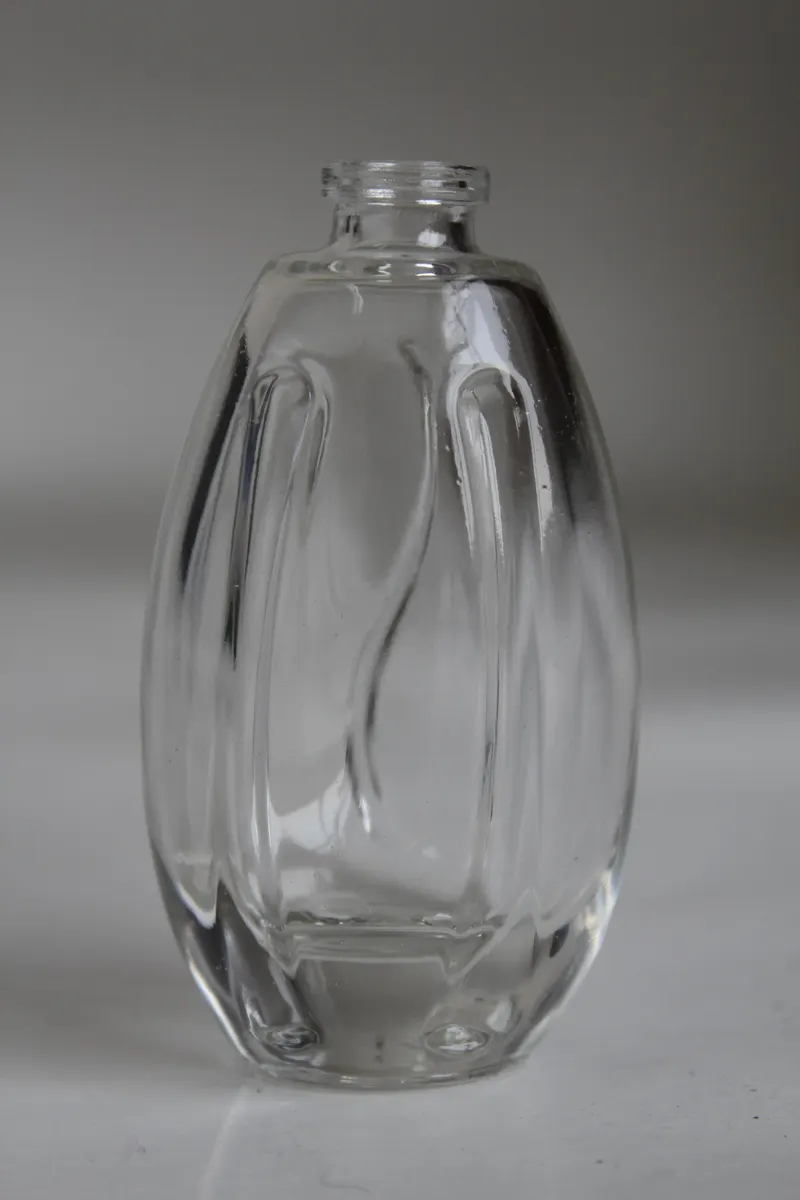
Simple syrup, grenadine, orgeat and craft tonic syrups sell through two channels. Bars want a hard-working bottle with a pour spout. Retail craft brands borrow from spirits packaging: a heavy base, embossed shoulders and a more decorative closure. These craft brands are the fastest-growing group of buyers, and they tend to order every size so the range looks like one family.
Closures and the neck each one needs
- Syrup pumps require a 28-400 or 33-400 continuous-thread finish and a mouth wide enough to pass the pump stem. Choose the pump together with the bottle so the dip tube matches the bottle height.
- Drip-free pour spouts, the liquor-style speed pourers with a return lip, fit 18.5mm bar-top necks and are standard on the back bar.
- Lug caps (twist-off), in 38mm to 58mm, suit hot-filled maple and dessert syrups. They hold a vacuum and show tampering.
- Continuous-thread polycone caps are the economical choice for foodservice jugs.
We check each closure against the finish drawing of the bottle and quote bottle and closure together, so thread compatibility is settled before anything ships. Finish codes are explained in the closure guide for glass bottles, and pump-ready shapes are collected under glass pump bottles in bulk.
Choosing capacity bands
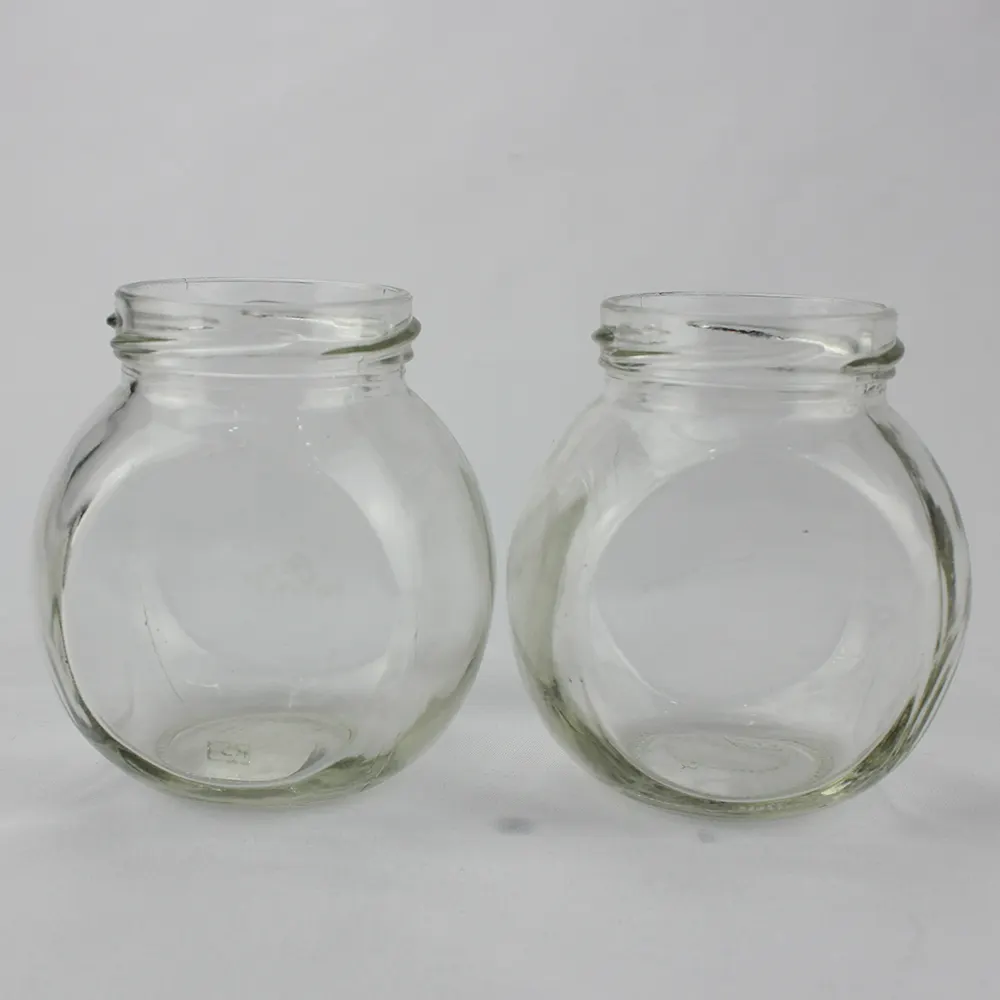
Each band has a clear job. The 250ml size is for trial and gifting: maple samplers, cocktail syrup gift sets and single-origin coffee syrup lines. The 375ml size is where most retail craft brands land, big enough to look like good value and small enough to carry a higher price per ounce. The 750ml size belongs to foodservice and cafe dispensing, where pump fit and how efficiently the cases stack decide the format.
A pairing of 375ml and 750ml lets a single label family serve both channels and keeps pallet patterns consistent.
Viscosity on the filling line
Thick syrup causes two problems that usually show up on the line, after the bottle has been chosen.
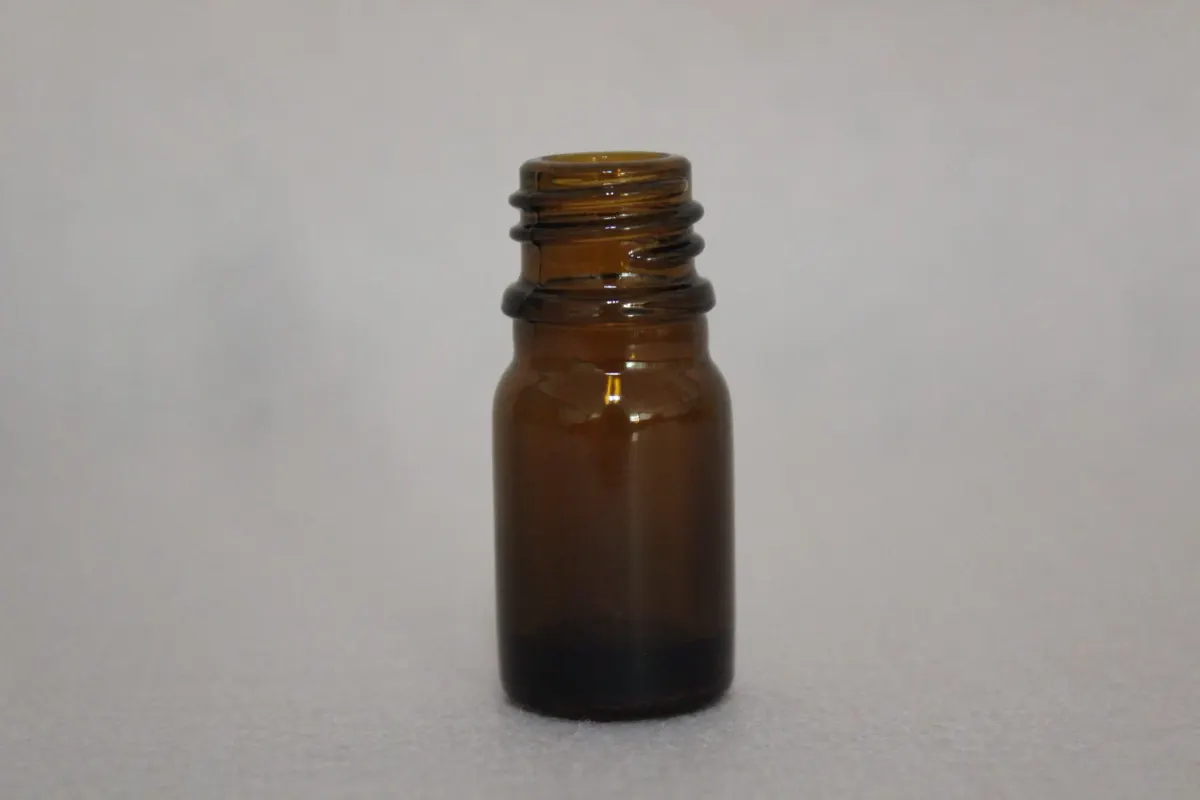
The first is fill time. A 750ml bottle that takes four seconds to fill with a water-thin liquid can take eight to ten seconds with a 65-brix coffee syrup, and a narrow neck makes this worse. On gravity or overflow fillers, specify a neck of at least 28mm. Piston fillers cope with narrower finishes.
The second is drainage and headspace. Syrup clings to the shoulder, and an abrupt shoulder angle holds product back in a way shoppers read as an underfilled bottle. Swept shoulders drain cleanly. We also check headspace so that, at the labelled net content, the visible fill line sits in the neck and not on the shoulder.
Pump bottles have one more constraint: the base diameter has to suit cafe speed rails. A 750ml bottle wider than about 85mm will not sit in a standard rail, and more than one brand has had to change its mould mid-launch for this reason.
Hot-fill and food-contact compliance
High sugar makes syrup forgiving microbiologically, but the packaging rules still apply. Syrup bottles are soda-lime glass, flint or amber, made to food-contact standards, with third-party migration reports for FDA 21 CFR and EU 10/2011 included in the shipment documents.
For hot-fill lines we specify glass annealed for a thermal shock differential of at least 42 degrees Celsius, and the vacuum performance of the lug cap is confirmed on sample fills before a container order is placed. Brands moving from syrup into neighbouring condiments can use the same compliance file for glass sauce bottles and food-grade glass jars, which shortens supplier qualification.
Branding a stock bottle
Decorating a stock shape is the quickest way to a branded pack. The usual options are a one-colour screen print for cafe bottles, paper labels on retail sizes, a tamper-evident shrink band over the closure, and an amber version of a stock mould.
What to send with a quote request
Five lines are enough for a useful request:
- product type and brix;
- fill temperature;
- capacity band and annual volume;
- closure preference: pump, pourer or cap;
- destination port.
Adding the fill viscosity and the type of filler lets us recommend neck and shoulder geometry that protects your line speed, and flag any rail-spacing problem early. Bottles travel in export cartons with dividers on ISPM-15 heat-treated pallets. With your annual volume we can plan shipments around how you draw down stock instead of one large delivery.
FAQ
Which finish fits a standard syrup pump?
A 28-400 or 33-400 continuous-thread finish. Name the pump when you specify the bottle so that thread and dip-tube length are matched on one quote.
Will these bottles take hot-filled maple syrup?
Yes, provided the hot-fill versions are chosen: glass annealed for the 42 degrees Celsius differential, closed with a vacuum-capable lug cap, and proven on a sample fill first.
What do bulk syrup bottles cost?
Pricing is quoted per project. Bottle shape and weight, closure type, decoration, quantity and freight terms are the factors that move it.
Can I brand the bottle without paying for a private mould?
Yes. Screen printing, labels, shrink bands and amber variants of stock moulds all give a branded result on an existing shape.