Sizes are easiest to judge against the standard, and the benchmark most wine, spirits and oil buyers start from is 750 ml glass bottles.
Ordering 1-liter glass bottles wholesale comes down to three choices: the bottle style, the neck finish your capper can run, and a case pack that suits the bottle's weight. A standard flint boston round weighs 450 to 520 grams and ships at roughly 700 to 770 bottles per pallet, while a heavy marasca oil bottle loads fewer per pallet and can reach a container's weight limit before the space is used. Pricing is quoted per project, driven by mould, decoration, quantity and freight terms.
Bottle styles and neck finishes at one liter
Three style families cover most one-liter programs, and each comes with its own finish.
| Style | Shape and color | Neck finish | Typical use |
|---|---|---|---|
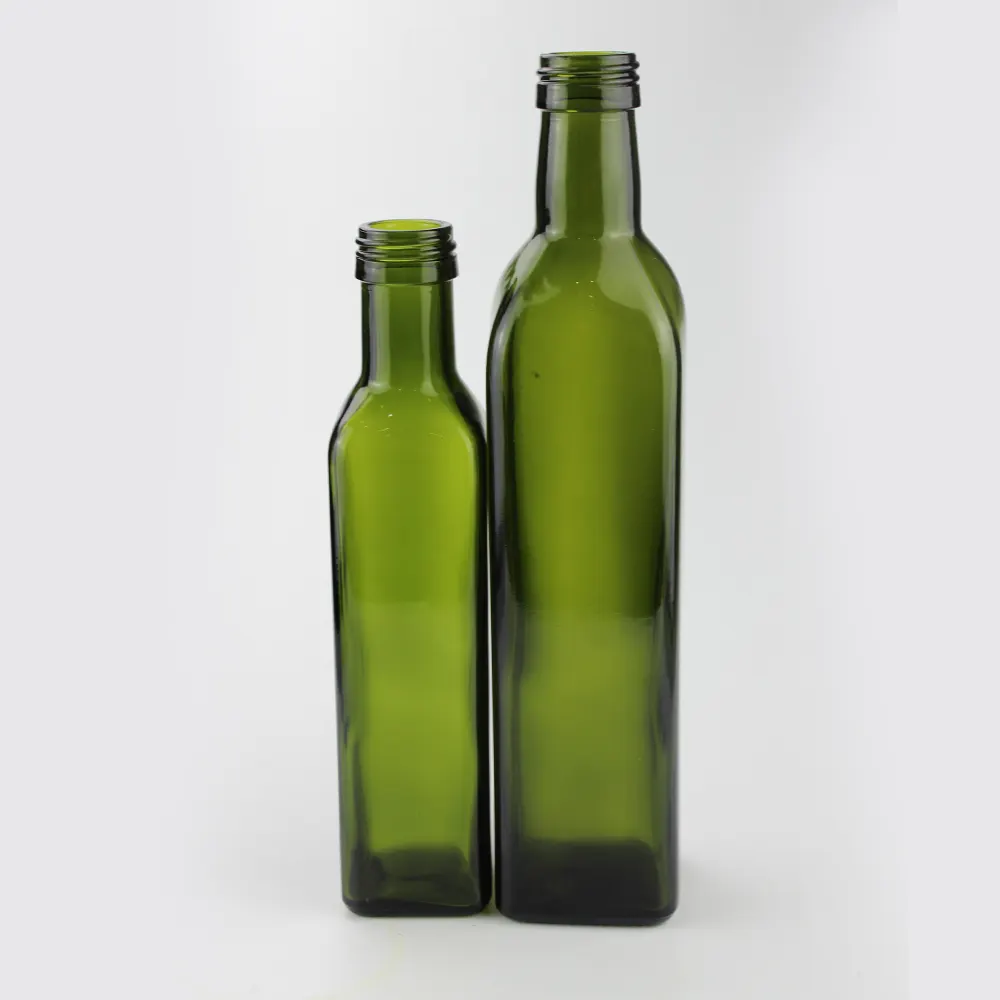
| Marasca | Square shoulder, usually antique green or flint | 31.5mm screw, for ROPP or pour-spout closures | Olive and specialty oils |
| Dorica | Round shoulder, antique green or flint | 31.5mm screw, same family as the marasca | Oils where a softer profile suits the brand |
| Boston round | Round body scaled up to 1L | 28-400 or 33-400 continuous thread (CT) | Kombucha, cold brew, functional beverages |
The finish matters as much as the shape. ROPP, short for roll-on pilfer-proof, gives oil bottlers the tamper evidence they need, but the capper must have dedicated chuck tooling for it. Swing-tops look good on shelf and slow down a high-speed line. Continuous-thread finishes run on standard CT capping equipment.
Put the finish on the purchase order by its industry designation and drawing, never as a description in words. Our guide to bottle closures and finish families shows which closures fit which finish.
What to specify for each product
Cold brew coffee
One liter is the standard multi-serve size for cold brew, both as concentrate and ready to drink. Choose flint glass when the look on shelf comes first and amber when the coffee needs protection from light. Confirm the bottle is suited to your fill temperature, which for cold brew typically runs from ambient to 40 degrees Celsius. Nitro and sparkling versions need a finish that holds carbonation, which points to crown finishes rated for pressure.
Kombucha
Kombucha carbonates naturally, so a pressure rating is mandatory. Specify bottles tested to 4 to 6 bar to leave a safety margin, with a crown or other pressure-rated finish, and ask for internal-pressure test data with every lot.
Edible oils
The liter is the global retail standard for olive oil, and shoppers recognise the marasca and dorica shapes at a glance. Antique green protects the oil against oxidation; flint is chosen when the oil's color is the selling point. A one-liter marasca weighs 550 to 700 grams, more than a beverage bottle, because oil goes through rougher handling in grocery distribution. Our olive oil bottle collection covers marasca and dorica programs in more detail.
Syrups, mixers, water, juice and broth
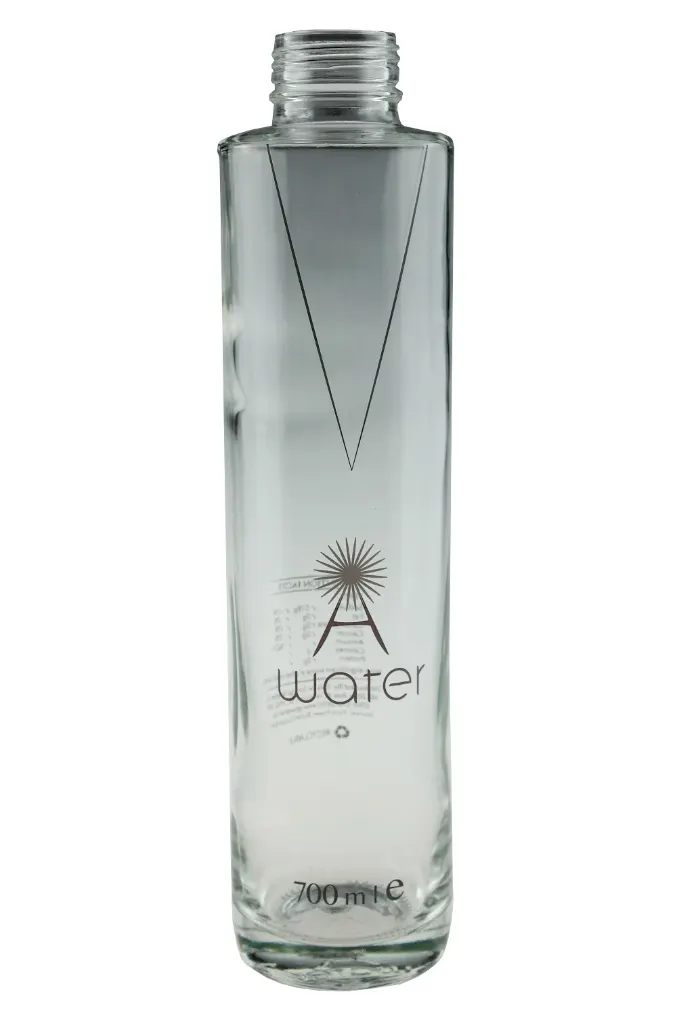
Syrup and mixer producers mostly use flint boston rounds or square bottles, with the finish matched to the pour spout or pump they already use. Private-label water and juice brands moving up from PET should check hot-fill compatibility if the process runs above 70 degrees Celsius, because not every 1L mould is annealed for hot-fill duty.
Soup and broth brands filling the liter for shelf-stable retail face the same question. State the thermal profile of your fill and retort process in the RFQ and have the bottle's rating confirmed in writing.
Case packs and pallet loads
Liter bottles ship 6 or 12 to a case, depending on weight class. The figures below are for cases of 12.
| Bottle | Glass weight | Cases per pallet | Bottles per pallet | Container load |
|---|---|---|---|---|
| Standard flint boston round | 450 to 520 grams | 56 to 64 | roughly 700 to 770 | 15,000 to 17,000 per 40HQ |
| Heavy marasca oil bottle | 600 to 700 grams | 48 to 56 | about 600 to 670 | Often limited by the 26-ton weight cap before the space is filled |
Because the heavy oil bottle hits the weight limit first, its freight cost per piece tends to be higher than for a beverage bottle. Filled weight matters downstream too: a liter of oil or coffee in glass comes to 2.2 to 2.6 pounds, so each breakage costs more than with a small bottle.
For any bottle over 500 grams, ask for double-wall corrugated cases with full-height dividers, tier sheets between pallet layers, and stretch wrap carried down to the pallet deck. Packed this way, breakage on container shipments should stay under 0.5 percent. LTL shipments are handled more often, so for part-pallet orders partitioned gaylords are worth considering. The carton and pallet layouts are drawn out in our packing specification for glass bottles.
Trade-offs of the liter size and mixed loads
The liter suits family-size and foodservice packs while staying manageable for a shopper. Each bottle handled moves twice the product of a smaller format, which is where full container loads work in its favour. The costs of the size are weight and slower filling: a line produces fewer containers per liter of output, and co-packers build that into their tolling rates.
Mixed containers are common practice. Liter bottles travel well with 750ml or 16 oz bottles on shared finishes, so one shipment covers a whole range. Keep at least two to three pallets of each size so receiving stays simple. The neighbouring sizes are described on our pages for 750ml glass bottles and 16 oz bottles for single-serve drinks; the 16 oz shares finishes with the liter but not its economics.
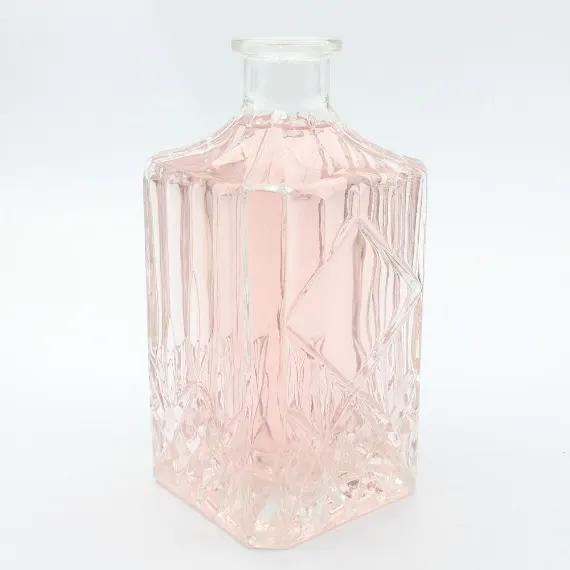
Spirits are a separate case, with their own shapes and finishes, covered under one-liter liquor bottles.
FAQs about 1-liter glass bottles wholesale
What is the wholesale price of 1-liter glass bottles?
There is no single list price. Each project is quoted on its mould, glass color, decoration, order quantity and freight terms.
What is the difference between marasca and dorica bottles?
Only the shoulder. The marasca's square shoulder makes the most of shelf space, and the dorica's round shoulder gives a softer outline. Finish and glass colors are the same for both.
Are 1L glass bottles good for cold brew coffee?
Yes. Glass protects the flavor that cold brew is sold on, and the liter is the size buyers expect for multi-serve packs.