Most baby oil lines need three glass bottles: a 4 oz (120 ml) retail size, a 2 oz (60 ml) travel or trial size, and a 1 oz (30 ml) mini for gift sets. The usual build is clear flint soda-lime glass with a 20/410 or 24/410 treatment pump, switching to amber only when the formula contains light-sensitive botanical oils. Whichever closure you pick, the liner has to be oil-resistant, because oil creeping through an unsuitable liner is the failure this category sees most often.
Sizes and bottle shapes
Baby oil sits in a narrow capacity band, and each size has a clear job.
| Capacity | Typical use | Closure that usually fits |
|---|---|---|
| 1 oz (30 ml) | Gift sets, sampler kits, subscription boxes, hospital-bag minis | Glass dropper |
| 2 oz (60 ml) | Travel and trial size | Disc-top or flip-top cap |
| 4 oz (120 ml) | Main retail SKU | Treatment pump |
A few brands add an 8 oz value bottle. Go bigger than that and shoppers start to read the product as massage oil instead of baby care.
Two shapes cover nearly every program. The Boston round has soft shoulders and is easy to label; the straight-sided cylinder suits pared-back, modern branding. A common launch plan is the 4 oz pump bottle first, with the 2 oz disc-top added after retail listings are in place. Keeping a single neck finish on both sizes makes closure sourcing simpler.
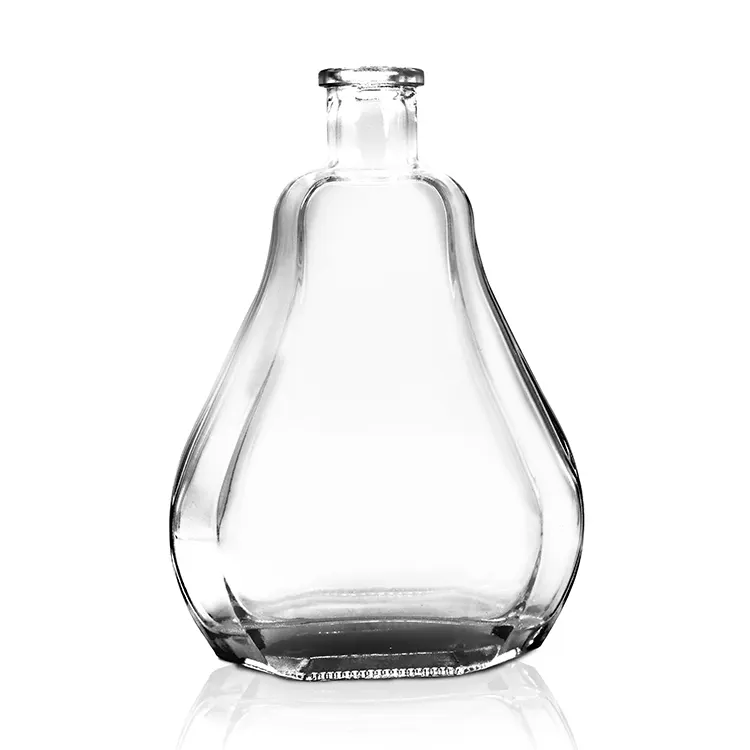
Flint or amber glass
Glass suits oil-based formulas because it is chemically inert, and both colour options here are soda-lime glass. In this size class the wall is designed at roughly 2.0 to 2.5 mm, enough to feel solid in the hand without adding needless freight weight.
Flint, meaning clear glass, is the default. It lets a water-white oil show and matches the clean look baby care brands rely on. Amber is a formulation choice: it blocks most UV below 450 nm, so it belongs on blends with light-sensitive botanical oils or on any formula whose stability testing shows UV degradation. If you are unsure, run a 12-week light-exposure test in both glasses before you decide. The UV-filtering option is covered in the amber glass bottle range, and the wider family of personal-care formats is laid out under cosmetic glass bottles.
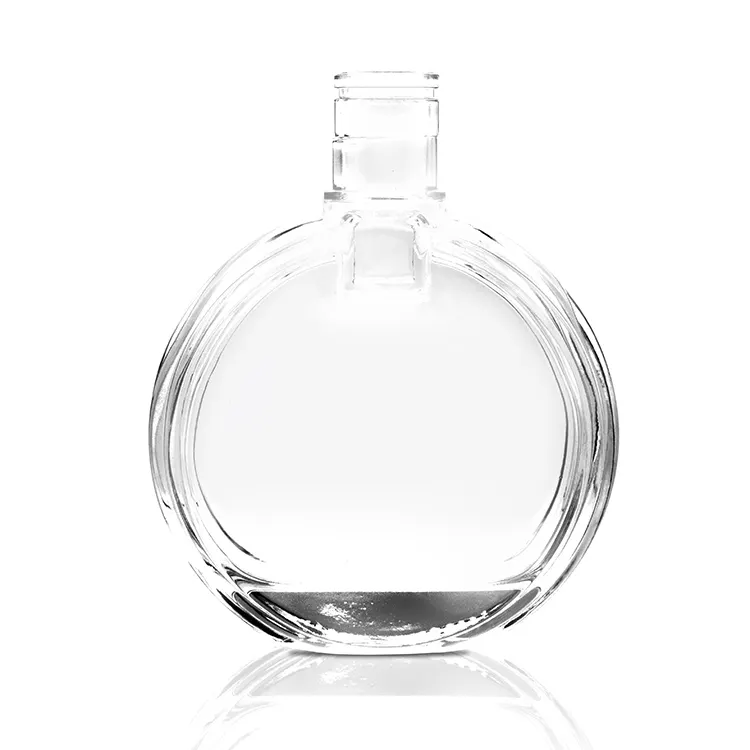
Choosing a closure by how the oil is dosed
The closure decides how much oil comes out and whether a parent can manage it with one free hand.
- Treatment pump, 20/410 or 24/410. Delivers a metered 0.5 to 1.2 ml per stroke, about 1 ml in typical use, and works one-handed. This is the retail standard on the 4 oz bottle. See the glass pump bottles available in bulk for pump-led ranges.
- Glass dropper, 18/410 or DIN18 neck. Fits small formats and a more upmarket positioning, but is slower in everyday use. The 1 oz dropper bottle page covers this pairing.
- Disc-top or flip-top cap. The economy route, and a good fit for 2 oz travel bottles.
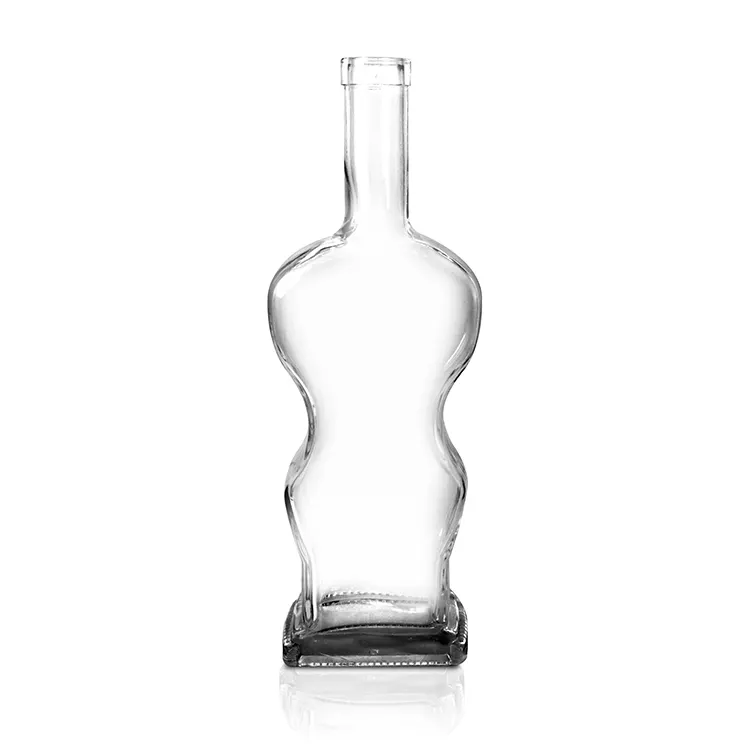
Liner and dip tube
Oil wicks into many standard liners and makes them swell. Ask for an oil-resistant construction, such as PE foam with a barrier film or an induction-seal-compatible liner, and require a 4-week compatibility test at 40 °C before mass production.
On pumps, the dip tube must be cut to the exact height of your bottle. A generic tube can leave 10 to 15 percent of the oil out of reach, and users notice the waste.
Torque
These bottles are opened with one hand, many times a day. A workable specification for the purchase order is an application torque of 8 to 12 inch-pounds, with removal torque still above 5 inch-pounds after 30 open-close cycles.
Decoration that suits baby care
The category favours matte surfaces, pastel colour and plenty of empty space, and most brands decorate less than they could on purpose.
Frosting, either acid-etched or sprayed, gives the glass a soft, powdery feel; the frosted glass bottle range is where to start. The drawback is that a frosted surface shows oily fingerprints, and a baby oil bottle is always handled with oily hands. Specify an anti-smudge topcoat and check how easily the bottle wipes clean during your decoration trial.
For artwork, a single silk-screened colour in a muted ink keeps the design minimal and stands up to bathroom humidity much better than a paper label, which tends to peel in a steamy room. Soft-touch spray coatings and hot-stamped details are available for higher-end lines.
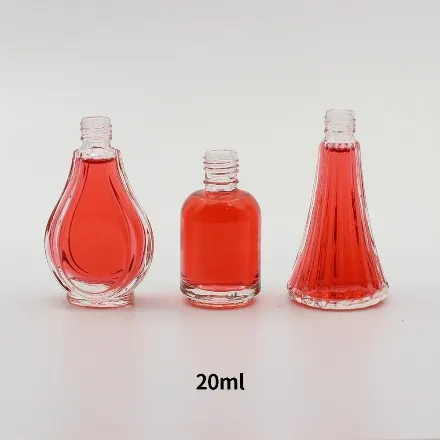
Safety points buyers in this category check
- Tamper evidence. A breakaway band on the closure or a shrink band over the neck shows the bottle has stayed sealed since filling. Most mass retailers write this into their vendor standards.
- Stable geometry. Rounded shoulders and a wide base with a low centre of gravity keep the bottle upright on a changing table.
- Even walls. Thin spots concentrate stress, so put a section-weight check in the QC plan.
- Documents. Request food-contact and cosmetic-packaging compliance documentation, heavy-metal test reports for lead and cadmium, and a migration statement for the decoration inks. Add tamper-evident closure performance data, torque retention after repeated opening, and a drop-test report on the filled bottle. A supplier that hesitates over any of these deserves a closer look.
What to include in the RFQ
We can match a project to a suitable plant much faster when the request states:
- a bottle drawing or a physical sample
- capacity (1, 2 or 4 oz) with brimful tolerance
- glass colour, flint or amber
- neck finish: 20/410, 24/410 or DIN18
- closure type and liner material
- decoration process and number of ink colours
- annual volume
Before committing, schedule a filling-line trial with your contract filler. Pump torque, dip-tube trimming and induction sealing all have to be validated on the line itself. For freight planning, a 40-foot container takes roughly 180,000 bottles in the 4 oz class.
If the range will grow into neighbouring products, lotion bottles use the same neck finishes and decoration lines, and glass nursing bottles are covered in a separate guide.
Frequently asked questions
Which bottle size do most baby oil brands start with?
The 4 oz (120 ml) pump bottle. The 2 oz and 1 oz sizes usually follow as travel and gift formats.
Is clear or amber glass better for baby oil?
Clear flint is the norm. Move to amber when botanical ingredients are light-sensitive or your own stability data points to UV damage.
What is the MOQ for custom baby oil bottles?
Minimums are quoted per project. They depend on the mould and on the line the bottle runs on, and decoration and total quantity also affect the figure.
Do frosted bottles work for an oil product?
Yes, provided an anti-smudge topcoat goes over the frosting. Otherwise the matte finish is a strong fit for a category where a soft look signals a gentle product.