One of our guides on glass beverage bottles wholesale; start there for the overview.
A glass bottle for cold-pressed juice has to be specified around the process the juice goes through. Raw juice, with three to five days of chilled shelf life, needs little more than a sound seal and a good-looking bottle. Juice treated by HPP (high-pressure processing) at around 6,000 bar needs a round body with even walls, generous radii and a closure liner qualified for the cycle. Settle that first, then choose the capacity, closure and decoration.
What HPP demands of a glass bottle
In HPP the bottles are filled and sealed, then loaded into a water chamber and put under isostatic pressure. The treatment inactivates pathogens and stretches refrigerated shelf life to 30-60 days. Glass can go through it, and several brands at the top of the market do so, but only with a bottle drawn for the purpose.
- Wall thickness: uniform, with no abrupt changes.
- Body: cylindrical or gently tapered. Flat panels and sharp corners concentrate stress, so round bodies do better than square ones.
- Heel and shoulder: large radii.
- Finish: a wide mouth spreads cap stress better than a narrow one.
- Closure: it must stay sealed while the package compresses by a few percent of its volume under load.
We have the geometry validated against the co-packer's basket dimensions and cycle profile before the mould is signed off. A bottle that passes the filler and then fails in the HPP vessel is a costly way to learn this, and redesigning around line limits found after sign-off is the most common cause of delay. Share the filler and HPP specifications at the start.
Glass or PET
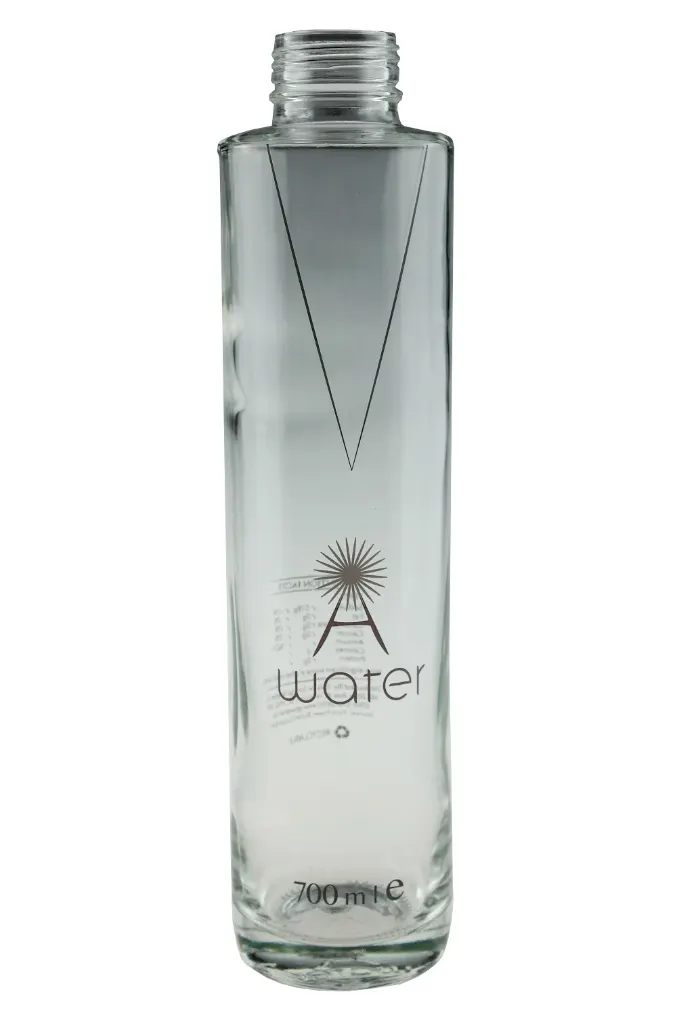
PET is the usual HPP package because it flexes under pressure and weighs less in freight. Glass offers things PET cannot: no oxygen ingress and no flavour scalping, a stronger shelf presence, a recycling story and the option of reuse.
| Choose | When |
|---|---|
| Glass | The retail price point can carry it; distribution is regional, so chilled freight weight stays manageable; the brand relies on premium or clean-label cues |
| PET | Distribution is national and chilled at a mid price point; or the HPP co-packer requires it |
Many brands split the two, using glass for direct and local sales and PET for wholesale grocery. To try glass before paying for a mould, start with the stock juice bottle range.
Picking a capacity band
| Band | Role | Note |
|---|---|---|
| 250ml | Single-serve shots, cleanse programs, juices sold as functional drinks, children's lines | Highest price per ounce and the least space taken in the cold chain |
| 330ml | Café and grab-and-go | Matches what shoppers already expect from craft soda and kombucha |
| 500ml | Sharing sizes and value-tier cold-pressed lines | Pallet weight becomes significant, so producing close to the market starts to matter |
Most launches settle on two bands, which keeps labels and pallets consolidated. The juice bottle size guide helps when you fix the full ladder of SKUs.
Closures and tamper evidence
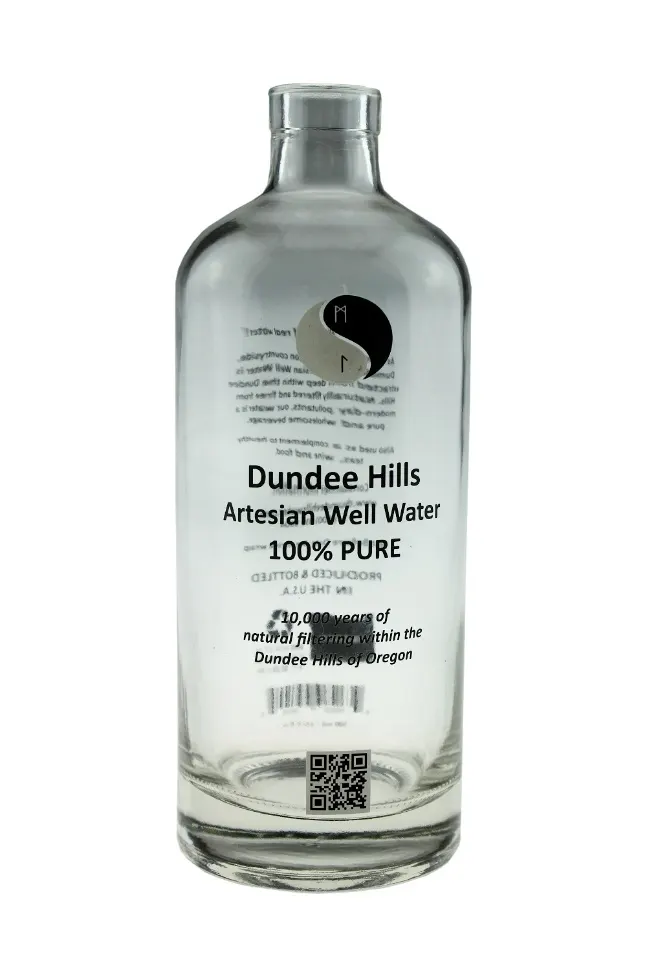
Lug (twist-off) caps in 38mm and 43mm with plastisol liners are the juice standard. They seal hermetically and carry a tamper-evident button. On the 250ml band a 28mm continuous-thread cap is the better fit.
HPP adds one requirement: the liner must tolerate compression set, meaning it has to recover its shape after being squeezed. The compound is qualified against the co-packer's cycle. A shrink band gives a second layer of tamper evidence and another surface for branding. We quote closures together with the bottle so that the cap and finish are specified as a matched pair.
Color, print and private moulds
A juice brand can start with a stock body plus decoration and move to a private mould later. Three levers are available.
Glass color. Flint, meaning clear glass, leads the category because the color of the juice does the selling. Light-sensitive ingredients such as wheatgrass and some citrus blends are a reason to use amber or a UV-filter coating. Color work is covered on our custom glass bottle page.
Decoration. Screen printing in one to three colors uses fired ceramic ink, which holds up to condensation and ice buckets where a wet paper label peels. Frosted, acid-etched panels with printed windows are the current high-end look. If you prefer a label, ask for wet-strength paper with a cold-temperature adhesive and add a shrink band.
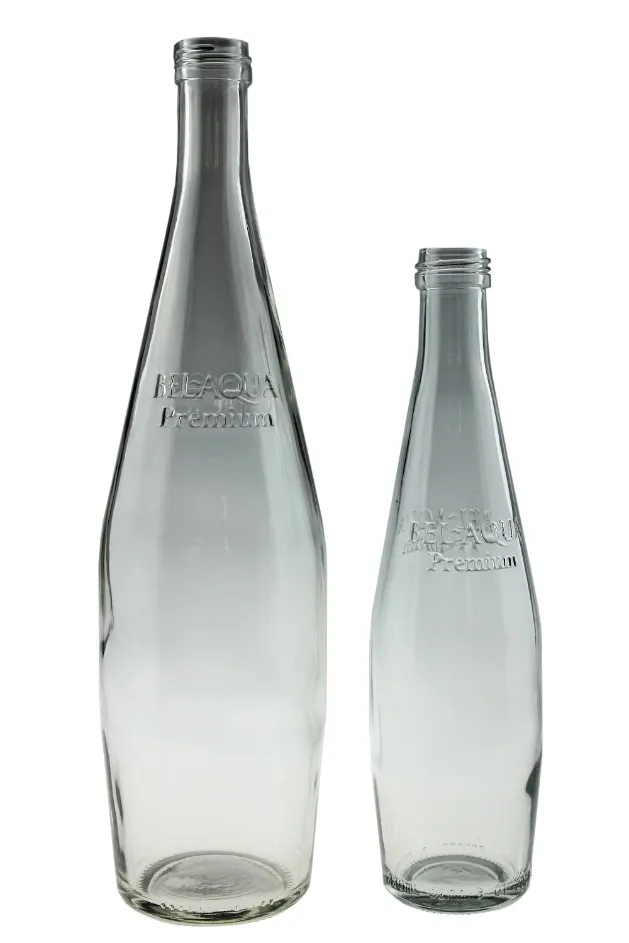
Shape. A private mould gives the brand its own outline, subject to the HPP rules above.
Shelf life and cold-chain testing
Glass lets nothing through, so the process sets shelf life, not the package. Raw cold-pressed juice lasts days and HPP juice lasts weeks. Hot-filled or acidified juice keeps for months at ambient temperature, at the price of giving up the "fresh" claim.
Specify for the hardest conditions the bottle will meet: an ice bucket at a farmers market, repeated condensation in an open retail case, vibration in a refrigerated van. Before scaling up we recommend a distribution test, sending one full pallet through your real logistics route, and we can arrange it with freight partners. Brands that sell functional shots next to juice often bring other glass beverage formats into the same program.
Sustainability claims you can support
Juice buyers care more than most about environmental claims, and those claims get examined closely. Glass supports two that stand up. Flint glass is melted with a share of cullet, or recycled glass, and the recycled content percentage can be documented for a sustainability report, which food-grade PET finds hard to match. Glass also recycles indefinitely without being downcycled.
The counterweight is freight emissions, because glass is heavy. The numbers favor regional distribution and reuse loops over long-haul, single-use shipping. A 330ml bottle sold within a few hundred kilometers and collected through a return program has a strong footprint case; the same bottle sent cross-country for one use does not. Plan packaging and logistics as a single system and print only claims you can document, since regulators in the US and EU are policing unsubstantiated green claims on beverages.
FAQ
Can a square glass bottle go through HPP?
Round is the safer choice. Corners and flat panels concentrate stress under pressure.
Which size should a new cold-pressed line launch in?
The grab-and-go band is the common anchor, paired with either the shot size or the sharing size depending on the channel.
What are the minimums and timings for custom juice bottles?
Both are quoted per project. They depend on whether the bottle is a stock body with decoration or a private mould, on the decoration chosen and on quantity. Stock plus decoration is the quicker route and suits most new brands.