Round glass bottles are sold wholesale in three families: Boston rounds, Euro rounds, and ball or squat rounds, in capacities from 15 ml miniatures to 1 liter and beyond. Start with the neck finish, because it decides which closures will fit, then narrow by family and capacity band. Flint, amber, cobalt and green are the usual stock colors.
Neck finish and closure come first
A round bottle is specified by its neck as much as by its body. If the product has a hard requirement, such as carbonation, a vacuum seal for shelf stability, or child resistance, fix the closure system before looking at shapes and let it cut the list down.
| Finish | Closures it accepts | Where it belongs |
|---|---|---|
| Continuous thread (CT) | Phenolic and metal CT caps, droppers, pumps, sprayers, reducer fitments | The broadest choice; personal care, still drinks, laboratory use |
| Lug (twist-off) | Twist-off vacuum caps | Food, including hot-fill and pasteurized products |
| Crown | Crown caps | Carbonated beverages |
| ROPP | Roll-on aluminum closures | Rounds close to the wine and spirits trade |
| Bar-top bore | Cork-style stoppers | Spirits and gift formats |
Our guide to closures by finish family lists the compatible caps for each of these in detail.
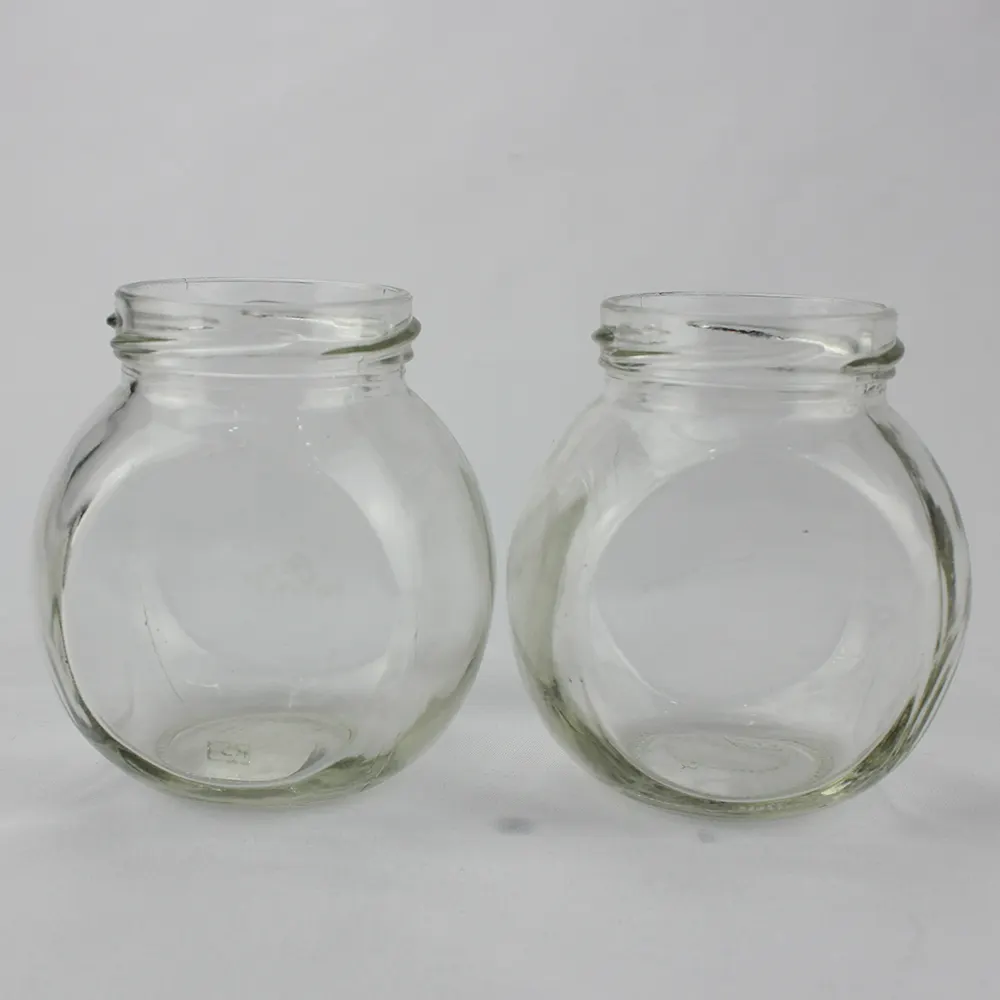
The three round families compared
| Family | Shape | Usual finishes | Typical products |
|---|---|---|---|
| Boston round | Cylinder with a short rounded shoulder and a narrow neck | Continuous thread | Beverages, kombucha, cold-brew coffee, sauces, personal care, laboratory |
| Euro round (European cylinder) | Taller and slimmer, with a long tapered shoulder | Crown, swing-top, ROPP | Lemonades, aperitivo sodas, boutique olive oils |
| Ball, sphere and squat round | Spherical or low and wide | Varies with the concept | Gift spirits, novelty drinks, diffusers and home fragrance |
Boston round
The Boston round began as an apothecary bottle and is now the general-purpose choice. Its shoulder drains cleanly at the filler, the narrow threaded neck takes a very wide range of caps and dispensers, and the shape runs fast on filling lines with little changeover work. Stock sizes run from 15 ml up to 1 liter. The Boston round wholesale range has its own page with the core sizes.
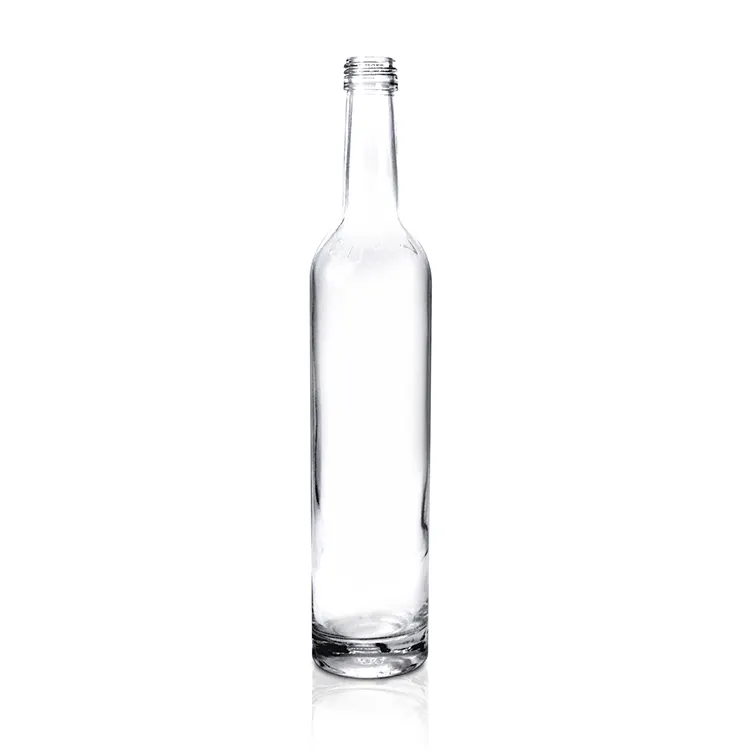
Euro round
The Euro round swaps the curved shoulder for a longer taper, which makes the bottle look taller and more refined. Because the body is a true cylinder it takes a label well, and the tall, narrow proportion gives a lot of visual height for the shelf width it occupies. Its finishes steer it toward food and drink rather than personal care.
Ball, sphere and squat rounds
True spheres are specialty items used where the container carries the product story. They need cradled cartons and slower handling, so they suit higher-priced products. A squat round, low and wide, gives some of the same character without the packing difficulty.
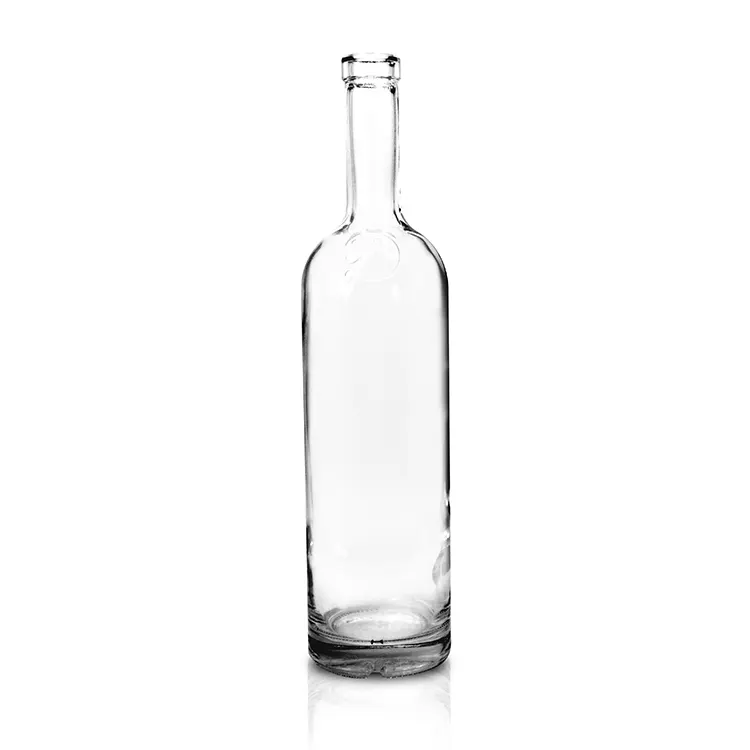
Capacity bands and what they are used for
No other shape family covers as wide a span of capacities. Use the bands below to find the right part of the range, then confirm brimful capacity and dimensions on the spec sheet of the specific bottle. The bottle size chart explains the difference between stated capacity, brimful capacity and fill point.
| Band | Sizes | Main uses | Typical finishes |
|---|---|---|---|
| Miniature | 15-100 ml | Samples, serums, tincture-style cosmetics, minis | 18-24 mm CT, dropper, roller |
| Small | 120-250 ml | Sauces, syrups, juices, personal care | 24-38 mm CT, lug, ROPP |
| Medium | 300-500 ml | Kombucha, cold brew, craft soda, milk | 38 mm CT, crown, swing top |
| Large | 500-750 ml | Spirits, higher-end beverages, oils | Bar top, ROPP 28-31.5 mm |
| Bulk | 1 L+ | Refill, foodservice, family size | 38-43 mm CT, lug |
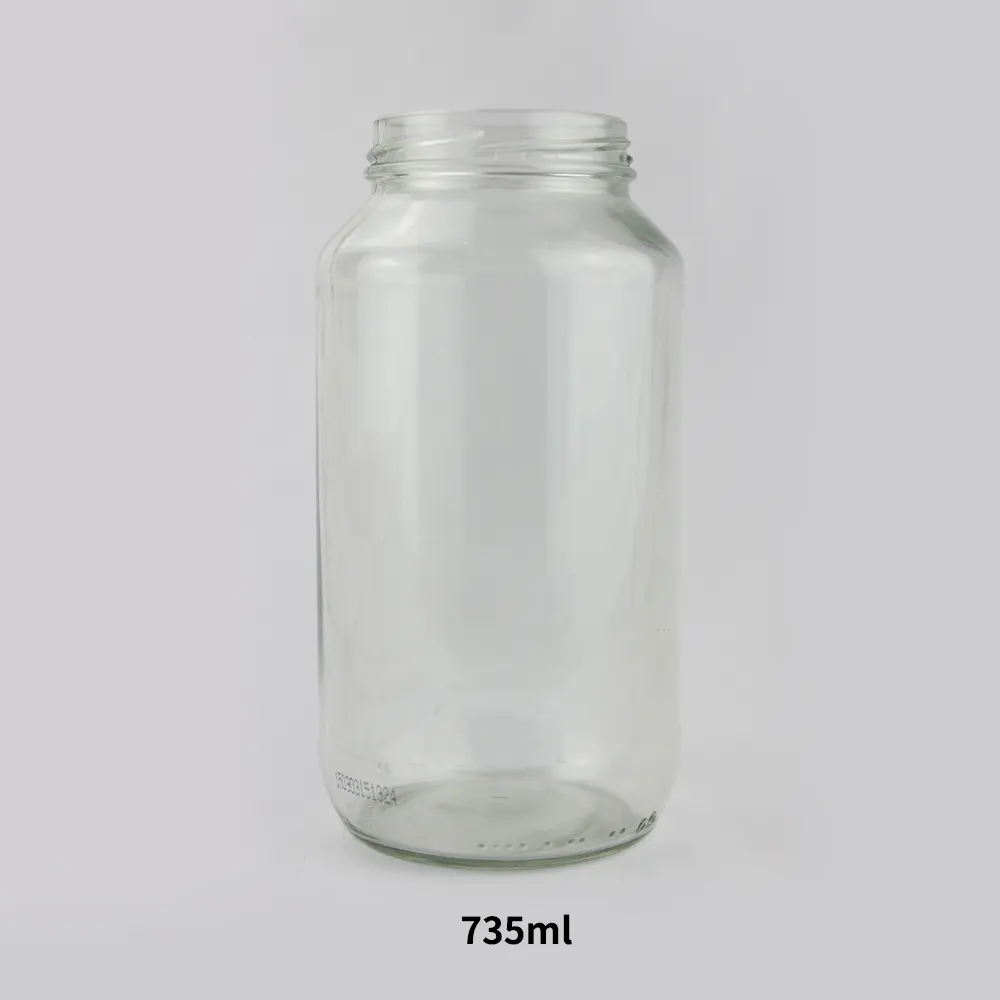
What each industry usually picks
- Food: lug finishes, wide mouths and flint glass that shows the contents. Sauces, honey, preserves and dry goods all have established round bottle and jar formats. Hot-fill products need ware rated for thermal shock and a closure that holds vacuum.
- Beverage: the split is carbonation. Still drinks go into CT or ROPP rounds, carbonated drinks need pressure-rated crown or swing-top bottles, and cold brew and kombucha brands tend to choose the Boston round because it fills easily.
- Beauty and personal care: small flint, amber and frosted rounds with droppers, pumps and disc-top caps. Frosting, spraying and metallizing are covered with the rest of our cosmetic glass bottles.
- Home and fragrance: squat rounds and spheres in flint or sprayed colors for reed diffusers and room sprays, often with a decorative closure. Heavier bases are common because the vessel stays on display.
Decorating a stock round instead of opening a mold
Because the round is the default shape, decoration is how most wholesale buyers set a bottle apart without paying for custom tooling. A cylinder is the easiest surface to decorate. Screen print wraps evenly with no panels to register against, frosting and color spray coat uniformly, and a shrink sleeve sits flat without the corner wrinkles seen on square bottles.
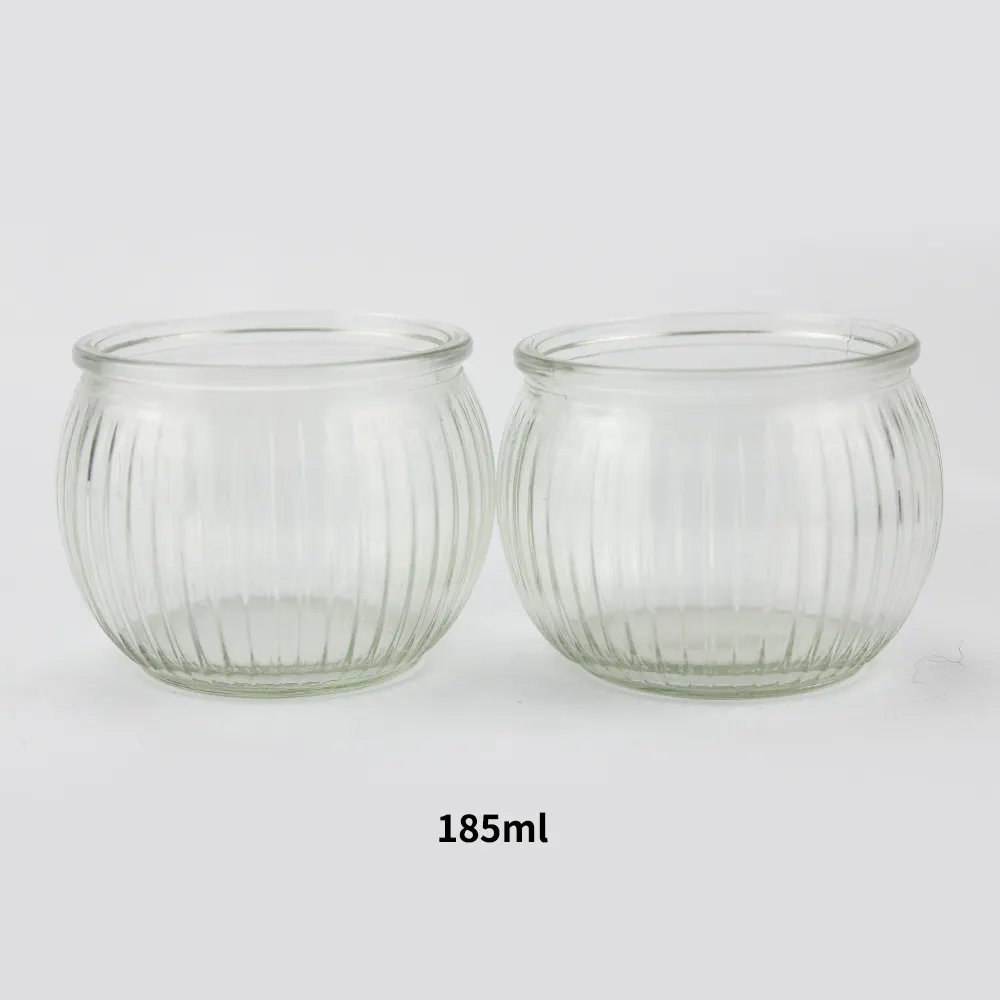
A stock 500 ml Boston round with a two-color ceramic print and a cap in a custom color is a typical example. Where a permanent mark in the glass is wanted, some stock tooling accepts inserts that emboss a ring at the base or shoulder, which sits between plain stock and a full custom mold. Texture is another option that needs no new mold.
What to check before placing a wholesale order
- Standardize finishes. If every bottle in the range shares a neck finish, one closure inventory serves all of them.
- Consolidate. Combining round families on shared pallets improves landed cost. If the program includes jars as well, plan it together with the glass jar range.
- Read the packing specification. Confirm carton counts and pallet patterns before the order is fixed.
- Sample when changing supplier. Two 500 ml Boston rounds from different plants can differ by several millimeters in height and by a noticeable number of grams. That affects label dies and freight calculations, so ask for a pre-shipment sample.
- State the fill temperature for hot-fill. It determines which ware and annealing standard is supplied.
If the brief calls for flat panels or a more distinctive outline, the square glass bottle range is the alternative to compare.
FAQ
Which round bottle sizes sell most?
The busiest bands are 120-250 ml for sauces and personal care, 300-500 ml for craft beverages, and 500-750 ml for spirits and higher-end drinks. The full range starts at 15 ml and goes past 1 liter.
How does a Boston round differ from a Euro round?
The shoulder and the finish. A Boston round has a short curved shoulder and a continuous-thread neck. A Euro round has a longer tapered shoulder, looks taller, and normally carries a crown, swing-top or ROPP finish.
Are round bottles cheaper than square ones?
At stock level, generally yes. Round shapes form more efficiently, run at higher machine speeds and are held in the deepest stock. Square bottles are chosen for shelf differentiation and case-cube efficiency rather than for cost. Actual pricing is quoted per project.
Can round glass bottles be hot-filled?
Yes, if the bottle is rated for thermal shock and paired with a lug or CT closure that can hold vacuum. Run a trial fill before committing to a production run.
What is the minimum order for round bottles?
Minimums are quoted per project. They depend on whether the bottle is a stock item, the decoration applied, and how the order is packed and shipped. Mixed pallets across families can be arranged.