Glass glue bottles for lash adhesive, nail glue and craft adhesives run from 3 ml to 15 ml, with a 13mm or 15mm screw finish and a brush-in-cap closure that also serves as the applicator. Glass is chosen because it lets no water vapor through, so moisture-curing cyanoacrylate keeps its viscosity over a 12 to 24 month shelf life. Most of the specification work lies in the neck and the cap: stem length, wiper insert and liner material decide whether the bottle dispenses cleanly or comes back as a return.
Bottle size by adhesive type
These packs are small on purpose. Once opened, most of these adhesives stay usable for two to three months, so a larger bottle only holds product the customer will throw away.
| Adhesive | Usual capacity | Brush or tip |
|---|---|---|
| Lash adhesive | 3 ml and 5 ml; some professional salon lines use 10 ml | Fine, flexible brush or micro-tip for thin lines |
| Nail glue and gel adhesive | 5 ml to 8 ml | Short, firm brush for placement on a nail tip |
| Craft and hobby glue | 10 ml and 15 ml for bench use | Broader flat brush |
Two shapes dominate. Slim cylinders pack tightly and match the clinical look of the lash category. Flat or rounded bodies follow nail polish conventions, and several moulds are shared with our nail polish bottles, which makes closure sourcing simpler for a brand that sells both.
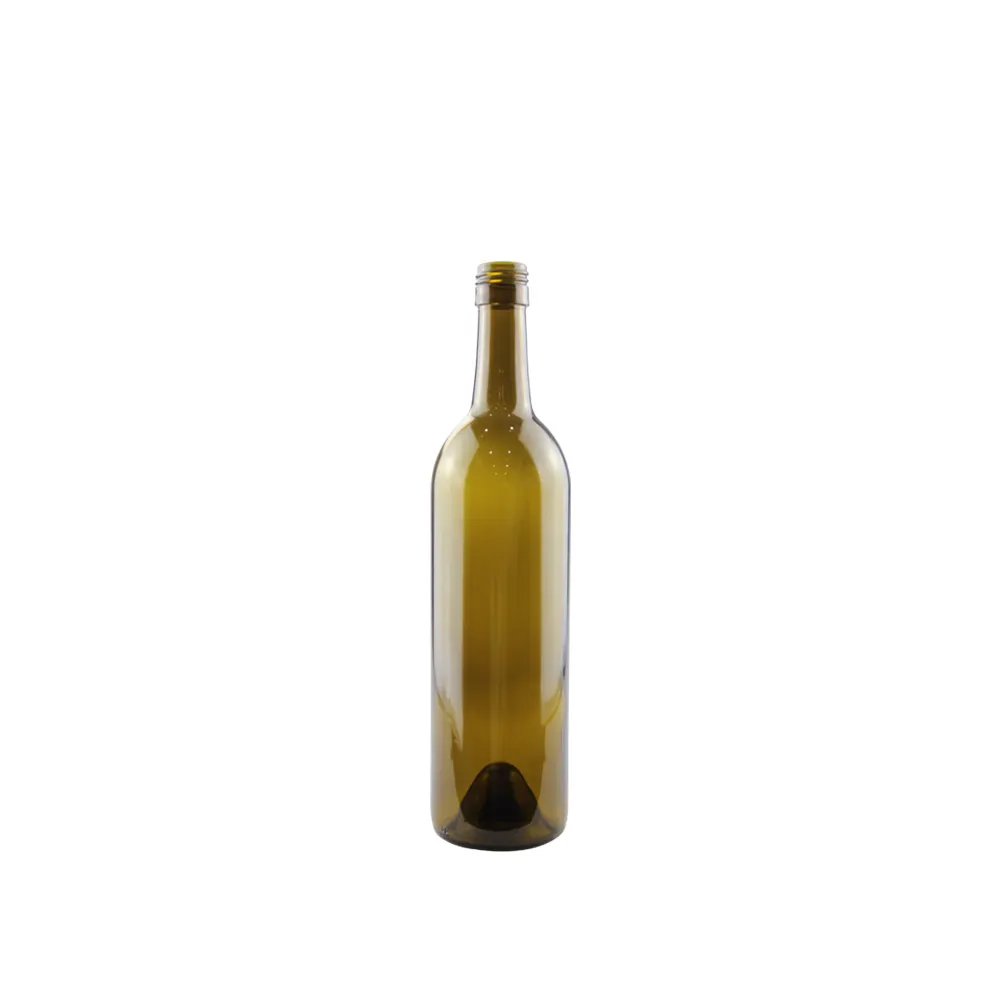
Neck finish and wall thickness
The neck finish is the critical dimension. Because the cap carries the applicator, 13mm and 15mm finishes are held to tighter tolerances than ordinary cosmetic bottles. A rigid, accurate neck is also what keeps the brush stem centred for the life of the bottle.
Walls measure 1.5 to 2.0 mm. That is usually enough to survive a fall from counter height onto bathroom tile, but nobody can honestly call a bottle this size unbreakable. Other moulds in the same capacity band are listed under mini glass bottles.
Specifying the brush-in-cap closure
A brush-in-cap has three parts: the cap shell, a stem cut to the internal height of the bottle, and a brush whose bristle count, length and stiffness suit the viscosity of the adhesive. We put three requirements on every order.
- Stem length within plus or minus 0.5 mm. A stem that is too long splays the brush against the base. One that is too short leaves the last 15 percent of the fill out of reach.
- A wiper insert in the neck. It meters the film of adhesive on the brush and keeps the threads clean. Once threads are fouled with glue, the bottle no longer reseals.
- A liner the adhesive cannot bond to. PE and PTFE-faced liners are the proven options for cyanoacrylate. The wrong foam liner will glue the cap shut within weeks.
Our closure guide matches liner materials to formula types in more depth. Approve a filled, assembled sample, never an empty bottle alone.
Why glass keeps cyanoacrylate stable
Cyanoacrylate cures when it meets moisture in the air. Polyethylene lets a small amount of water vapor through, so glue in a plastic bottle thickens gradually on the shelf. Glass has zero water-vapor transmission and is also a barrier to oxygen, which is why upmarket lash brands specify it.
Glass is unaffected by cyanoacrylates and by the solvents in craft adhesives, which can soften or stress-crack some plastics. For comparison across other small formats, our glass vials and 10 ml essential oil bottles follow the same discipline at the neck.
Preventing clogging and leaks
Permeation is solved by the material. Clogging has to be solved at the neck. The finish should be clean and sharp, the wiper properly fitted, and the cap should seal on its liner, not on the threads, so the air path stays closed. Some lash brands add an inner plug, or a pin-cap that pierces the nozzle again each time the bottle is closed.
Two tests on the finished assembly belong in the specification:
- Leak test: bottles stored inverted at 40 °C for 72 hours, the standard industry screen.
- Torque retention: checked after 50 open-close cycles, since these bottles are opened every day.
Decoration on a very small bottle
At 5 ml there is little room, and restraint pays. Silk screening prints one to three colors cleanly and withstands the solvents that will reach the outside of the bottle. Hot stamping adds a metallic accent for higher-end lash lines. Pressure-sensitive labels suit craft brands that change SKUs often, provided the varnish resists adhesive drips.
Matte black and matte white are the usual looks for lash adhesive. Both can be sprayed, and white can also be made in colored glass, which is more durable. Keep artwork above the fill line where possible: users check how much is left by looking through the glass, and a full-wrap print that hides the contents draws complaints.

Inspection, packing and ordering sequence
Inspection at this size comes down to three things: gauging the neck finish against the closure maker's drawing, sorting out stones and blisters on the sealing surface, and auditing torque and leakage on filled assemblies from every lot.
Packing needs more attention than buyers expect. The bottles travel in divider cartons of 100 to 200 units so glass never touches glass. Brush caps ship separately in poly-lined bags so the bristles arrive straight.
Source the bottle and closure as one matched assembly, with a single party answerable for compatibility. Splitting them between vendors is how a stem-length mismatch gets discovered on the filling line. For a launch tied to a fixed retail date, secure the closure first and let the bottle follow: a suitable bottle mould is almost always available, while a missed closure slot can cost the whole launch window.
Frequently asked questions
Which bottle size is standard for lash adhesive?
Three and five milliliters, because a bigger bottle would expire before it is used up. Choose a slim cylinder with a 13mm or 15mm finish and a fine brush or micro-tip cap.
What should a brush-in-cap specification include?
Stem length tolerance, a wiper insert, a PE or PTFE-faced liner, and bristle details matched to the viscosity of the formula.
What is the minimum order for custom glue bottles?
Minimums are quoted per project. They depend on the mould, the line it runs on, the closure and the decoration.
Why do glue bottles seal shut, and how is it avoided?
It is a liner fault. Cyanoacrylate bonds many foam liners to the glass, so the fix is a PE or PTFE-faced liner, confirmed with the inverted storage test and the torque check described above.
Can nail glue and nail polish share a bottle?
Often, yes, since several mould families serve both. The cap assembly differs in brush and stem length, and glue attacks liners that polish tolerates. Test both against your exact formula before committing to a shared platform.